Hinman Samuel S, Nguyen Romie C T, Cheng Quan
Environmental Toxicology, University of California - Riverside, Riverside, CA 92521, USA
Department of Chemistry, University of California - Riverside, Riverside, CA 92521, USA.
RSC Adv. 2017;7(76):48068-48076. doi: 10.1039/C7RA08870A. Epub 2017 Oct 12.
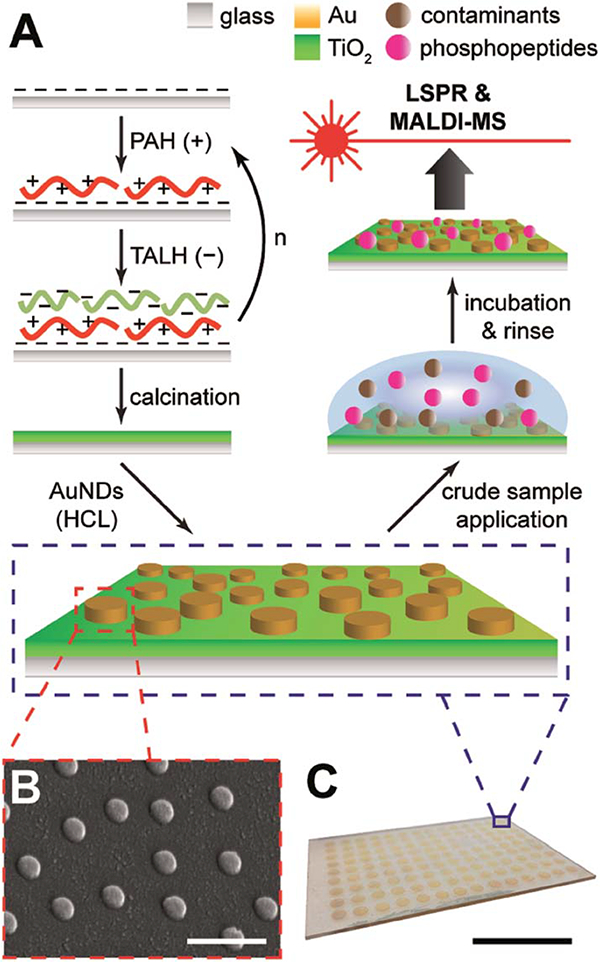
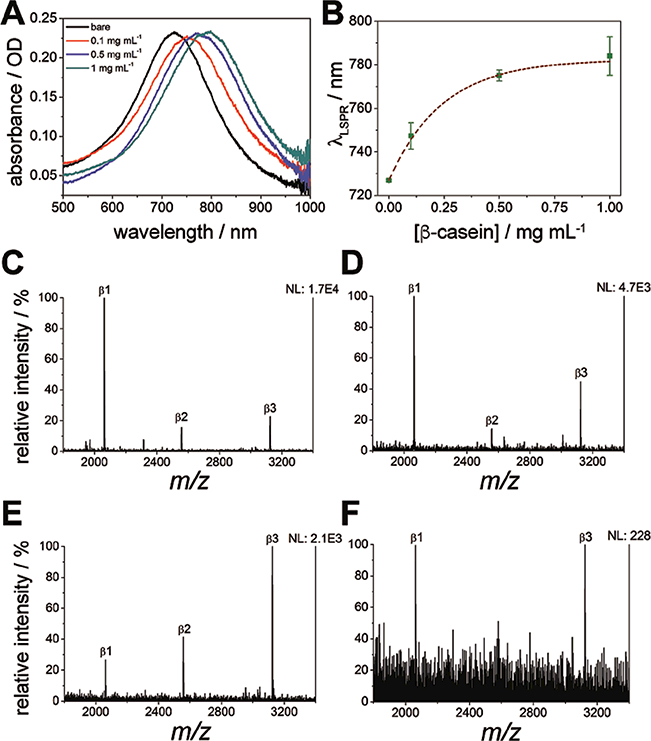
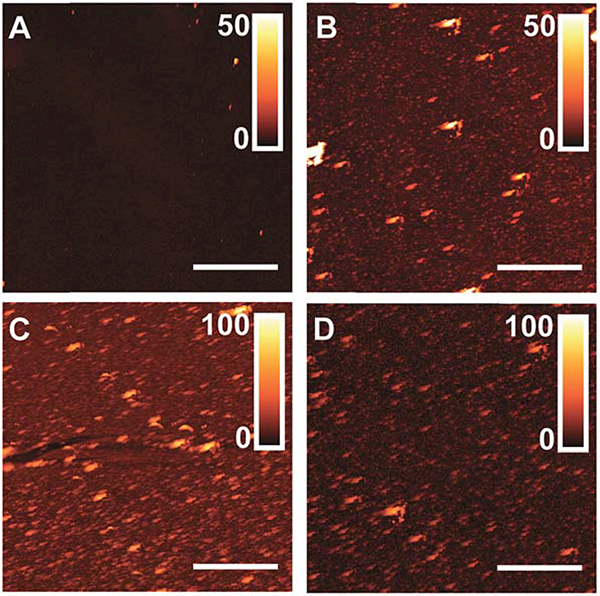
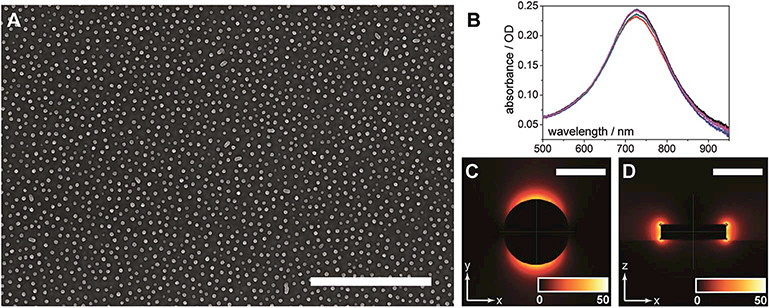
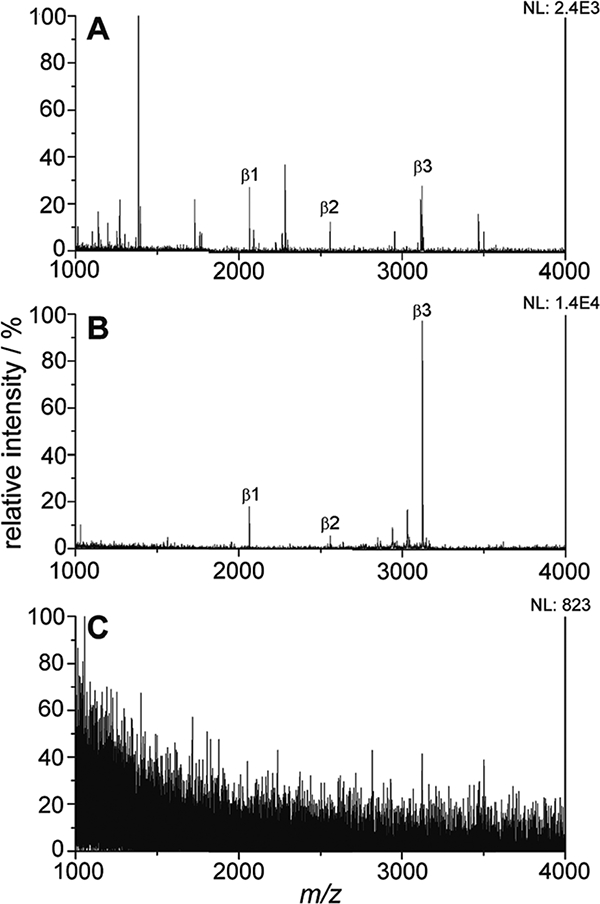
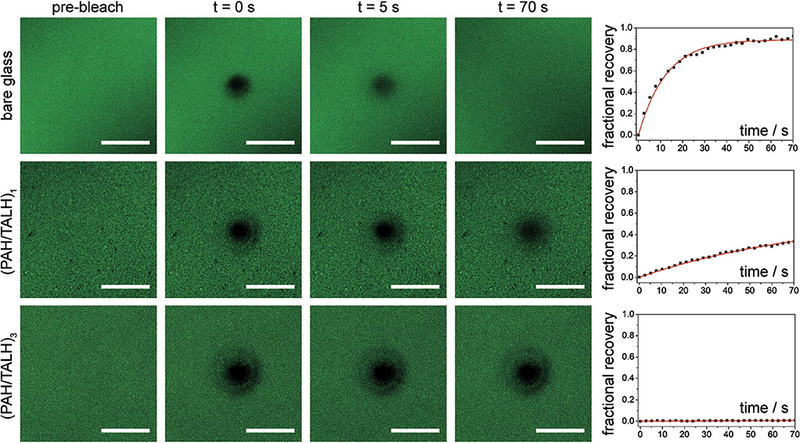
A hybrid material of gold nanodiscs on a calcinated titania nanofilm that allows for selective quantitative and qualitative characterization of surface-enriched phosphopeptides has been designed and reported. Fabrication was realized through a combination of layer-by-layer deposition and high temperature calcination for the titania, and hole-mask colloidal lithography for the plasmonic nanostructures. The morphology of the resulting titania material was rigorously characterized, exhibiting substantially decreased surface roughness, which allows for lithographic fabrication of plasmonic nanostructures. Moreover, high specificity in adsorption and enrichment of phosphopeptides was exhibited, which was verified by LSPR shifts and matching peaks under mass spectrometric analysis. The construction of these biochips should inform other combinatorial nanofabrication techniques, in addition to allowing future phosphoproteomic analyses to be performed in a time and resource-efficient manner.
一种在煅烧二氧化钛纳米薄膜上的金纳米盘混合材料已被设计并报道,它能够对表面富集的磷酸肽进行选择性定量和定性表征。通过逐层沉积和二氧化钛的高温煅烧相结合,以及用于等离子体纳米结构的孔掩膜胶体光刻技术来实现制备。对所得二氧化钛材料的形态进行了严格表征,其表面粗糙度显著降低,这使得等离子体纳米结构的光刻制造成为可能。此外,该材料在磷酸肽的吸附和富集方面表现出高特异性,这在质谱分析下通过局域表面等离子体共振(LSPR)位移和匹配峰得到了验证。这些生物芯片的构建除了能让未来的磷酸化蛋白质组分析以高效省时且节省资源的方式进行外,还应为其他组合纳米制造技术提供参考。