Department of Health Sciences, University of Missouri, Columbia, 535 Clark Hall, Columbia, MO, 65211, USA.
Department of Global Health, London School of Hygiene and Tropical Medicine, London, UK.
BMC Public Health. 2019 Jan 31;19(1):131. doi: 10.1186/s12889-019-6463-4.
Very little is known about the barriers and facilitators to antiretroviral therapy (ART) access and adherence among older Africans. Most studies on ART have focused on individuals who are 15-49 years of age.
We used in-depth interviews with 40 persons living with HIV, aged 50 to 96 years, who had either initiated ART (n = 26) or were waiting to initiate ART (n = 14), to explore barriers and facilitators to ART access and adherence in rural Uganda.
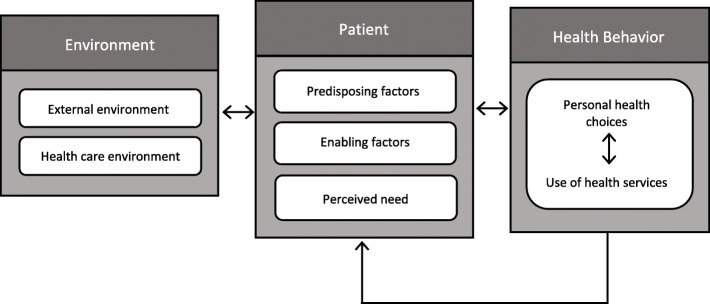
Guided by the Andersen Behavior Model, thematic content analysis highlighted 21 primary factors related to environment, patient and health behavior. Nine of the factors were common to both access and adherence, the remaining 12 were evenly split between access and adherence. Transportation costs, food insecurity, and healthcare workers' knowledge, attitudes and behaviors were key barriers.
These barriers were similar to those outlined for younger populations in other studies, but were compounded by age. Despite barriers, either due to the exceptional nature of HIV care or overreporting, both ART access and self-reported adherence were better than expected. Older persons living with HIV highlighted health care needs for non-HIV-related illnesses, suggesting while HIV care is adequate, care for the ailments of "old age" is lagging.
对于老年非洲人获得抗逆转录病毒疗法 (ART) 和坚持治疗的障碍和促进因素知之甚少。大多数关于 ART 的研究都集中在 15-49 岁的个体上。
我们对 40 名年龄在 50 至 96 岁之间的艾滋病毒感染者进行了深入访谈,这些人要么已经开始接受 ART(n=26),要么正在等待开始接受 ART(n=14),以探讨在乌干达农村获得和坚持接受 ART 的障碍和促进因素。
受安德森行为模型的指导,主题内容分析突出了 21 个与环境、患者和健康行为有关的主要因素。其中 9 个因素在获得和坚持治疗中都存在,其余 12 个因素在获得和坚持治疗中平分秋色。交通成本、粮食不安全以及医疗保健工作者的知识、态度和行为是主要障碍。
这些障碍与其他研究中为年轻人群概述的障碍相似,但因年龄而更加复杂。尽管存在障碍,可能是由于 HIV 护理的特殊性或过度报告,ART 的获得和自我报告的坚持率都好于预期。艾滋病毒感染者中的老年人强调了与非 HIV 相关疾病的医疗保健需求,这表明尽管 HIV 护理充足,但对“老年”疾病的护理却滞后。