Ishikawa Tomoharu, Tatsumoto Muneto, Maki Katuhiro, Mitsui Minoru, Hasegawa Hiroshi, Hirata Koichi
Graduate School of Engineering, Utsunomiya University, Japan.
Department of Neurology, Dokkyo Medical University, Japan.
Intern Med. 2019 Jun 1;58(11):1565-1572. doi: 10.2169/internalmedicine.2206-18. Epub 2019 Feb 1.
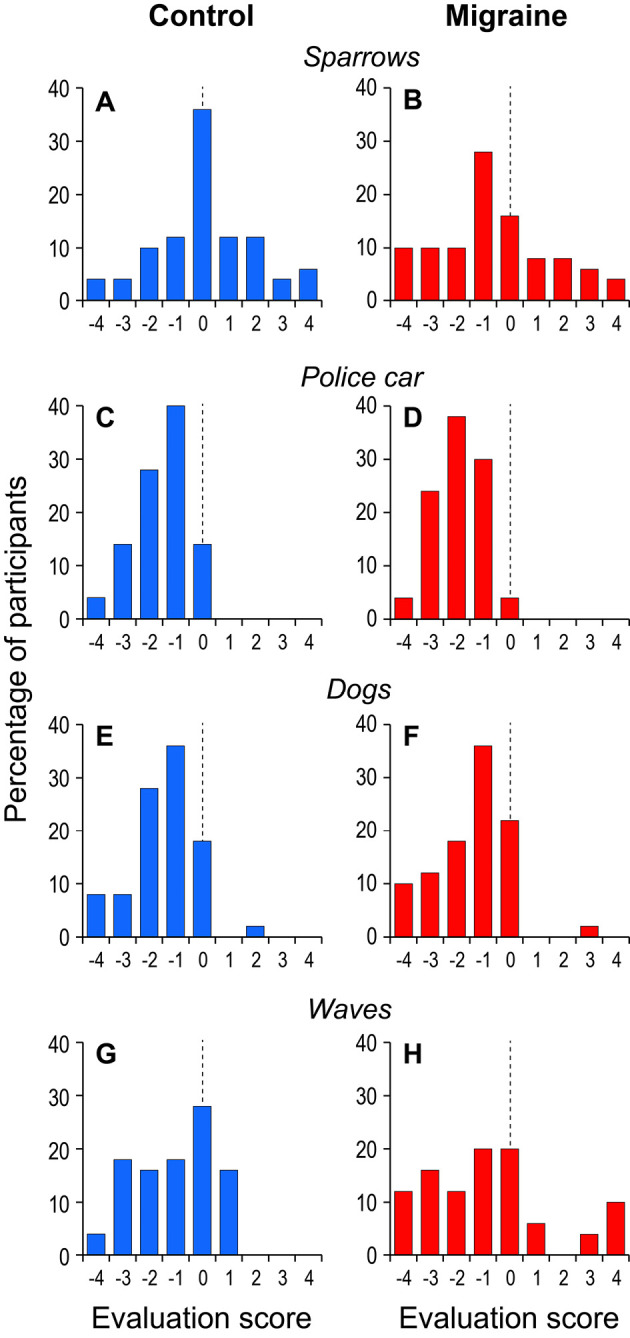
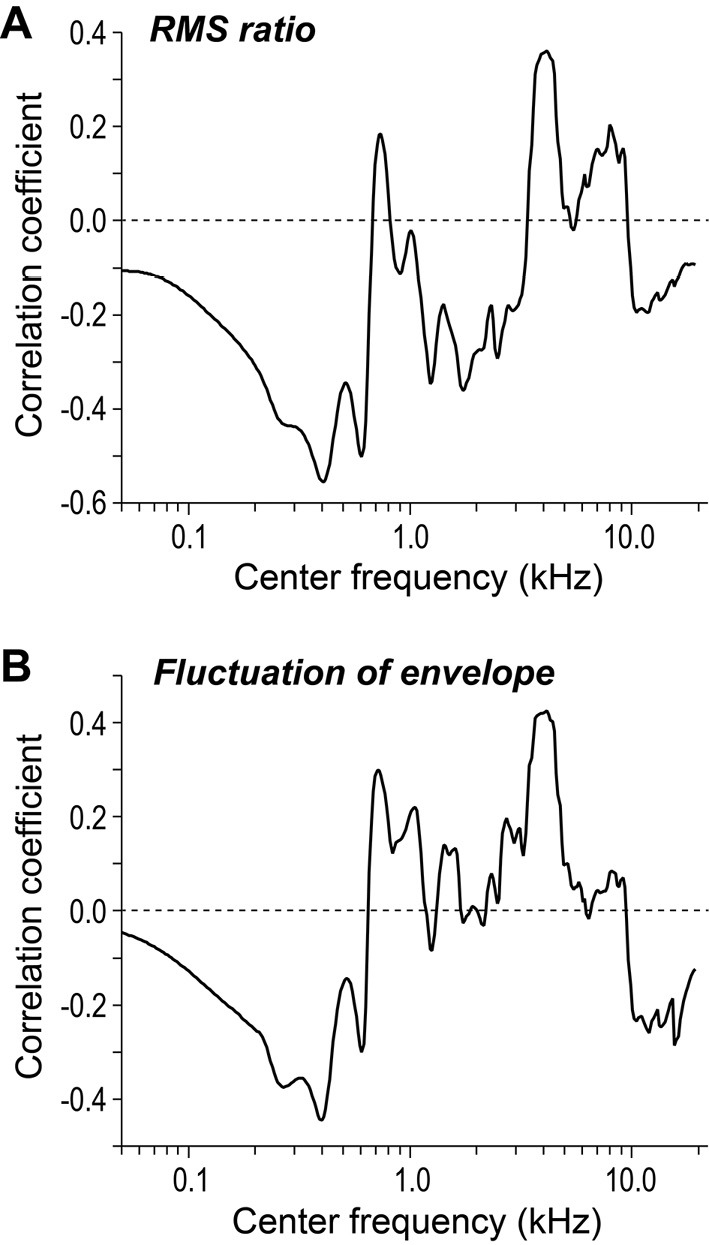
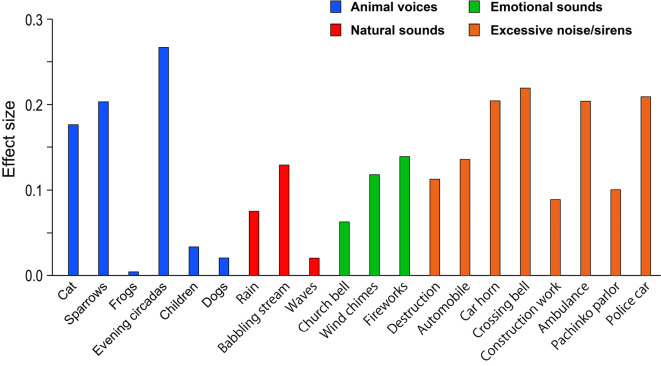
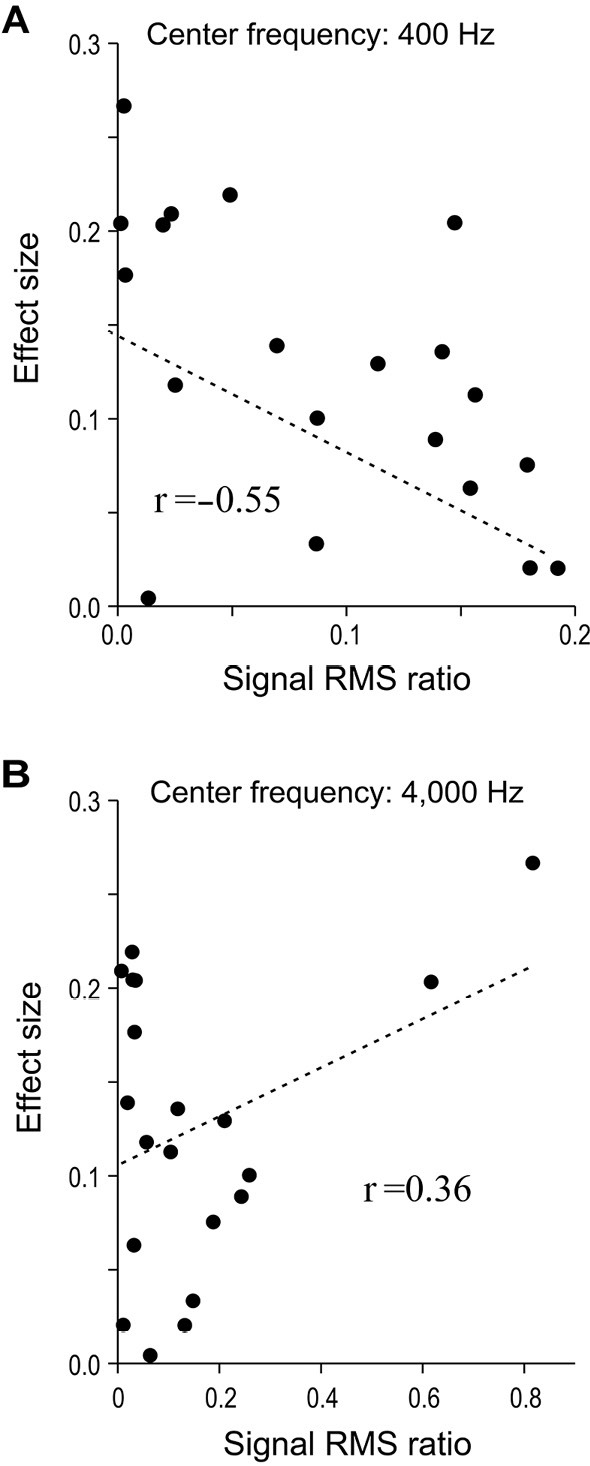
Objective Sound hypersensitivity is highly comorbid with migraine headaches. To elucidate the pathogenic mechanism of migraine attacks, we must first identify the types of everyday environmental sounds they perceive as unpleasant and clarify the acoustic properties of such sounds. This study aimed to clarify the true nature of "noise," i.e. everyday sounds perceived as unpleasant by migraineurs, by evaluating their subjective comfort/discomfort in response to several sounds commonly heard in everyday life. Methods Participants were presented with 20 environmental sounds they would likely hear daily. Subjects rated the pleasantness/unpleasantness of each stimulus using a nine-step scale. Patients We recruited 50 adults with migraine headaches (46 women, 4 men) and 50 healthy controls (35 women, 15 men). Results Migraineurs provided statistically significantly lower (more unpleasant) ratings to ambulance sirens, police car sirens, and railroad crossing bells than did controls. Our analysis also investigated the acoustic characteristics associated with higher rating gaps between the two groups. Greater divergence in ratings for the same stimulus was associated with less power (smaller amplitude envelope) and slower temporal variation in signals in the 400-Hz band. Conclusion We identified specific signal components associated with different subjective (un) pleasantness scores between migraineurs and healthy adults, which may lead to the elucidation of the pathogenic mechanism underlying migraine attacks triggered by sound.
目的 声音超敏反应与偏头痛高度共病。为阐明偏头痛发作的致病机制,我们必须首先确定偏头痛患者认为不愉快的日常环境声音类型,并阐明此类声音的声学特性。本研究旨在通过评估偏头痛患者对日常生活中常见的几种声音的主观舒适/不舒适程度,来阐明“噪音”的本质,即偏头痛患者认为不愉快的日常声音。方法 向参与者呈现20种他们可能每天都会听到的环境声音。受试者使用九级量表对每种刺激的愉悦/不愉悦程度进行评分。患者 我们招募了50名患有偏头痛的成年人(46名女性,4名男性)和50名健康对照者(35名女性,15名男性)。结果 与对照组相比,偏头痛患者对救护车警报声、警车警报声和铁路道口铃声的评分在统计学上显著更低(更不愉快)。我们的分析还研究了与两组之间较高评分差距相关的声学特征。同一刺激的评分差异越大,与400赫兹频段信号的功率越小(幅度包络越小)和时间变化越慢有关。结论 我们确定了与偏头痛患者和健康成年人之间不同主观(不)愉悦评分相关的特定信号成分,这可能有助于阐明由声音引发的偏头痛发作的致病机制。