Wilmer Eye Institute, Johns Hopkins University School of Medicine, Baltimore, Maryland.
National Institute on Aging, National Institutes of Health, Baltimore, Maryland.
Aging Cell. 2019 Apr;18(2):e12915. doi: 10.1111/acel.12915. Epub 2019 Feb 4.
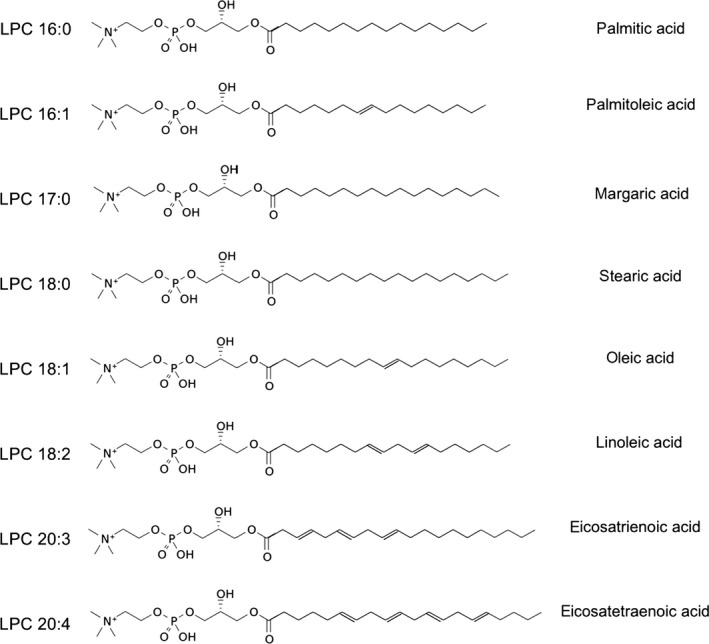
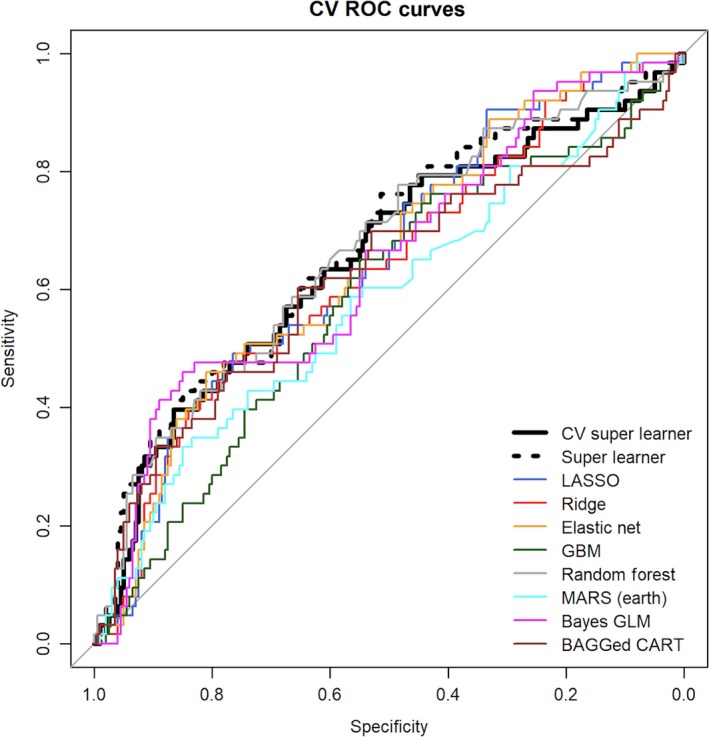
The decrease in skeletal muscle mitochondrial oxidative capacity with age adversely affects muscle strength and physical performance. Factors that are associated with this decrease have not been well characterized. Low plasma lysophosphatidylcholines (LPC), a major class of systemic bioactive lipids, are predictive of aging phenotypes such as cognitive impairment and decline of gait speed in older adults. Therefore, we tested the hypothesis that low plasma LPC are associated with impaired skeletal muscle mitochondrial oxidative capacity. Skeletal muscle mitochondrial oxidative capacity was measured using in vivo phosphorus magnetic resonance spectroscopy ( P-MRS) in 385 participants (256 women, 129 men), aged 24-97 years (mean 72.5) in the Baltimore Longitudinal Study of Aging. Postexercise recovery rate of phosphocreatine (PCr), k , was used as a biomarker of mitochondrial oxidative capacity. Plasma LPC were measured using liquid chromatography-tandem mass spectrometry. Adults in the highest quartile of k had higher plasma LPC 16:0 (p = 0.04), 16:1 (p = 0.004), 17:0 (p = 0.01), 18:1 (p = 0.0002), 18:2 (p = 0.002), and 20:3 (p = 0.0007), but not 18:0 (p = 0.07), 20:4 (p = 0.09) compared with those in the lower three quartiles in multivariable linear regression models adjusting for age, sex, and height. Multiple machine-learning algorithms showed an area under the receiver operating characteristic curve of 0.638 (95% confidence interval, 0.554, 0.723) comparing six LPC in adults in the lower three quartiles of k with the highest quartile. Low plasma LPC are associated with impaired mitochondrial oxidative capacity in adults.
骨骼肌线粒体氧化能力随年龄下降,会对肌肉力量和身体机能产生不良影响。但与这种下降相关的因素尚未得到很好的描述。血浆中溶血磷脂酰胆碱(LPC)水平较低,这是一类主要的系统生物活性脂质,可预测老年人的衰老表型,如认知障碍和步态速度下降。因此,我们假设低血浆 LPC 与骨骼肌线粒体氧化能力受损有关。在巴尔的摩老龄化纵向研究中,我们使用体内磷磁共振波谱(P-MRS)测量了 385 名参与者(256 名女性,129 名男性)的骨骼肌线粒体氧化能力,这些参与者年龄在 24-97 岁之间(平均 72.5 岁)。磷酸肌酸(PCr)的运动后恢复率 k 被用作线粒体氧化能力的生物标志物。使用液相色谱-串联质谱法测量血浆 LPC。在 k 值最高的四分位数中,成年人的血浆 LPC16:0(p=0.04)、16:1(p=0.004)、17:0(p=0.01)、18:1(p=0.0002)、18:2(p=0.002)和 20:3(p=0.0007)更高,但 18:0(p=0.07)、20:4(p=0.09)则没有,这在多变量线性回归模型中调整年龄、性别和身高后是如此。多种机器学习算法显示,在 k 值较低的四分位数的成年人与 k 值最高的四分位数的成年人相比,LPC 六个的接收器操作特征曲线下面积为 0.638(95%置信区间,0.554,0.723)。成年人低血浆 LPC 与线粒体氧化能力受损有关。