Institute of Parasitology, University of Zürich, Winterthurerstrasse 266a, 8057, Zürich, Switzerland.
Functional Genomics Center Zürich, Winterthurerstrasse 190, 8057, Zürich, Switzerland.
Sci Rep. 2019 Feb 6;9(1):1474. doi: 10.1038/s41598-018-37671-8.
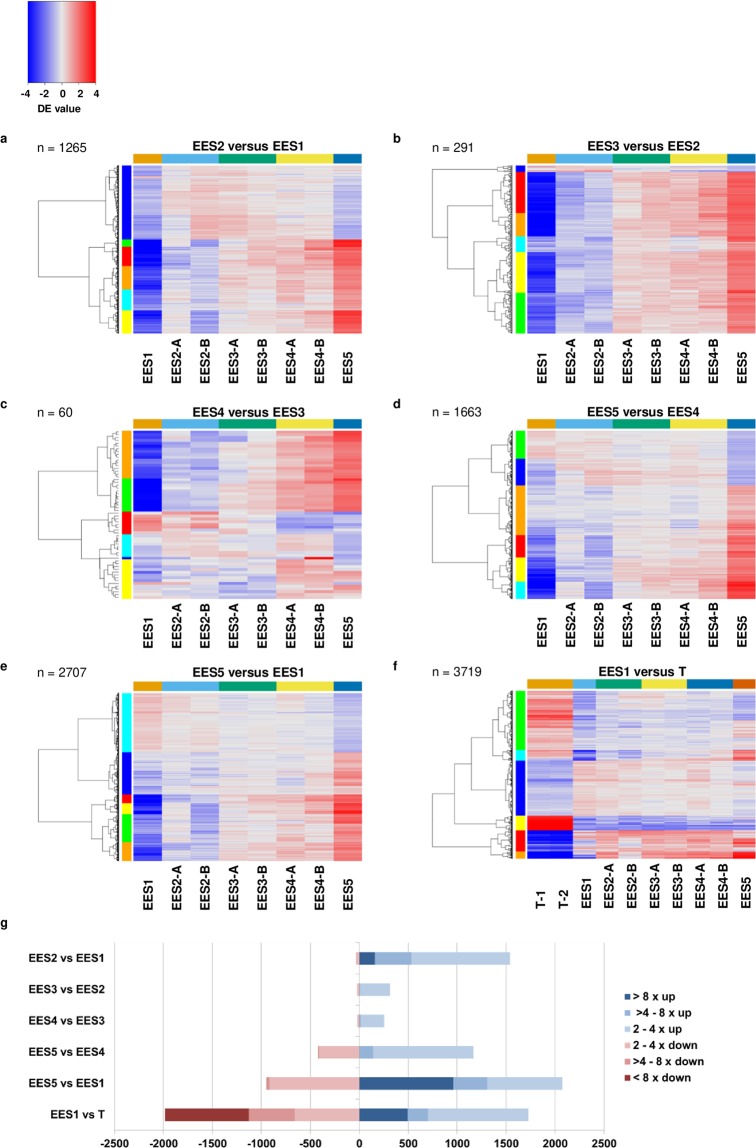
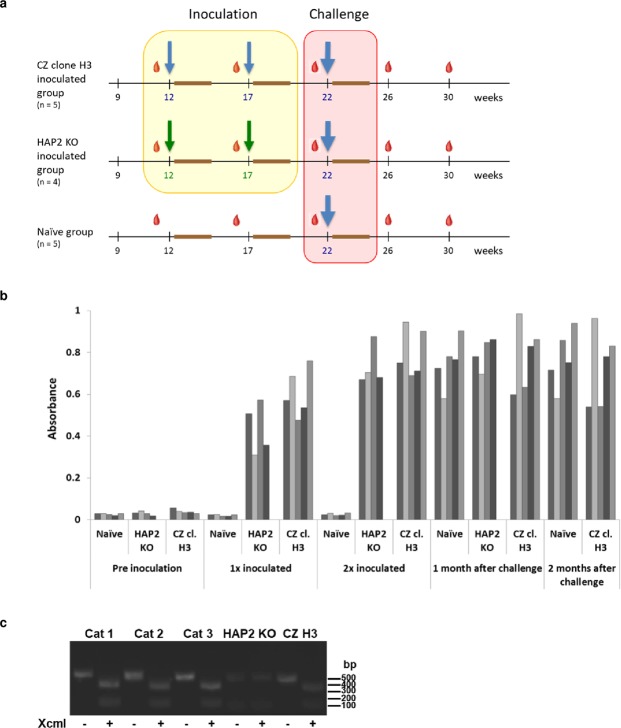
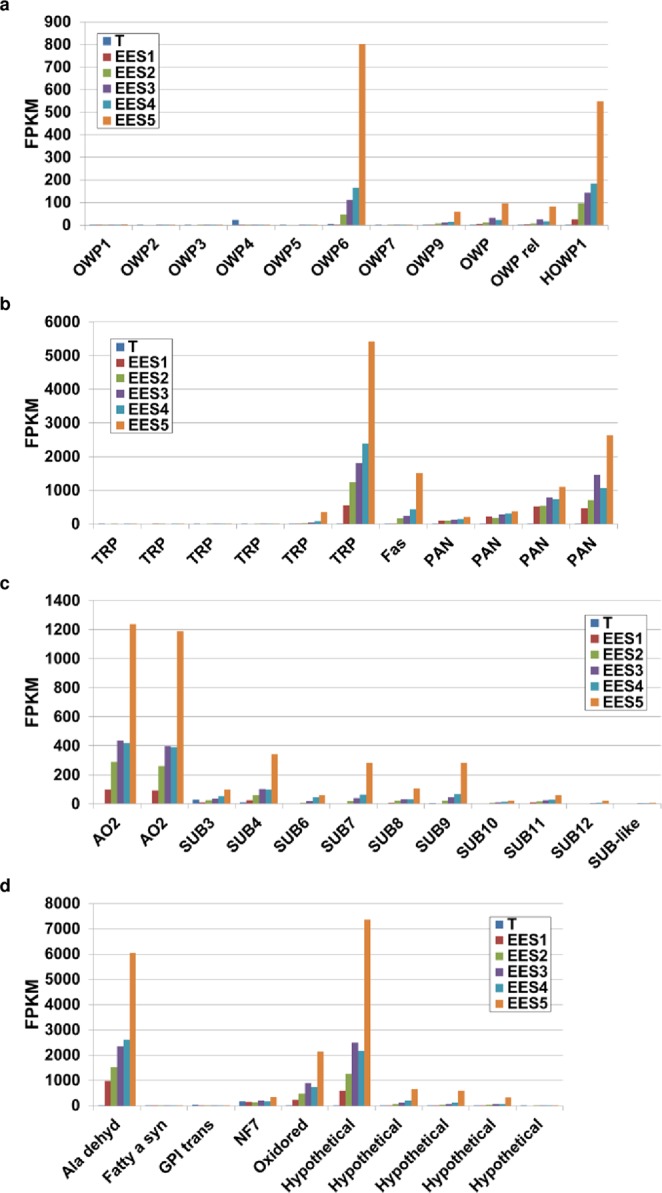
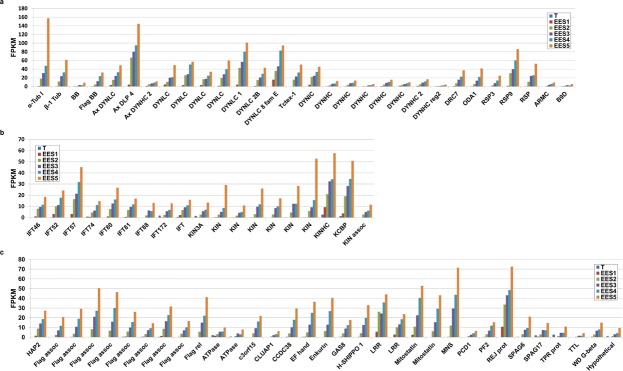
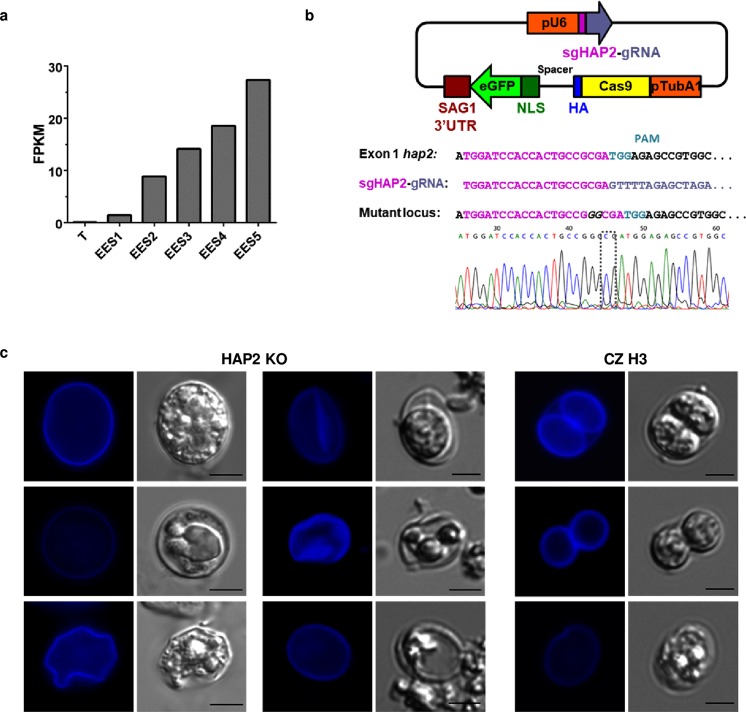
Almost any warm-blooded creature can be an intermediate host for Toxoplasma gondii. However, sexual reproduction of T. gondii occurs only in felids, wherein fertilisation of haploid macrogametes by haploid microgametes, results in diploid zygotes, around which a protective wall develops, forming unsporulated oocysts. Unsporulated oocysts are shed in the faeces of cats and meiosis gives rise to haploid sporozoites within the oocysts. These, now infectious, sporulated oocysts contaminate the environment as a source of infection for people and their livestock. RNA-Seq analysis of cat enteric stages of T. gondii uncovered genes expressed uniquely in microgametes and macrogametes. A CRISPR/Cas9 strategy was used to create a T. gondii strain that exhibits defective fertilisation, decreased fecundity and generates oocysts that fail to produce sporozoites. Inoculation of cats with this engineered parasite strain totally prevented oocyst excretion following infection with wild-type T. gondii, demonstrating that this mutant is an attenuated, live, transmission-blocking vaccine.
几乎所有温血动物都可以成为刚地弓形虫的中间宿主。然而,刚地弓形虫的有性生殖仅发生在猫科动物中,在那里,由单倍体大配子和单倍体小配子受精产生二倍体合子,在合子周围形成保护性壁,形成未孢子化的卵囊。未孢子化的卵囊在猫的粪便中排出,减数分裂在卵囊内产生单倍体裂殖子。这些具有感染性的孢子化卵囊污染环境,成为人和家畜感染的来源。对猫肠道阶段刚地弓形虫的 RNA-Seq 分析揭示了在小配子和大配子中特异性表达的基因。利用 CRISPR/Cas9 策略创建了一种刚地弓形虫菌株,该菌株表现出受精缺陷、繁殖力下降,并产生无法产生裂殖子的卵囊。用这种工程化的寄生虫菌株感染猫,完全阻止了感染野生型刚地弓形虫后的卵囊排出,表明该突变体是一种减毒的、活的、阻断传播的疫苗。