Graduate Program in Clinical Biochemistry and Molecular Medicine, Faculty of Allied Health Sciences, Chulalongkorn University, Patumwan, Bangkok, 10330, Thailand.
Department of Clinical Chemistry, Faculty of Allied Health Sciences, Chulalongkorn University, Patumwan, Bangkok, 10330, Thailand.
Sci Rep. 2019 Feb 7;9(1):1555. doi: 10.1038/s41598-018-38159-1.
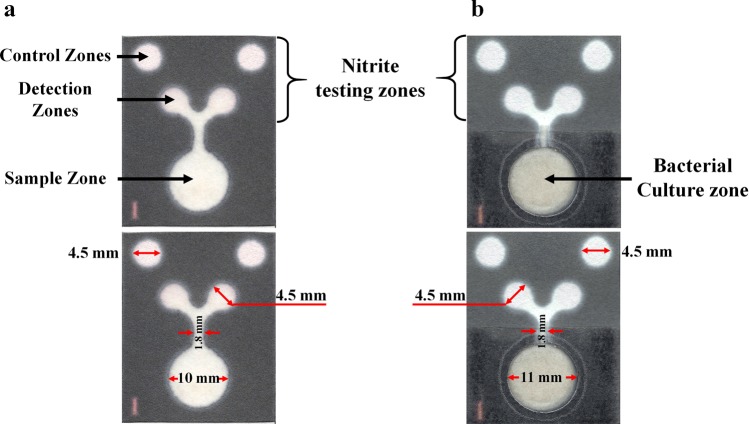
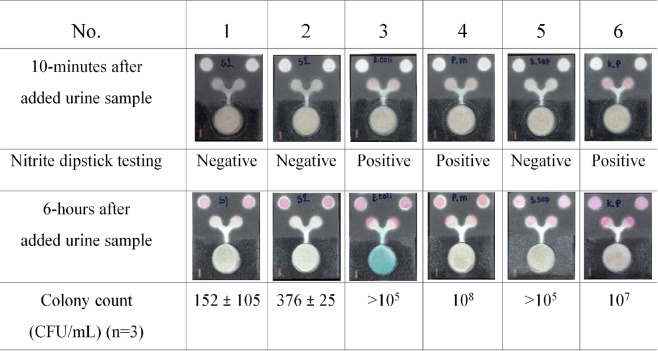
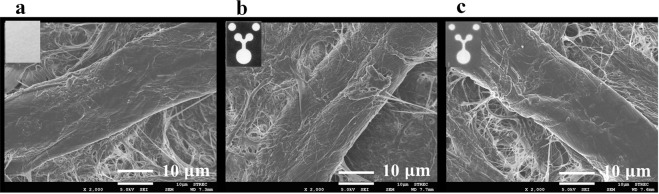
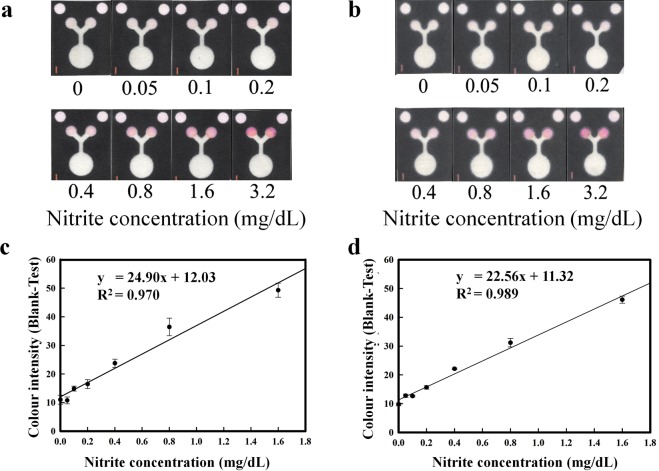
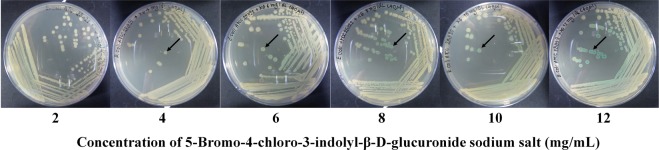
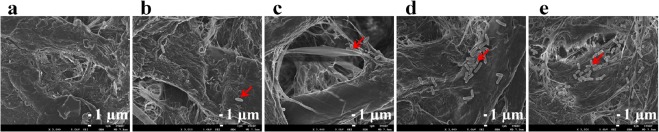
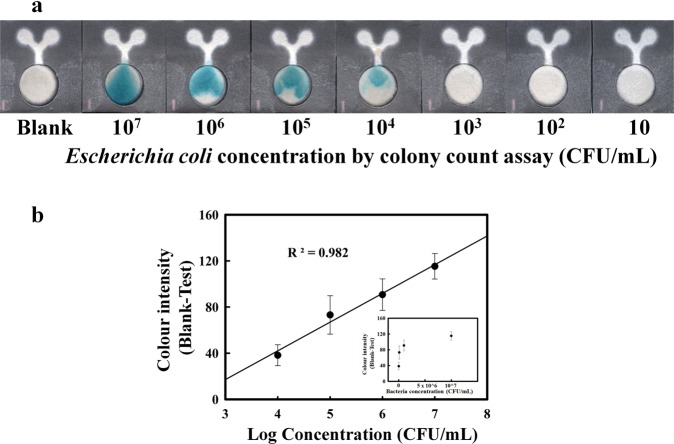
Point-of-care testing (POCT) for uropathogen detection and chemical screening has great benefits for the diagnosis of urinary tract infections (UTIs). The goal of this study was to develop a portable and inexpensive paper-based analytical device (PAD) for cultivating bacteria in situ and rapidly testing for nitrite on the same device. The PAD was fabricated using a wax printing technique to create a pattern on Whatman No. 1 filter paper, which was then combined with a cotton sheet to support bacterial growth. Nitrite detection was based on the principle of the Griess reaction, and a linear detection range of 0-1.6 mg/dL (R = 0.989) was obtained. Scanning electron microscopy (SEM) analysis demonstrated that the bacteria were able to grow and formed a cluster on the cellulose fibres within 2 hours. The enzyme β-glucuronidase, which is specifically produced by Escherichia coli, was able to convert the pre-immobilized 5-bromo-4-chloro-3-indolyl-β-D-glucuronide sodium salt (X-GlcA), a colourless substrate, generating a blue colour. Under optimum conditions, the proposed device allowed bacterial concentrations in the range of 10-10 colony forming units (CFU)/mL to be quantified within 6 hours. Moreover, the use of this device enables the identification of E. coli pathogens with selectivity in real urine samples. In conclusion, the PAD developed in this study for UTI screening provides a rapid, cost-effective diagnostic method for use in remote areas.
即时检测(POCT)用于尿病原体检测和化学筛查,对诊断尿路感染(UTIs)有很大益处。本研究的目的是开发一种便携式且经济实惠的基于纸的分析装置(PAD),用于原位培养细菌并在同一装置上快速检测亚硝酸盐。该 PAD 采用蜡印技术在沃特曼 No.1 滤纸(Whatman No.1 filter paper)上制作图案,然后与棉片结合以支持细菌生长。亚硝酸盐检测基于格里斯反应(Griess reaction)原理,得到的线性检测范围为 0-1.6mg/dL(R=0.989)。扫描电子显微镜(SEM)分析表明,细菌能够在 2 小时内在纤维素纤维内生长并形成簇。特定由大肠杆菌产生的酶β-葡糖苷酸酶(β-glucuronidase)能够将预固定的 5-溴-4-氯-3-吲哚基-β-D-葡糖苷酸钠盐(5-bromo-4-chloro-3-indolyl-β-D-glucuronide sodium salt,X-GlcA),一种无色的底物,转化为蓝色。在最佳条件下,该设备可以在 6 小时内定量检测浓度范围为 10-10 菌落形成单位(colony forming units,CFU)/mL 的细菌。此外,该设备的使用能够在实际尿液样本中具有选择性地识别大肠杆菌病原体。总之,本研究中开发的用于 UTI 筛查的 PAD 为偏远地区提供了一种快速、经济有效的诊断方法。