Tseng Hui-Wen, Li Sung-Chou, Tsai Kuo-Wang
Department of Dermatology, Kaohsiung Veterans General Hospital, Kaohsiung 81362, Taiwan.
Institute of Biomedical Sciences, National Sun Yat-Sen University, Kaohsiung 80424, Taiwan.
Cancers (Basel). 2019 Feb 11;11(2):209. doi: 10.3390/cancers11020209.
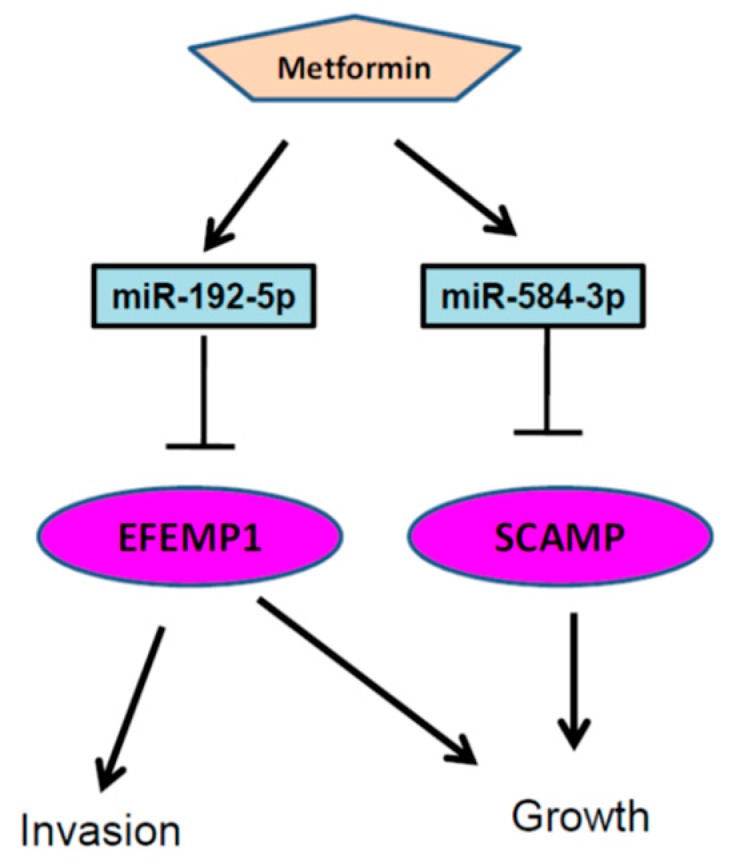
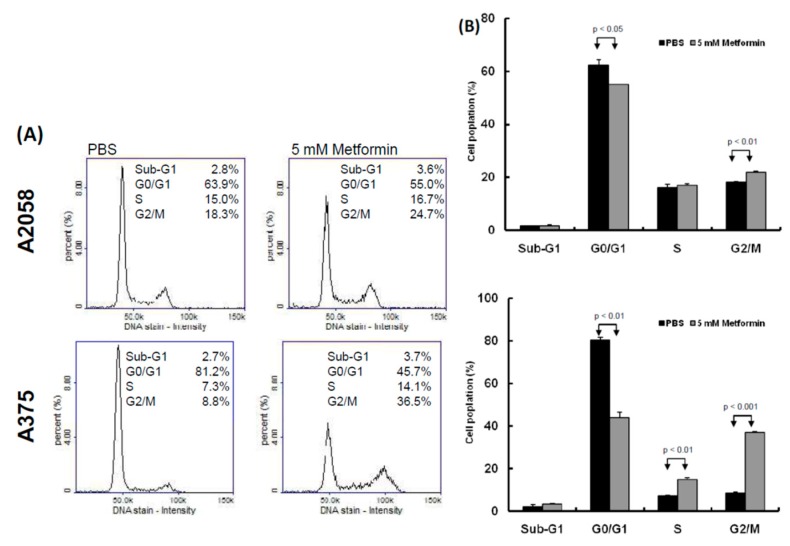
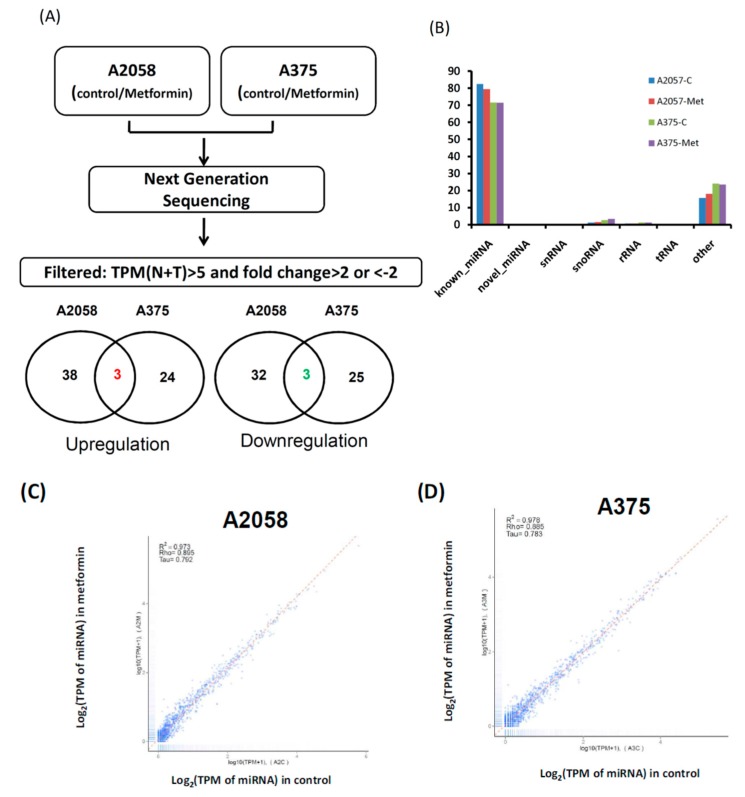
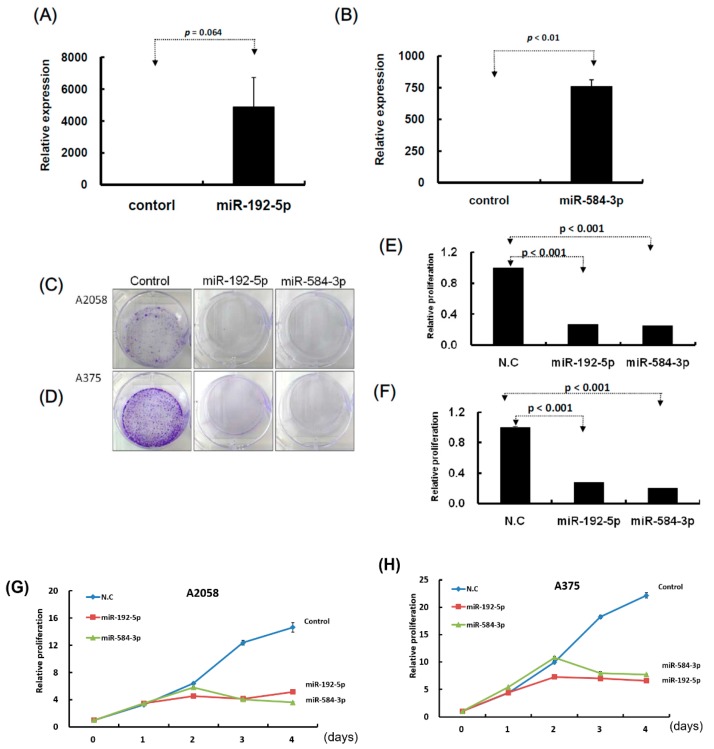
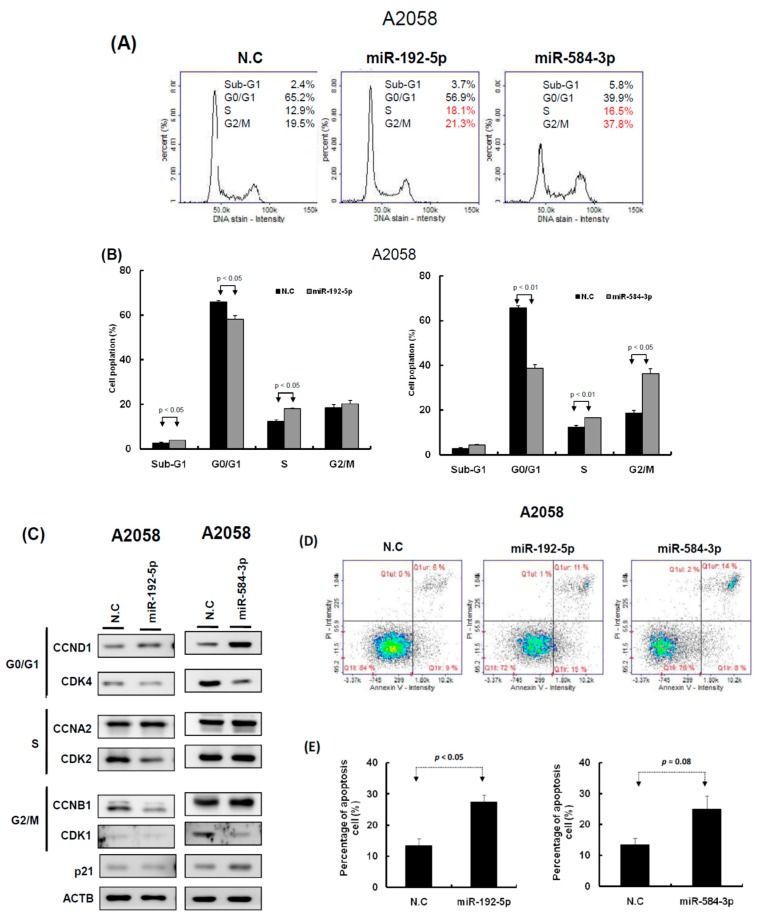
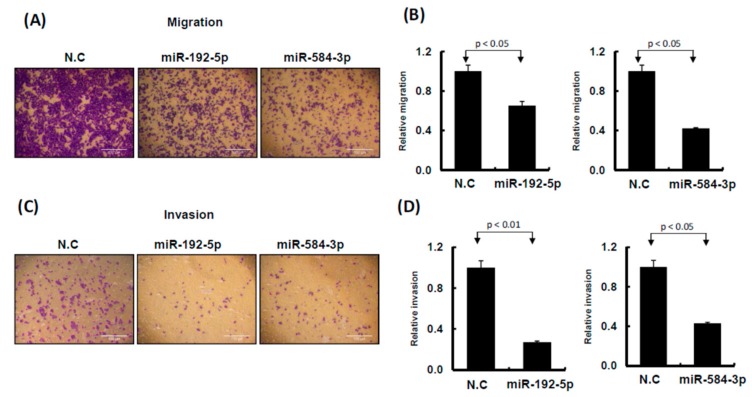
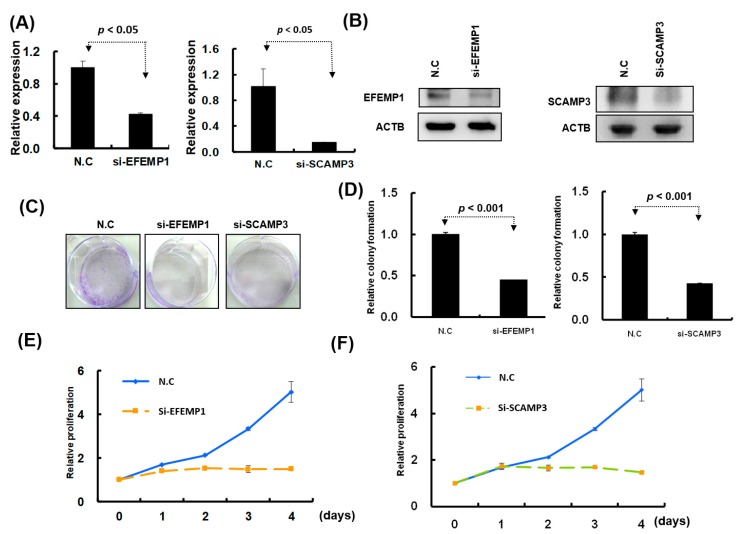
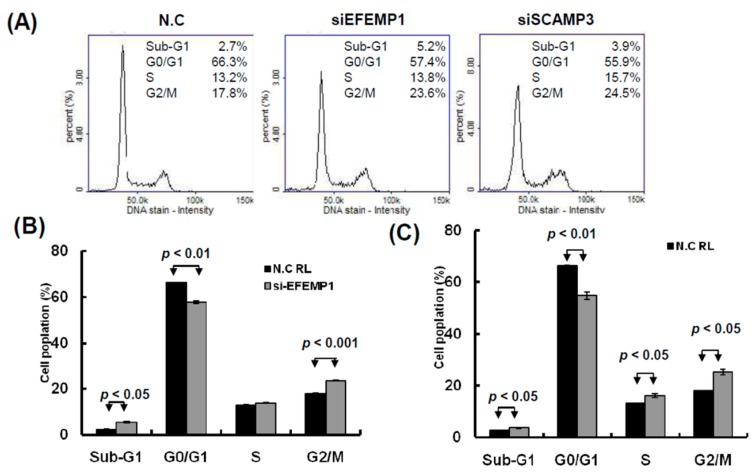
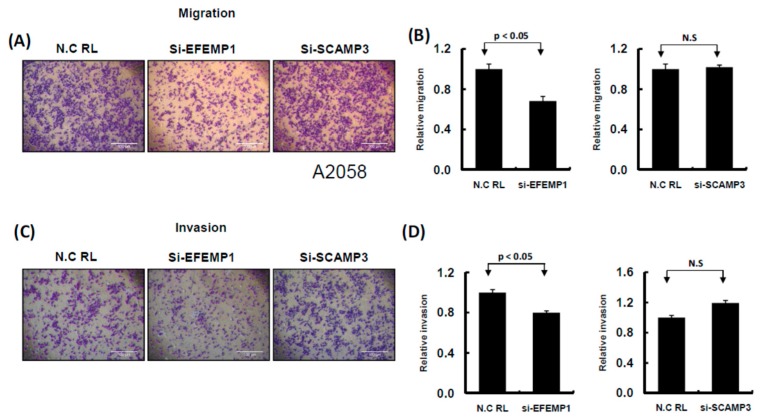
Melanoma is a highly aggressive cancer with high mortality in advanced stages.Metformin is an oral biguanide drug used for diabetes and has demonstrated positive effects oncancer prevention and treatment. Herein, we found that metformin significantly suppressedmelanoma cancer cell motility and growth through inducing cell cycle arrest at the G2/M phase andpromoting cell apoptosis. Using the next-generation sequencing approach, we identified threeupregulated microRNAs (miRNA; miR-192-5p, miR-584-3p, and miR-1246) in melanoma cellstreated with metformin. Among these, we examined the roles of miR-192-5p and miR-584-3p anddiscovered that they significantly suppressed melanoma cell motility. Furthermore, they inhibitedmelanoma cell growth through destroying cell cycle progression and inducing cell apoptosis. Usingmicroarray and bioinformatics approaches for identifying putative target genes, Epidermal growthfactor (EGF) containing fibulin-like extracellular matrix protein 1 (EFEMP1) gene for miR-192-5pand an isoform of the secretory carrier membrane proteins (SCAMP3) gene for miR-584-3p could besilenced through targeting their 3'UTR region directly. EFEMP1 and SCAMP3 knockdownsignificantly suppressed melanoma cell growth, but only EFEMP1 knockdown inhibited its motilityabilities. Our findings indicated that miR-192-5p and miR-584-3p might contribute to metformininducedgrowth and motility suppression in melanoma cells through silencing their target genesEFEMP1 and SCAMP3.
黑色素瘤是一种侵袭性很强的癌症,晚期死亡率很高。二甲双胍是一种用于治疗糖尿病的口服双胍类药物,已证明在癌症预防和治疗方面具有积极作用。在此,我们发现二甲双胍通过诱导细胞周期停滞在G2/M期和促进细胞凋亡,显著抑制黑色素瘤癌细胞的运动和生长。使用下一代测序方法,我们在接受二甲双胍治疗的黑色素瘤细胞中鉴定出三种上调的微小RNA(miRNA;miR-192-5p、miR-584-3p和miR-1246)。其中,我们研究了miR-192-5p和miR-584-3p的作用,发现它们显著抑制黑色素瘤细胞的运动。此外,它们通过破坏细胞周期进程和诱导细胞凋亡来抑制黑色素瘤细胞的生长。使用微阵列和生物信息学方法来鉴定潜在的靶基因,miR-192-5p的含表皮生长因子(EGF)的纤连蛋白样细胞外基质蛋白1(EFEMP1)基因和miR-584-3p的分泌载体膜蛋白(SCAMP3)基因的一种同工型可通过直接靶向其3'UTR区域而被沉默。EFEMP1和SCAMP3的敲低显著抑制黑色素瘤细胞的生长,但只有EFEMP1的敲低抑制其运动能力。我们的研究结果表明,miR-192-5p和miR-584-3p可能通过沉默其靶基因EFEMP1和SCAMP3,在二甲双胍诱导的黑色素瘤细胞生长和运动抑制中发挥作用。