Institute of Physics, Department of Biophysics and Medical Physics , Nicolaus Copernicus University , 87-100 Torun , Poland.
Laboratory of Navigational Redox Lipidomics , I M Sechenov Moscow State Medical University , Moskva 119146 , Russia.
J Chem Inf Model. 2019 May 28;59(5):2496-2508. doi: 10.1021/acs.jcim.9b00006. Epub 2019 Feb 28.
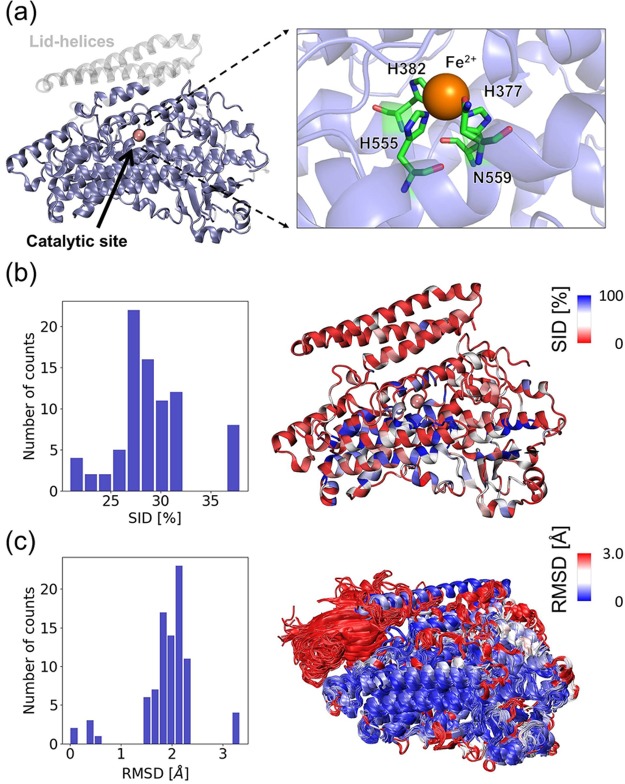
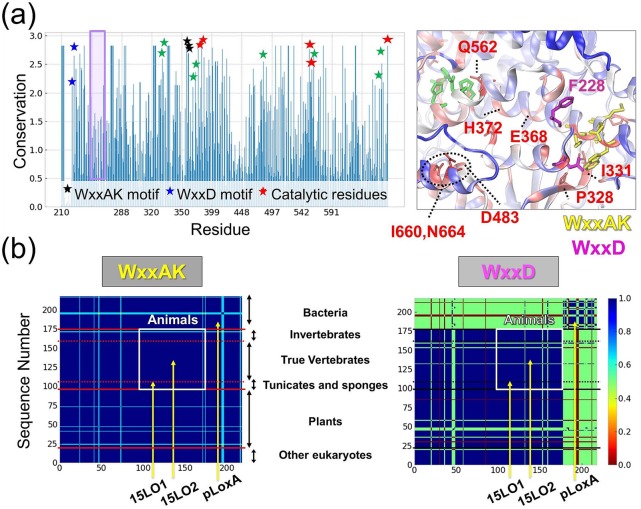
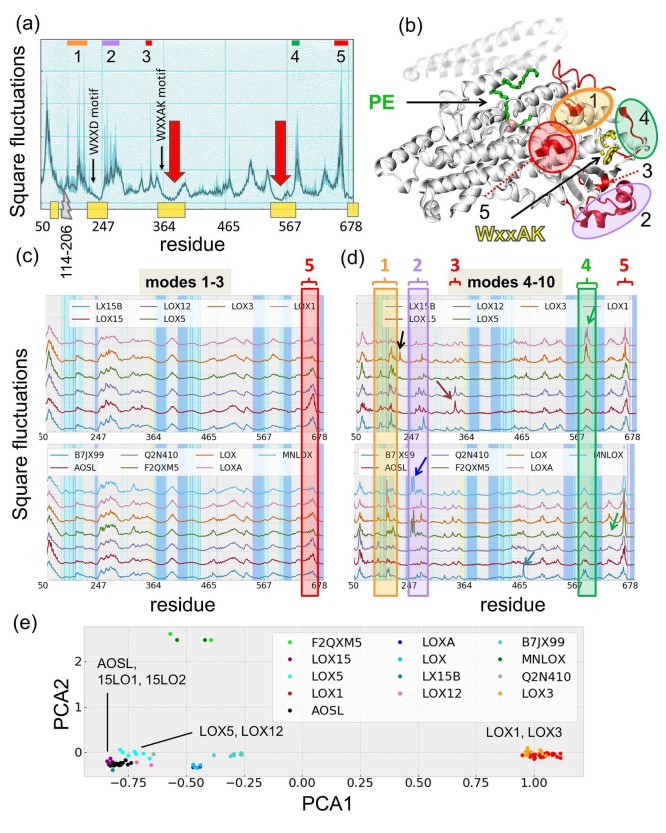
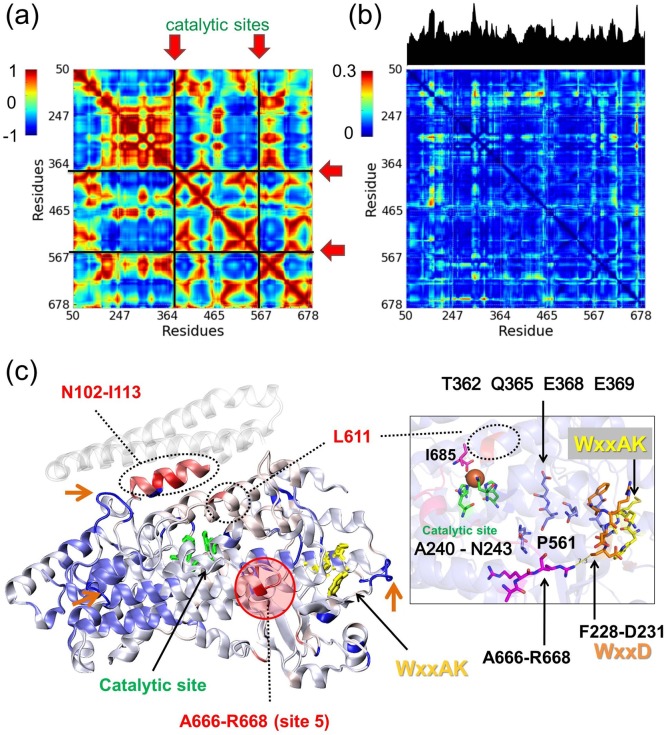
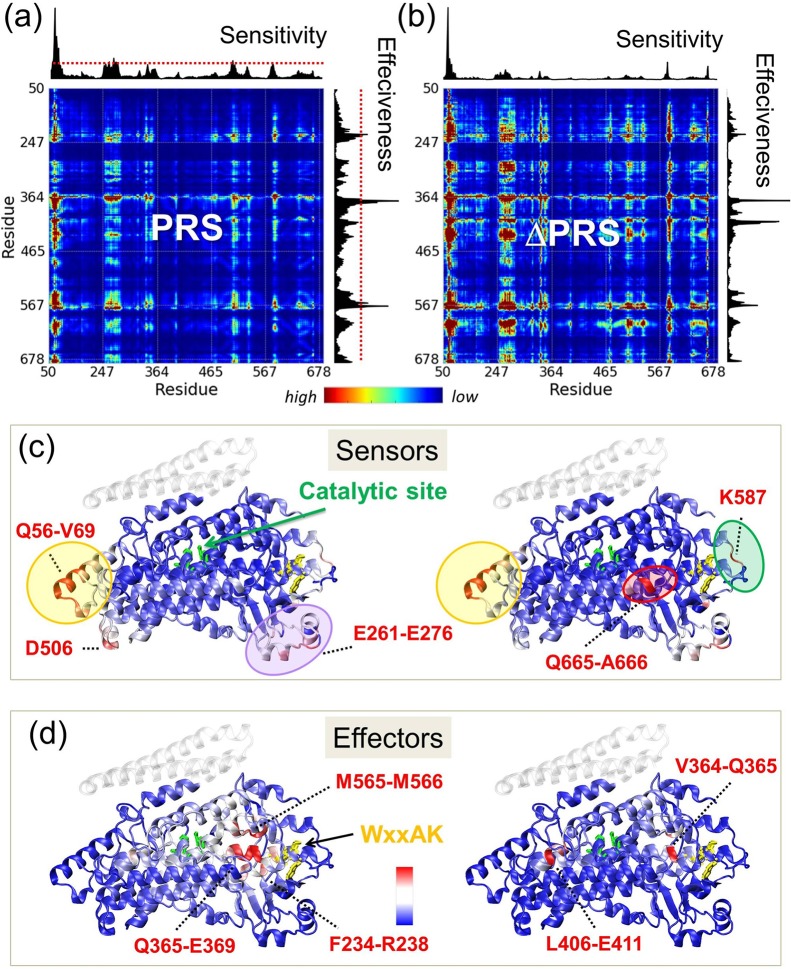
Accurate modeling of structural dynamics of proteins and their differentiation across different species can help us understand generic mechanisms of function shared by family members and the molecular basis of the specificity of individual members. We focused here on the family of lipoxygenases, enzymes that catalyze lipid oxidation, the mammalian and bacterial structures of which have been elucidated. We present a systematic method of approach for characterizing the sequence, structure, dynamics, and allosteric signaling properties of these enzymes using a combination of structure-based models and methods and bioinformatics tools applied to a data set of 88 structures. The analysis elucidates the signature dynamics of the lipoxygenase family and its differentiation among members, as well as key sites that enable its adaptation to specific substrate binding and allosteric activity.
准确地模拟蛋白质的结构动力学及其在不同物种间的差异,有助于我们理解家族成员之间共享的功能的一般机制和个体成员特异性的分子基础。我们在这里关注的是脂氧合酶家族,这些酶催化脂质氧化,其哺乳动物和细菌结构已经阐明。我们使用基于结构的模型和方法以及生物信息学工具的组合,针对 88 个结构的数据集,提出了一种系统的方法来描述这些酶的序列、结构、动力学和变构信号特性。该分析阐明了脂氧合酶家族的特征动力学及其在成员之间的差异,以及使其能够适应特定底物结合和变构活性的关键位点。