a Emergency Nursing and Critical Care Nursing Department , Universitas Padjadjaran , Bandung , Indonesia.
b Postgraduate Research Coordinator , Queensland University of Technology , Brisbane , Australia.
Int J Qual Stud Health Well-being. 2019 Dec;14(1):1563429. doi: 10.1080/17482631.2018.1563429.
While emergency department nurses in Indonesia are critical to quality care, the role lacks recognition and standard practices and regulation of scope of practice are absent. This research explored the role of nurses in Indonesian EDs.
The conceptual lens applied in the research was grounded theory. The main data source was 51 semi- structured interviews with 43 ED nurses, three directors of nursing, three nurse leaders and two nurse educators. Data were also generated through observations and memos.
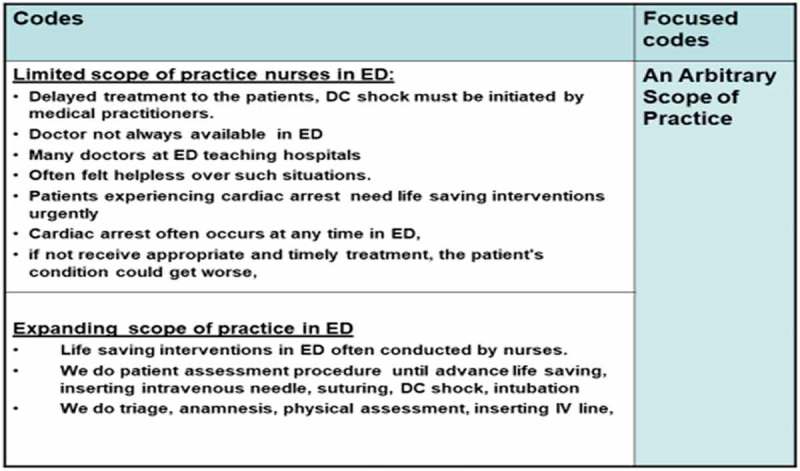
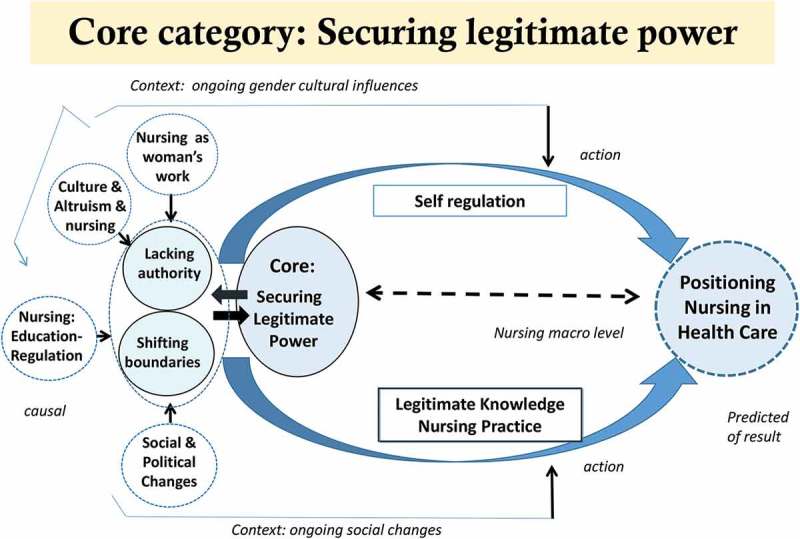
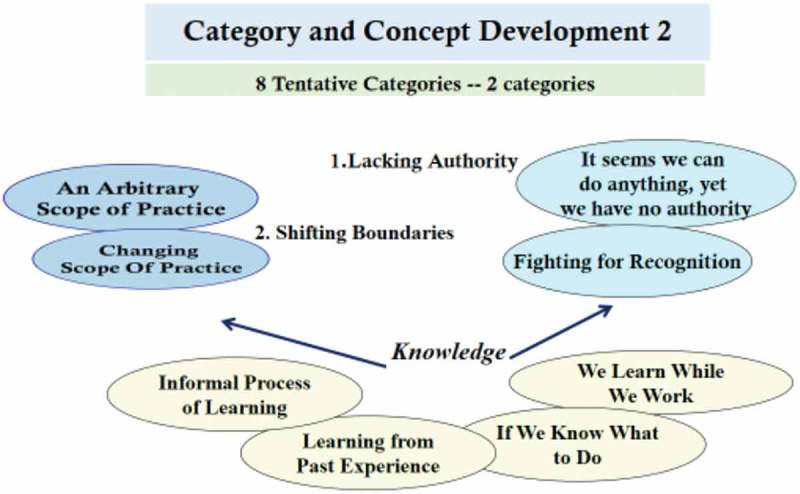
Two key categories were constructed; shifting work boundaries and lack of authority. Shifting work boundaries was symbolic of a lack of professional authority and legitimized knowledge. Lack of authority reflected the dimension of professional autonomy through the nexus of power and knowledge. The interrelationship of these two concepts constructed a core category, securing legitimate power, which underpinned the positioning of nursing in Indonesia.
The interconnection between political gains, tertiary knowledge, professional regulation and implementation of gender-sensitive policies was critical to the development of the ED role, the positioning of nursing within the health care system and improvement in quality of care.
印度尼西亚的急诊室护士对护理质量至关重要,但该角色未得到认可,且其执业范围的规范和标准也缺失。本研究旨在探讨印度尼西亚急诊室护士的角色。
本研究应用的概念视角为扎根理论。主要的数据来源是对 43 名急诊室护士、3 名护理主任、3 名护理领导和 2 名护理教育者进行的 51 次半结构化访谈。还通过观察和备忘录生成了数据。
构建了两个关键类别;工作边界的转移和缺乏权威。工作边界的转移象征着缺乏专业权威和合法化的知识。缺乏权威反映了通过权力和知识的关系体现的专业自主性维度。这两个概念的相互关系构建了一个核心类别,即确保合法权力,这为印度尼西亚的护理定位奠定了基础。
政治收益、高等知识、专业监管以及实施对性别敏感的政策之间的相互关联,对急诊室角色的发展、护理在医疗保健系统中的定位以及护理质量的提高至关重要。