Rosenberg Merilin, Ilić Krunoslav, Juganson Katre, Ivask Angela, Ahonen Merja, Vinković Vrček Ivana, Kahru Anne
Laboratory of Environmental Toxicology, National Institute of Chemical Physics and Biophysics, Tallinn, Estonia.
Department of Chemistry and Biotechnology, Tallinn University of Technology, Tallinn, Estonia.
PeerJ. 2019 Feb 11;7:e6315. doi: 10.7717/peerj.6315. eCollection 2019.
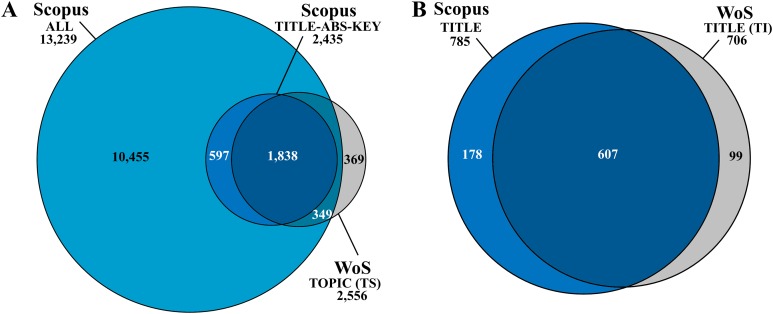
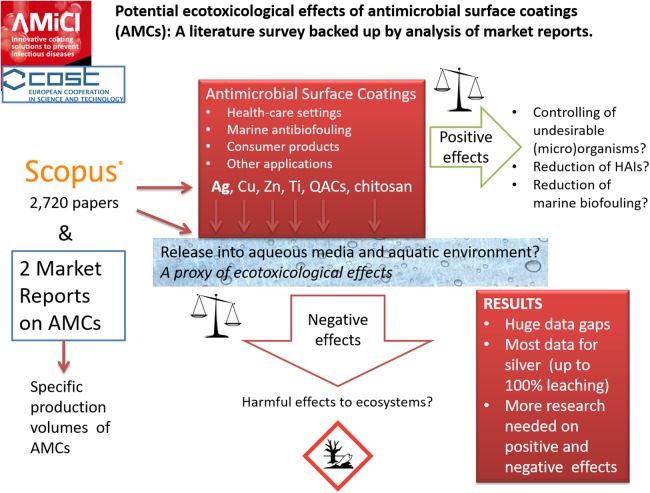
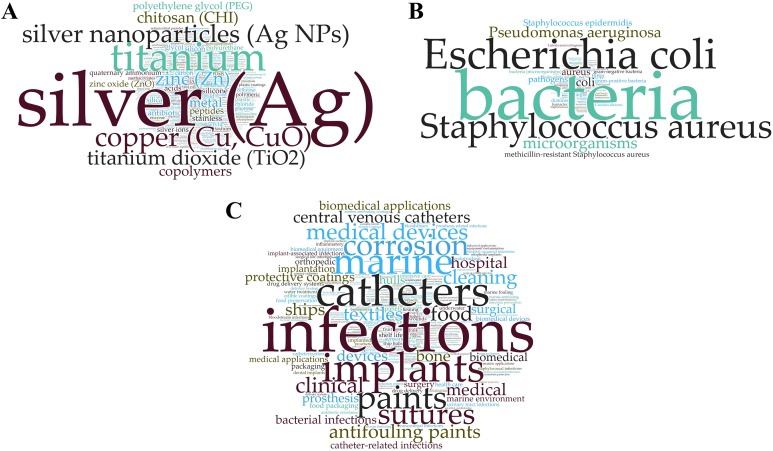
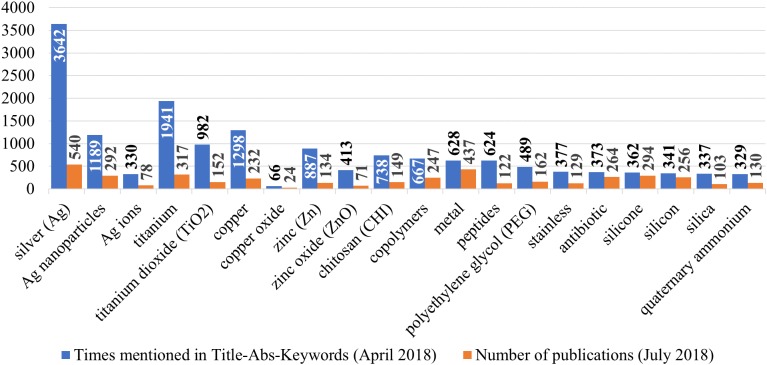
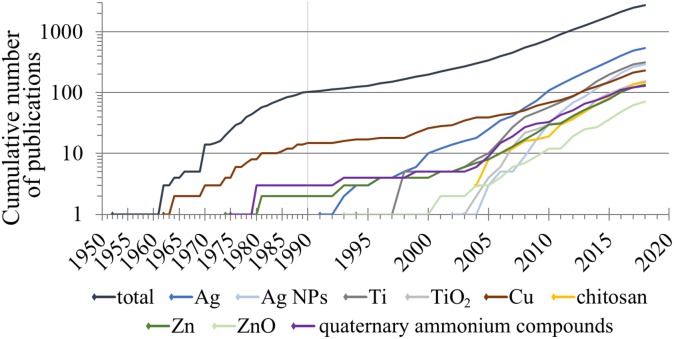
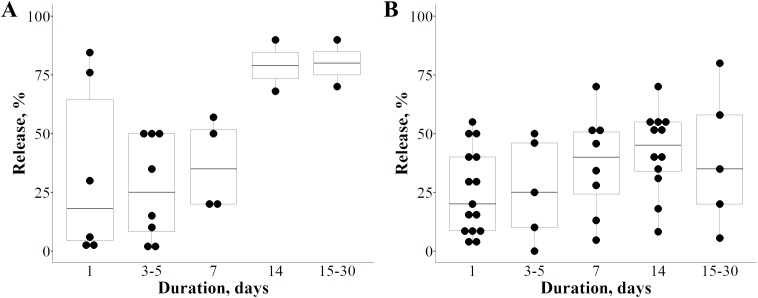
This review was initiated by the COST action CA15114 AMICI "Anti-Microbial Coating Innovations to prevent infectious diseases," where one important aspect is to analyze ecotoxicological impacts of antimicrobial coatings (AMCs) to ensure their sustainable use. Scopus database was used to collect scientific literature on the types and uses of AMCs, while market reports were used to collect data on production volumes. Special attention was paid on data obtained for the release of the most prevalent ingredients of AMCs into the aqueous phase that was used as the proxy for their possible ecotoxicological effects. Based on the critical analysis of 2,720 papers, it can be concluded that silver-based AMCs are by far the most studied and used coatings followed by those based on titanium, copper, zinc, chitosan and quaternary ammonium compounds. The literature analysis pointed to biomedicine, followed by marine industry, construction industry (paints), food industry and textiles as the main fields of application of AMCs. The published data on ecotoxicological effects of AMCs was scarce, and also only a small number of the papers provided information on release of antimicrobial ingredients from AMCs. The available release data allowed to conclude that silver, copper and zinc are often released in substantial amounts (up to 100%) from the coatings to the aqueous environment. Chitosan and titanium were mostly not used as active released ingredients in AMCs, but rather as carriers for other release-based antimicrobial ingredients (e.g., conventional antibiotics). While minimizing the prevalence of healthcare-associated infections appeared to be the most prosperous field of AMCs application, the release of environmentally hazardous ingredients of AMCs into hospital wastewaters and thus, also the environmental risks associated with AMCs, comprise currently only a fraction of the release and risks of traditional disinfectants. However, being proactive, while the use of antimicrobial/antifouling coatings could currently pose ecotoxicological effects mainly in marine applications, the broad use of AMCs in other applications like medicine, food packaging and textiles should be postponed until reaching evidences on the (i) profound efficiency of these materials in controlling the spread of pathogenic microbes and (ii) safety of AMCs for the human and ecosystems.
本综述由COST行动CA15114“预防传染病的抗菌涂层创新”发起,其中一个重要方面是分析抗菌涂层(AMC)的生态毒理学影响,以确保其可持续使用。使用Scopus数据库收集有关AMC类型和用途的科学文献,同时使用市场报告收集产量数据。特别关注AMC最常见成分释放到水相的数据,以此作为其可能的生态毒理学影响的代表。基于对2720篇论文的批判性分析,可以得出结论,银基AMC是目前研究和使用最多的涂层,其次是基于钛、铜、锌、壳聚糖和季铵化合物的涂层。文献分析指出,生物医药领域是AMC的主要应用领域,其次是海洋工业、建筑业(涂料)、食品工业和纺织业。关于AMC生态毒理学影响的已发表数据很少,而且只有少数论文提供了AMC抗菌成分释放的信息。现有释放数据表明,银、铜和锌通常会大量(高达100%)从涂层释放到水环境中。壳聚糖和钛在AMC中大多不作为活性释放成分,而是作为其他基于释放的抗菌成分(如传统抗生素)的载体。虽然将医疗相关感染的发生率降至最低似乎是AMC应用最繁荣的领域,但AMC对环境有害的成分释放到医院废水中,因此与AMC相关的环境风险目前仅占传统消毒剂释放和风险的一小部分。然而,积极主动地看,虽然抗菌/防污涂层目前可能主要在海洋应用中产生生态毒理学影响,但在获得关于(i)这些材料在控制致病微生物传播方面的显著效率和(ii)AMC对人类和生态系统安全性的证据之前,应推迟在医学、食品包装和纺织等其他应用中广泛使用AMC。