Weiskirchen Ralf, Weiskirchen Sabine, Kim Philipp, Winkler Robert
Institute of Molecular Pathobiochemistry, Experimental Gene Therapy and Clinical Chemistry (IFMPEGKC), RWTH University Hospital Aachen, 52074, Aachen, Germany.
Department of Biochemistry and Biotechnology, Center for Research and Advanced Studies (CINVESTAV) Irapuato, Km. 9.6 Libramiento Norte Carr. Irapuato-León, 36824, Irapuato, Gto., Mexico.
J Cheminform. 2019 Feb 18;11(1):16. doi: 10.1186/s13321-019-0338-7.
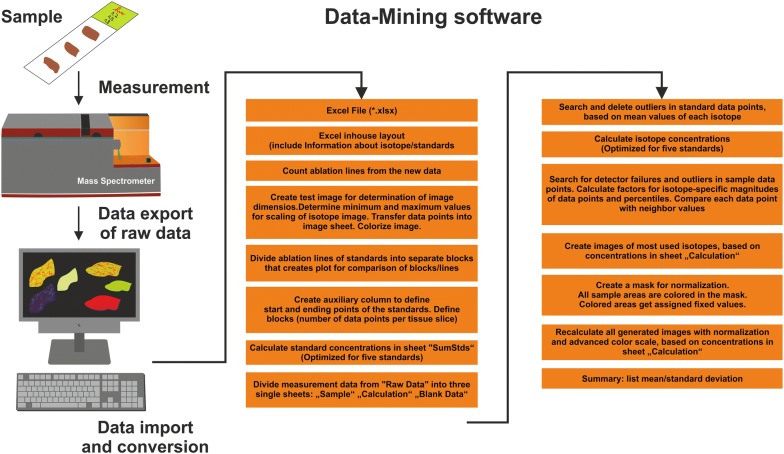
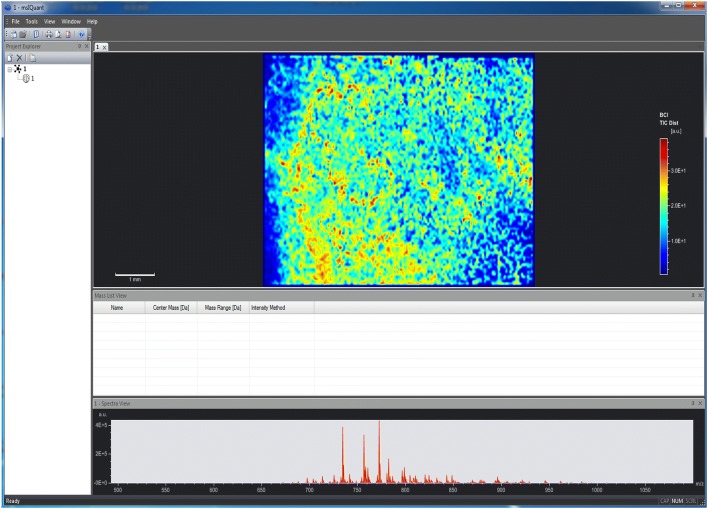
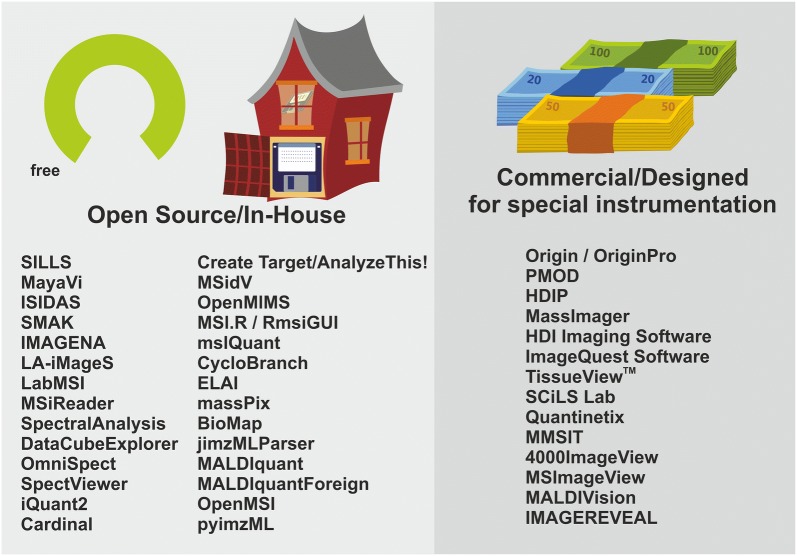
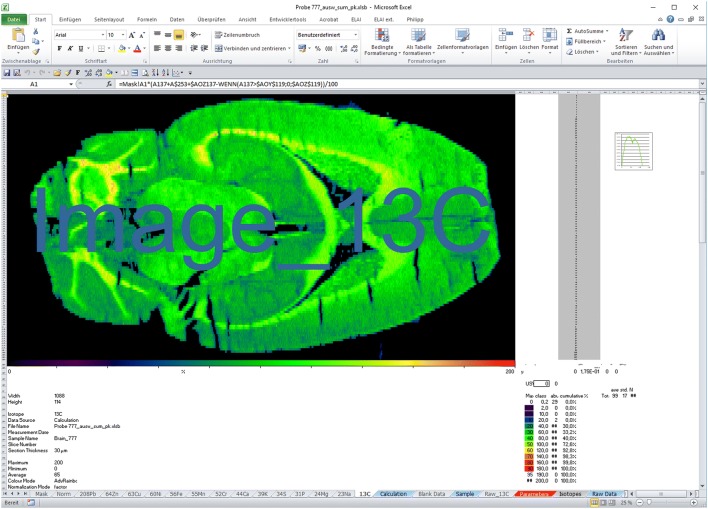
Mass spectrometry imaging (MSI) using laser ablation (LA) inductively coupled plasma (ICP) is an innovative and exciting methodology to perform highly sensitive elemental analyses. LA-ICP-MSI of metals, trace elements or isotopes in tissues has been applied to a range of biological samples. Several LA-ICP-MSI studies have shown that metals have a highly compartmentalized distribution in some organs, which might be altered in consequence of genetic diseases, intoxication, or malnutrition. Although metal imaging by LA-ICP-MSI is an established methodology, potential pitfalls in the determination of metal concentrations might result from erroneous calibration, standardization, and normalization. In addition, for simple display of final imaging results, most LA-ICP-MSI users prefer to process their measurements by commercial processing software. Such programs typically visualize the regional metal differences in colorful and vivid imaging maps, but might not represent the actual signal densities correctly. There is a great abundance of such MSI data processing programs available differing in quality, usability, integrated features, workflow, reliability, system requirements, speed of data processing, and price. Some software packages contain a multitude of features which are superfluous for most users. In contrast, often only few data formats are used, in case of commercial programs even only the instrument provider's own raw data format. Therefore, first time and average users are often confused and helpless in choosing the correct software for processing their data. Here we have briefly summarized software packages, data routines, macros, programming tools, scripts, algorithms, or self-written patches and updates for existing programs presently in use for mining LA-ICP-MSI data.
使用激光烧蚀(LA)电感耦合等离子体(ICP)的质谱成像(MSI)是一种用于进行高灵敏度元素分析的创新且令人兴奋的方法。对组织中的金属、微量元素或同位素进行LA-ICP-MSI已应用于一系列生物样品。多项LA-ICP-MSI研究表明,金属在某些器官中具有高度分区化的分布,而这种分布可能会因遗传疾病、中毒或营养不良而改变。尽管通过LA-ICP-MSI进行金属成像已是一种成熟的方法,但在金属浓度测定中,错误的校准、标准化和归一化可能会导致潜在的问题。此外,为了简单展示最终成像结果,大多数LA-ICP-MSI用户更喜欢使用商业处理软件来处理他们的测量数据。这类程序通常会在色彩鲜艳、生动的成像图中可视化区域金属差异,但可能无法正确呈现实际信号密度。有大量此类MSI数据处理程序可供选择,它们在质量、可用性、集成功能、工作流程、可靠性、系统要求、数据处理速度和价格等方面存在差异。一些软件包包含许多对大多数用户来说多余的功能。相比之下,通常只使用很少的数据格式,对于商业程序而言,甚至只使用仪器供应商自己的原始数据格式。因此,初次使用和普通用户在选择正确的软件来处理他们的数据时常常感到困惑和无助。在此,我们简要总结了目前用于挖掘LA-ICP-MSI数据的软件包、数据例程、宏、编程工具、脚本、算法,或针对现有程序的自编补丁和更新。