Division of Microbiology, Tulane National Primate Research Center, Covington, Louisiana, USA.
Division of Veterinary Medicine, Tulane National Primate Research Center, Covington, Louisiana, USA.
Antimicrob Agents Chemother. 2019 Apr 25;63(5). doi: 10.1128/AAC.02049-18. Print 2019 May.
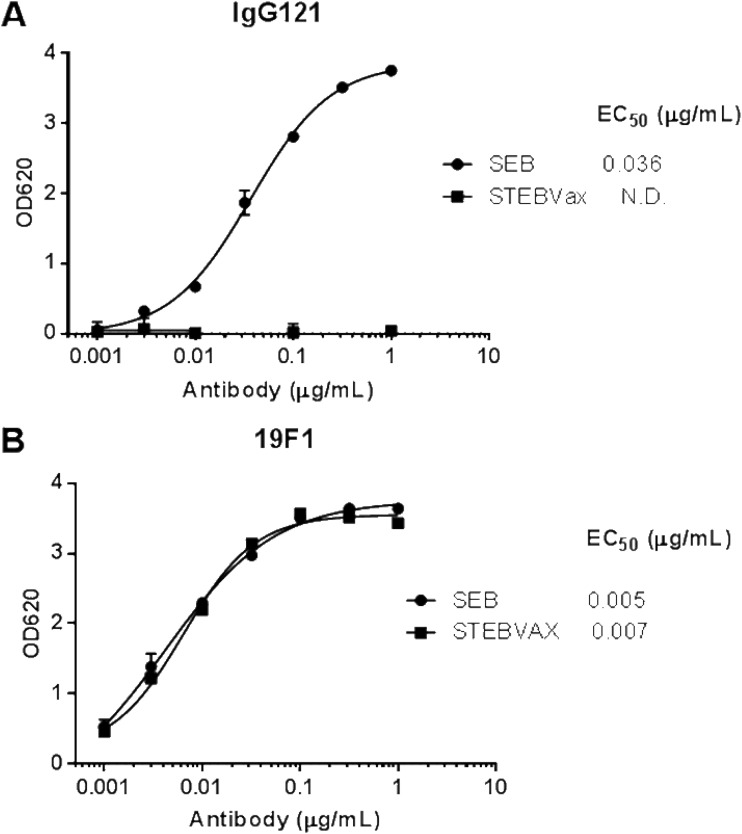
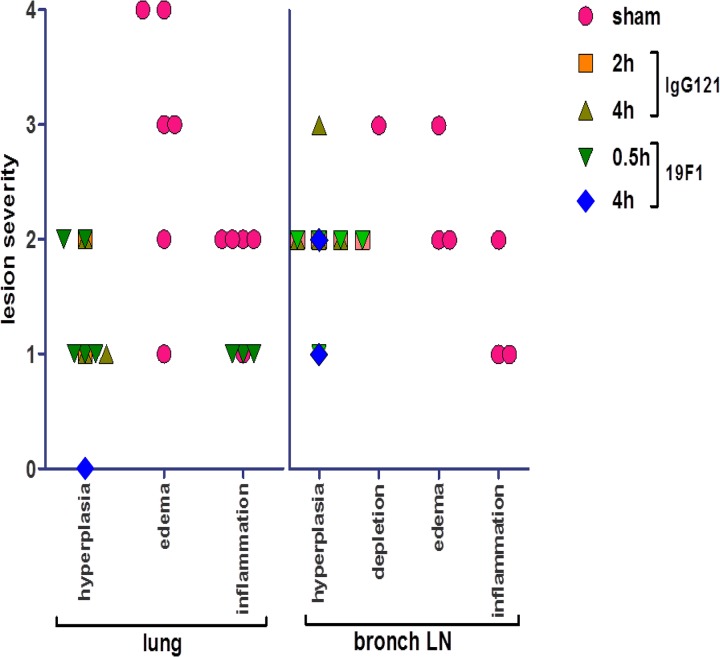
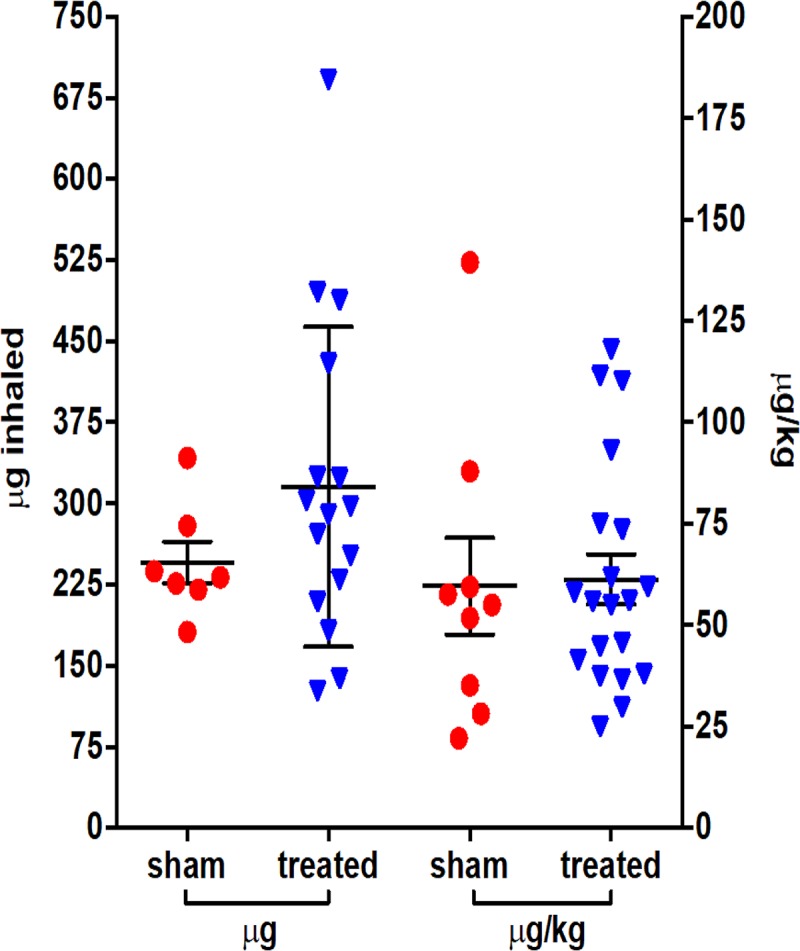
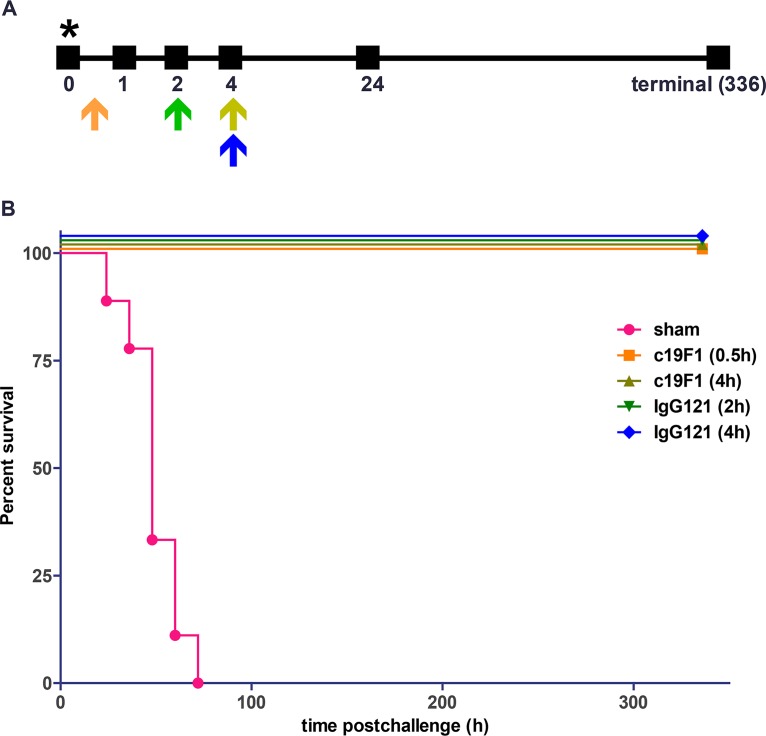
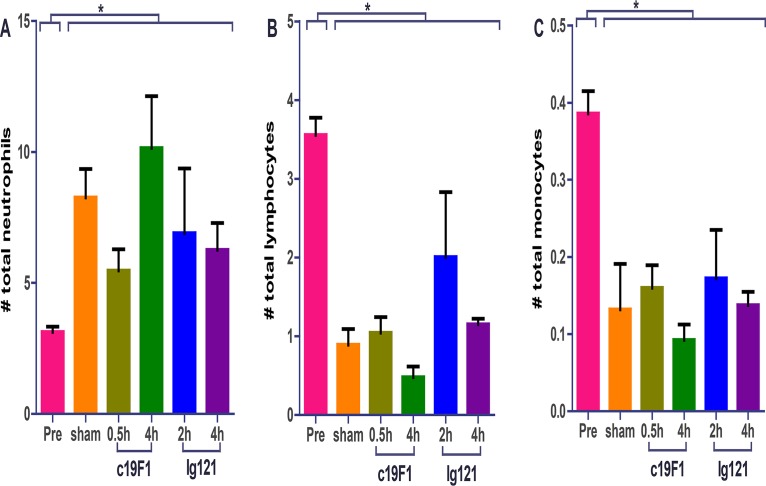
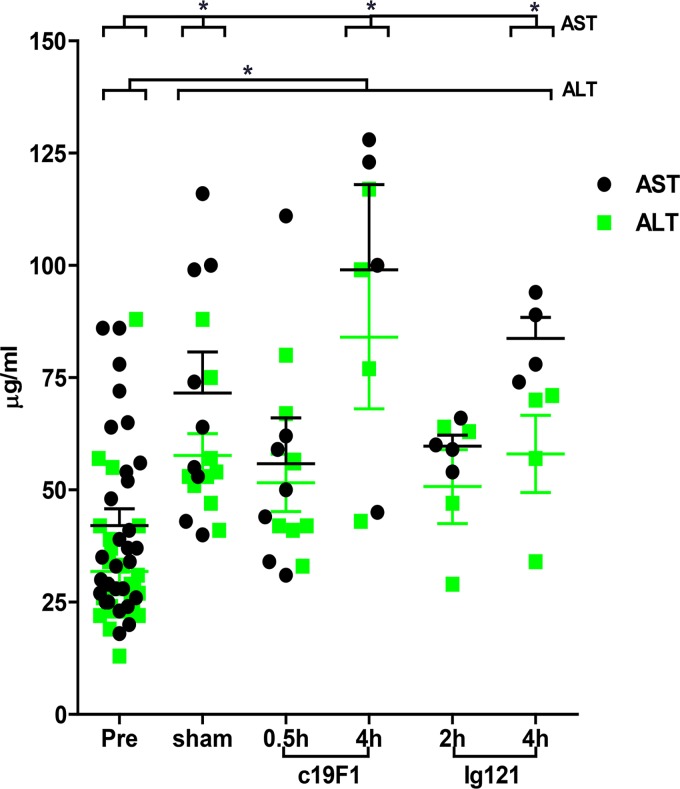
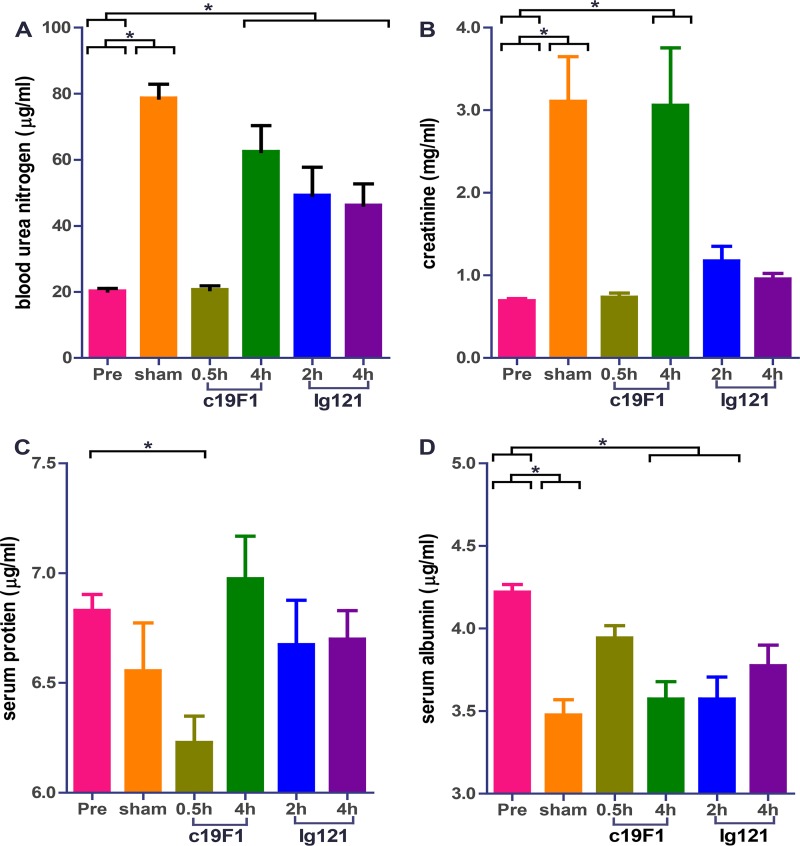
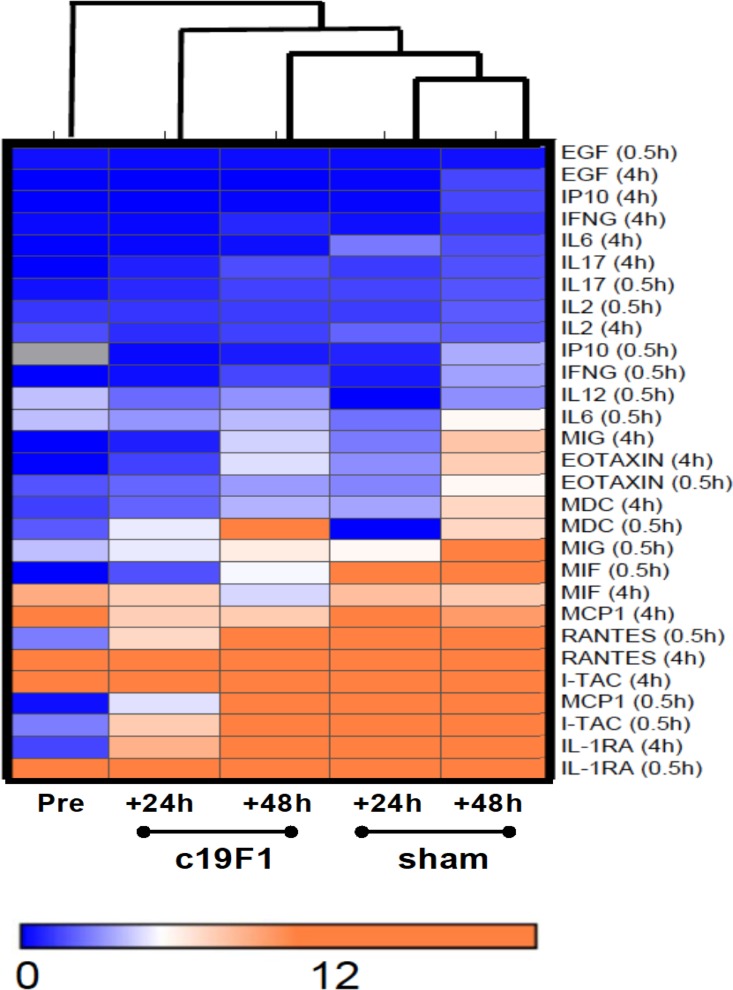
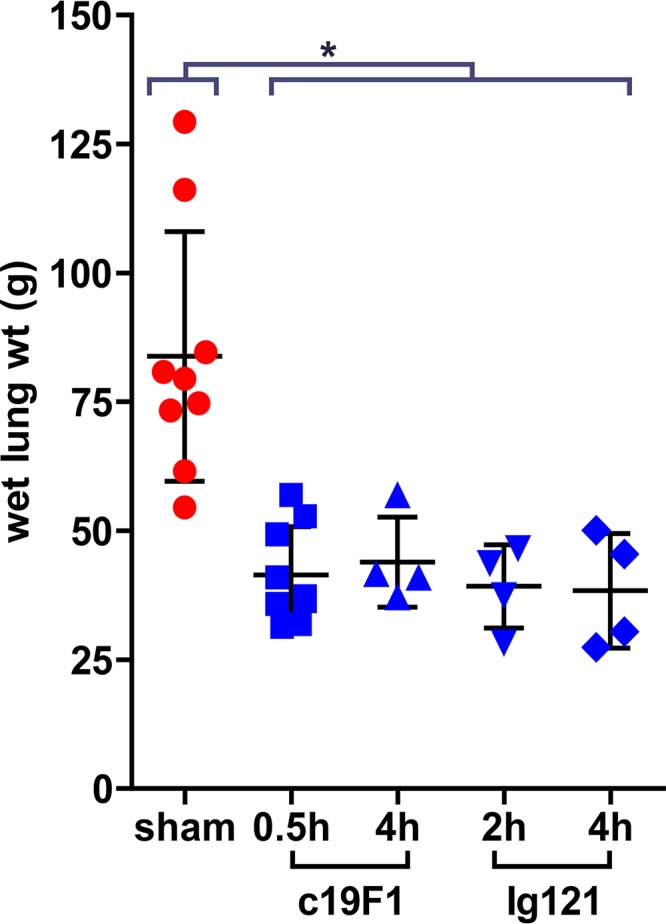
Staphylococcal enterotoxin B (SEB) is a protein exotoxin found on the cell surface of that is the source for multiple pathologies in humans. When purified and concentrated in aerosol form, SEB can cause an acute and often fatal intoxication and thus is considered a biological threat agent. There are currently no vaccines or treatments approved for human use. Studies with rodent models of SEB intoxication show that antibody therapy may be a promising treatment strategy; however, many have used antibodies only prophylactically or well before any clinical signs of intoxication are apparent. We assessed and compared the protective efficacies of two monoclonal antibodies, Ig121 and c19F1, when administered after aerosol exposure in a uniformly lethal nonhuman primate model of SEB intoxication. Rhesus macaques were challenged using small-particle aerosols of SEB and then were infused intravenously with a single dose of either Ig121 or c19F1 (10 mg/kg of body weight) at either 0.5, 2, or 4 h postexposure. Onset of clinical signs and hematological and cytokine response in untreated controls confirmed the acute onset and potency of the toxin used in the challenge. All animals administered either Ig121 or c19F1 survived SEB challenge, whereas the untreated controls succumbed to SEB intoxication 30 to 48 h postexposure. These results represent the successful therapeutic protection by two investigational drugs against SEB in a severe nonhuman primate disease model and punctuate the therapeutic value of monoclonal antibodies when faced with treatment options for SEB-induced toxicity in a postexposure setting.
葡萄球菌肠毒素 B(SEB)是一种存在于细胞表面的蛋白外毒素,是人类多种疾病的根源。当以气溶胶形式被纯化和浓缩时,SEB 可导致急性且常致命的中毒,因此被视为生物威胁剂。目前尚无针对人类使用的疫苗或治疗方法。SEB 中毒啮齿动物模型研究表明,抗体疗法可能是一种有前途的治疗策略;然而,许多研究仅在预防性或在任何中毒临床症状明显之前使用抗体。我们评估并比较了两种单克隆抗体 Ig121 和 c19F1 在 SEB 中毒非人类灵长类动物模型中气溶胶暴露后给药的保护效力。恒河猴通过 SEB 小颗粒气溶胶进行挑战,然后在暴露后 0.5、2 或 4 小时静脉内单次输注 10 mg/kg 体重的 Ig121 或 c19F1。未治疗对照动物的临床症状和血液学及细胞因子反应的出现证实了所使用毒素的急性发作和效力。所有接受 Ig121 或 c19F1 治疗的动物均存活下来,而未治疗对照动物在暴露后 30 至 48 小时死于 SEB 中毒。这些结果代表了两种研究药物在严重非人类灵长类疾病模型中对 SEB 的成功治疗保护,并强调了单克隆抗体在暴露后 SEB 诱导毒性的治疗选择中具有治疗价值。