Department of Political Science, University of Central Florida, Orlando, FL, 32816, USA.
Sustainable Coastal Systems Cluster, National Center of Integrated Coastal Research, University of Central Florida, Orlando, FL, 32816, USA.
Nat Commun. 2019 Feb 20;10(1):875. doi: 10.1038/s41467-019-08549-8.
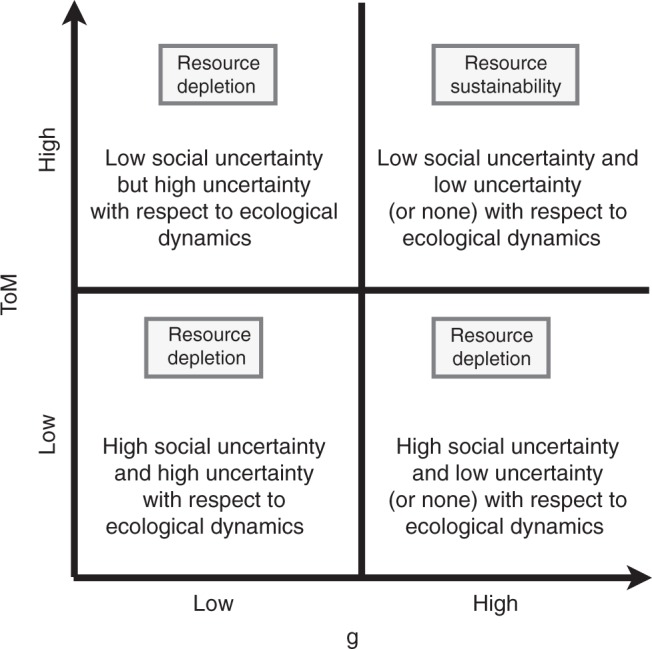
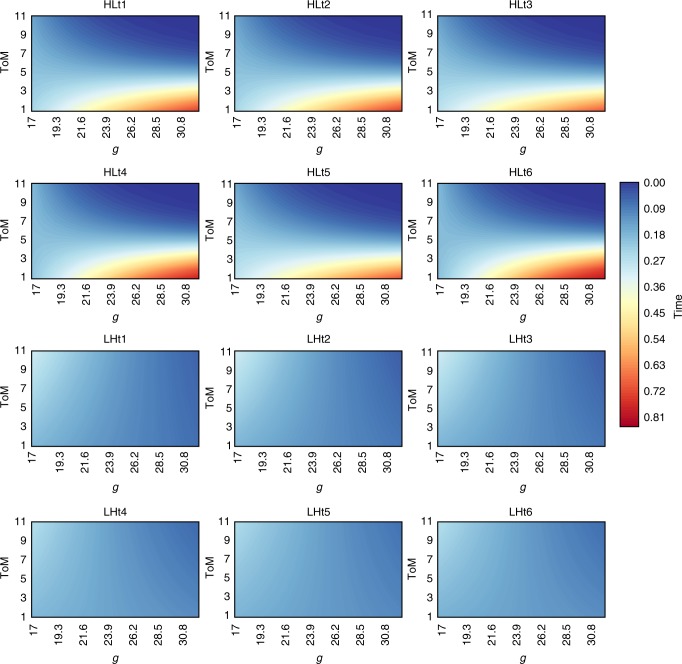
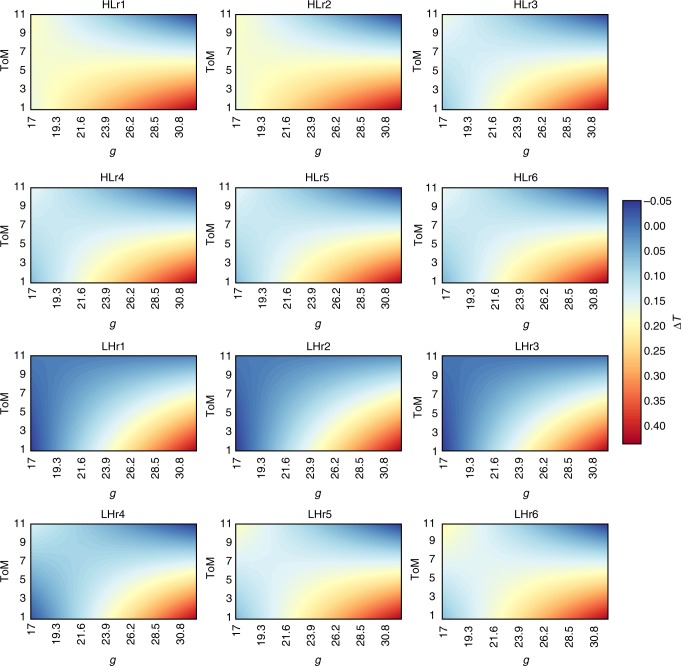
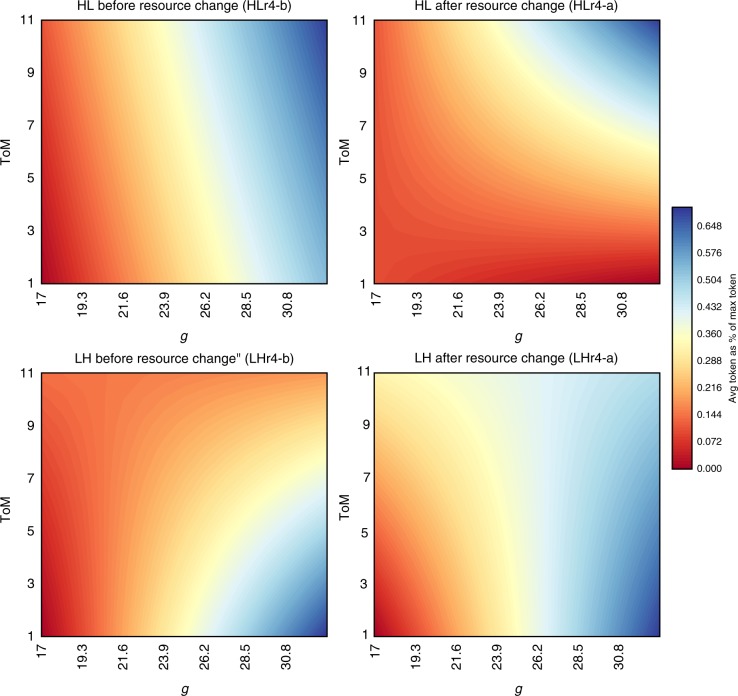
Cognitive abilities underpin the capacity of individuals to build models of their environment and make decisions about how to govern resources. Here, we test the functional intelligences proposition that functionally diverse cognitive abilities within a group are critical to govern common pool resources. We assess the effect of two cognitive abilities, social and general intelligence, on group performance on a resource harvesting and management game involving either a negative or a positive disturbance to the resource base. Our results indicate that under improving conditions (positive disturbance) groups with higher general intelligence perform better. However, when conditions deteriorate (negative disturbance) groups with high competency in both general and social intelligence are less likely to deplete resources and harvest more. Thus, we propose that a functional diversity of cognitive abilities improves how effectively social groups govern common pool resources, especially when conditions deteriorate and groups need to re-evaluate and change their behaviors.
认知能力是个体构建环境模型和决定如何管理资源的能力基础。在这里,我们检验了功能多样性认知能力对共同资源管理的重要性这一理论,即群体内部功能多样化的认知能力对管理共同资源至关重要。我们评估了两种认知能力,即社会智能和一般智能,对涉及资源基础负向或正向干扰的资源收获和管理游戏中群体表现的影响。结果表明,在条件改善(正向干扰)的情况下,一般智能较高的群体表现更好。然而,当条件恶化(负向干扰)时,一般智能和社会智能都较高的群体不太可能耗尽资源,反而会收获更多。因此,我们提出,认知能力的功能多样性可以提高社会群体管理共同资源的有效性,尤其是当条件恶化时,群体需要重新评估和改变行为。