Inria Sophia Antipolis Méditerranée Research Centre, MathNeuro Team, 2004 route des Lucioles-Boîte Postale 93 06902 Sophia Antipolis, Cedex, France.
CNR - Consiglio Nazionale delle Ricerche - Istituto dei Sistemi Complessi, 50019, Sesto Fiorentino, Italy.
PLoS Comput Biol. 2019 Feb 25;15(2):e1006805. doi: 10.1371/journal.pcbi.1006805. eCollection 2019 Feb.
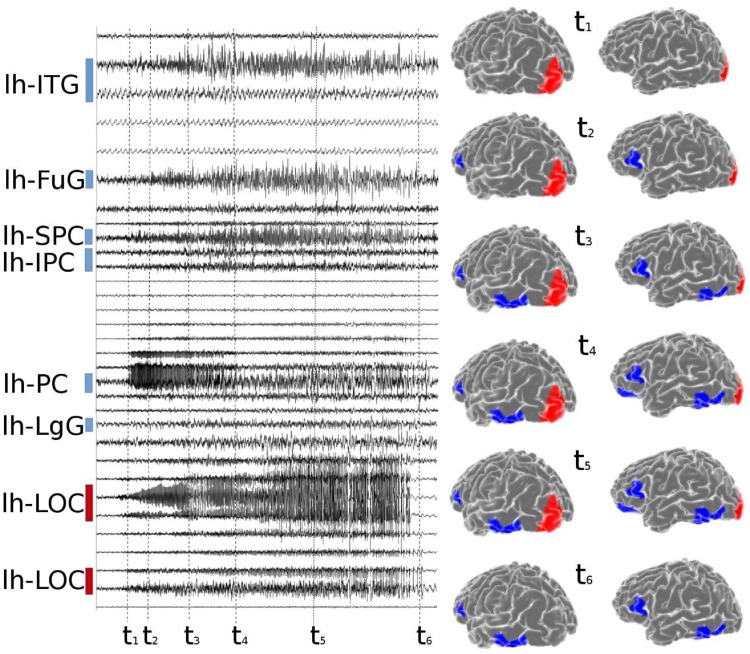
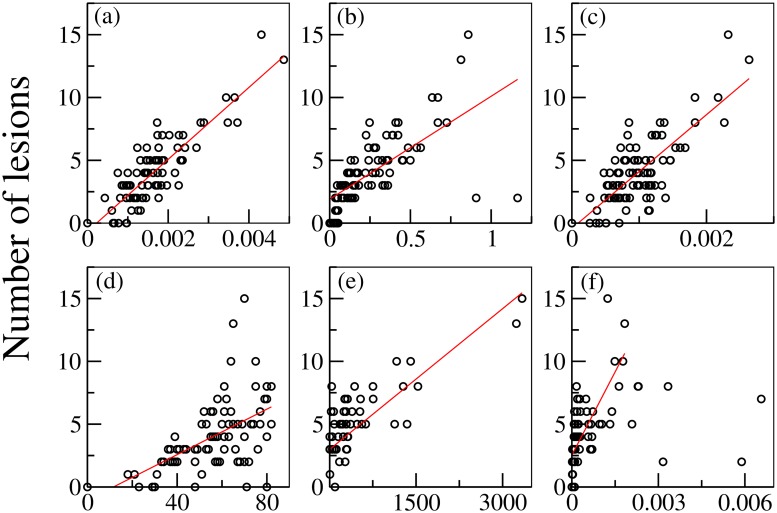
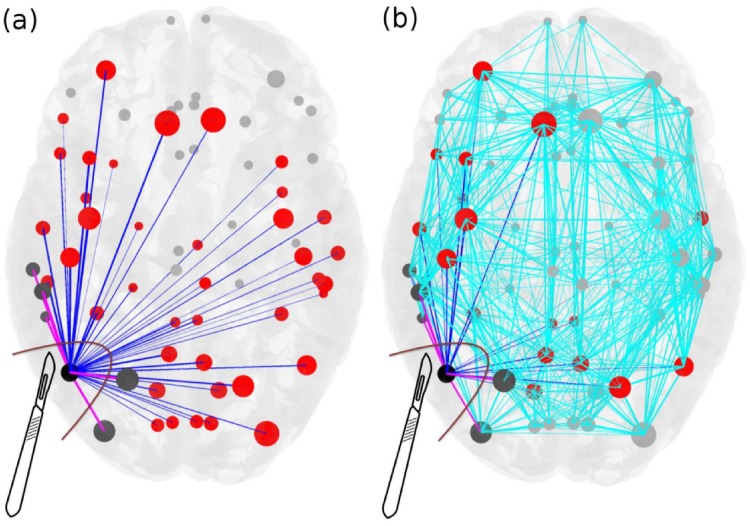
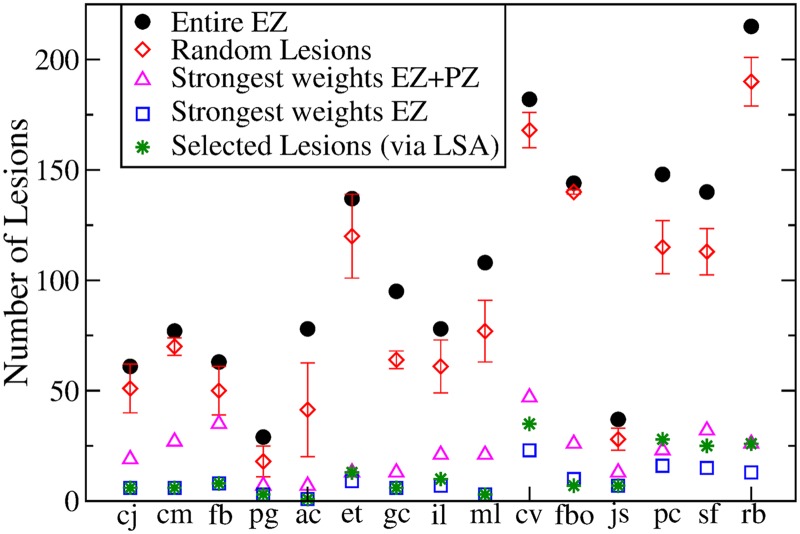
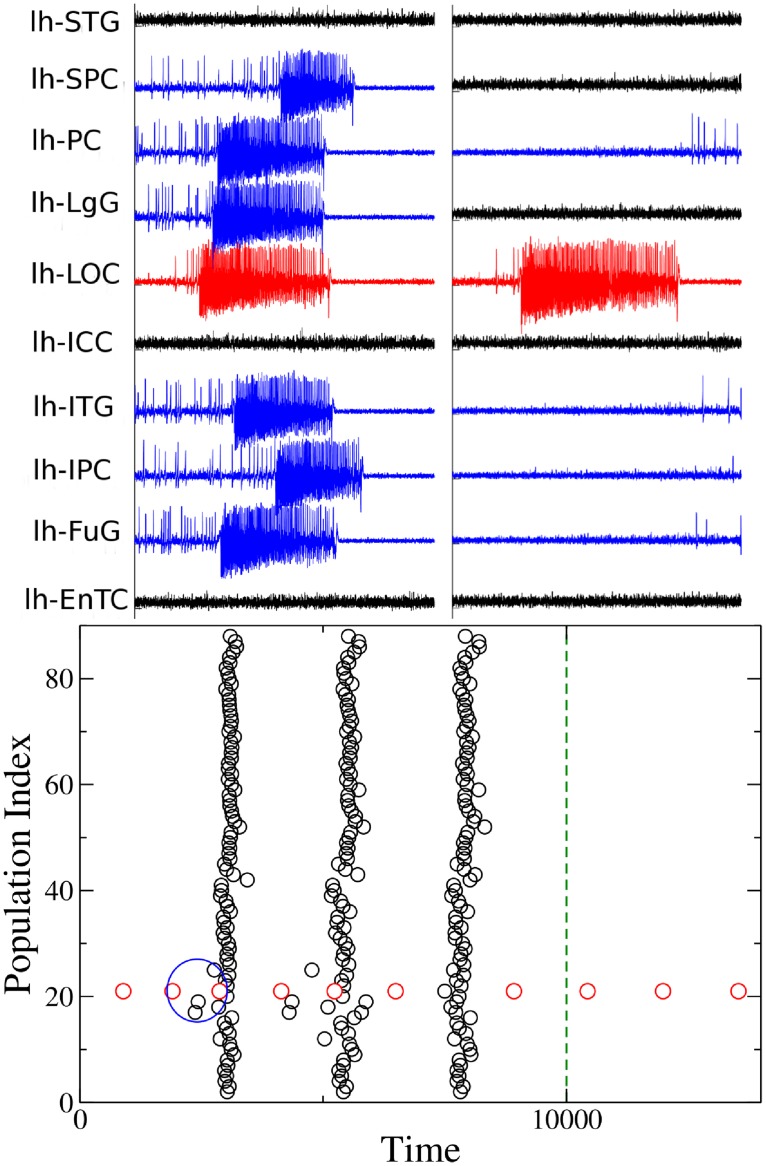
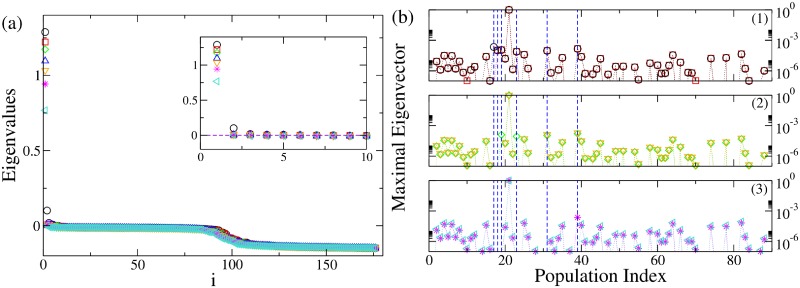
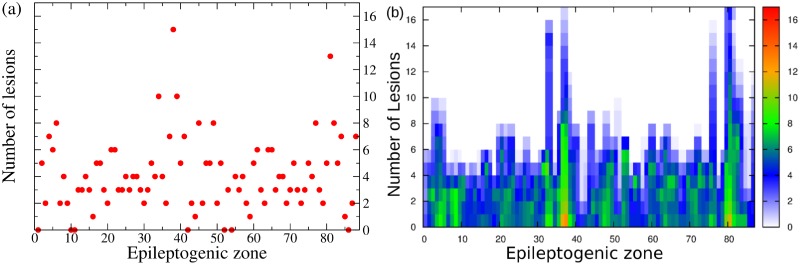
Information transmission in the human brain is a fundamentally dynamic network process. In partial epilepsy, this process is perturbed and highly synchronous seizures originate in a local network, the so-called epileptogenic zone (EZ), before recruiting other close or distant brain regions. We studied patient-specific brain network models of 15 drug-resistant epilepsy patients with implanted stereotactic electroencephalography (SEEG) electrodes. Each personalized brain model was derived from structural data of magnetic resonance imaging (MRI) and diffusion tensor weighted imaging (DTI), comprising 88 nodes equipped with region specific neural mass models capable of demonstrating a range of epileptiform discharges. Each patient's virtual brain was further personalized through the integration of the clinically hypothesized EZ. Subsequent simulations and connectivity modulations were performed and uncovered a finite repertoire of seizure propagation patterns. Across patients, we found that (i) patient-specific network connectivity is predictive for the subsequent seizure propagation pattern; (ii) seizure propagation is characterized by a systematic sequence of brain states; (iii) propagation can be controlled by an optimal intervention on the connectivity matrix; (iv) the degree of invasiveness can be significantly reduced via the proposed seizure control as compared to traditional resective surgery. To stop seizures, neurosurgeons typically resect the EZ completely. We showed that stability analysis of the network dynamics, employing structural and dynamical information, estimates reliably the spatiotemporal properties of seizure propagation. This suggests novel less invasive paradigms of surgical interventions to treat and manage partial epilepsy.
人类大脑中的信息传递是一个基本的动态网络过程。在部分癫痫中,这个过程被打乱了,高度同步的癫痫发作起源于局部网络,即所谓的癫痫发作区(EZ),然后招募其他邻近或遥远的脑区。我们研究了 15 名接受植入性立体脑电图(SEEG)电极的耐药性癫痫患者的特定患者脑网络模型。每个个性化脑模型都源自磁共振成像(MRI)和弥散张量加权成像(DTI)的结构数据,包括 88 个节点,配备了能够展示一系列癫痫样放电的区域特定神经质量模型。每个患者的虚拟大脑都通过整合临床假设的 EZ 进一步个性化。随后进行了模拟和连接调制,并揭示了有限的发作传播模式。在所有患者中,我们发现:(i)患者特定的网络连接性可预测随后的发作传播模式;(ii)发作传播的特征是大脑状态的系统序列;(iii)可以通过对连接矩阵进行最佳干预来控制传播;(iv)与传统的切除术相比,通过提出的发作控制可以显著降低侵入性。为了停止发作,神经外科医生通常会完全切除 EZ。我们表明,网络动力学的稳定性分析,利用结构和动态信息,可以可靠地估计发作传播的时空特性。这表明了治疗和管理部分性癫痫的新型微创手术干预范式。