KU Leuven, department of Chemistry, Celestijnenlaan 200G-F, Heverlee, 3001, Belgium.
RIES Hokkaido University, Research Institute for Electronic Science, N20W10, Kita-Ward Sapporo, 0010020, Japan.
Sci Rep. 2019 Feb 25;9(1):2666. doi: 10.1038/s41598-019-39107-3.
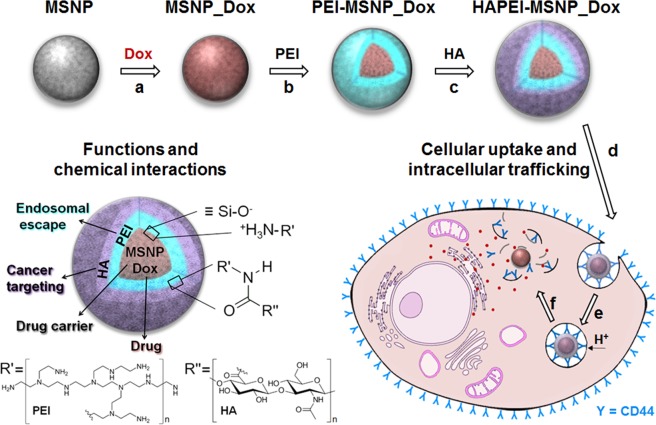
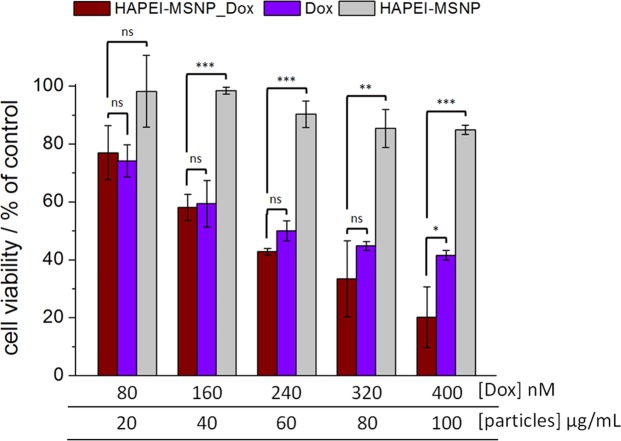
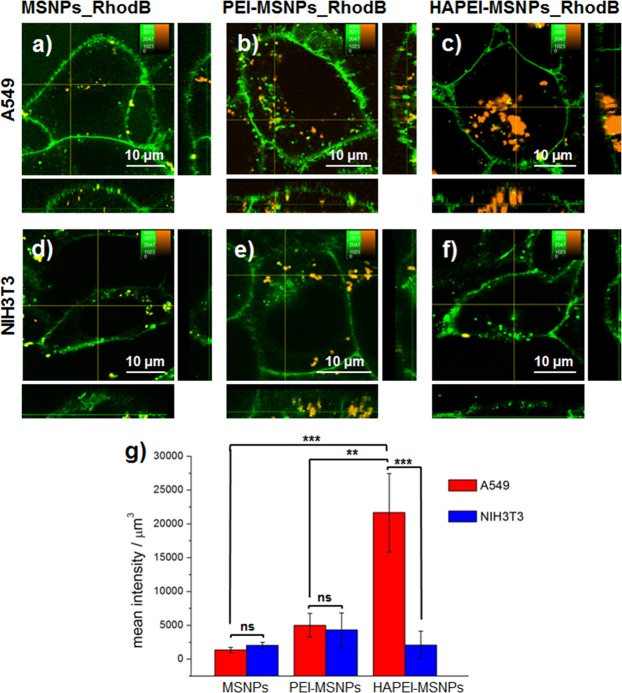
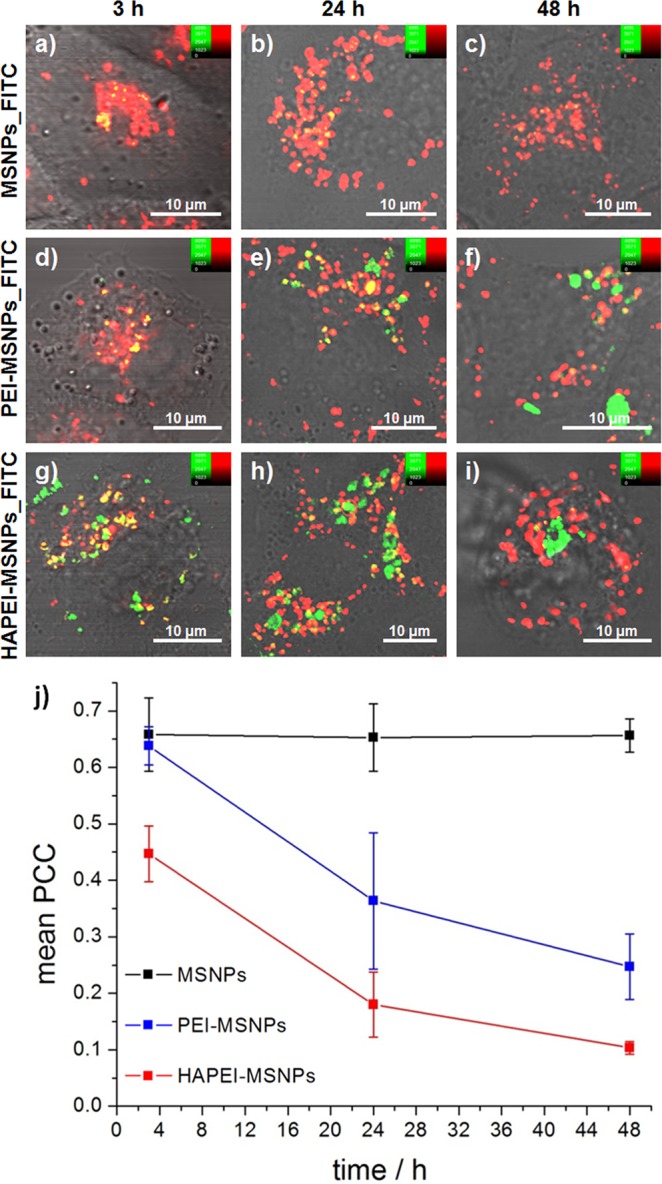
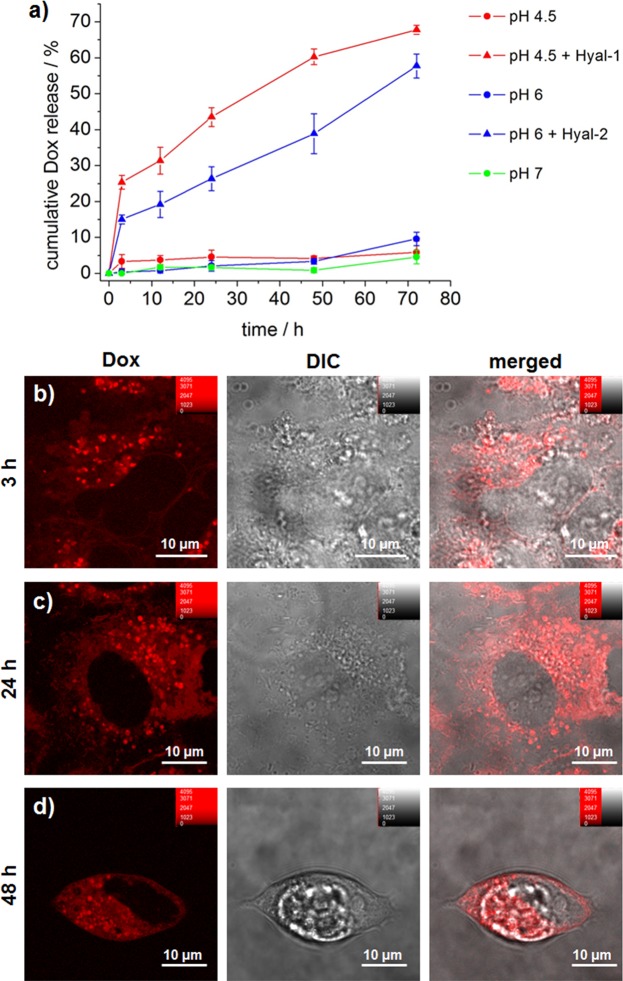
Most targeting strategies of anticancer drug delivery systems (DDSs) rely on the surface functionalization of nanocarriers with specific ligands, which trigger the internalization in cancer cells via receptor-mediated endocytosis. The endocytosis implies the entrapment of DDSs in acidic vesicles (endosomes and lysosomes) and their eventual ejection by exocytosis. This process, intrinsic to eukaryotic cells, is one of the main drawbacks of DDSs because it reduces the drug bioavailability in the intracellular environment. The escape of DDSs from the acidic vesicles is, therefore, crucial to enhance the therapeutic performance at low drug dose. To this end, we developed a multifunctionalized DDS that combines high specificity towards cancer cells with endosomal escape capabilities. Doxorubicin-loaded mesoporous silica nanoparticles were functionalized with polyethylenimine, a polymer commonly used to induce endosomal rupture, and hyaluronic acid, which binds to CD44 receptors, overexpressed in cancer cells. We show irrefutable proof that the developed DDS can escape the endosomal pathway upon polymeric functionalization. Interestingly, the combination of the two polymers resulted in higher endosomal escape efficiency than the polyethylenimine coating alone. Hyaluronic acid additionally provides the system with cancer targeting capability and enzymatically controlled drug release. Thanks to this multifunctionality, the engineered DDS had cytotoxicity comparable to the pure drug whilst displaying high specificity towards cancer cells. The polymeric engineering here developed enhances the performance of DDS at low drug dose, holding great potential for anticancer therapeutic applications.
大多数抗癌药物递送系统(DDS)的靶向策略依赖于纳米载体表面与特定配体的功能化,这些配体通过受体介导的内吞作用触发癌细胞的内化。内吞作用意味着 DDS 被捕获在酸性囊泡(内体和溶酶体)中,并通过胞吐作用最终排出。这个过程是真核细胞的固有特性,是 DDS 的主要缺点之一,因为它降低了细胞内环境中药物的生物利用度。因此,DDS 从酸性囊泡中的逃逸对于提高低药物剂量下的治疗效果至关重要。为此,我们开发了一种多功能化的 DDS,它将对癌细胞的高特异性与内体逃逸能力结合在一起。载阿霉素的介孔硅纳米颗粒用聚乙烯亚胺进行功能化,聚乙烯亚胺是一种常用于诱导内体破裂的聚合物,并用透明质酸进行功能化,透明质酸与癌细胞过度表达的 CD44 受体结合。我们无可置疑地证明,开发的 DDS 在进行聚合物功能化后可以逃避内体途径。有趣的是,两种聚合物的组合比单独使用聚乙烯亚胺涂层具有更高的内体逃逸效率。透明质酸还为该系统提供了癌症靶向能力和酶控药物释放。由于这种多功能性,工程化的 DDS 具有与纯药物相当的细胞毒性,同时对癌细胞具有高度特异性。这里开发的聚合物工程增强了 DDS 在低药物剂量下的性能,在抗癌治疗应用中具有巨大的潜力。