Olianezhad Farzaneh, Zabbah Sajjad, Tohidi-Moghaddam Maryam, Ebrahimpour Reza
Department of Electrical Engineering, Shahid Rajaee Teacher Training University, Tehran, Iran.
School of Cognitive Sciences, Institute for Research in Fundamental Sciences (IPM), Tehran, Iran.
Front Behav Neurosci. 2019 Feb 5;13:9. doi: 10.3389/fnbeh.2019.00009. eCollection 2019.
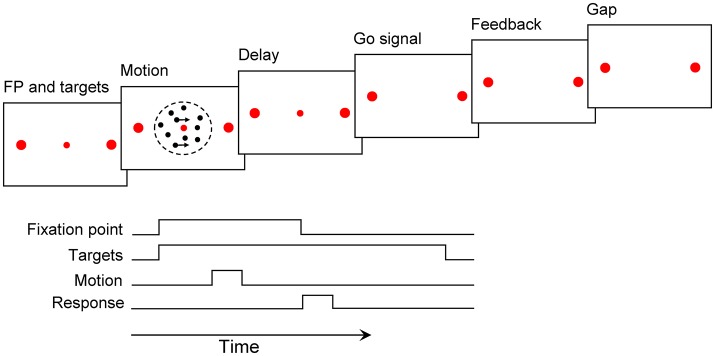
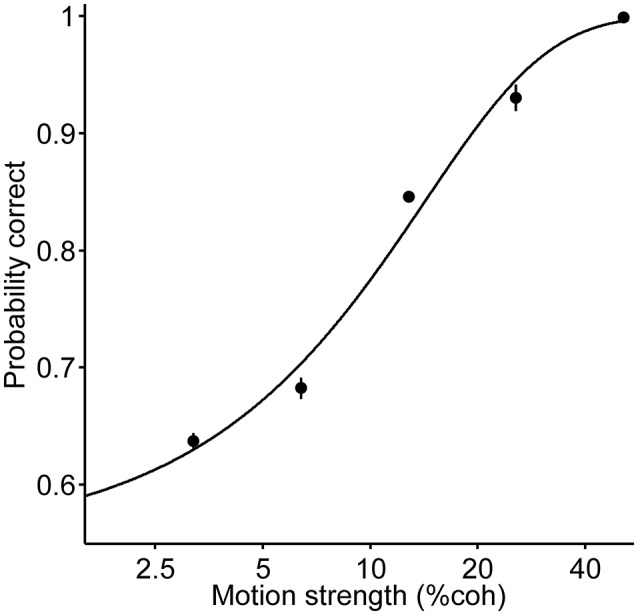
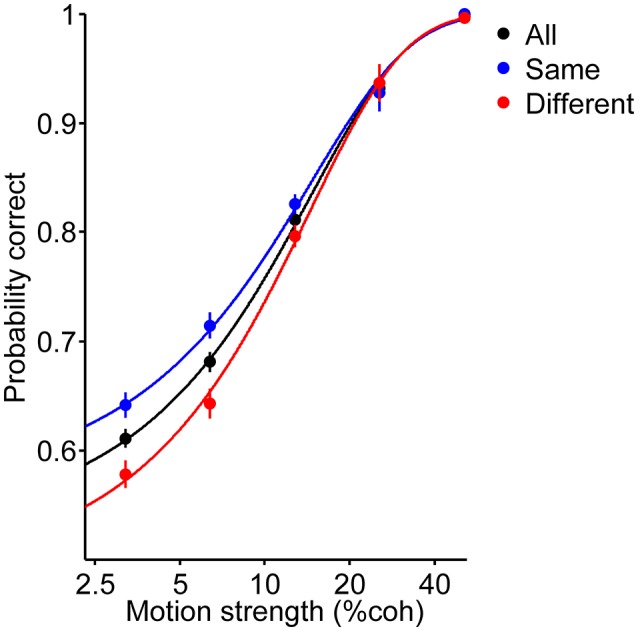
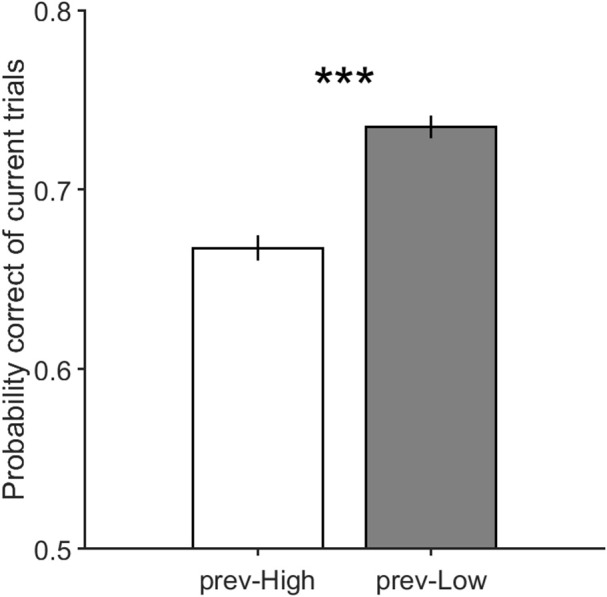
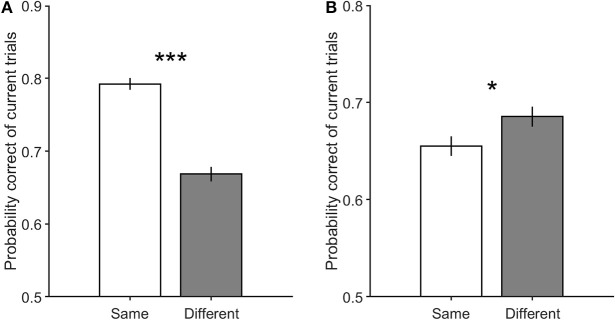
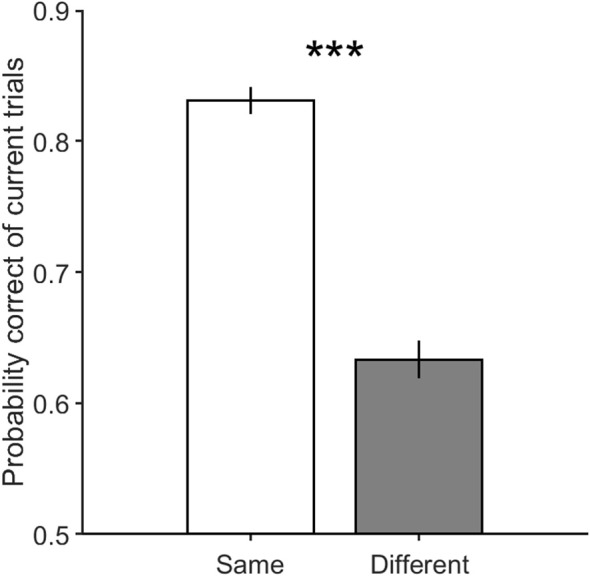
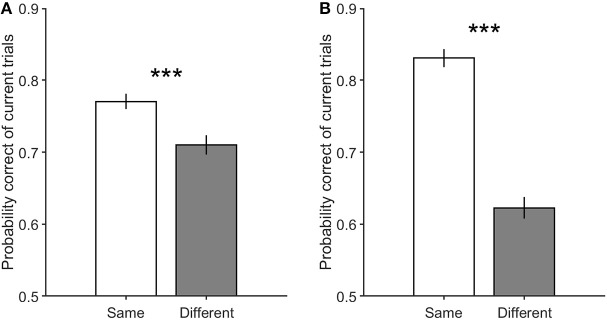
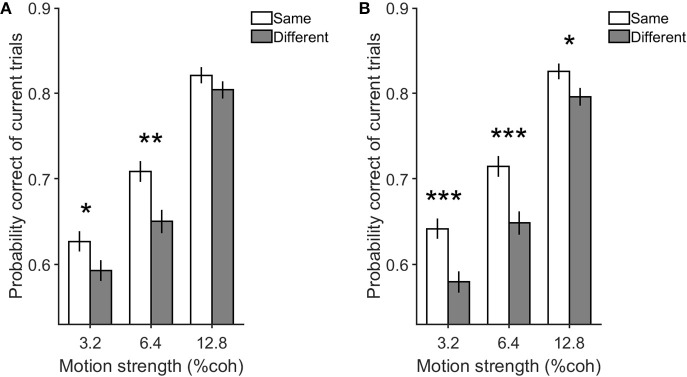
Bias in perceptual decisions can be generally defined as an effect which is controlled by factors other than the decision-relevant information (e.g., perceptual information in a perceptual task, when trials are independent). The literature on decision-making suggests two main hypotheses to account for this kind of bias: internal bias signals are derived from (a) the residual of motor signals generated to report a decision in the past, and (b) the residual of sensory information extracted from the stimulus in the past. Beside these hypotheses, this study suggests that making a decision in the past may bias the next decision. We demonstrate the validity of this assumption, first, by performing behavioral experiments based on the two-alternative forced-choice (TAFC) discrimination of motion direction paradigms and, then, we modified the pure drift-diffusion model (DDM) based on the accumulation-to-bound mechanism to account for the sequential effect. In both cases, the trace of the previous trial influences the current decision. Results indicate that the probability of being correct in the current decision increases if it is in line with the previously made decision even in the presence of feedback. Moreover, a modified model that keeps the previous decision information in the starting point of evidence accumulation provides a better fit to the behavioral data. Our findings suggest that the accumulated evidence in the decision-making process after crossing the bound in the previous decision can affect the parameters of information accumulation for the current decision in consecutive trials.
知觉决策中的偏差通常可定义为一种由决策相关信息以外的因素所控制的效应(例如,在知觉任务中,当各次试验相互独立时的知觉信息)。关于决策的文献提出了两种主要假说来解释这类偏差:内部偏差信号源自(a)过去为报告决策而产生的运动信号的残余,以及(b)过去从刺激中提取的感觉信息的残余。除了这些假说,本研究表明过去做出的决策可能会使下一个决策产生偏差。我们首先通过基于运动方向范式的二选一强制选择(TAFC)辨别进行行为实验来证明这一假设的有效性,然后基于积累到边界机制对纯漂移扩散模型(DDM)进行修改,以解释序列效应。在这两种情况下,前一次试验的痕迹都会影响当前决策。结果表明,即使存在反馈,当前决策与先前做出的决策一致时,正确的概率也会增加。此外,在证据积累起点保留先前决策信息的修改模型能更好地拟合行为数据。我们的研究结果表明,在前一次决策中越过边界后,决策过程中积累的证据会影响连续试验中当前决策的信息积累参数。