Department of Physiology and Biophysics and Center for Cardiovascular Research, College of Medicine, University of Illinois at Chicago, Chicago, IL.
Department of Physiology and Biophysics and Center for Cardiovascular Research, College of Medicine, University of Illinois at Chicago, Chicago, IL
J Gen Physiol. 2019 May 6;151(5):660-669. doi: 10.1085/jgp.201812199. Epub 2019 Feb 26.
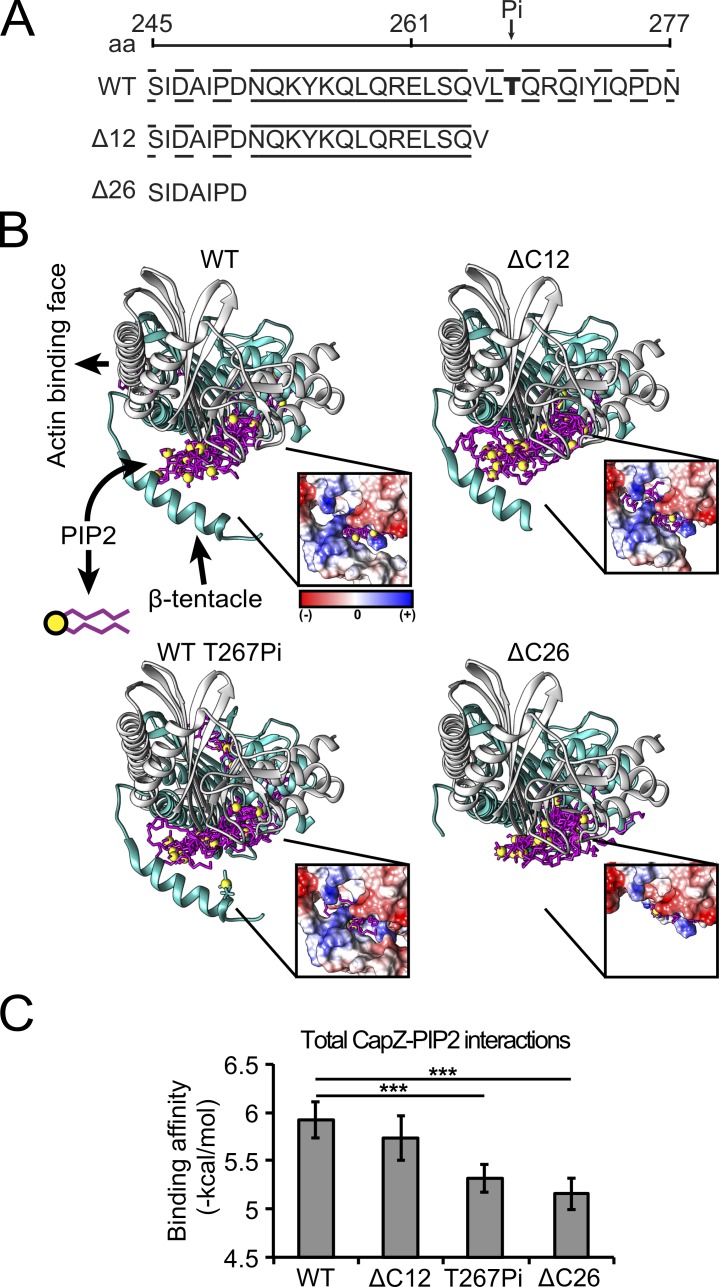
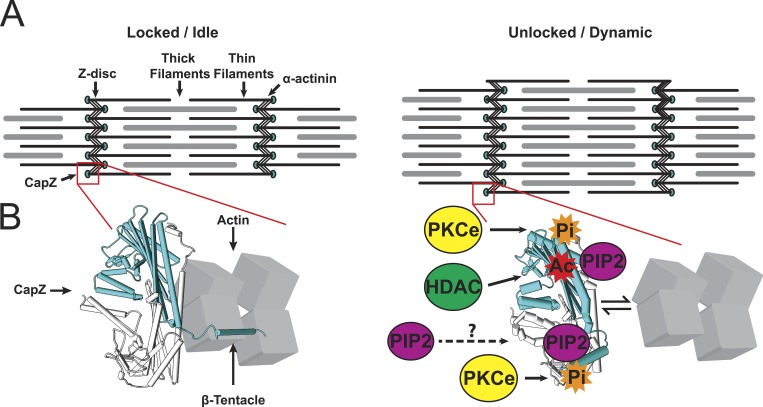
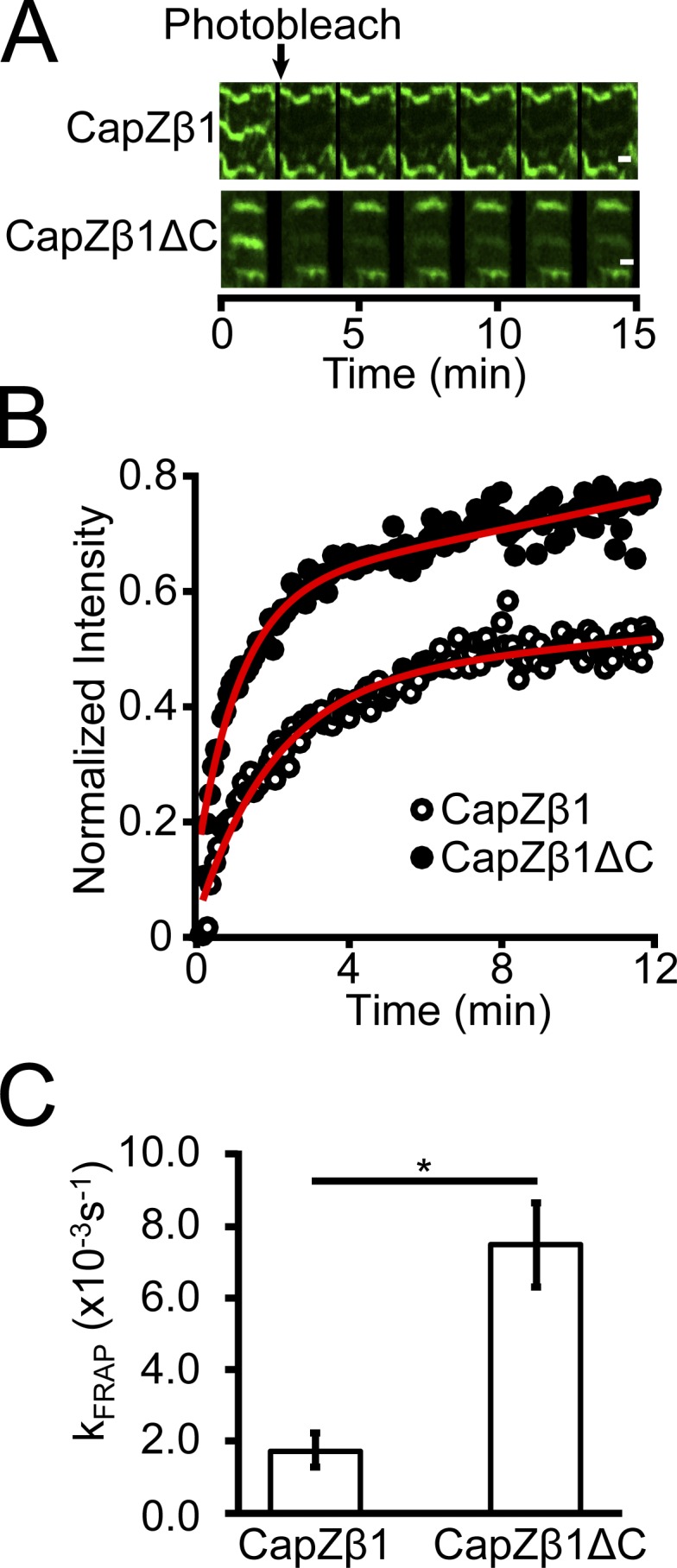
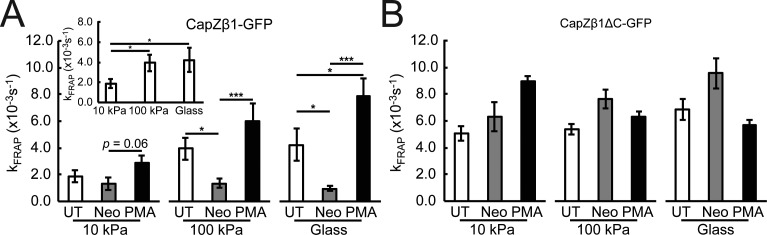
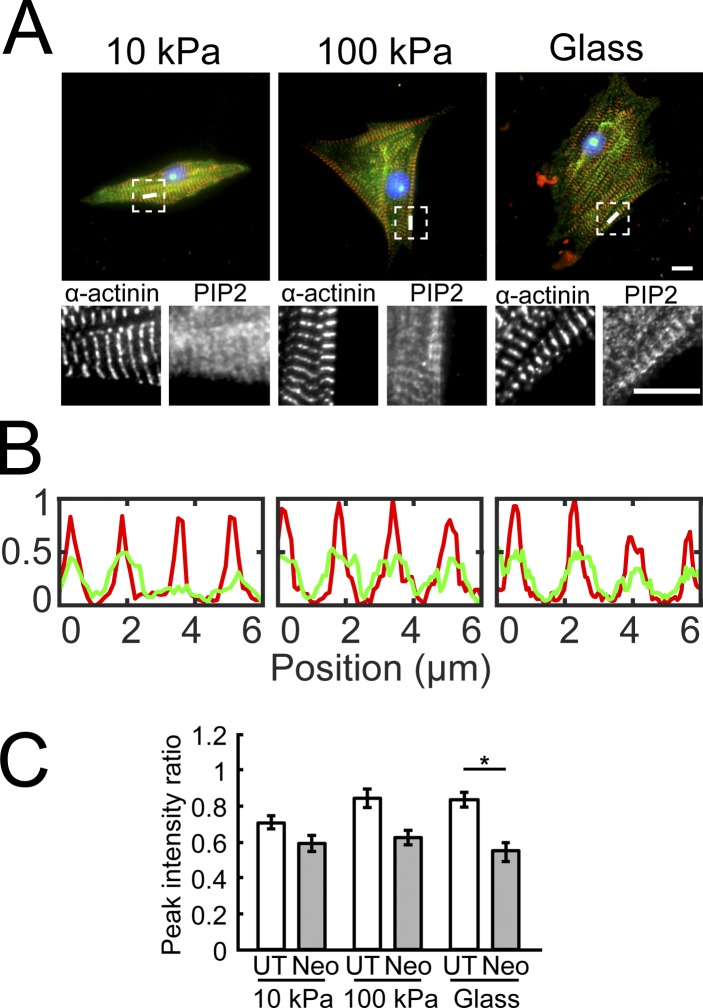
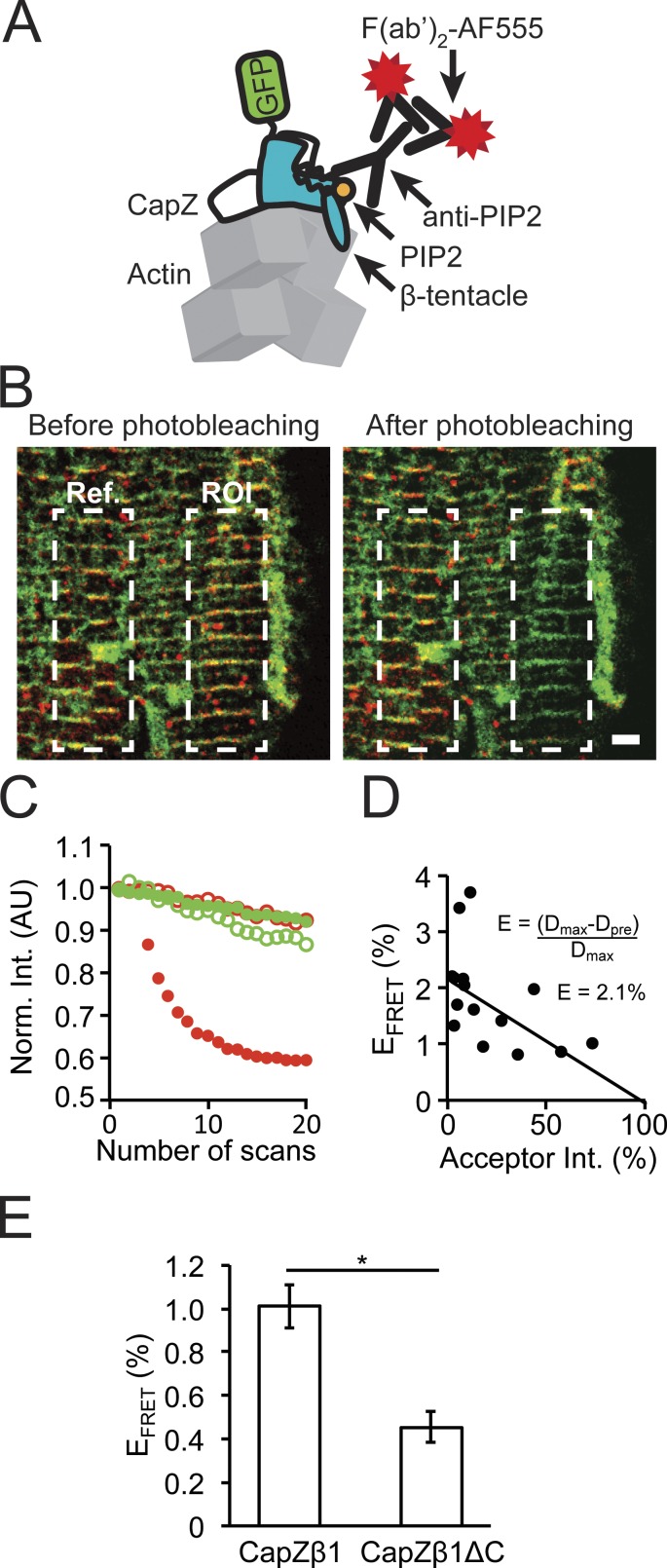
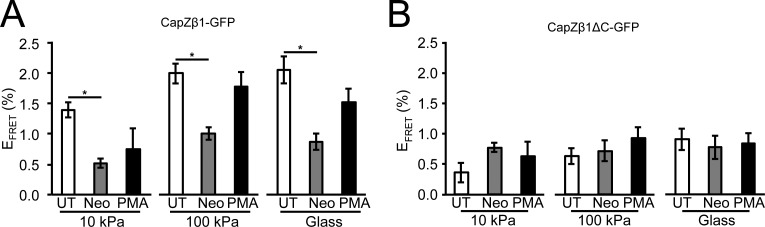
Muscle adaptation is a response to physiological demand elicited by changes in mechanical load, hormones, or metabolic stress. Cytoskeletal remodeling processes in many cell types are thought to be primarily regulated by thin filament formation due to actin-binding accessory proteins, such as the actin-capping protein. Here, we hypothesize that in muscle, the actin-capping protein (named CapZ) integrates signaling by a variety of pathways, including phosphorylation and phosphatidylinositol 4,5-bisphosphate (PIP2) binding, to regulate muscle fiber growth in response to mechanical load. To test this hypothesis, we assess mechanotransduction signaling that regulates muscle growth using neonatal rat ventricular myocytes cultured on substrates with the stiffness of the healthy myocardium (10 kPa), fibrotic myocardium (100 kPa), or glass. We investigate how PIP2 signaling affects CapZ using the PIP2 sequestering agent neomycin and the effect of PKC-mediated CapZ phosphorylation using the PKC-activating drug phorbol 12-myristate 13-acetate (PMA). Molecular simulations suggest that close interactions between PIP2 and the β-tentacle of CapZ are modified by phosphorylation at T267. Fluorescence recovery after photobleaching (FRAP) demonstrates that the kinetic binding constant of CapZ to sarcomeric thin filaments in living muscle cells increases with stiffness or PMA treatment but is diminished by PIP2 reduction. Furthermore, CapZ with a deletion of the β-tentacle that lacks the phosphorylation site T267 shows increased FRAP kinetics with lack of sensitivity to PMA treatment or PIP2 reduction. Förster resonance energy transfer (FRET) probes the molecular interactions between PIP2 and CapZ, which are decreased by PIP2 availability or by the β-tentacle truncation. These data suggest that CapZ is bound to actin tightly in the idle, locked state, with little phosphorylation or PIP2 binding. However, this tight binding is loosened in growth states triggered by mechanical stimuli such as substrate stiffness, which may have relevance to fibrotic heart disease.
肌肉适应是对机械负荷、激素或代谢应激变化引起的生理需求的反应。人们认为,在许多细胞类型中,细胞骨架重塑过程主要受肌动蛋白结合辅助蛋白(如肌动蛋白盖帽蛋白)形成的薄丝调节。在这里,我们假设在肌肉中,肌动蛋白盖帽蛋白(命名为 CapZ)整合了各种途径的信号,包括磷酸化和磷脂酰肌醇 4,5-二磷酸(PIP2)结合,以调节肌肉纤维生长对机械负荷的反应。为了验证这一假设,我们评估了使用在健康心肌(10kPa)、纤维化心肌(100kPa)或玻璃基质上培养的新生大鼠心室肌细胞来调节肌肉生长的机械转导信号。我们研究了 PIP2 信号如何影响 CapZ 使用 PIP2 隔离剂新霉素和 PKC 介导的 CapZ 磷酸化使用 PKC 激活药物佛波醇 12-肉豆蔻酸 13-乙酸酯(PMA)的影响。分子模拟表明,PIP2 与 CapZ 的β- tentacle 之间的紧密相互作用被 T267 磷酸化修饰。荧光恢复后光漂白(FRAP)表明,在活肌肉细胞中,CapZ 与肌小节细丝的结合动力学结合常数随着刚度或 PMA 处理而增加,但由于 PIP2 减少而降低。此外,缺乏 T267 磷酸化位点的β- tentacle 缺失的 CapZ 显示出 FRAP 动力学增加,对 PMA 处理或 PIP2 减少缺乏敏感性。荧光共振能量转移(FRET)探针 PIP2 和 CapZ 之间的分子相互作用,这些相互作用受 PIP2 可用性或β- tentacle 截断的影响。这些数据表明,CapZ 在空闲、锁定状态下与肌动蛋白紧密结合,磷酸化或 PIP2 结合较少。然而,这种紧密结合在由机械刺激(如基质刚度)触发的生长状态下会松弛,这可能与纤维性心脏病有关。