State Key Laboratory of Cancer Biology, National Clinical Research Center for Digestive Diseases and Xijing Hospital of Digestive Diseases, The Fourth Military Medical University, Xi'an 710032, China.
Department of Clinical Nutrition, Xijing Hospital, The Fourth Military Medical University, Xi׳an, 710032, China.
Theranostics. 2019 Jan 24;9(3):721-733. doi: 10.7150/thno.31562. eCollection 2019.
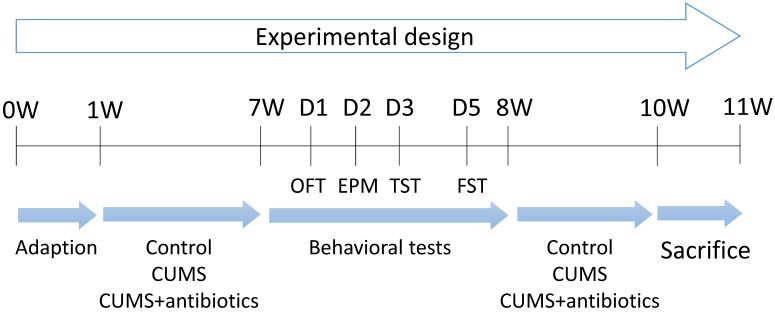
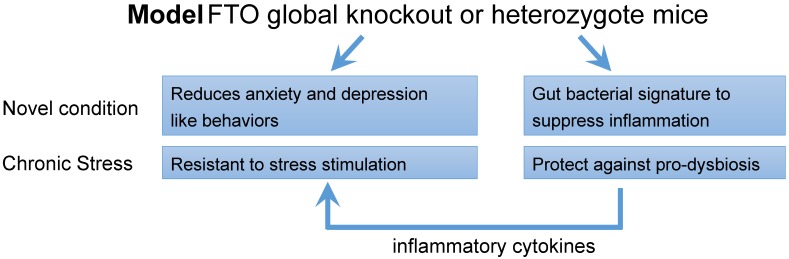
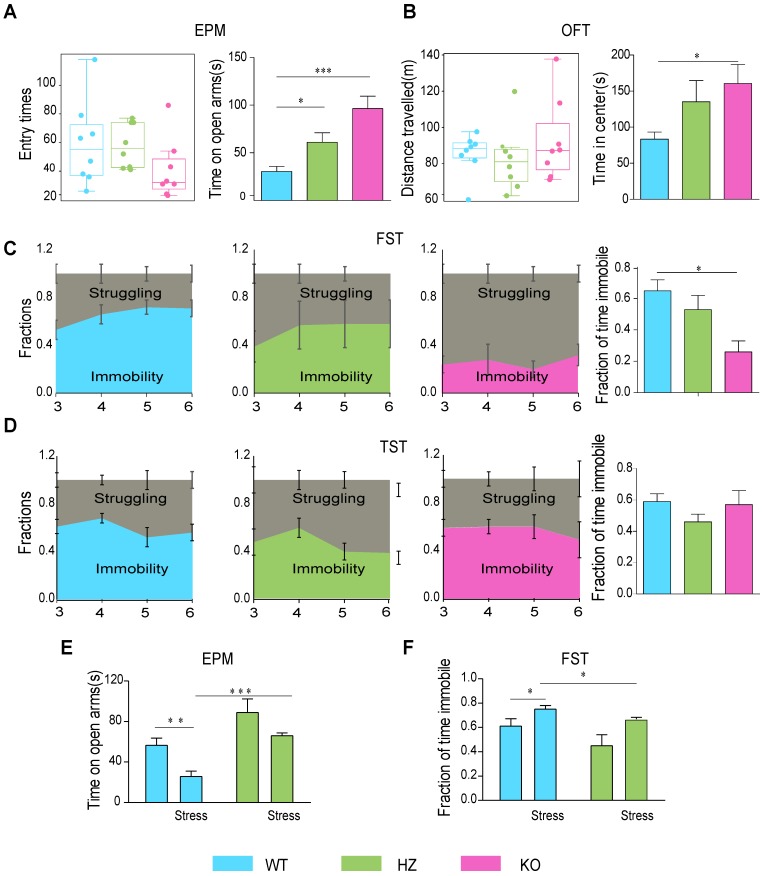
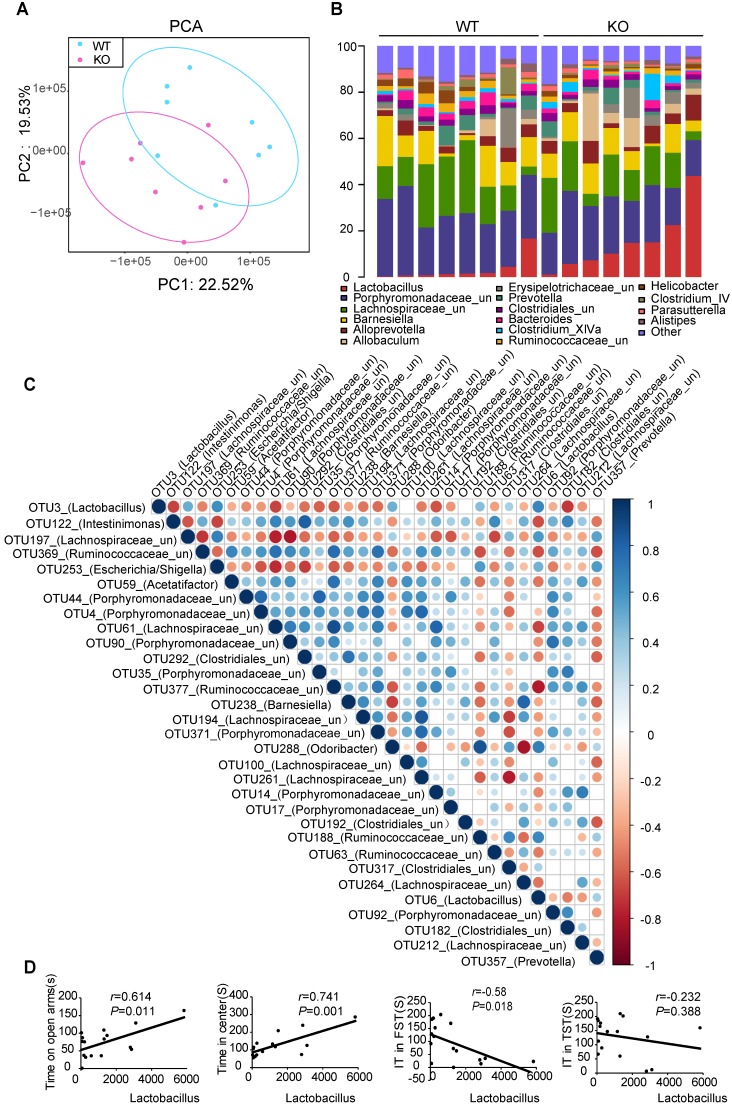
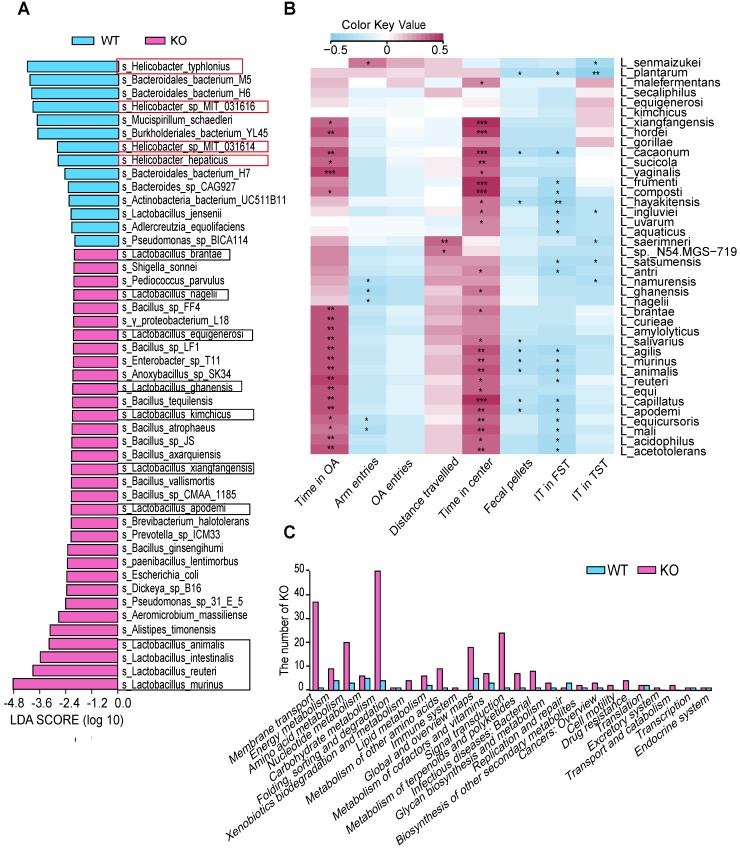
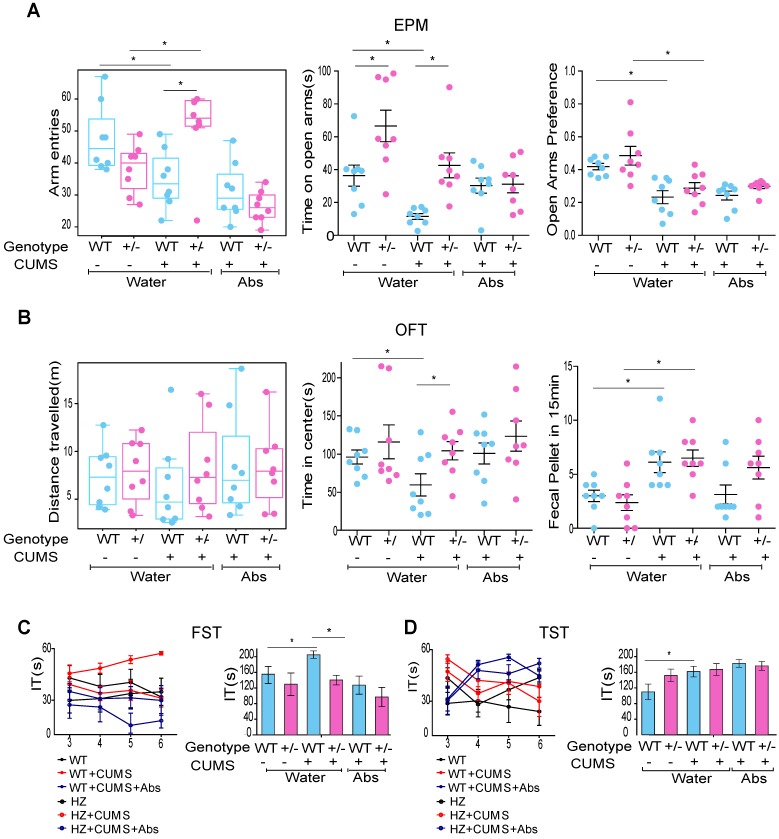
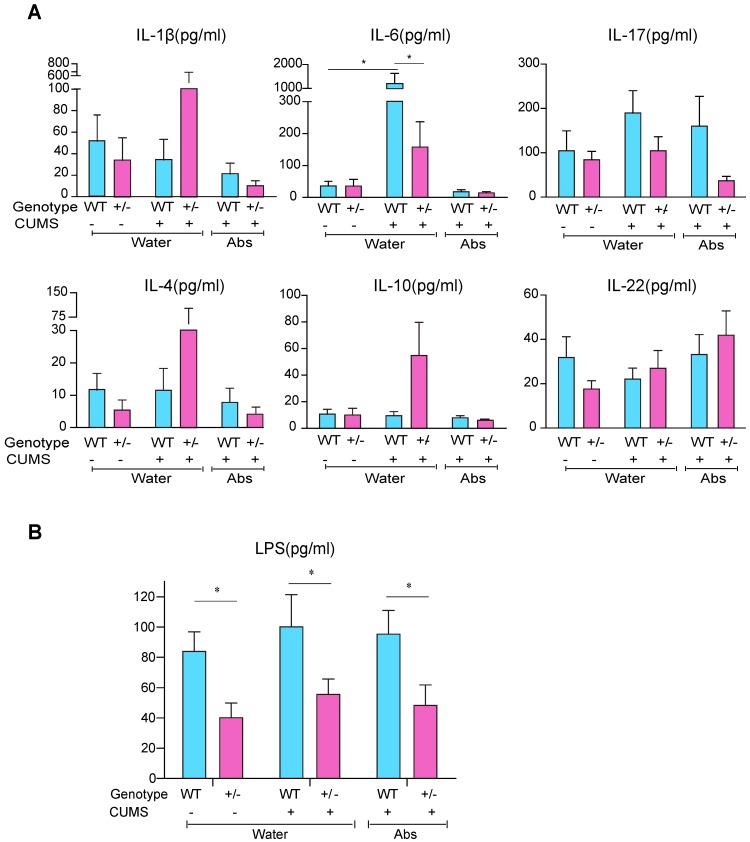
Depression and obesity have high concurrence within individuals, which may be explained by sharing the same risk factors, including disruption of the intestinal microbiota. However, evidence that delineated the causal connections is extremely scarce. Mice lacking fat mass- and obesity-associated gene () were generated. -deficient and wild-type control mice were subjected to novel conditions with or without chronic unpredictable mild stress (CUMS) for 6 weeks. Some mice were treated with antibiotics via their drinking water for 6 weeks in order to deplete their microbiota. Behavioral tests were performed to evaluate anxiety- and depression-like behaviors. 16S rRNA amplicon and metagenomic sequencing were employed to analyse fecal microbiota. Plasma levels of inflammatory cytokines and lipopolysaccharides (LPS) were also compared. Deletion of led to lower body weight and decreased anxiety- and depression-like behaviors, +/- mice were also less susceptible to stress stimulation, highlighting the essential role of in pathogenesis of depression. With regard to gut microbiota, deficiency mice harbored specific bacterial signature of suppressing inflammation, characterized with higher abundance of , lower Porphyromonadaceae and . Critically, behavioral alterations of mice are mediated by shift in gut microbiota, as such changes can be partially attenuated using antibiotics. Exposure to CUMS increased serum IL-6 level while deficiency reduced its level, which may be explained by a lower LPS concentration. Together, our findings uncover the roles of on depression and provide insights into microbiota-related biological mechanisms underlying the association between obesity and depression.
抑郁和肥胖在个体中高度共存,这可能是由于存在共同的风险因素,包括肠道微生物群的紊乱。然而,明确因果关系的证据极其缺乏。生成了缺乏脂肪量和肥胖相关基因()的小鼠。对缺乏和野生型对照小鼠进行了 6 周的新条件处理,有无慢性不可预测的轻度应激(CUMS)。一些小鼠通过饮用水接受了 6 周的抗生素治疗,以耗尽其微生物群。进行了行为测试以评估焦虑和抑郁样行为。16S rRNA 扩增子和宏基因组测序用于分析粪便微生物群。还比较了血浆中炎症细胞因子和脂多糖(LPS)的水平。缺失导致体重降低和焦虑和抑郁样行为减少, +/- 小鼠对应激刺激的敏感性也降低,突出了在抑郁发病机制中的重要作用。就肠道微生物群而言,缺乏 的小鼠具有抑制炎症的特定细菌特征,其特征是更高的丰度,更低的拟杆菌科和。至关重要的是, 小鼠的行为改变是由肠道微生物群的转移介导的,因为使用抗生素可以部分减轻这种变化。CUMS 暴露增加了血清 IL-6 水平,而缺乏则降低了其水平,这可能是由于 LPS 浓度较低所致。总之,我们的研究结果揭示了 在抑郁中的作用,并提供了有关肥胖和抑郁之间关联的微生物群相关生物学机制的见解。