The Genetic Engineering International Cooperation Base of Chinese Ministry of Science and Technology, The Key Laboratory of Molecular Biophysics of Chinese Ministry of Education, College of Life Science and Technology, Huazhong University of Science & Technology, Wuhan 430074, China.
Wuhan Igenomics Biotech Inc., Wuhan Oversea Scholar Business Park, East Lake High-Tech Development Zone, 73 Guangguchuangye Street, Wuhan 430075, China.
Genes (Basel). 2019 Feb 25;10(2):174. doi: 10.3390/genes10020174.
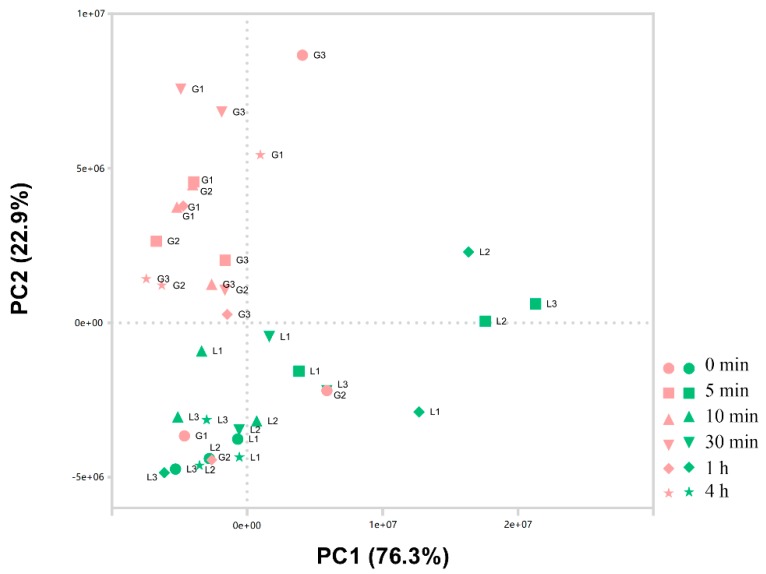
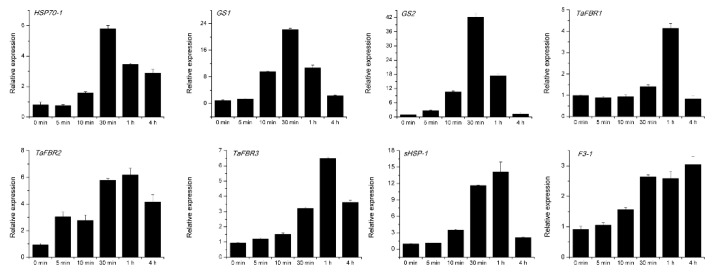
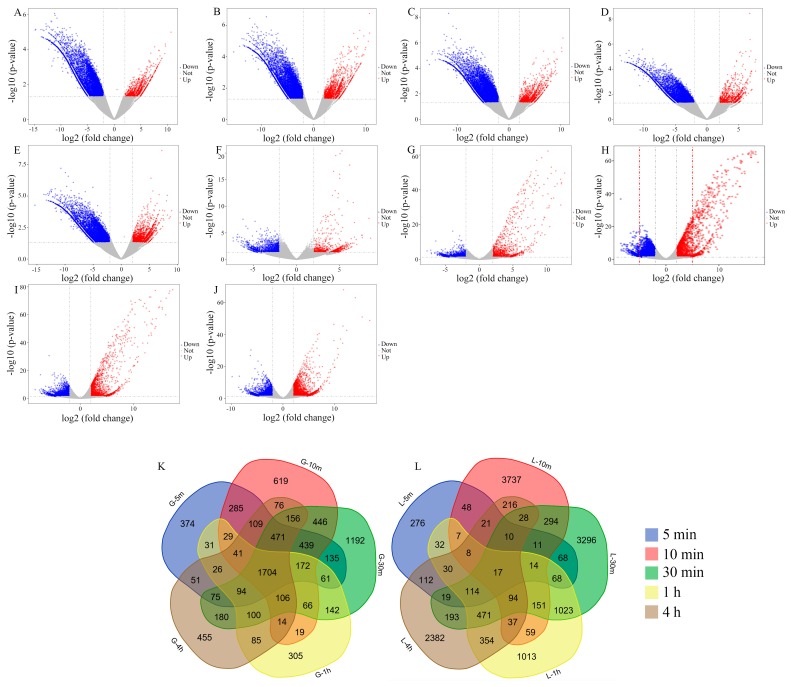
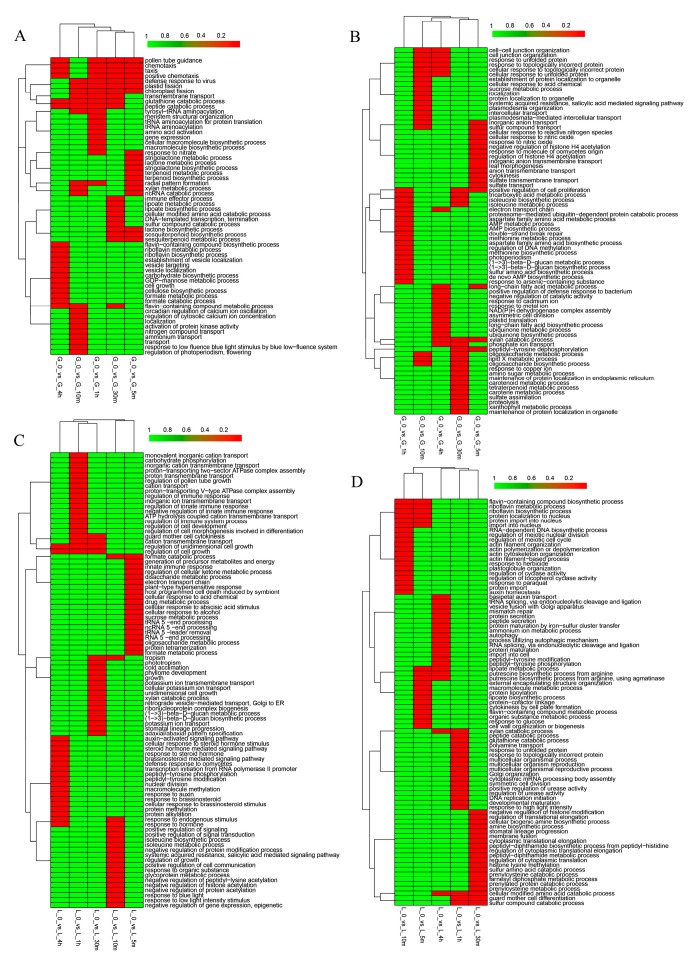
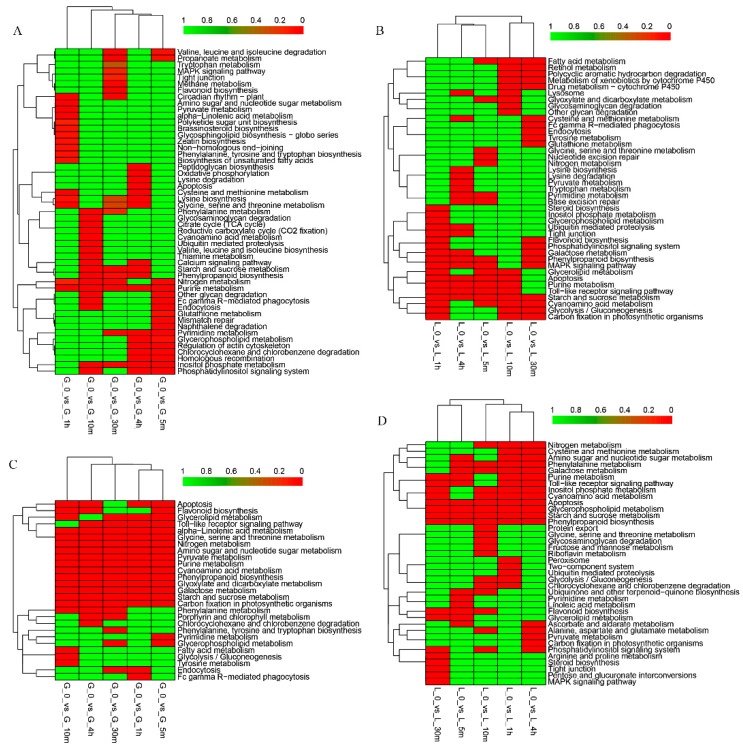
Wheat, a major worldwide staple food crop, is relatively sensitive to a changing environment, including high temperature. The comprehensive mechanism of heat stress response at the molecular level and exploitation of candidate tolerant genes are far from enough. Using transcriptome data, we analyzed the gene expression profiles of wheat under heat stress. A total of 1705 and 17 commonly differential expressed genes (DEGs) were identified in wheat grain and flag leaf, respectively, through transcriptome analysis. Gene Ontology (GO) and pathway enrichment were also applied to illustrate the functions and metabolic pathways of DEGs involved in thermotolerance of wheat grain and flag leaf. Furthermore, our data suggest that there may be a more complex molecular mechanism or tighter regulatory network in flag leaf than in grain under heat stress over time, as less commonly DEGs, more discrete expression profiles of genes (principle component analysis) and less similar pathway response were observed in flag leaf. In addition, we found that transcriptional regulation of zeatin, brassinosteroid and flavonoid biosynthesis pathways may play an important role in wheat's heat tolerance. The expression changes of some genes were validated using quantitative real-time polymerase chain reaction and three potential genes involved in the flavonoid biosynthesis process were identified.
小麦是一种全球性的主要粮食作物,对环境变化,包括高温相对敏感。在分子水平上对热应激反应的综合机制和候选耐受基因的开发还远远不够。利用转录组数据,我们分析了小麦在热胁迫下的基因表达谱。通过转录组分析,分别在小麦籽粒和旗叶中鉴定出了 1705 个和 17 个共同差异表达基因(DEGs)。还应用基因本体论(GO)和途径富集来阐明参与小麦籽粒和旗叶耐热性的 DEGs 的功能和代谢途径。此外,我们的数据表明,随着时间的推移,在热胁迫下,旗叶中的分子机制或调控网络可能比籽粒中更为复杂,因为在旗叶中观察到较少的常见 DEGs、基因表达谱更为离散(主成分分析)和途径反应差异更小。此外,我们发现,玉米素、油菜素内酯和类黄酮生物合成途径的转录调控可能在小麦的耐热性中发挥重要作用。使用定量实时聚合酶链反应验证了一些基因的表达变化,并鉴定了三个参与类黄酮生物合成过程的潜在基因。