Rome Center for Molecular Design, Department of Drug Chemistry and Technology, Sapienza University, P.le Aldo Moro 5, 00185 Rome, Italy.
Alchemical Dynamics s.r.l., 00125 Rome, Italy.
Molecules. 2019 Mar 3;24(5):890. doi: 10.3390/molecules24050890.
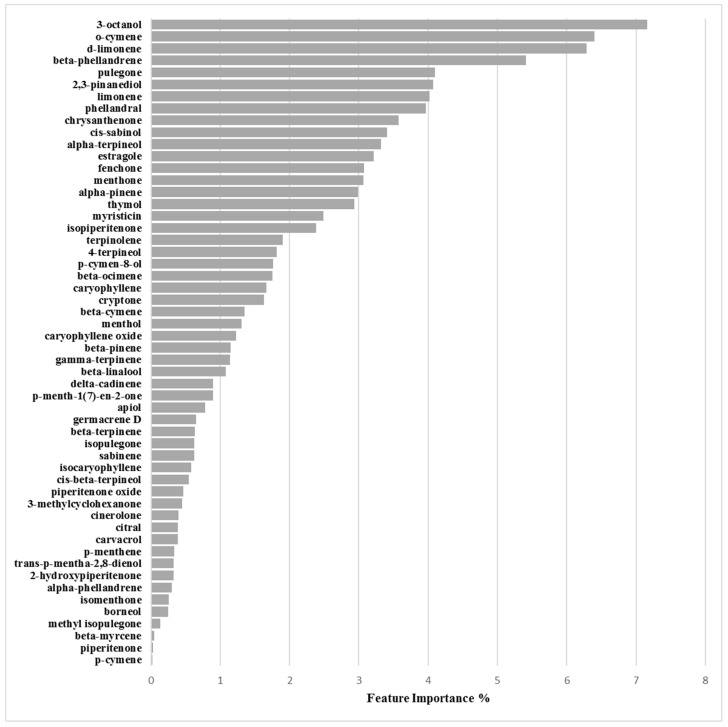
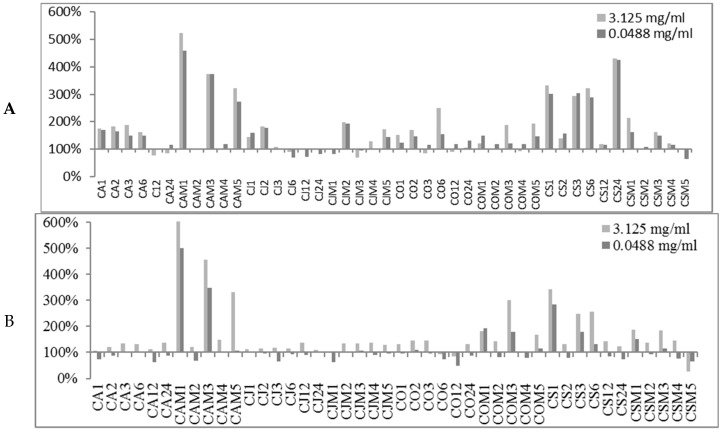
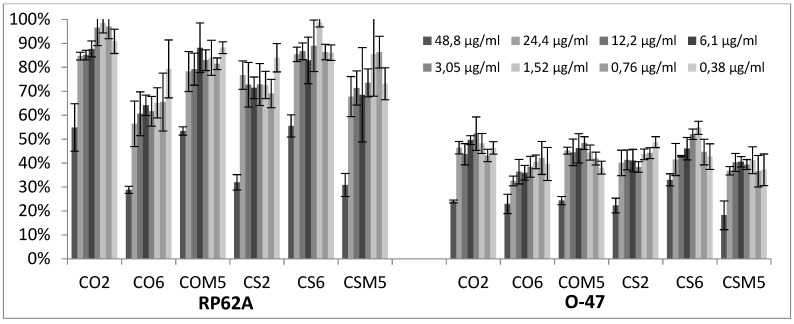
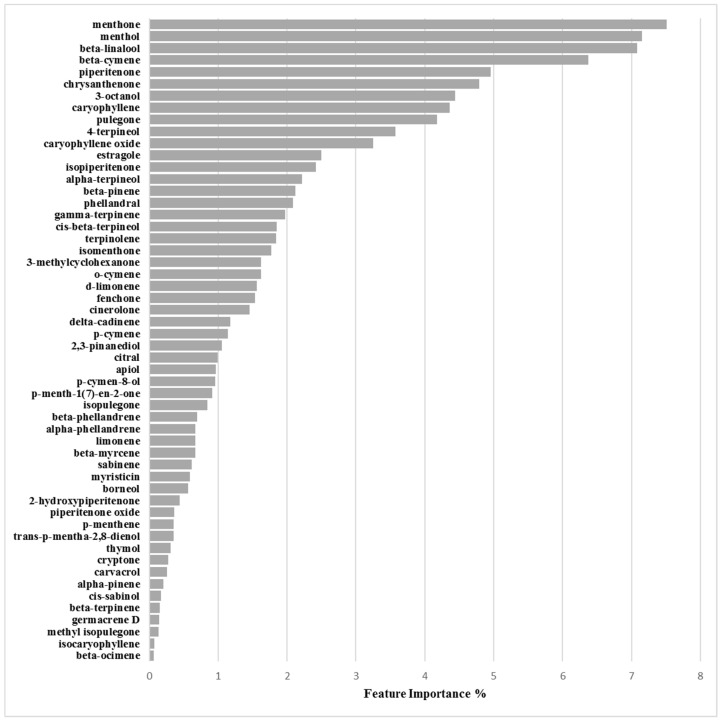
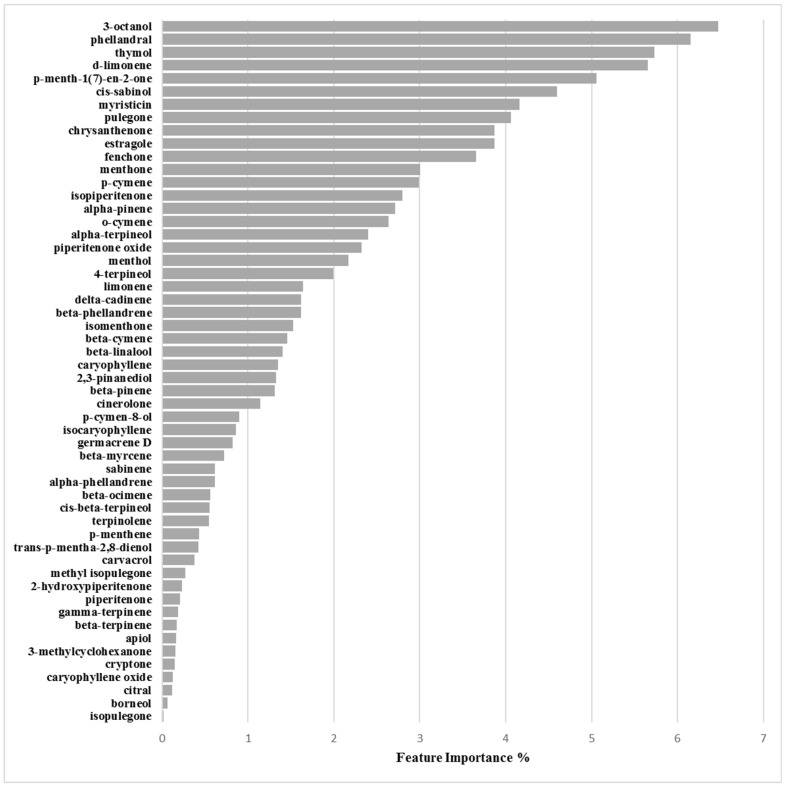
Biofilm resistance to antimicrobials is a complex phenomenon, driven not only by genetic mutation induced resistance, but also by means of increased microbial cell density that supports horizontal gene transfer across cells. The prevention of biofilm formation and the treatment of existing biofilms is currently a difficult challenge; therefore, the discovery of new multi-targeted or combinatorial therapies is growing. The development of anti-biofilm agents is considered of major interest and represents a key strategy as non-biocidal molecules are highly valuable to avoid the rapid appearance of escape mutants. Among bacteria, staphylococci are predominant causes of biofilm-associated infections. Staphylococci, especially Staphylococcus aureus (S. aureus) is an extraordinarily versatile pathogen that can survive in hostile environmental conditions, colonize mucous membranes and skin, and can cause severe, non-purulent, toxin-mediated diseases or invasive pyogenic infections in humans. Staphylococcus epidermidis (S. epidermidis) has also emerged as an important opportunistic pathogen in infections associated with medical devices (such as urinary and intravascular catheters, orthopaedic implants, etc.), causing approximately from 30% to 43% of joint prosthesis infections. The scientific community is continuously looking for new agents endowed of anti-biofilm capabilities to fight S. aureus and S epidermidis infections. Interestingly, several reports indicated in vitro efficacy of non-biocidal essential oils (EOs) as promising treatment to reduce bacterial biofilm production and prevent the inducing of drug resistance. In this report were analyzed 89 EOs with the objective of investigating their ability to modulate bacterial biofilm production of different S. aureus and S. epidermidis strains. Results showed the assayed EOs to modulated the biofilm production with unpredictable results for each strain. In particular, many EOs acted mainly as biofilm inhibitors in the case of S. epidermidis strains, while for S. aureus strains, EOs induced either no effect or stimulate biofilm production. In order to elucidate the obtained experimental results, machine learning (ML) algorithms were applied to the EOs' chemical compositions and the determined associated anti-biofilm potencies. Statistically robust ML models were developed, and their analysis in term of feature importance and partial dependence plots led to indicating those chemical components mainly responsible for biofilm production, inhibition or stimulation for each studied strain, respectively.
生物膜对抗菌药物的耐药性是一种复杂的现象,不仅由遗传突变诱导的耐药性驱动,还由支持细胞间水平基因转移的微生物细胞密度增加所驱动。预防生物膜的形成和治疗现有的生物膜目前是一个具有挑战性的难题;因此,新的多靶点或联合疗法的发现正在不断增加。抗生物膜制剂的开发被认为具有重要意义,并且是一种关键策略,因为非杀菌分子非常有价值,可以避免逃逸突变体的快速出现。在细菌中,葡萄球菌是生物膜相关感染的主要原因。葡萄球菌,特别是金黄色葡萄球菌(S. aureus)是一种非常多才多艺的病原体,能够在恶劣的环境条件下生存,定殖于粘膜和皮肤,并可导致严重的、非化脓性、毒素介导的疾病或侵袭性化脓性感染。表皮葡萄球菌(S. epidermidis)也已成为与医疗器械相关感染(如尿路和血管内导管、骨科植入物等)中的重要机会性病原体,导致大约 30%至 43%的关节假体感染。科学界一直在寻找具有抗生物膜能力的新制剂来对抗金黄色葡萄球菌和表皮葡萄球菌感染。有趣的是,有几项报告表明,非杀菌性精油(EOs)在体外具有抑制细菌生物膜产生和防止诱导耐药性的功效。在本报告中,分析了 89 种精油,目的是研究它们对不同金黄色葡萄球菌和表皮葡萄球菌菌株生物膜产生的调节能力。结果表明,所测试的精油对生物膜产生具有不可预测的调节作用,对每种菌株都是如此。特别是,许多精油在表皮葡萄球菌菌株中主要作为生物膜抑制剂,而对于金黄色葡萄球菌菌株,精油要么没有作用,要么刺激生物膜产生。为了解释所得到的实验结果,机器学习(ML)算法被应用于精油的化学成分和确定的相关抗生物膜效力。开发了统计稳健的 ML 模型,并对其进行了特征重要性和部分依赖关系图的分析,从而指出了那些对每个研究菌株的生物膜产生、抑制或刺激分别负责的化学成分。