Department of Microbiology and Immunology, University of Louisville, Louisville, KY, 40202, USA.
Department of Chemistry, University of Tennessee, Knoxville, TN, 37996, USA.
Sci Rep. 2019 Mar 5;9(1):3472. doi: 10.1038/s41598-019-40266-6.
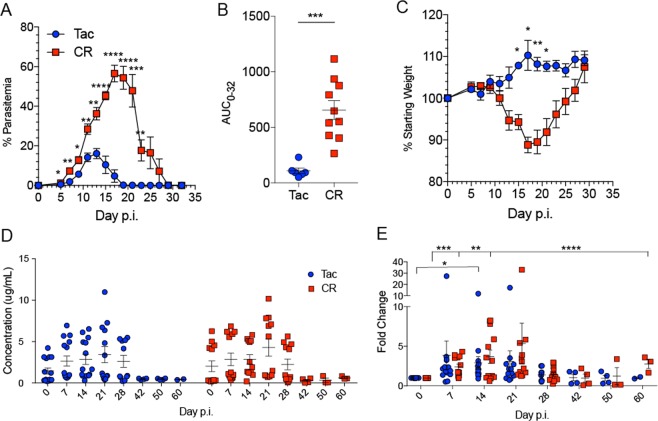
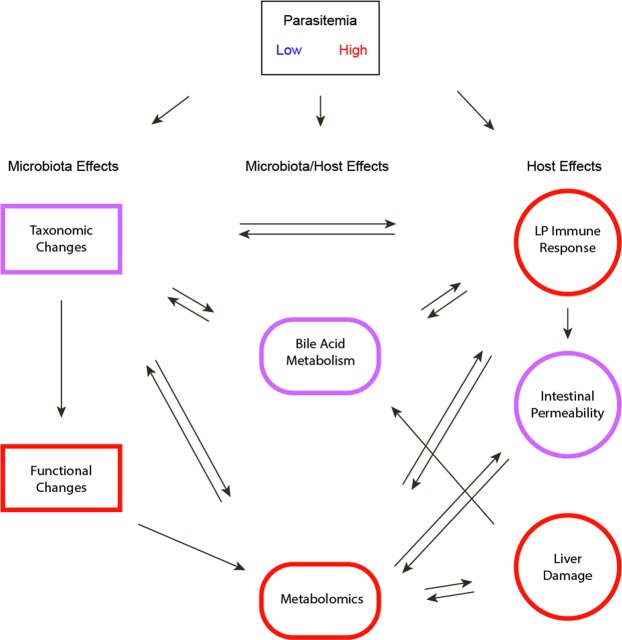
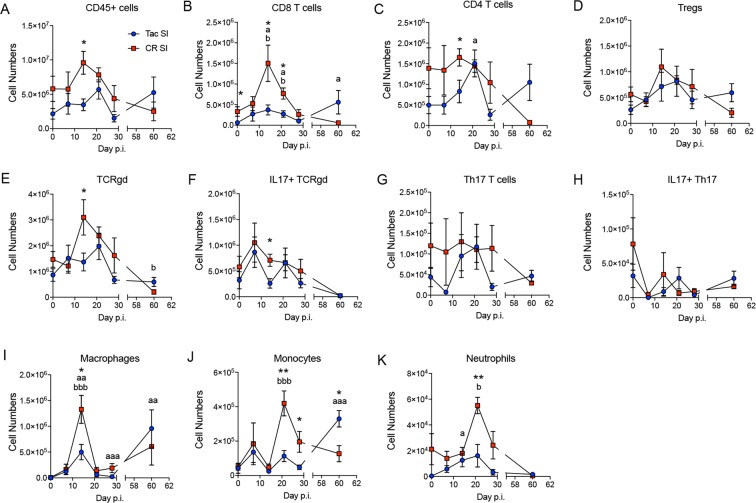
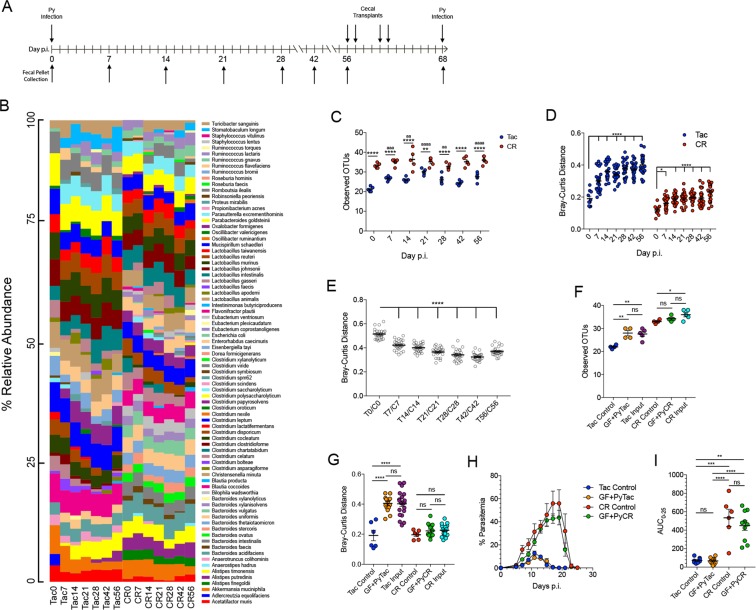
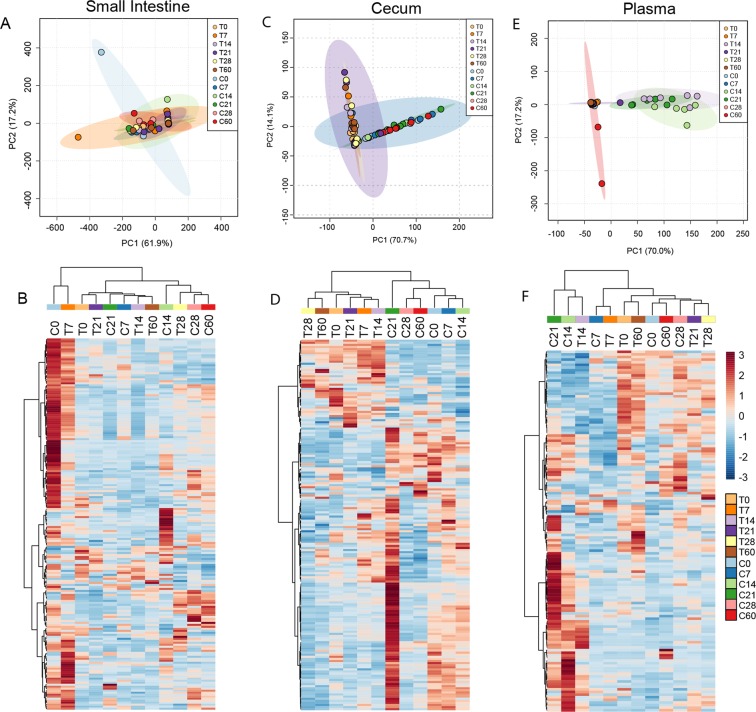
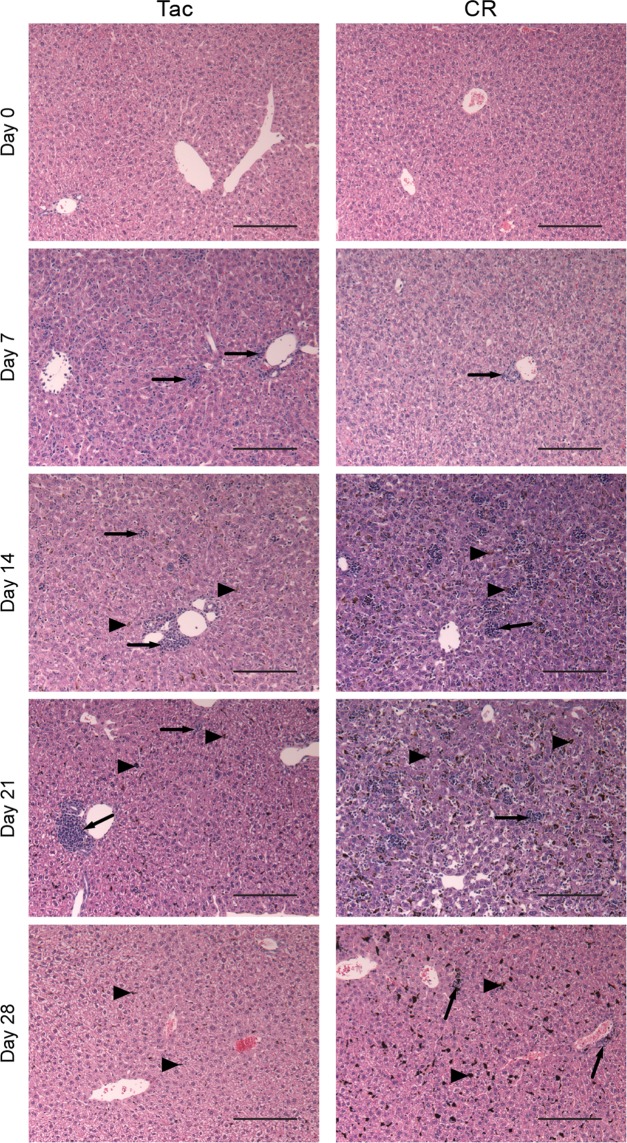
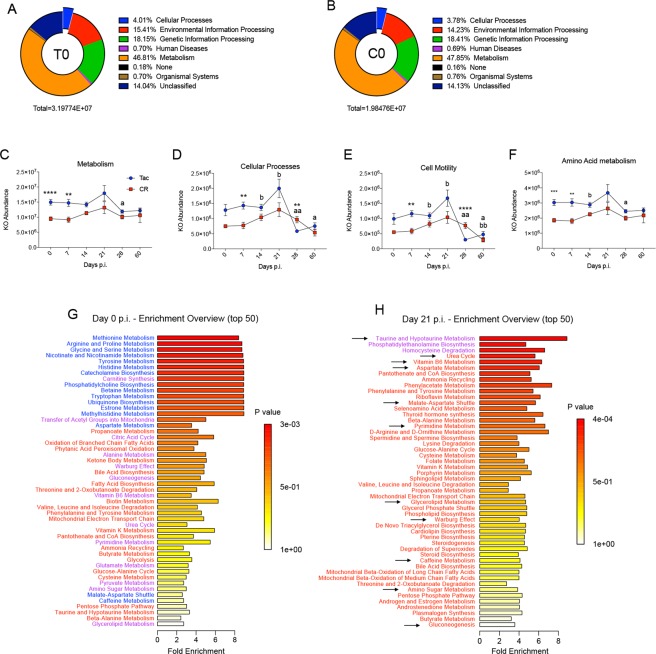
Experimental models of malaria have shown that infection with specific Plasmodium species in certain mouse strains can transiently modulate gut microbiota and cause intestinal shortening, indicating a disruption of gut homeostasis. Importantly, changes in gut homeostasis have not been characterized in the context of mild versus severe malaria. We show that severe Plasmodium infection in mice disrupts homeostasis along the gut-liver axis in multiple ways compared to mild infection. High parasite burden results in a larger influx of immune cells in the lamina propria and mice with high parasitemia display specific metabolomic profiles in the ceca and plasma during infection compared to mice with mild parasitemia. Liver damage was also more pronounced and longer lasting during severe infection, with concomitant changes in bile acids in the gut. Finally, severe Plasmodium infection changes the functional capacity of the microbiota, enhancing bacterial motility and amino acid metabolism in mice with high parasite burden compared to a mild infection. Taken together, Plasmodium infections have diverse effects on host gut homeostasis relative to the severity of infection that may contribute to enteric bacteremia that is associated with malaria.
疟疾的实验模型表明,在某些小鼠品系中,感染特定的疟原虫种类会短暂地调节肠道微生物群并导致肠道缩短,表明肠道内稳态受到破坏。重要的是,在轻度和重度疟疾的情况下,尚未对肠道内稳态的变化进行特征描述。与轻度感染相比,我们发现严重的疟原虫感染会以多种方式破坏肠道-肝脏轴的内稳态。高寄生虫负荷导致固有层中免疫细胞的大量涌入,并且与轻度寄生虫负荷的小鼠相比,高寄生虫血症的小鼠在感染期间的盲肠和血浆中显示出特定的代谢组学特征。在严重感染期间,肝脏损伤也更为明显且持续时间更长,同时肠道中的胆汁酸也发生了变化。最后,严重的疟原虫感染改变了微生物群的功能能力,与轻度感染相比,高寄生虫负荷的小鼠的细菌运动性和氨基酸代谢增强。总之,疟原虫感染相对于感染的严重程度对宿主肠道内稳态有多种影响,这可能导致与疟疾相关的肠内菌血症。