Institute of Medical Microbiology and Hygiene, Medical Center-University of Freiburg, Faculty of Medicine, Freiburg, Germany.
BIOSS Centre for Biological Signaling Studies, University of Freiburg, Freiburg, Germany.
PLoS One. 2019 Mar 7;14(3):e0213470. doi: 10.1371/journal.pone.0213470. eCollection 2019.
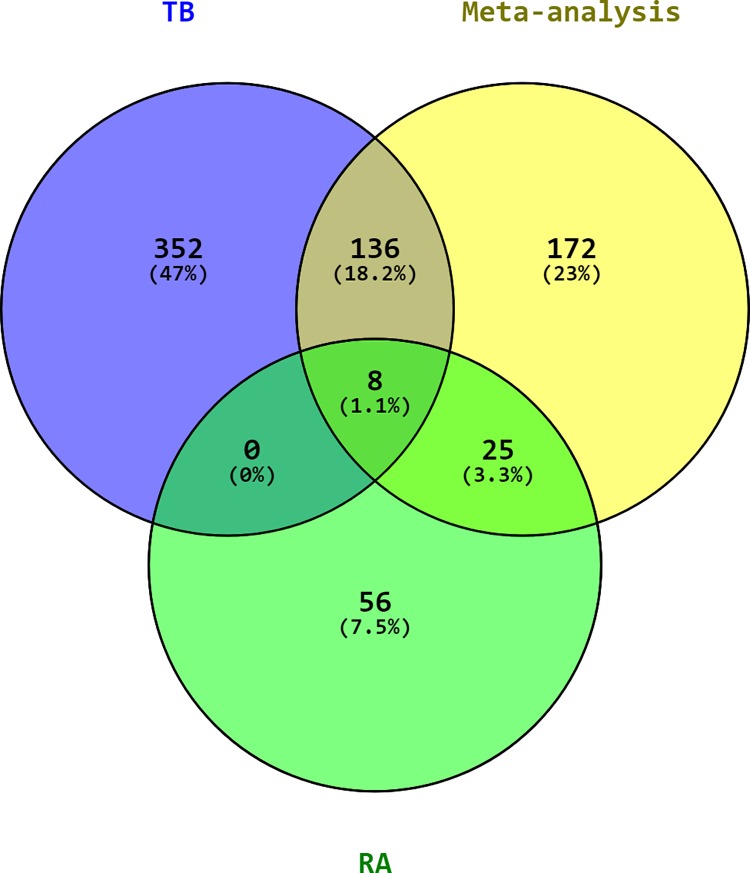
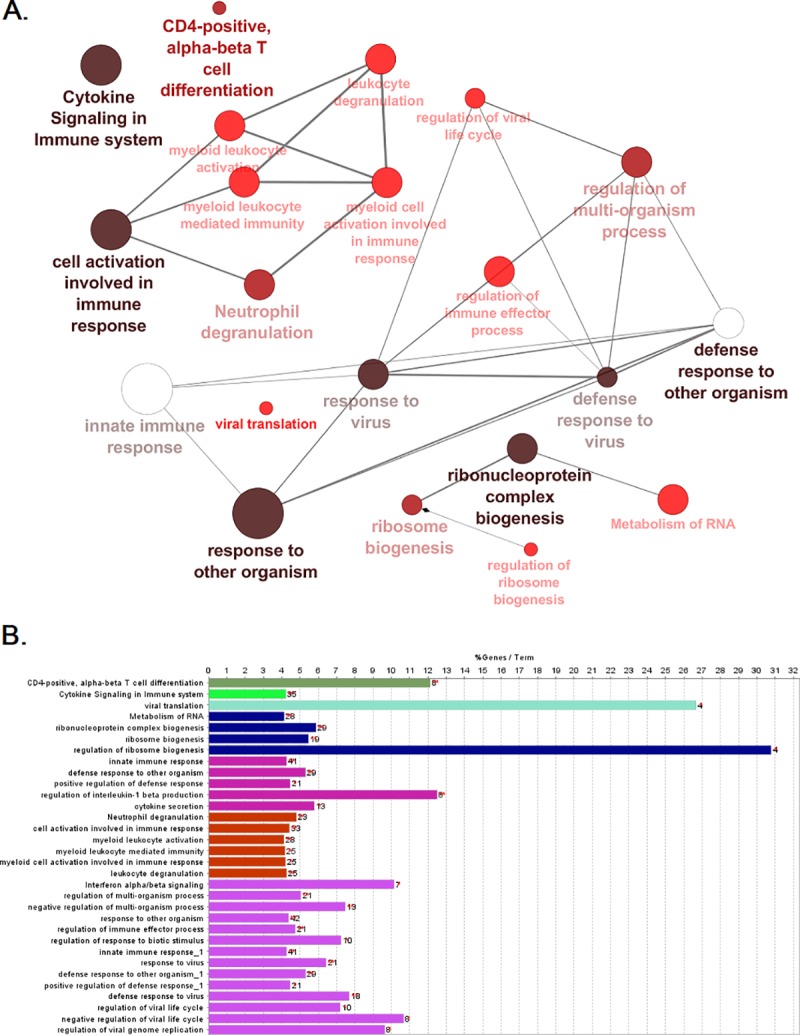
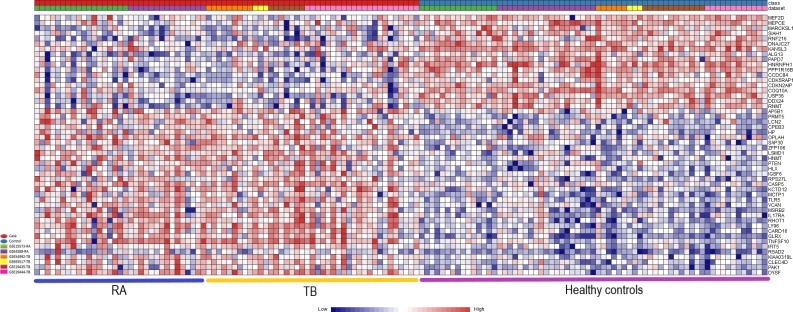
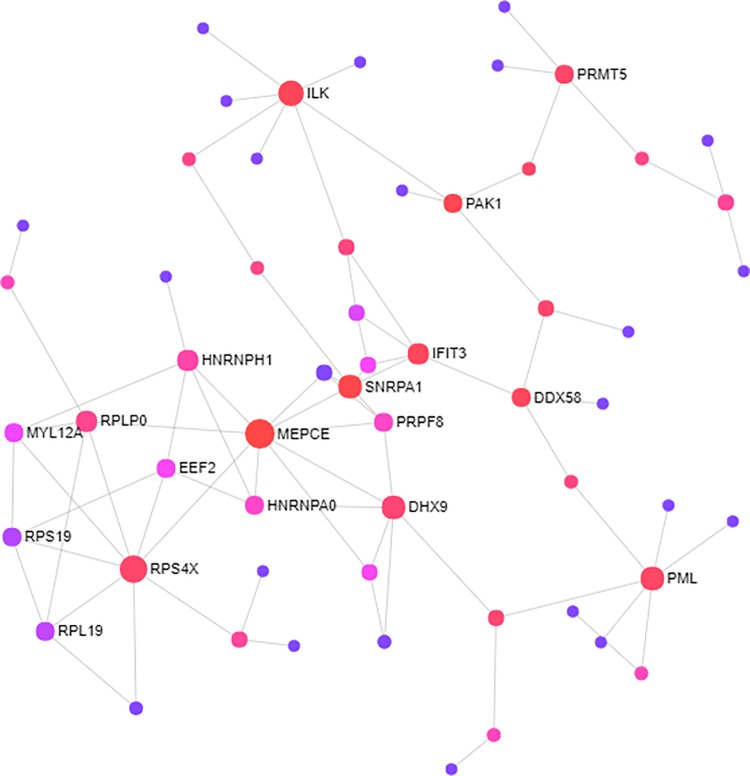
Tuberculosis (TB) is among the leading causes of death by infectious diseases. An epidemiological association between Mycobacterium tuberculosis infection and autoimmune diseases like rheumatoid arthritis (RA) has been reported but it remains unclear if there is a causal relationship, and if so, which molecular pathways and regulatory mechanisms contribute to it. Here we used a computational biology approach by global gene expression meta-analysis to identify candidate genes and pathways that may link TB and RA. Data were collected from public expression databases such as NCBI GEO. Studies were selected that analyzed mRNA-expression in whole blood or blood cell populations in human case control studies at comparable conditions. Six TB and RA datasets (41 active TB patients, 33 RA patients, and 67 healthy controls) were included in the downstream analysis. This approach allowed the identification of deregulated genes that had not been identified in the single analysis of TB or RA patients and that were co-regulated in TB and RA patients compared to healthy subjects. The genes encoding TLR5, TNFSF10/TRAIL, PPP1R16B/TIMAP, SIAH1, PIK3IP1, and IL17RA were among the genes that were most significantly deregulated in TB and RA. Pathway enrichment analysis revealed 'T cell receptor signaling pathway', 'Toll-like receptor signaling pathway,' and 'virus defense related pathways' among the pathways most strongly associated with both diseases. The identification of a common gene signature and pathways substantiates the observation of an epidemiological association of TB and RA and provides clues on the mechanistic basis of this association. Newly identified genes may be a basis for future functional and epidemiological studies.
结核病(TB)是传染病导致死亡的主要原因之一。已经报道了结核分枝杆菌感染与类风湿关节炎(RA)等自身免疫性疾病之间存在流行病学关联,但尚不清楚是否存在因果关系,如果存在,哪些分子途径和调节机制与之相关。在这里,我们使用了一种全局基因表达荟萃分析的计算生物学方法来识别可能将结核病和 RA 联系起来的候选基因和途径。数据来自 NCBI GEO 等公共表达数据库。选择了在可比条件下分析全血或血细胞群体中人类病例对照研究中 mRNA 表达的研究进行分析。共有六个结核病和 RA 数据集(41 例活动性结核病患者、33 例 RA 患者和 67 名健康对照者)被纳入下游分析。这种方法允许识别在单个结核病或 RA 患者分析中未发现的失调基因,以及与健康受试者相比,在结核病和 RA 患者中共同调节的基因。编码 TLR5、TNFSF10/TRAIL、PPP1R16B/TIMAP、SIAH1、PIK3IP1 和 IL17RA 的基因是在结核病和 RA 中最显著失调的基因之一。途径富集分析显示,“T 细胞受体信号通路”、“Toll 样受体信号通路”和“病毒防御相关途径”是与这两种疾病最密切相关的途径之一。共同基因特征和途径的鉴定证实了结核病和 RA 之间存在流行病学关联的观察结果,并为该关联的机制基础提供了线索。新鉴定的基因可能是未来功能和流行病学研究的基础。