Molecular Mechanisms and Biomarkers Group, International Agency for Research on Cancer, Lyon 69008, France.
Centre for Computational Biology, Duke-NUS Medical School, Singapore 169857, Singapore.
Genome Res. 2019 Apr;29(4):521-531. doi: 10.1101/gr.242453.118. Epub 2019 Mar 7.
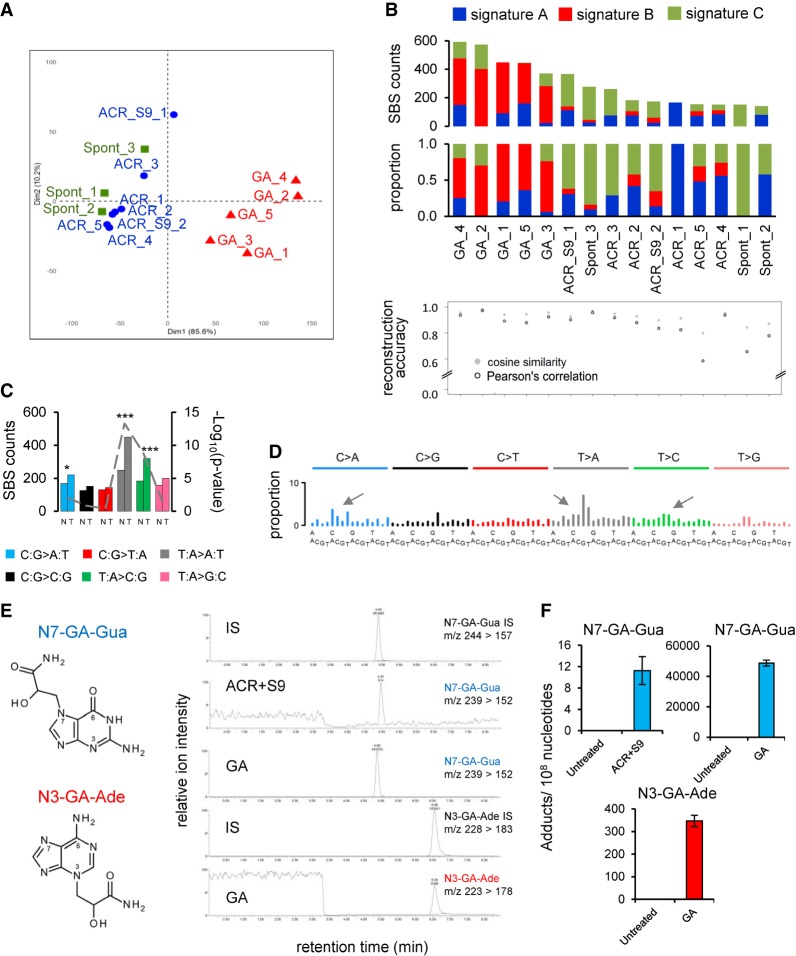
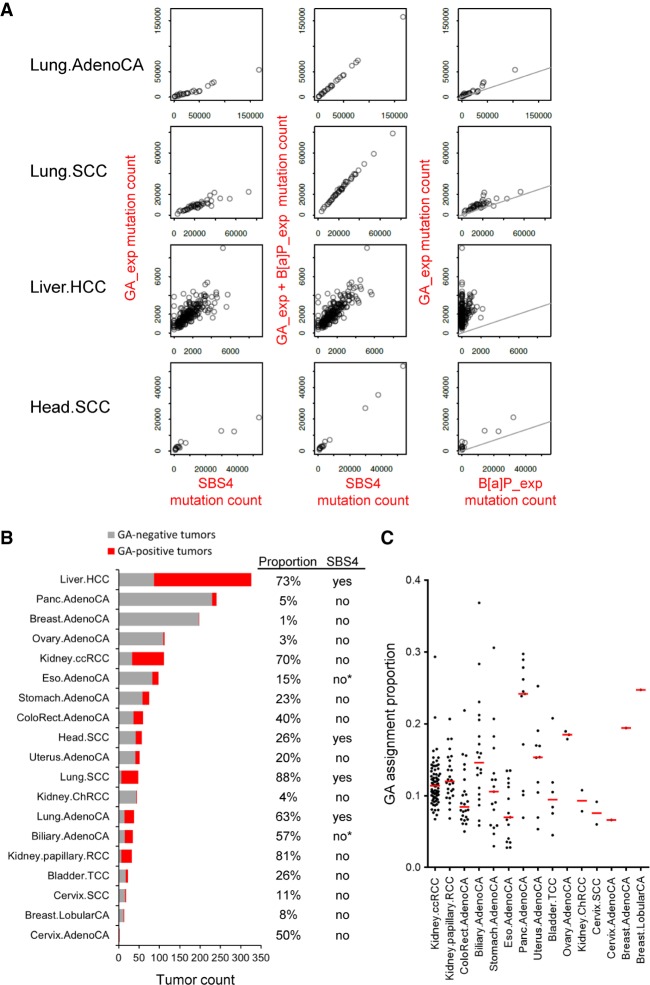
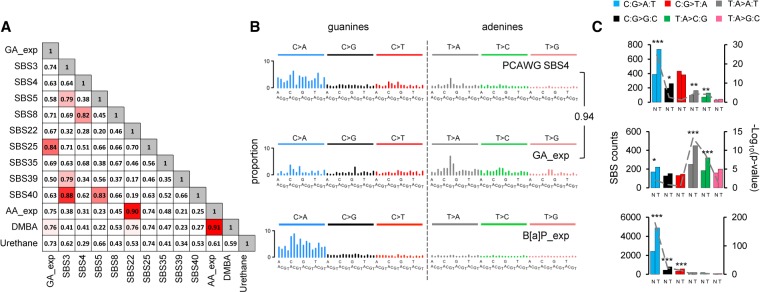
Humans are frequently exposed to acrylamide, a probable human carcinogen found in commonplace sources such as most heated starchy foods or tobacco smoke. Prior evidence has shown that acrylamide causes cancer in rodents, yet epidemiological studies conducted to date are limited and, thus far, have yielded inconclusive data on association of human cancers with acrylamide exposure. In this study, we experimentally identify a novel and unique mutational signature imprinted by acrylamide through the effects of its reactive metabolite glycidamide. We next show that the glycidamide mutational signature is found in a full one-third of approximately 1600 tumor genomes corresponding to 19 human tumor types from 14 organs. The highest enrichment of the glycidamide signature was observed in the cancers of the lung (88% of the interrogated tumors), liver (73%), kidney (>70%), bile duct (57%), cervix (50%), and, to a lesser extent, additional cancer types. Overall, our study reveals an unexpectedly extensive contribution of acrylamide-associated mutagenesis to human cancers.
人类经常接触丙烯酰胺,这是一种常见来源的潜在人类致癌物,如大多数加热的淀粉类食物或烟草烟雾。先前的证据表明丙烯酰胺会导致啮齿动物致癌,但迄今为止进行的流行病学研究有限,并且迄今关于人类癌症与丙烯酰胺暴露的相关性的数据尚无定论。在这项研究中,我们通过其反应代谢物丙烯醛的作用,实验性地鉴定了丙烯酰胺留下的新型独特突变特征。接下来,我们表明,丙烯醛的突变特征在大约 1600 个肿瘤基因组中的三分之一中被发现,这些肿瘤对应于来自 14 个器官的 19 个人类肿瘤类型。在被检测的肿瘤中,肺癌(88%)、肝癌(73%)、肾癌(>70%)、胆管癌(57%)、宫颈癌(50%)中丙烯醛特征的富集最高,此外还有其他一些癌症类型也有一定程度的富集。总的来说,我们的研究揭示了丙烯酰胺相关突变对人类癌症的意外广泛贡献。