Wu Kai, Yin Xiaotao, Jin Yipeng, Liu Fangfang, Gao Jiangping
1Department of Urology, Chinese PLA General Hospital, Beijing, China.
2Department of Urology, First Affiliated Hospital of Chinese PLA General Hospital, Beijing, China.
Cancer Cell Int. 2019 Mar 5;19:51. doi: 10.1186/s12935-019-0763-8. eCollection 2019.
Methylation plays a key role in the aetiology and pathogenesis of prostate cancer (PCa). This study aimed to identify aberrantly methylated differentially expressed genes (DEGs) and pathways in PCa and explore the underlying mechanisms of tumourigenesis.
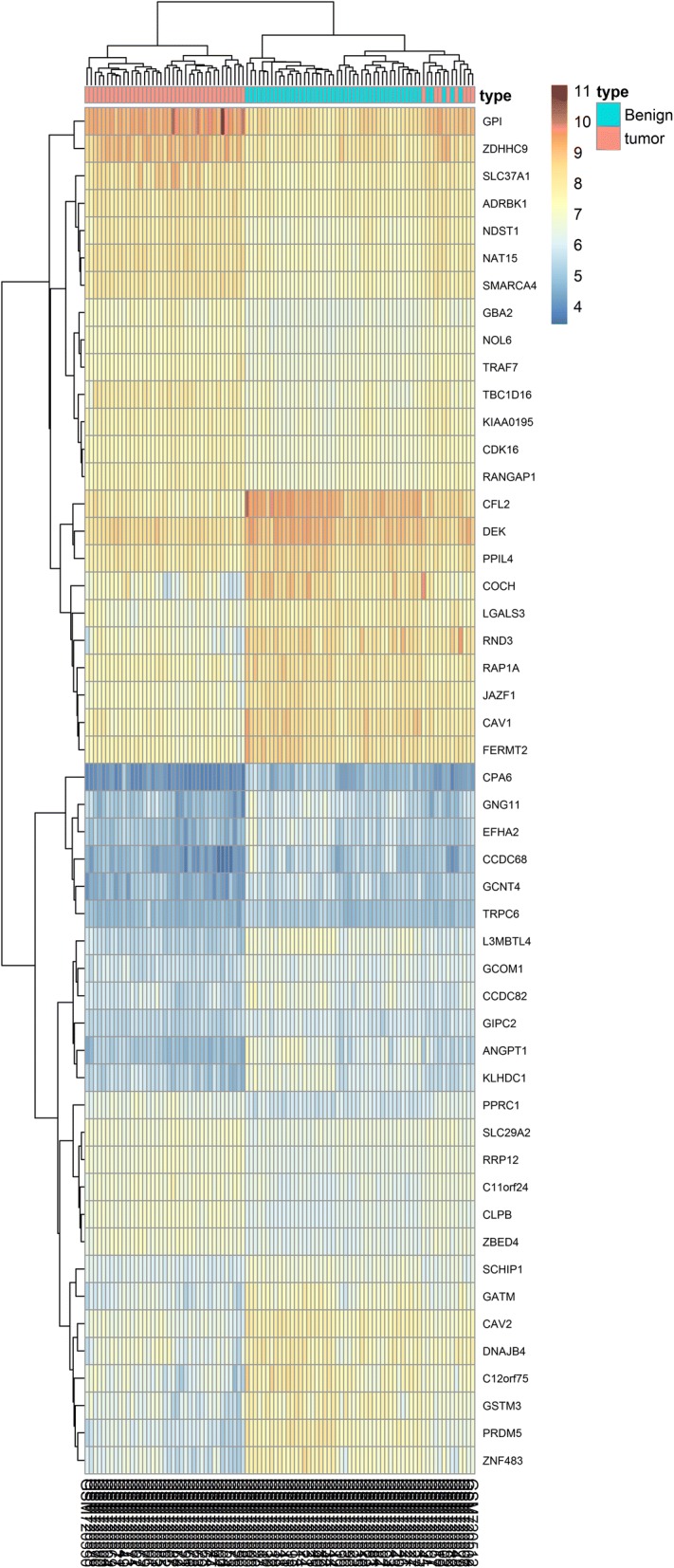
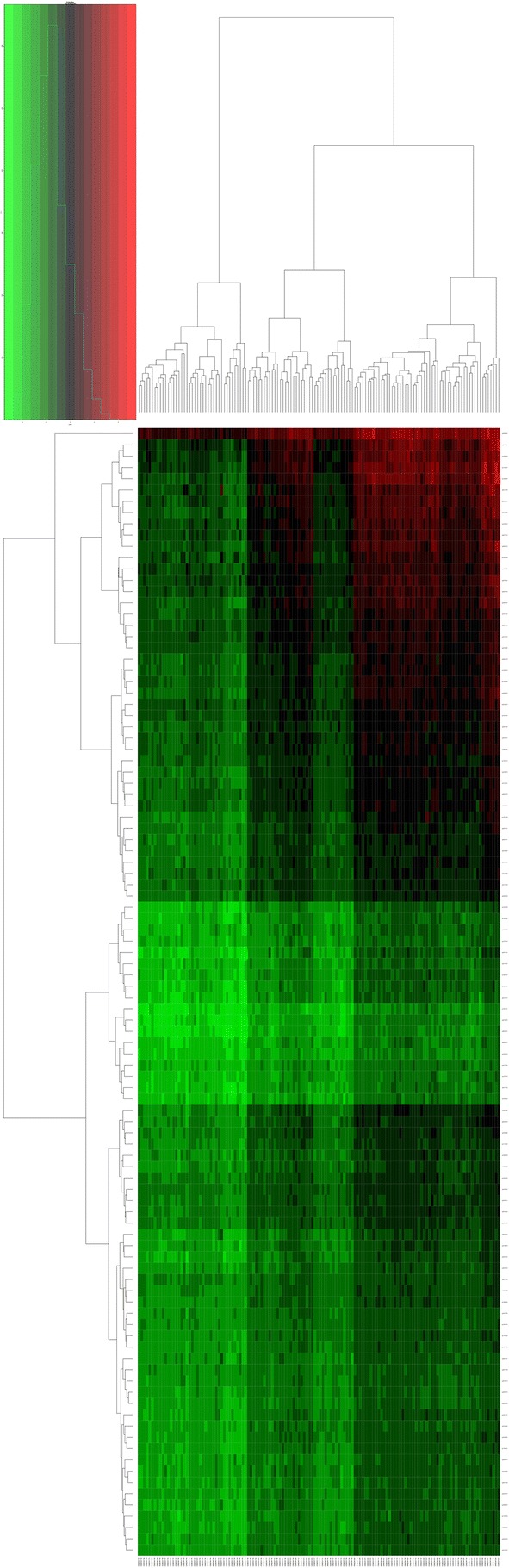
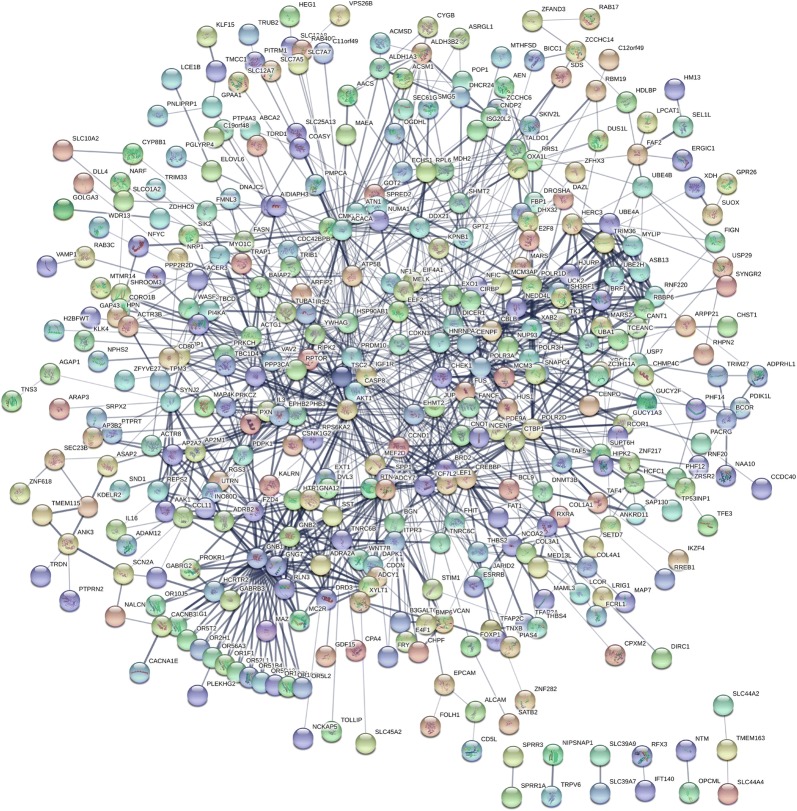
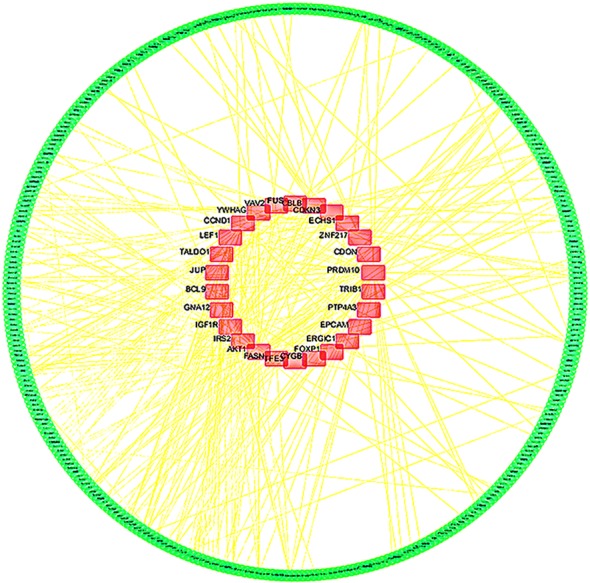
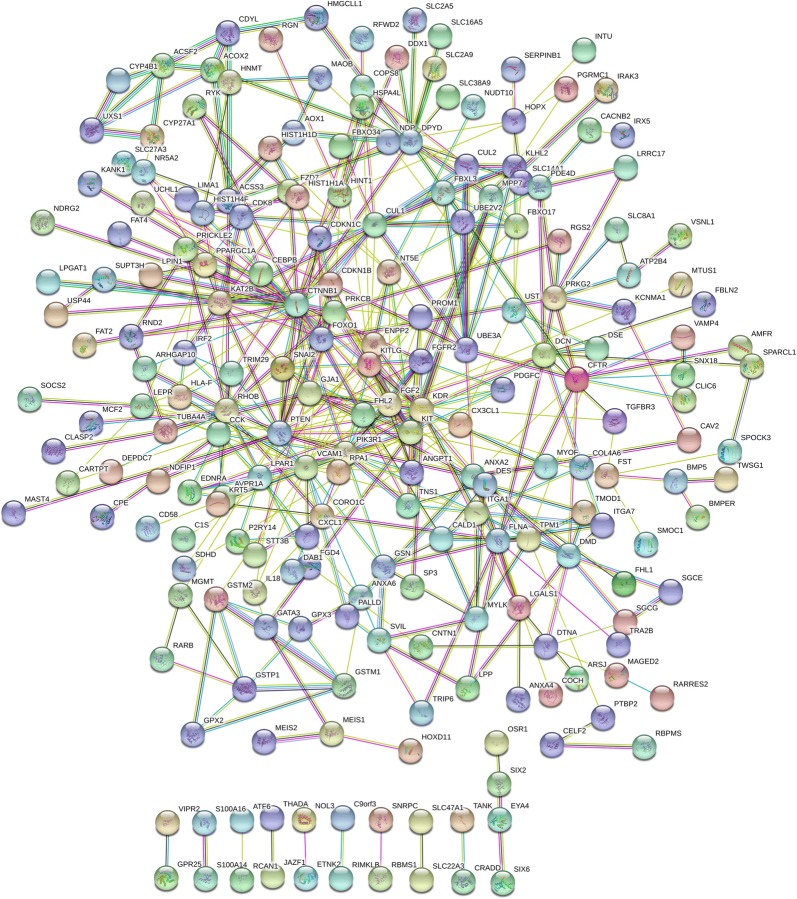
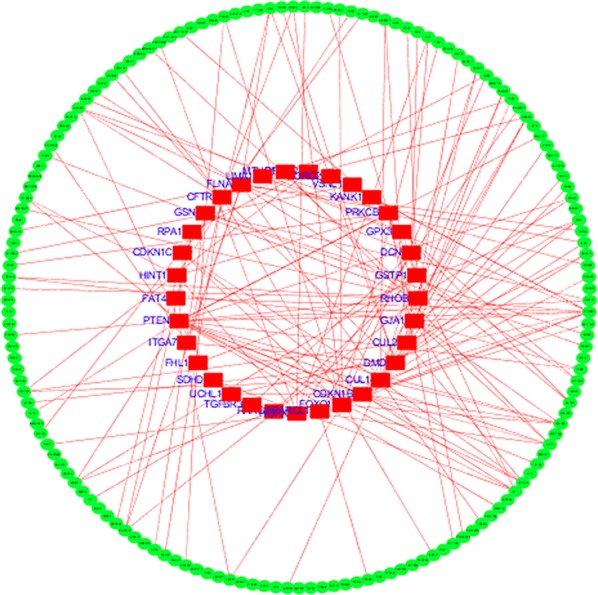
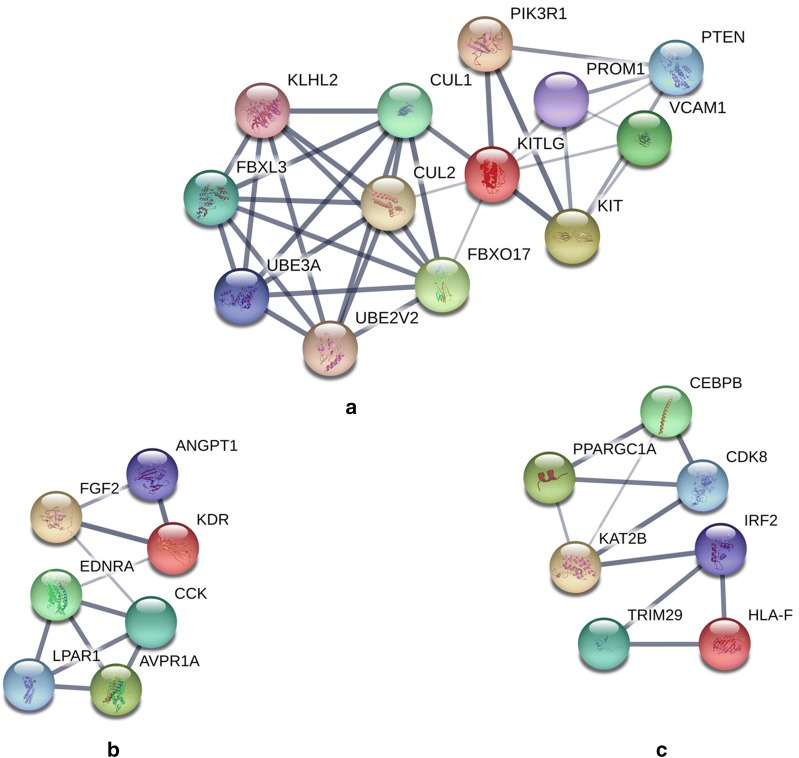
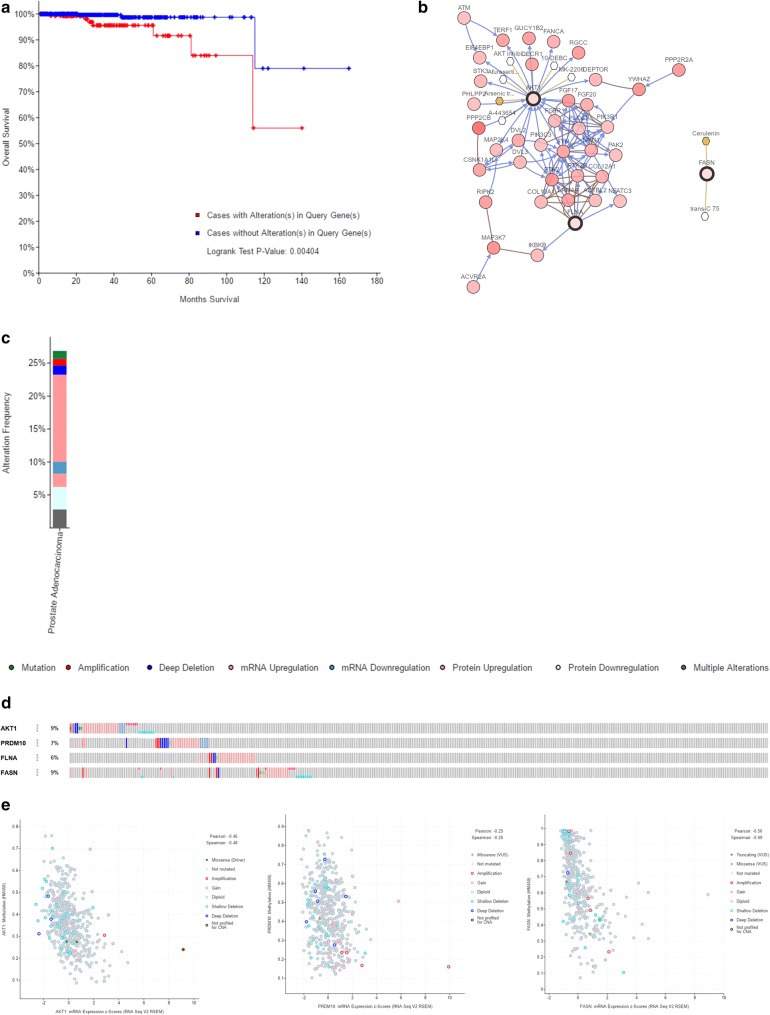
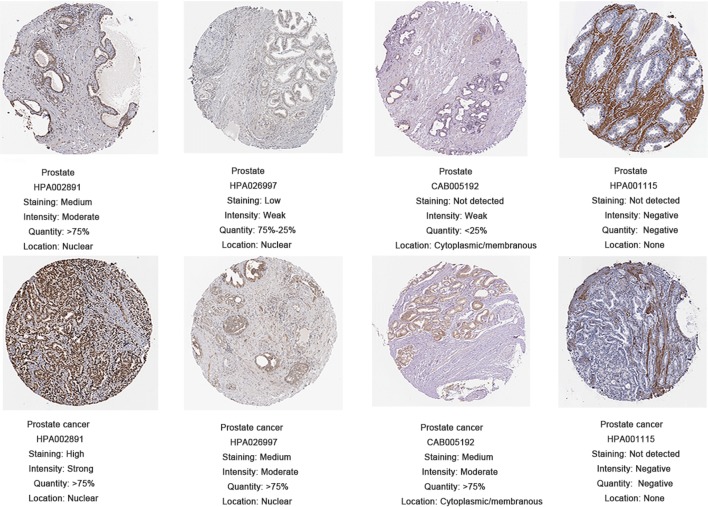
Expression profile (GSE29079) and methylation profile (GSE76938) datasets were obtained from the Gene Expression Omnibus (GEO). We used R 3.4.4 software to assess aberrantly methylated DEGs. The Cancer Genome Atlas (TCGA) RNA sequencing and Illumina HumanMethylation450 DNA methylation data were utilized to validate screened genes. Functional enrichment analysis of the screened genes was performed, and a protein-protein interaction (PPI) network was constructed using the Search Tool for the Retrieval of Interacting Gens (STRING). The results were visualized in Cytoscape. After confirmation using TCGA, cBioPortal was used to examine alterations in genes of interest. Then, protein localization in PCa cells was observed using immunohistochemistry.
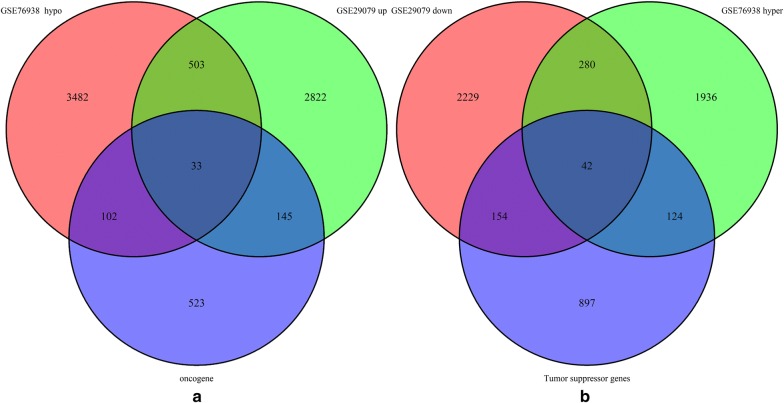
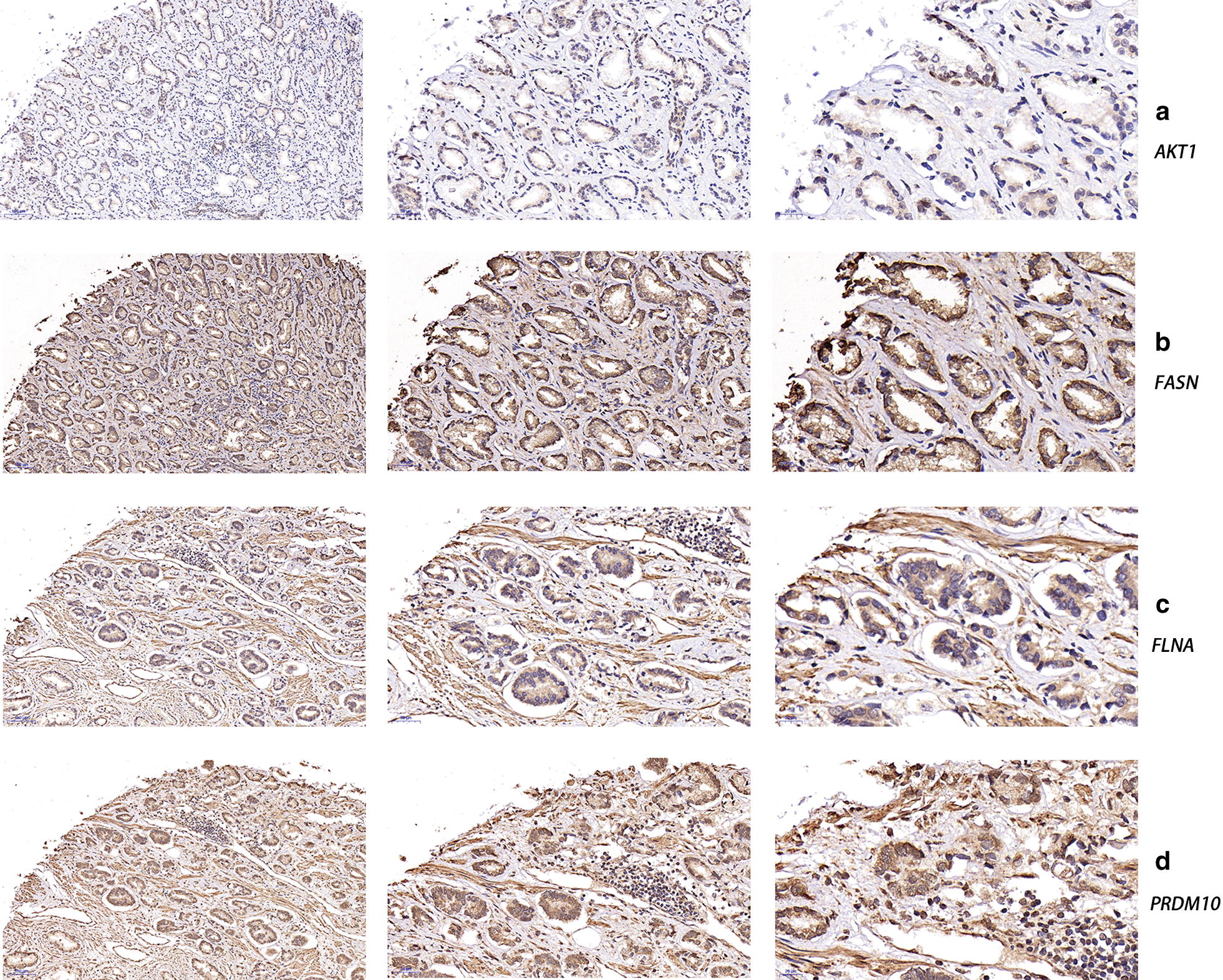
Overall, 536 hypomethylated upregulated genes were identified that were enriched in biological processes such as negative regulation of transcription, osteoblast differentiation, intracellular signal transduction, and the Wnt signalling pathway. Pathway enrichment showed significant changes in factors involved in AMPK signalling, cancer, and adherens junction pathways. The hub oncogenes were , , and . Additionally, 322 hypermethylated downregulated genes were identified that demonstrated enrichment in biological processes including positive regulation of the MAPK cascade, muscle contraction, ageing, and signal transduction. Pathway analysis indicated enrichment in arrhythmogenic right ventricular cardiomyopathy (ARVC), focal adhesion, dilated cardiomyopathy, and PI3K-AKT signalling. The hub tumour suppressor gene was . Immunohistochemistry showed that , , and were mainly expressed in PCa cell cytoplasm, while was mainly expressed in nuclei.
Our results identify numerous novel genetic and epigenetic regulatory networks and offer molecular evidence crucial to understanding the pathogenesis of PCa. Aberrantly methylated hub genes, including , , and , can be used as biomarkers for accurate PCa diagnosis and treatment. In conclusion, our study suggests that , , and may be tumour promoters and that may be a tumour suppressor in PCa. We hope these findings will draw more attention to these hub genes in future cancer studies.
甲基化在前列腺癌(PCa)的病因学和发病机制中起关键作用。本研究旨在鉴定PCa中异常甲基化的差异表达基因(DEGs)及其相关通路,并探索肿瘤发生的潜在机制。
从基因表达综合数据库(GEO)获取表达谱(GSE29079)和甲基化谱(GSE76938)数据集。我们使用R 3.4.4软件评估异常甲基化的DEGs。利用癌症基因组图谱(TCGA)的RNA测序和Illumina HumanMethylation450 DNA甲基化数据对筛选出的基因进行验证。对筛选出的基因进行功能富集分析,并使用搜索相互作用基因工具(STRING)构建蛋白质-蛋白质相互作用(PPI)网络。结果在Cytoscape中可视化。经TCGA确认后,使用cBioPortal检查感兴趣基因的改变。然后,通过免疫组织化学观察PCa细胞中的蛋白质定位。
总体而言,共鉴定出536个低甲基化上调基因,这些基因富集于转录负调控、成骨细胞分化、细胞内信号转导和Wnt信号通路等生物学过程。通路富集显示,参与AMPK信号传导、癌症和黏附连接通路的因子有显著变化。核心癌基因有 、 和 。此外,还鉴定出322个高甲基化下调基因,这些基因在包括MAPK级联的正调控、肌肉收缩、衰老和信号转导等生物学过程中表现出富集。通路分析表明,这些基因在致心律失常性右室心肌病(ARVC)、粘着斑、扩张型心肌病和PI3K-AKT信号传导中富集。核心肿瘤抑制基因是 。免疫组织化学显示, 、 和 主要在PCa细胞质中表达,而 主要在细胞核中表达。
我们的研究结果鉴定出众多新的遗传和表观遗传调控网络,为理解PCa的发病机制提供了关键的分子证据。包括 、 、 和 在内的异常甲基化核心基因可作为PCa准确诊断和治疗的生物标志物。总之,我们的研究表明, 、 和 可能是肿瘤促进因子,而 在PCa中可能是肿瘤抑制因子。我们希望这些发现能在未来的癌症研究中引起对这些核心基因更多的关注。