Bai Ming, Liu Baosong, Peng Mengfan, Jia Jiaojiao, Fang Xiaoyan, Miao Mingsan
Pharmacology Laboratory, Henan University of Chinese Medicine, Zhengzhou, China.
Saudi J Biol Sci. 2019 Mar;26(3):569-576. doi: 10.1016/j.sjbs.2018.11.019. Epub 2018 Nov 26.
Explore the possible protective effect of total phenolic acids on cerebral ischemia reperfusion injury rats.
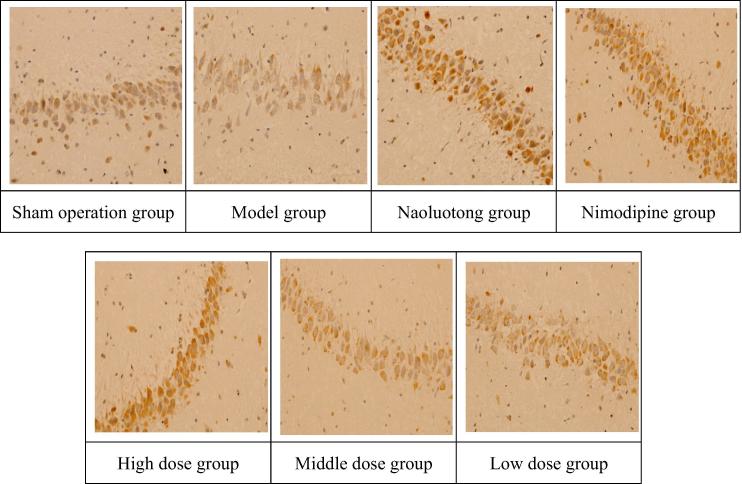
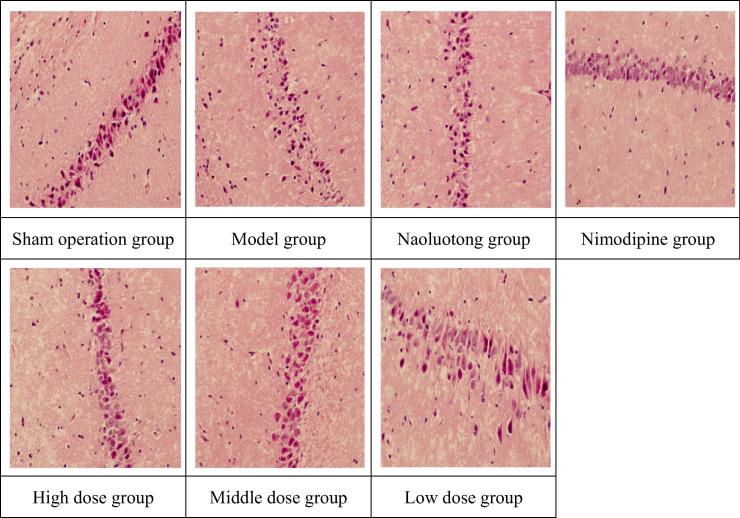
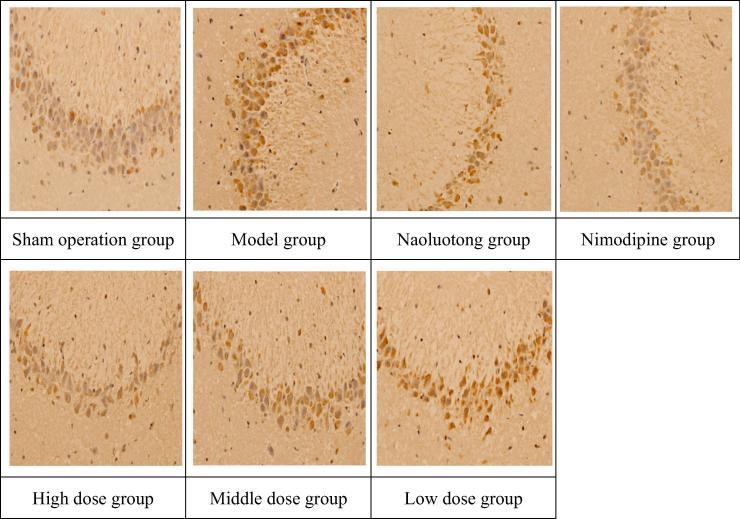
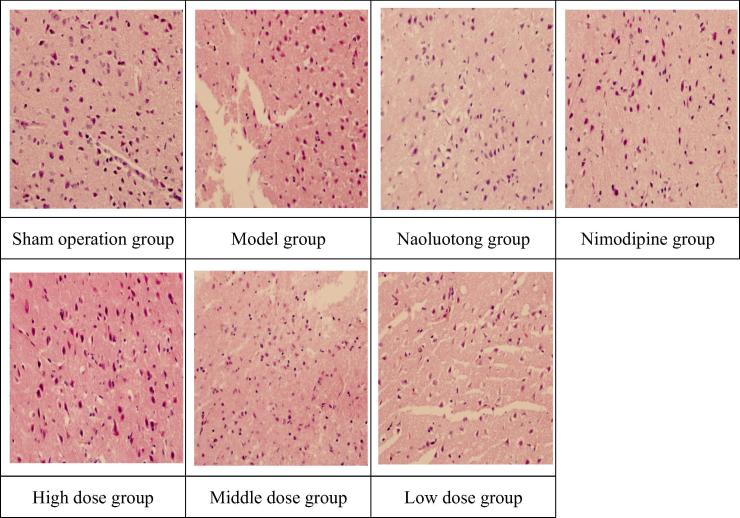
Focal cerebral ischemia reperfusion rats model were established by linear thrombus. Nimodipine group, Naoluotong group, the high, middle and low dose of total phenolic acids groups were given related drugs via intragastric administration before operation for seven days, once a day. At the same time sham operation group, and ischemia reperfusion group were given the same volume of physiological saline. One hour after the last administration, establish focal cerebral ischemia- reperfusion model in rats by thread method, and the thread was taken out after 2 h ischemia to achieve cerebral ischemia reperfusion injury in rats. After reperfusion for 24 h, the rats were given neurologic deficit score. The brain tissue was taken to measure the levels of IL-6, IL-1β, TNF-α, Bcl-2, Bax, Casp-3 and ICAM-1; HE staining observed histopathological changes in the hippocampus and cortical areas of the brain; Immunohistochemistry was used to observe the expression of NGF and NF-KBp65.
Focal cerebral ischemia reperfusion rats model was copyed successed. Compared with model group, each dose group of total phenolic acids could decreased the neurologic deficit score ( < 0.05 or < 0.01), decreased the levels of IL-6, IL-1β, ICAM-1, TNF-α, Bax and Caspase-3 in brain tissue ( < 0.05 or < 0.01), increased the levels of IL-10, Bcl-2, NGF in brain tissue ( < 0.05 or < 0.01), decreased the express of NF-KBp65 in brain ( < 0.05 or < 0.01).
total phenolic acids can improve focal cerebral ischemia reperfusion injury rats tissue inflammation, apoptosis pathway, increase nutrition factor to protect the neurons, reduce the apoptosis of nerve cells, activate brain cells self-protect, improve the histopathological changes in the hippocampus and cortical areas of the brain, reduce cerebral ischemia reperfusion injury.
探讨总酚酸对脑缺血再灌注损伤大鼠的可能保护作用。
采用线栓法建立局灶性脑缺血再灌注大鼠模型。尼莫地平组、脑络通组、总酚酸高、中、低剂量组在术前7天每天经胃内给药相关药物1次。同时,假手术组和缺血再灌注组给予相同体积的生理盐水。末次给药1小时后,采用线栓法建立大鼠局灶性脑缺血再灌注模型,缺血2小时后取出线栓以造成大鼠脑缺血再灌注损伤。再灌注24小时后,对大鼠进行神经功能缺损评分。取脑组织测定白细胞介素-6(IL-6)、白细胞介素-1β(IL-1β)、肿瘤坏死因子-α(TNF-α)、Bcl-2、Bax、半胱天冬酶-3(Casp-3)和细胞间黏附分子-1(ICAM-1)水平;苏木精-伊红(HE)染色观察脑海马和皮质区域的组织病理学变化;免疫组织化学法观察神经生长因子(NGF)和核因子-κB p65(NF-κBp65)的表达。
成功复制局灶性脑缺血再灌注大鼠模型。与模型组相比,总酚酸各剂量组均可降低神经功能缺损评分(P<0.05或P<0.01),降低脑组织中IL-6、IL-1β、ICAM-1、TNF-α、Bax和Caspase-3水平(P<0.05或P<0.01),升高脑组织中IL-10、Bcl-2、NGF水平(P<0.05或P<0.01),降低脑内NF-κBp65表达(P<0.05或P<0.01)。
总酚酸可改善局灶性脑缺血再灌注损伤大鼠的组织炎症、凋亡途径,增加营养因子以保护神经元,减少神经细胞凋亡,激活脑细胞自身保护,改善脑海马和皮质区域的组织病理学变化,减轻脑缺血再灌注损伤。