Zamzami Mazin A, Baothman Othman A S, Samy Fatma, Abo-Golayel Mohamed Kamel
Biochemistry Department, Faculty of Science, King Abdulaziz University, Jeddah, Saudi Arabia.
Microbial Toxicology & Natural Products Centre, Faculty of Science, King Abdulaziz University, Saudi Arabia.
Evid Based Complement Alternat Med. 2019 Mar 7;2019:5947234. doi: 10.1155/2019/5947234. eCollection 2019.
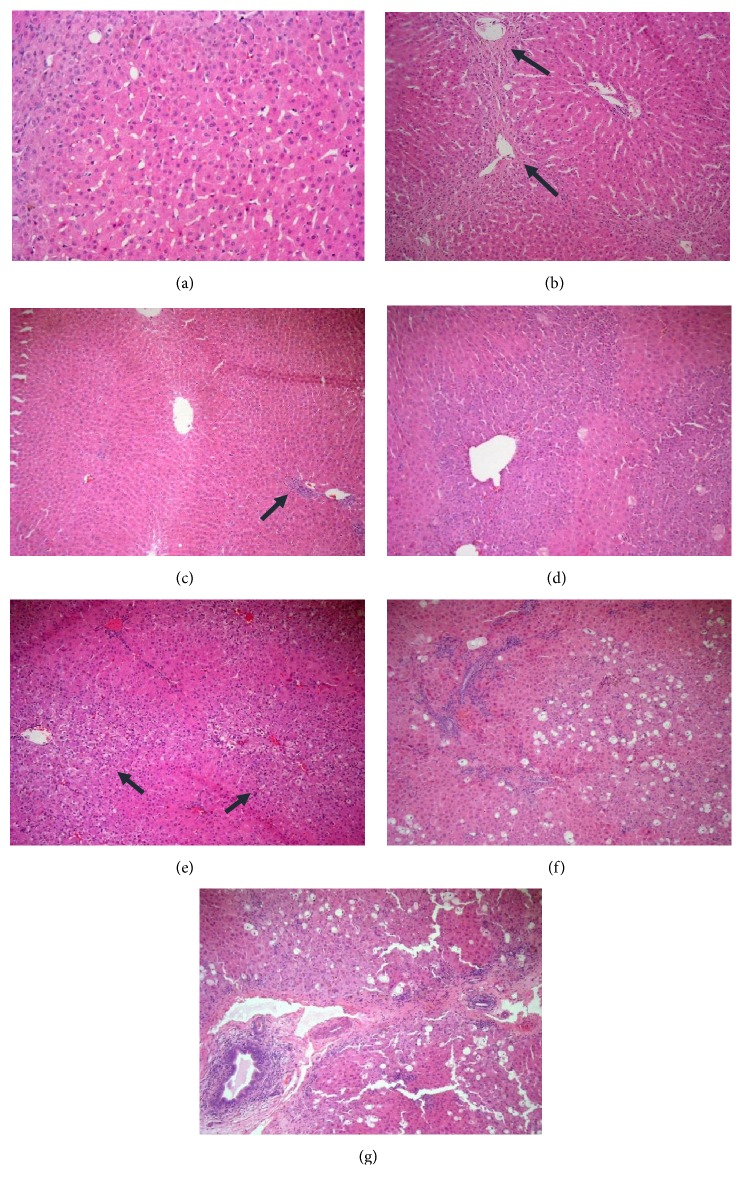
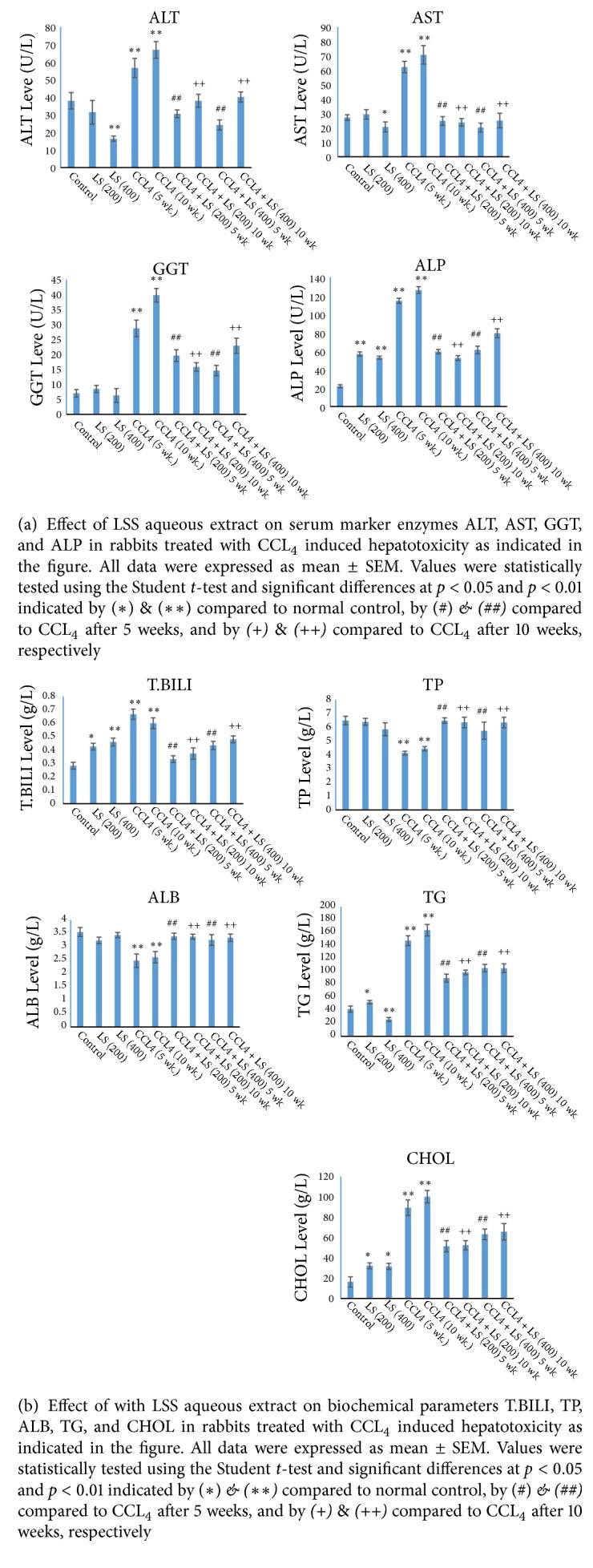
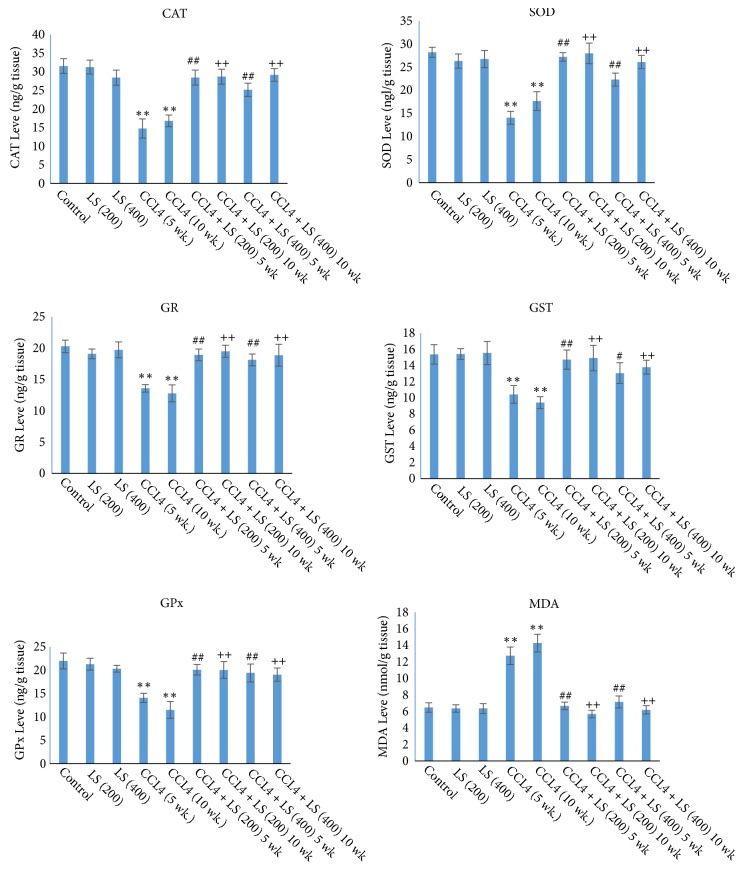
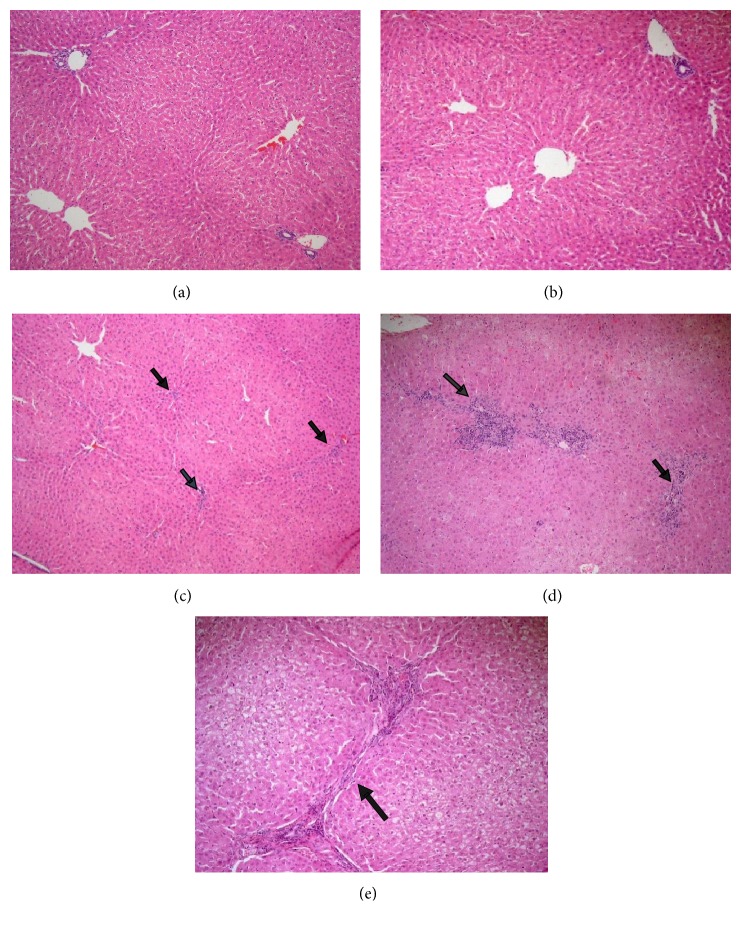
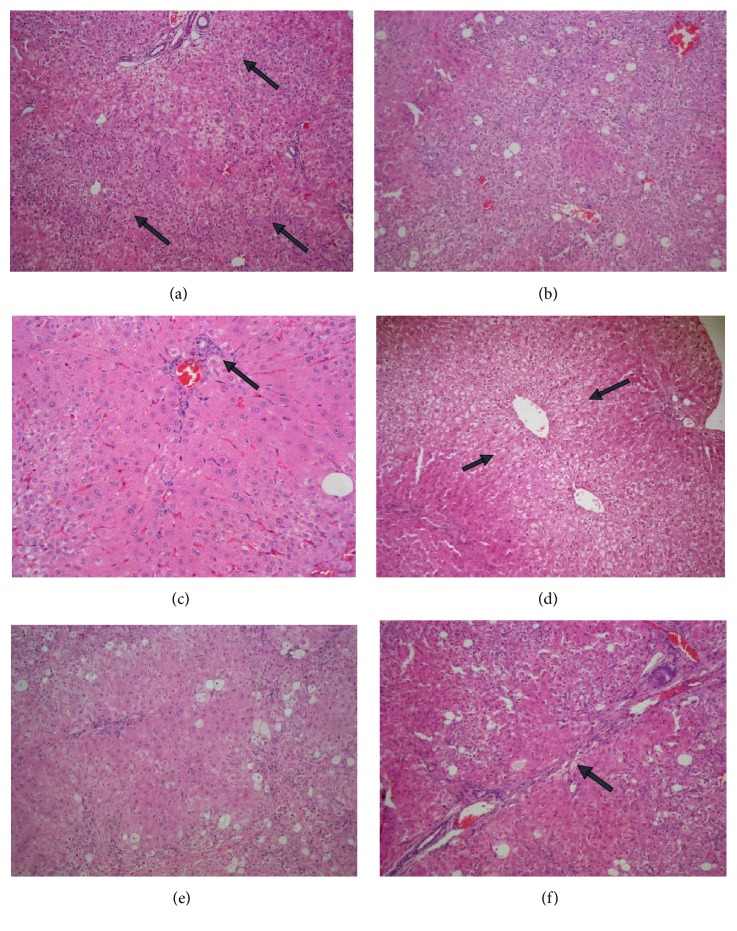
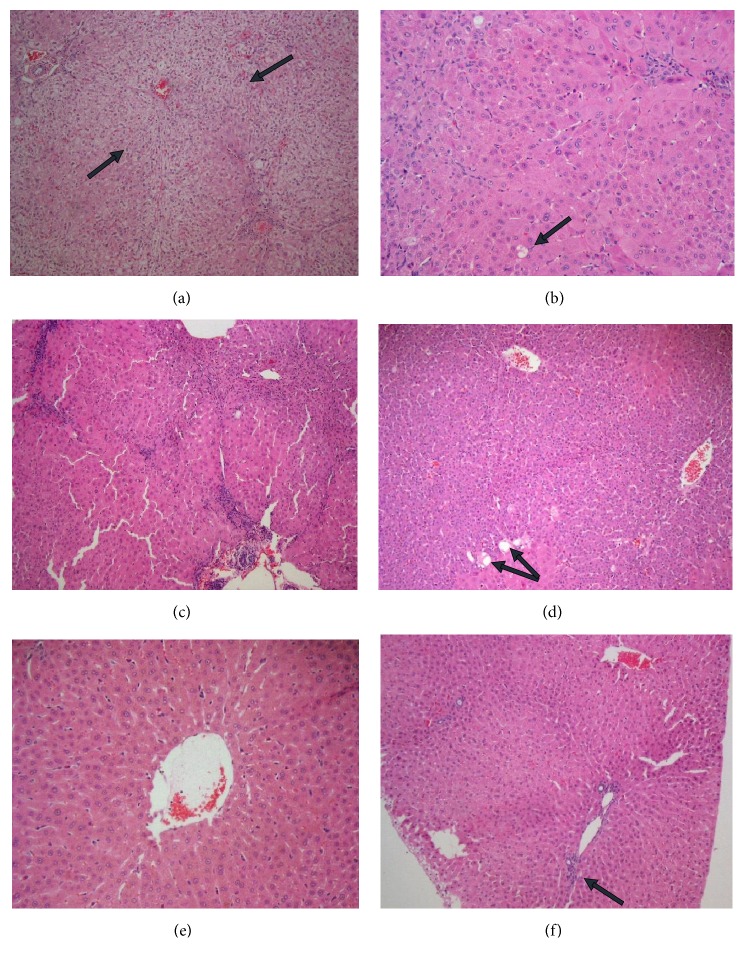
The current study aimed to evaluate the probable protective effect of seeds (LSS) against CCl induced hepatic injury in New-Zealand rabbits. Rabbits were randomly divided into two main groups; group-A (noninjured group, n=15) was divided to subgroups A1 (untreated control) and A2 and A3 which received 200 & 400 mg/kg bw of LSS, respectively, in their diet daily. Group-B (injured group, n=30) were subcutaneously injected with CCl (0.5 ml/kg bw) starting from day one of the experiment and were equally divided into 3 subgroups: B1 received normal standard diet and B2 & B3 received 200 & 400 mg/kg bw of LSS, respectively, in their diet daily. Five rabbits of all subgroups were decapitated 5 and 10 weeks after experimental running. Biochemical analysis revealed significant decrease in serum levels of transaminases, -GT, ALP, total bilirubin, cholesterol, triglycerides associated with significant increase in the serum levels of T protein and albumin of 200 and 400 mg/kg bw of LSS protected rabbits for 5 and 10 weeks as compared with CCl treated rabbits. Oxidative stress and depressed antioxidant system of the liver tissues were markedly obvious in the CCl treated group. LSS administration reversed these results towards normalization. Histopathological examination of LSS protected rabbits (200 mg/kg bw of LSS for 10 weeks) showed improvement of the histoarchitectural changes of the liver induced by CCl to the normal aspect, showing regenerating hepatocytes with no steatosis, discrete chronic venous congestion, and discrete inflammatory infiltrate. The current findings provide new evidence that LSS could reverse the hepatotoxic effects of CCl and repair the liver functions.
本研究旨在评估种子(LSS)对新西兰兔四氯化碳诱导的肝损伤的可能保护作用。兔子被随机分为两个主要组;A组(未损伤组,n = 15)分为A1亚组(未处理对照组)和A2及A3亚组,它们分别在日常饮食中接受200和400 mg/kg体重的LSS。B组(损伤组,n = 30)从实验第一天开始皮下注射四氯化碳(0.5 ml/kg体重),并平均分为3个亚组:B1组接受正常标准饮食,B2和B3组分别在日常饮食中接受200和400 mg/kg体重的LSS。在实验进行5周和10周后,对所有亚组的5只兔子进行断头处死。生化分析显示,与四氯化碳处理的兔子相比,200和400 mg/kg体重的LSS保护的兔子在5周和10周时,血清转氨酶、γ-谷氨酰转移酶、碱性磷酸酶、总胆红素、胆固醇、甘油三酯水平显著降低,同时血清总蛋白和白蛋白水平显著升高。四氯化碳处理组肝脏组织的氧化应激和抗氧化系统抑制明显。给予LSS可使这些结果恢复正常。对LSS保护的兔子(200 mg/kg体重的LSS处理10周)进行组织病理学检查显示,四氯化碳诱导的肝脏组织学结构变化改善至正常状态,可见再生肝细胞,无脂肪变性、散在的慢性静脉淤血和散在的炎症浸润。目前的研究结果提供了新的证据,表明LSS可以逆转四氯化碳的肝毒性作用并修复肝功能。