CAS Key Laboratory of Marine Ecology and Environmental Sciences, Institute of Oceanology, Chinese Academy of Sciences, Qingdao, China.
University of Chinese Academy of Sciences, Beijing, China.
PLoS One. 2019 Apr 18;14(4):e0215158. doi: 10.1371/journal.pone.0215158. eCollection 2019.
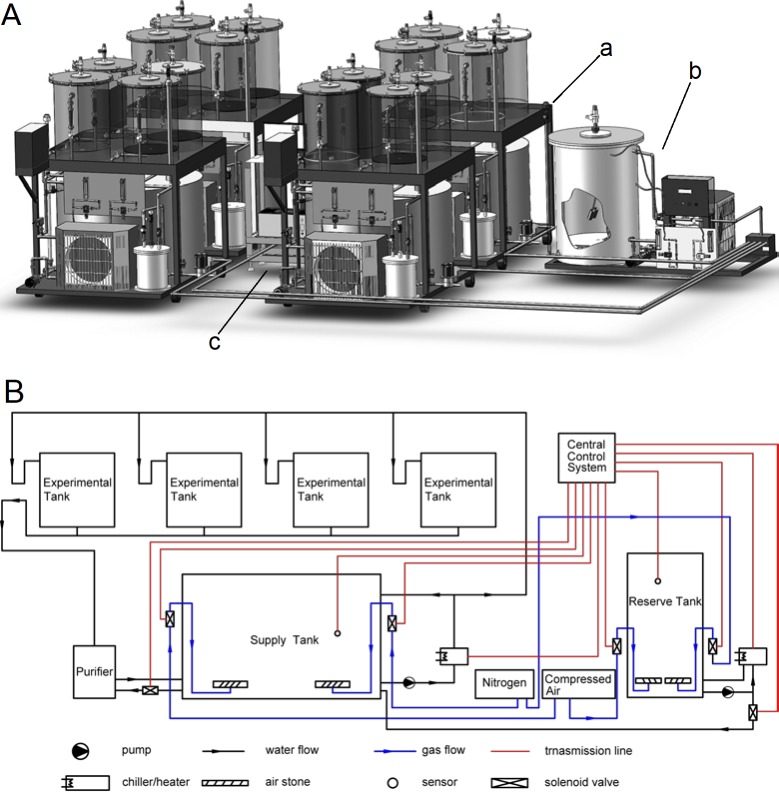
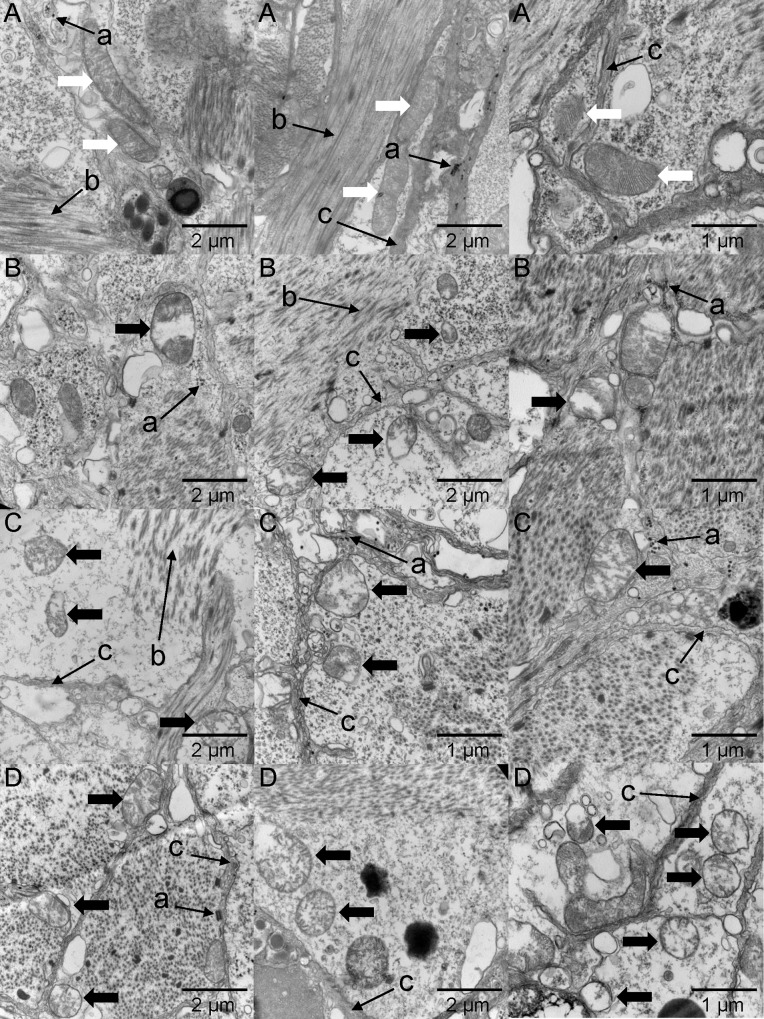
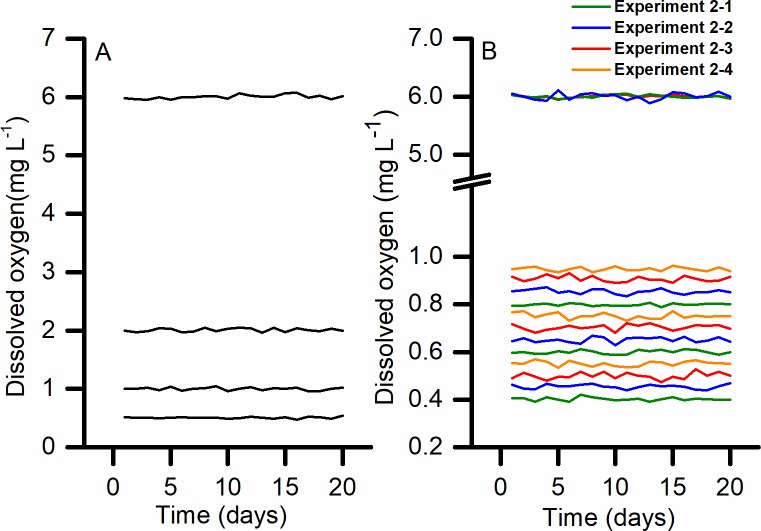
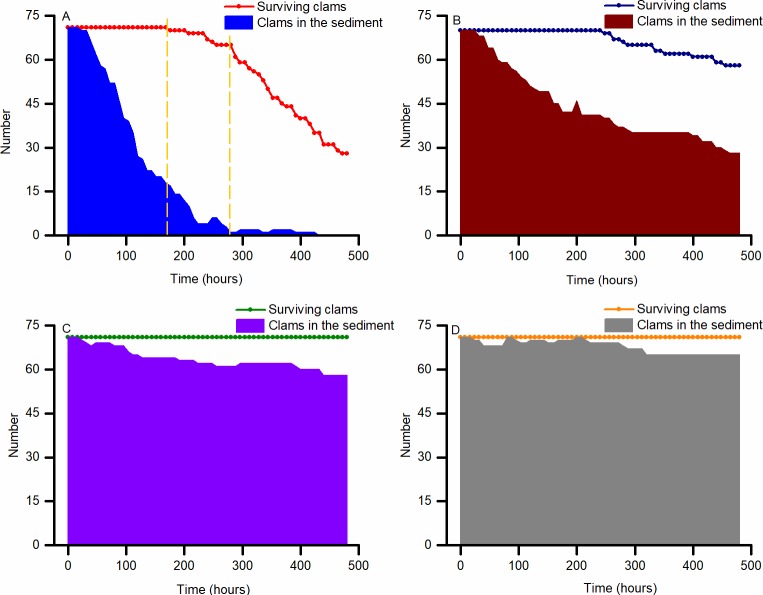
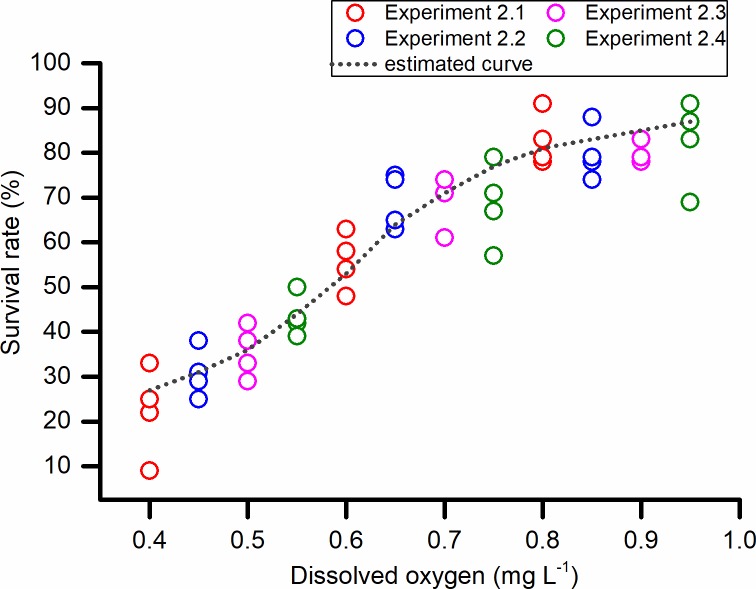
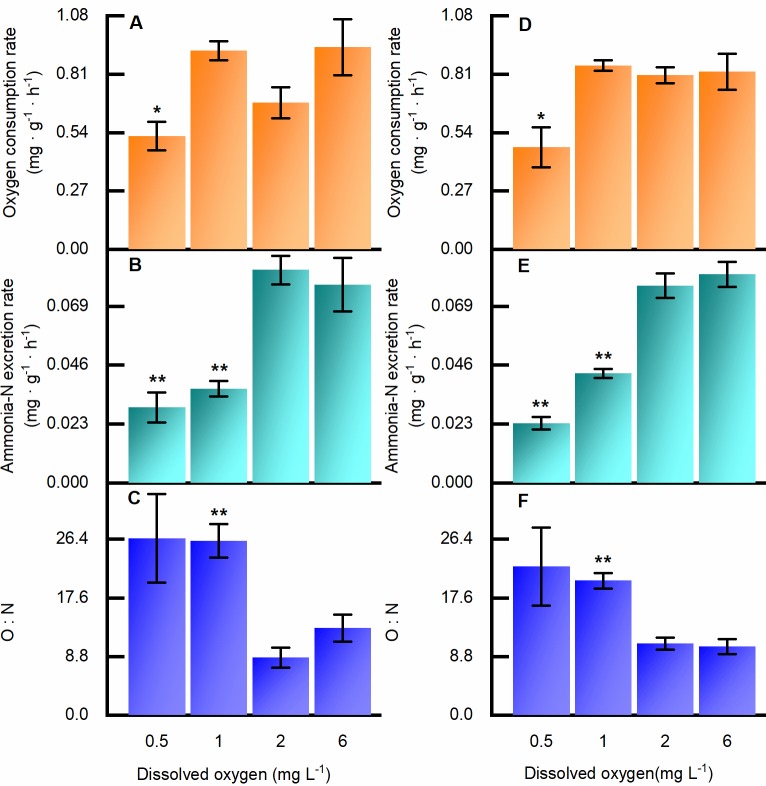
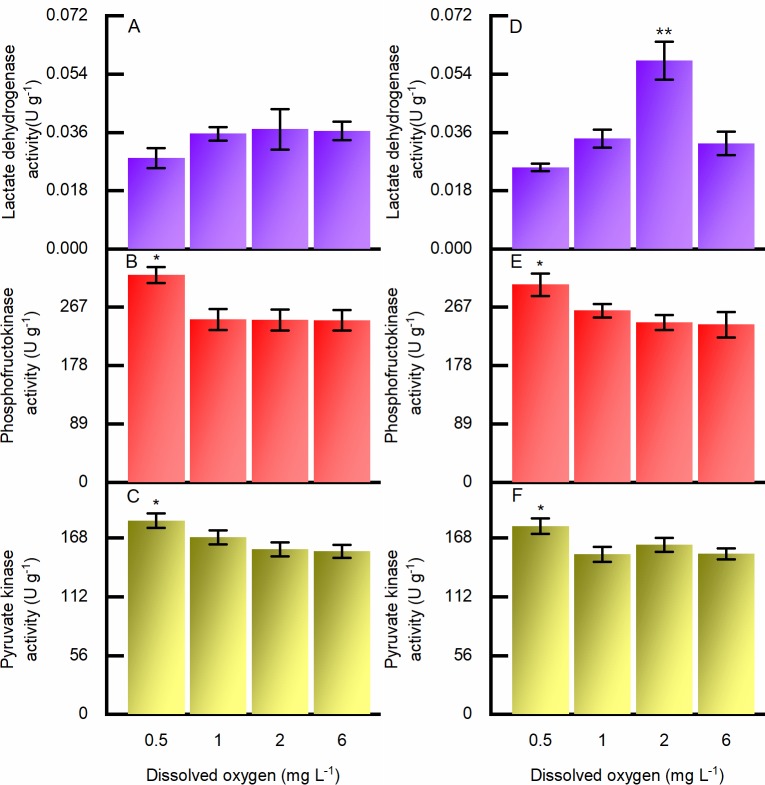
The Manila clam Ruditapes philippinarum has become a common and dominant macrobenthic species in coastal areas of the northwestern Pacific and temperate waters of Europe; it is also a major cultured shellfish, with annual worldwide production exceeding 3.3 million tonnes. This species faces greater risk of exposure to hypoxia as eutrophication worsens throughout its coastal habitats; however, its tolerance to hypoxia remains unclear, and the toxicological indicators including LC50 and LT50 have not yet been assessed. Previous studies on the effects of hypoxia on marine benthos have focused largely on functional responses, such as metabolism and gene expression, leaving potential structural damage to the mitochondria or the cells unknown. In this study we assessed the effects of hypoxia on Manila clam in terms of survival, behavior, metabolism and cellular damage, using a newly designed automated hypoxia simulation device that features exceptional accuracy and good stability. The clams exhibited strong tolerance to hypoxia as the 20-day LC50 for dissolved oxygen (DO) was estimated to be 0.57 mg L-1, and the LT50 at 0.5 mg L-1 DO was 422 hours. Adaptations included fewer buried clams and a depressed metabolism, while the unexpected rise in the activities of key enzymes involved in glycolysis may indicate a diverse strategy of shellfish under hypoxia. Cellular damage was observed as collapse of the mitochondrial cristae and both cellular and mitochondrial vacuolization. This multi-level study complements and updates our knowledge of the effects of hypoxia on marine benthos, by improving our understanding of the potential for marine ecological transformation under hypoxic conditions and providing useful information for Manila clam farming.
菲律宾蛤仔(Ruditapes philippinarum)已成为西北太平洋沿海地区和欧洲温带水域常见的优势大型底栖物种;它也是一种主要的养殖贝类,全球年总产量超过 330 万吨。随着沿海栖息地富营养化的恶化,该物种面临更大的缺氧暴露风险;然而,其对缺氧的耐受性尚不清楚,包括 LC50 和 LT50 在内的毒理学指标尚未得到评估。先前关于缺氧对海洋底栖生物影响的研究主要集中在功能反应上,如代谢和基因表达,而对线粒体或细胞的潜在结构损伤知之甚少。在这项研究中,我们使用新设计的自动化缺氧模拟设备来评估缺氧对菲律宾蛤仔的影响,该设备具有出色的准确性和良好的稳定性。这些蛤仔对缺氧表现出很强的耐受性,因为溶解氧(DO)的 20 天 LC50 估计为 0.57 毫克/升,而 0.5 毫克/升 DO 的 LT50 为 422 小时。适应包括较少的埋蛤和代谢抑制,而参与糖酵解的关键酶活性的意外升高可能表明贝类在缺氧下的多样化策略。观察到细胞损伤,包括线粒体嵴的崩溃以及细胞和线粒体的空泡化。这项多层次的研究通过提高我们对缺氧条件下海洋生态转化的潜力的理解,并为菲律宾蛤仔养殖提供有用的信息,补充和更新了我们对缺氧对海洋底栖生物影响的认识。