Department of Psychology, Royal Holloway, University of London, Egham, Surrey, TW20 0EX, UK.
J Autism Dev Disord. 2019 Jul;49(7):2901-2912. doi: 10.1007/s10803-019-04016-x.
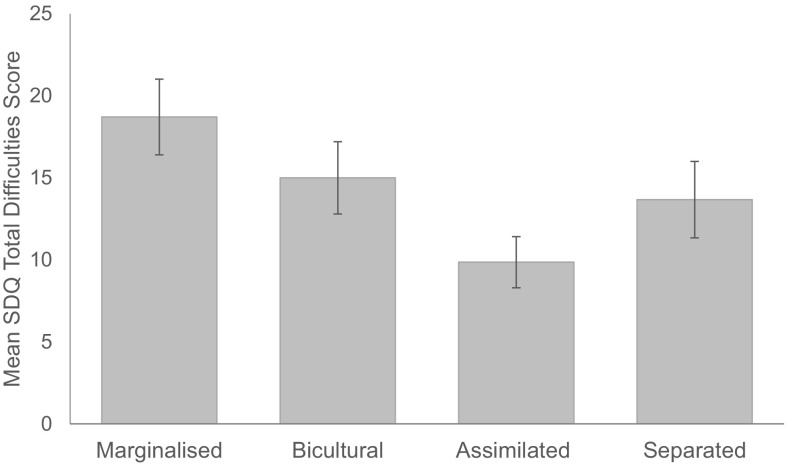
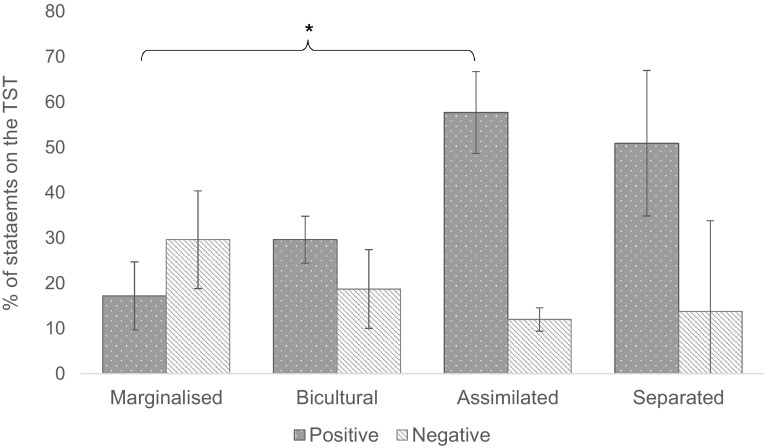
Autistic adolescents are at increased risk of mental health difficulties. One potential factor contributing to this is identity development, although this hypothesis has been little explored. These adolescents also have to consider how autism forms their identity, a process called acculturation. This exploratory study examined the relationships between identity, acculturation and mental health in autistic adolescents. Twenty-four participants completed measures investigating identity, acculturation and mental health. Findings suggested mental health was not related to personal identity. Mental health scores did not differ between acculturation groups, however those aligned to non-autistic culture tended to generate more positive self-statements than those aligned to neither culture. These findings suggest autistic adolescents should be encouraged to explore autistic culture and supported in constructing their identity.
自闭症青少年患心理健康问题的风险增加。导致这种情况的一个潜在因素是身份认同的发展,尽管这一假设尚未得到充分探讨。这些青少年还必须考虑自闭症如何塑造他们的身份,这一过程称为文化适应。这项探索性研究调查了自闭症青少年的身份认同、文化适应和心理健康之间的关系。24 名参与者完成了调查身份认同、文化适应和心理健康的测量。研究结果表明,心理健康与个人身份无关。不同文化适应群体之间的心理健康评分没有差异,但与非自闭症文化相一致的群体比既不认同自闭症文化也不认同主流文化的群体更倾向于产生积极的自我评价。这些发现表明,应该鼓励自闭症青少年探索自闭症文化,并在构建自己的身份时给予支持。