Ambelu Argaw, Mulu Tamirat, Seyoum Amare, Ayalew Lijalem, Hildrew Sarah
School of Environmental Health Sciences and Technology, Public Health Faculty, Jimma University, P.O. Box 378, Jimma, Ethiopia.
Save the Children Denmark, Child Protection Advisor for East Africa, Addis Ababa, Ethiopia.
Heliyon. 2019 Apr 8;5(4):e01464. doi: 10.1016/j.heliyon.2019.e01464. eCollection 2019 Apr.
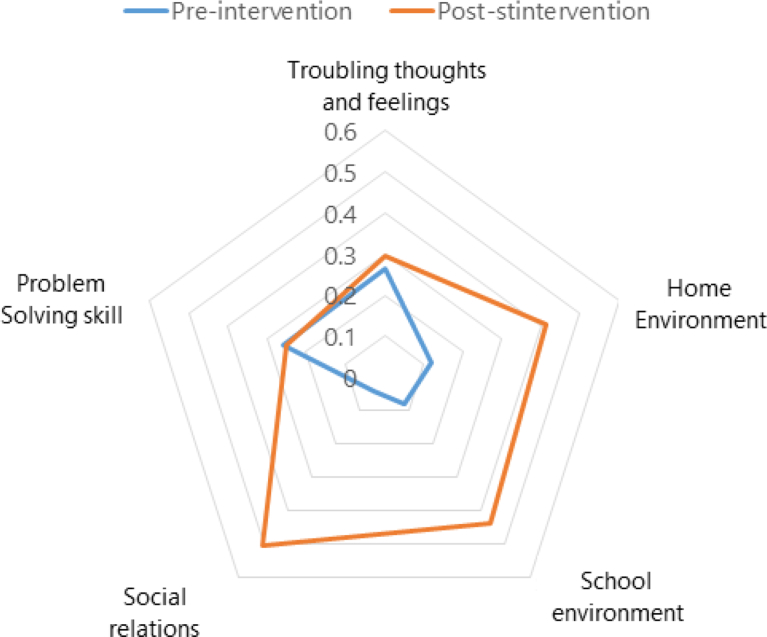
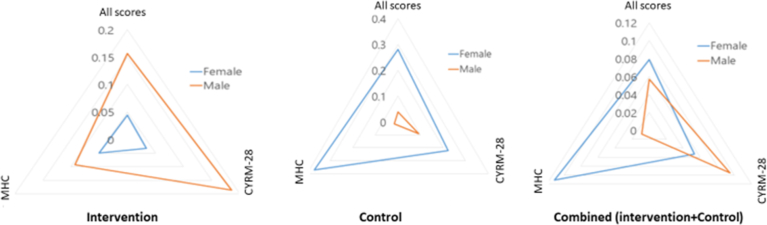
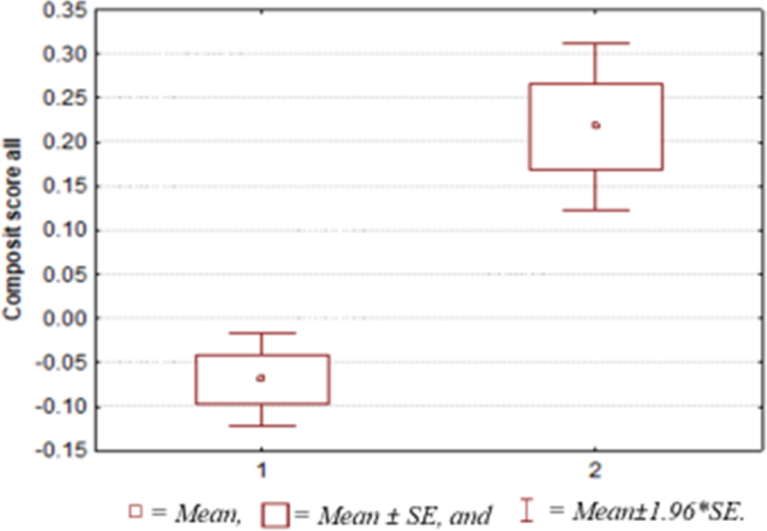
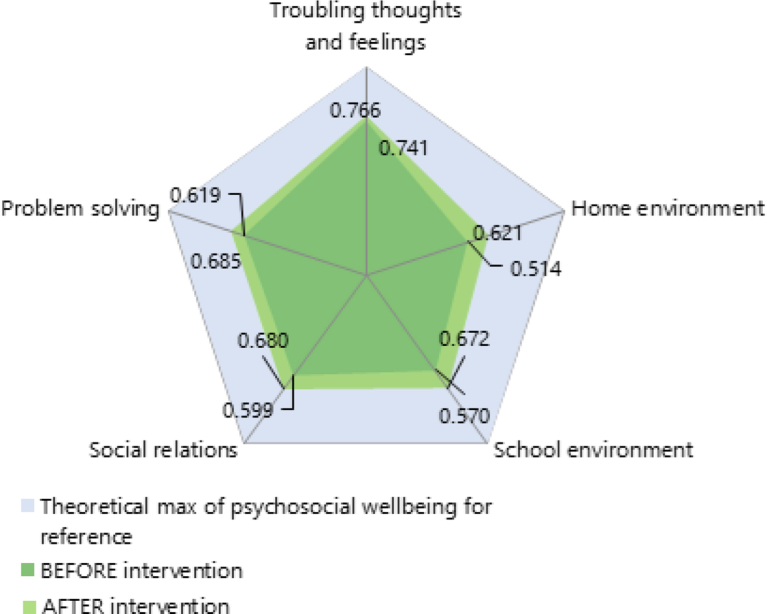
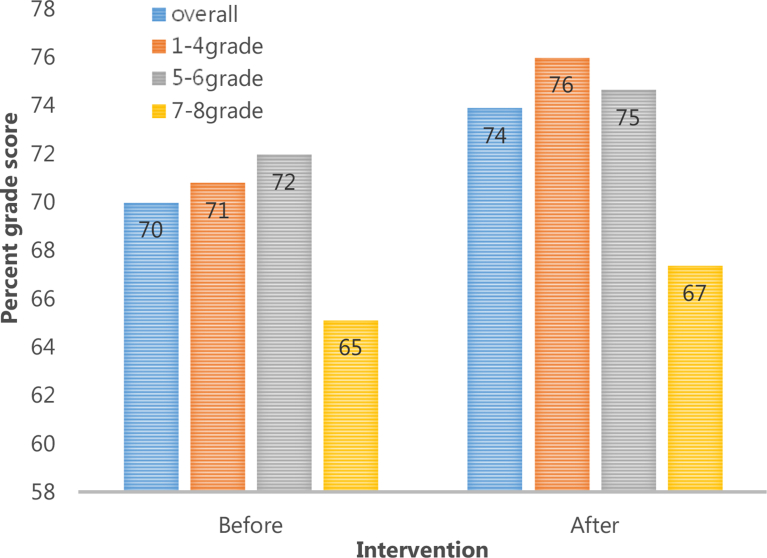
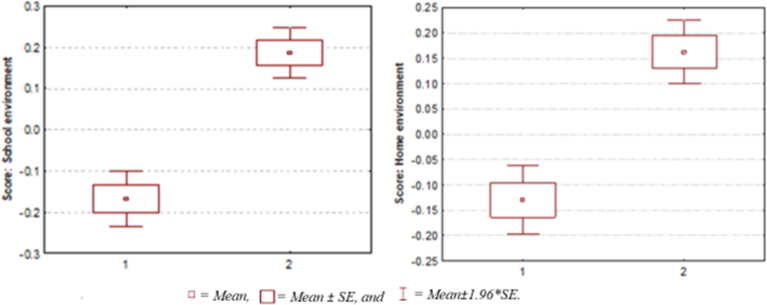
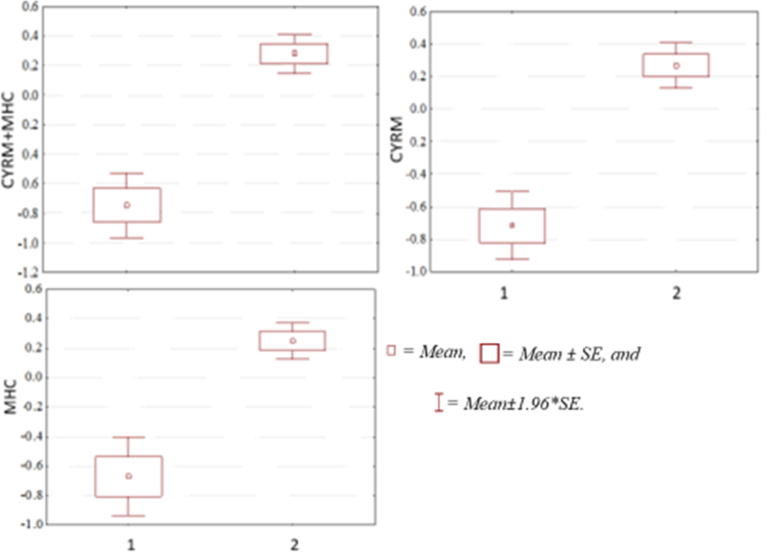
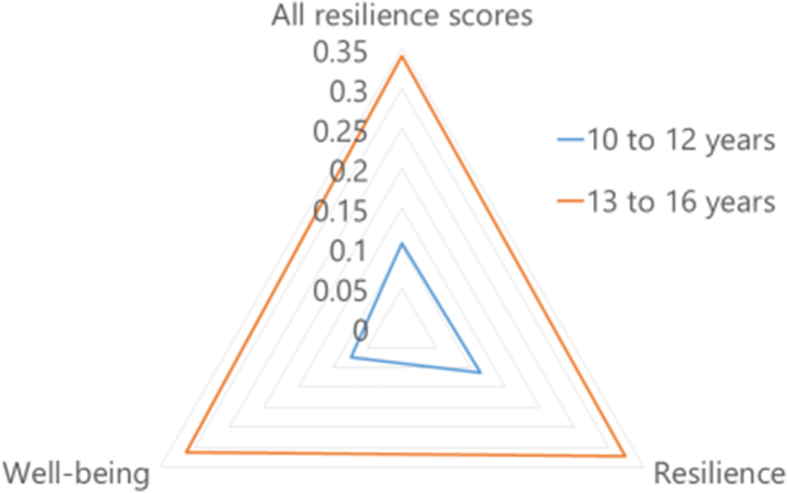
Objectives of this study are to evaluate the impact of interventions on school children resilience and well-being; assess sensitivity of resilience evaluation tools; and identify shift in resilience among children in poor rural communities of Ethiopia. Qualitative and quantitative data are collected using semi-structured Pre- and Post- Interview Analysis (PIA), child and youth resilience measure (CYRM) and mental health continuum (MHC) questionnaires among the control and intervention groups. The study identified that PIA questions were not sensitive enough to detect all child resilience indicators. Resilience intervention has brought important positive change on most of the resilience indicators. However, no significant improvement observed on problem solving skills, and avoidance of troubling thoughts and feelings. However, the qualitative finding showed that children improved problem solving skill, such as intervening early marriage, avoiding physical abuse, and supporting needy children. In addition, integrated interventions have brought substantial resilience impacts on children school performance, their interaction and social relations. Besides, integration of parents, teachers and community has brought significant change on the result of child resilience and well-being. Younger children under intervention showed lower resilience and well-being score compared to the older ones. Shift of resilience between male and female was observed when compared between the control and intervention groups. In the control communities, female students are more resilience and psychosocial well-being than male students. On the other side, among intervention groups, males showed better resilience than females. This suggests that context specific resilience intervention by gender could be necessary among school children of East Gojjam and similar communities.
本研究的目的是评估干预措施对学童恢复力和幸福感的影响;评估恢复力评估工具的敏感性;并确定埃塞俄比亚贫困农村社区儿童恢复力的变化。在对照组和干预组中,使用半结构化的访谈前后分析(PIA)、儿童和青少年恢复力测量(CYRM)以及心理健康连续体(MHC)问卷收集定性和定量数据。研究发现,PIA问题对检测所有儿童恢复力指标的敏感性不够。恢复力干预在大多数恢复力指标上带来了重要的积极变化。然而,在解决问题的技能以及避免困扰的想法和感受方面未观察到显著改善。然而,定性研究结果表明,儿童在解决问题的技能方面有所提高,例如干预早婚、避免身体虐待以及帮助有需要的儿童。此外,综合干预对儿童的学业成绩、互动和社会关系产生了重大的恢复力影响。此外,家长、教师和社区的融合对儿童恢复力和幸福感的结果带来了显著变化。与年龄较大的儿童相比,接受干预的年幼儿童的恢复力和幸福感得分较低。在对照组和干预组之间比较时,观察到男性和女性之间恢复力的变化。在对照社区中,女学生比男学生更具恢复力和更好的心理社会幸福感。另一方面,在干预组中,男性的恢复力比女性更好。这表明在东戈贾姆及类似社区的学童中,可能需要按性别进行针对具体情况的恢复力干预。