Center of Excellence in Bionanoscience Research, King Abdulaziz University, Jeddah, Saudi Arabia.
Genomics and Biotechnology Section and Research Group, Department of Biological Sciences, Faculty of Science, King abdulaziz University, Jeddah, Saudi Arabia.
PLoS One. 2019 Apr 23;14(4):e0214337. doi: 10.1371/journal.pone.0214337. eCollection 2019.
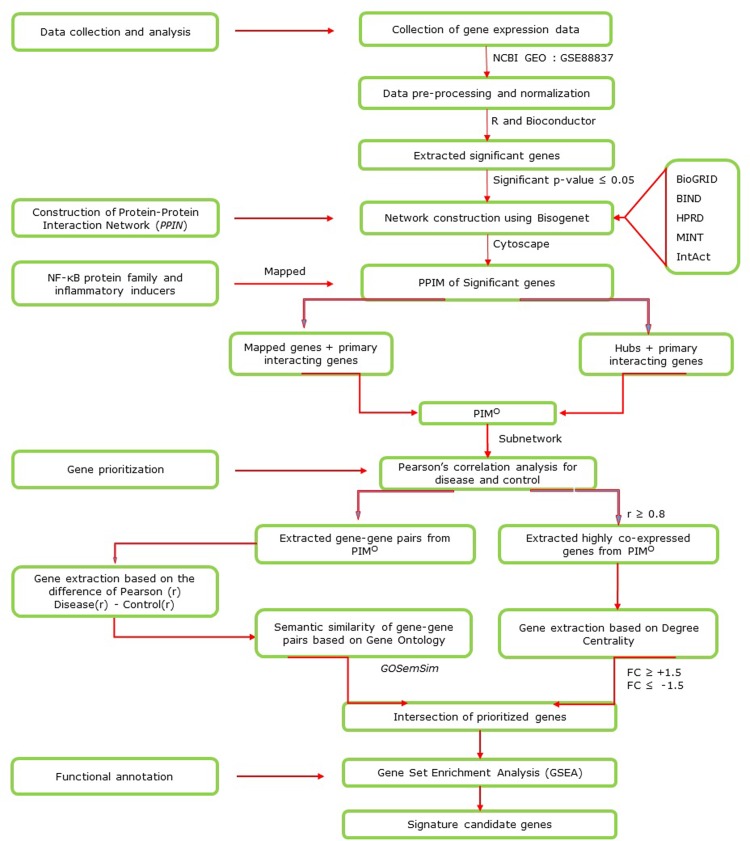
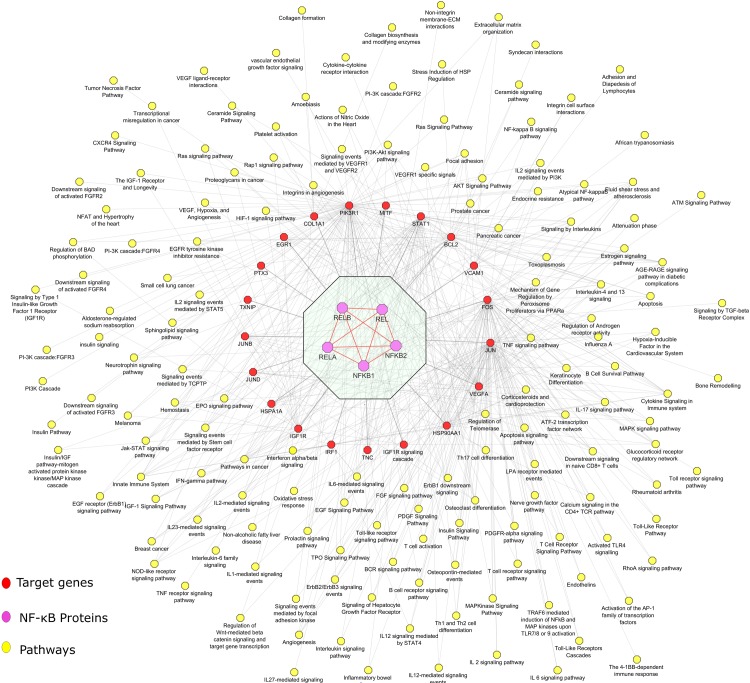
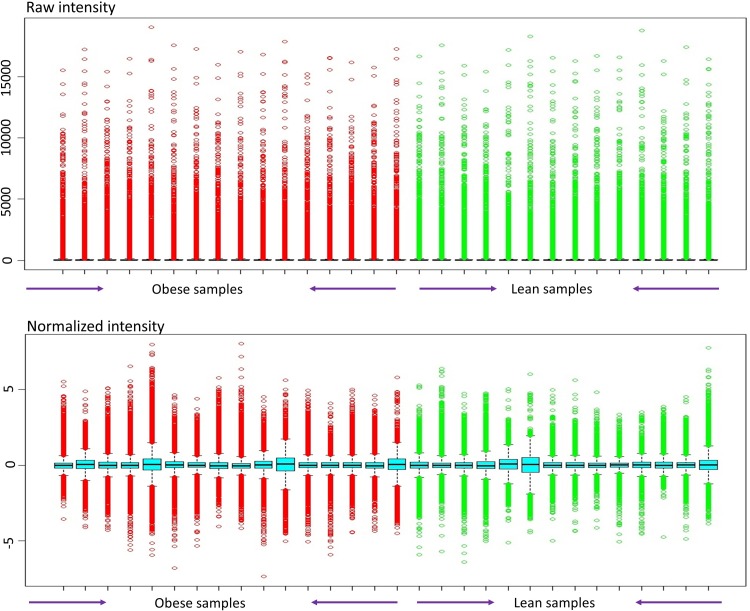
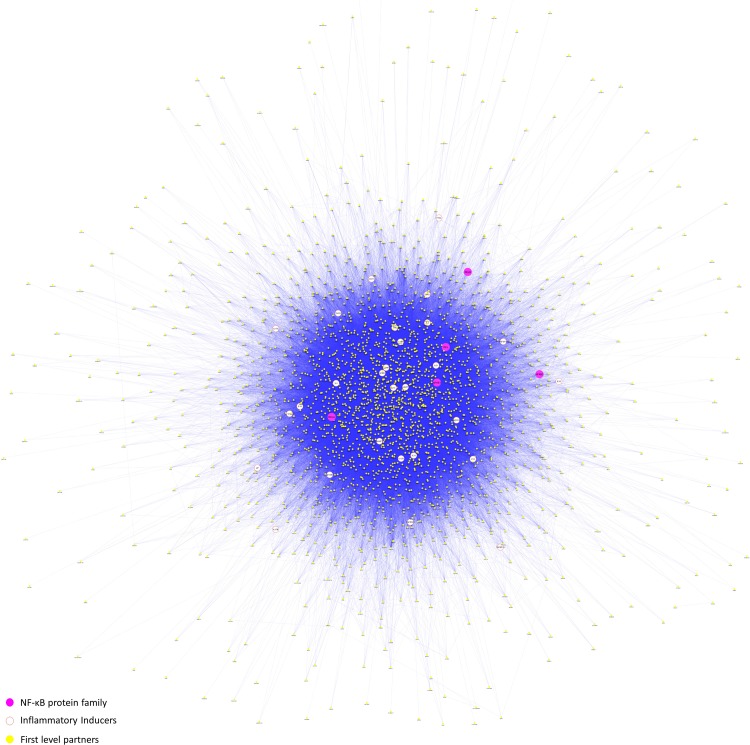
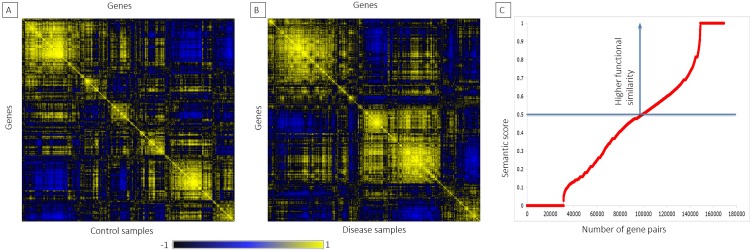
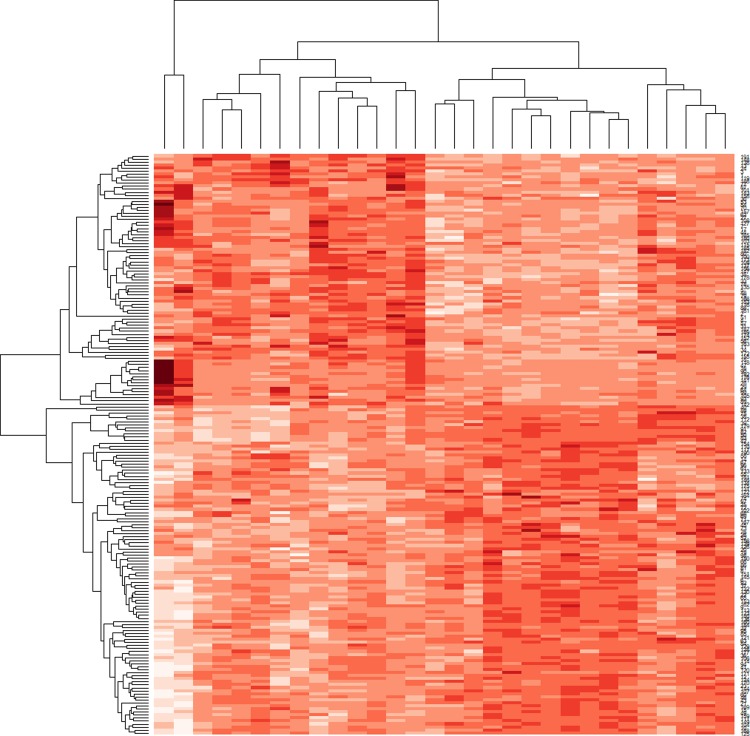
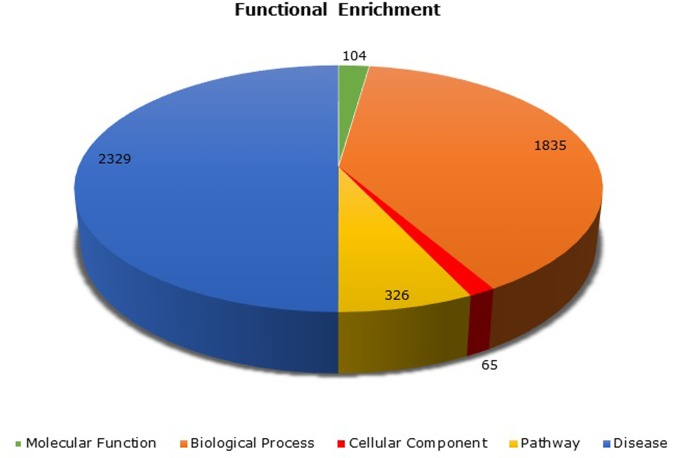
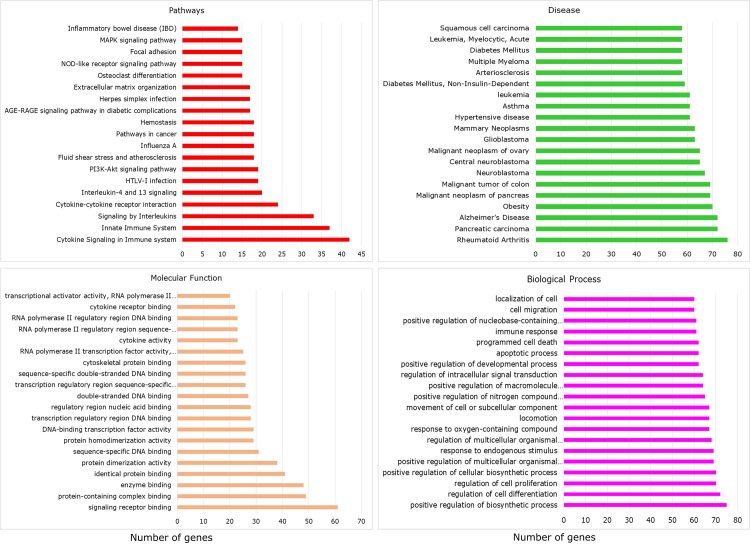
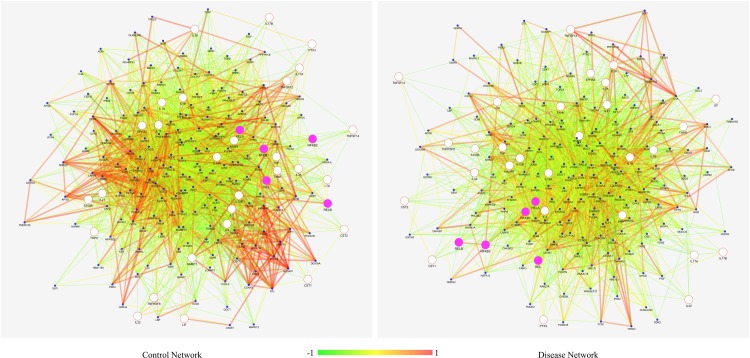
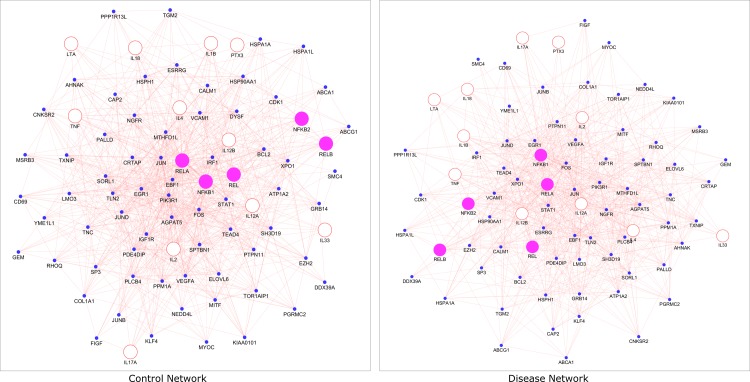
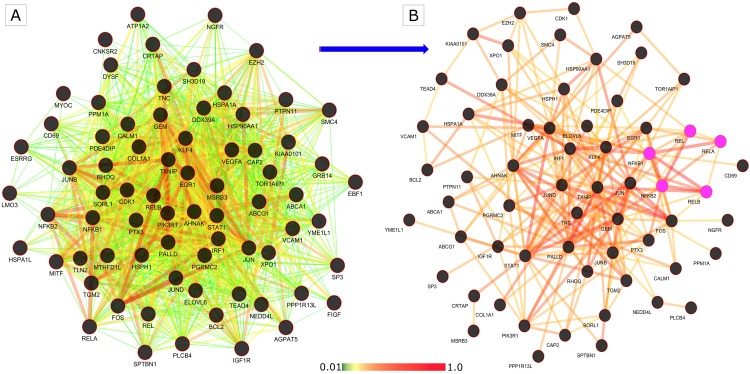
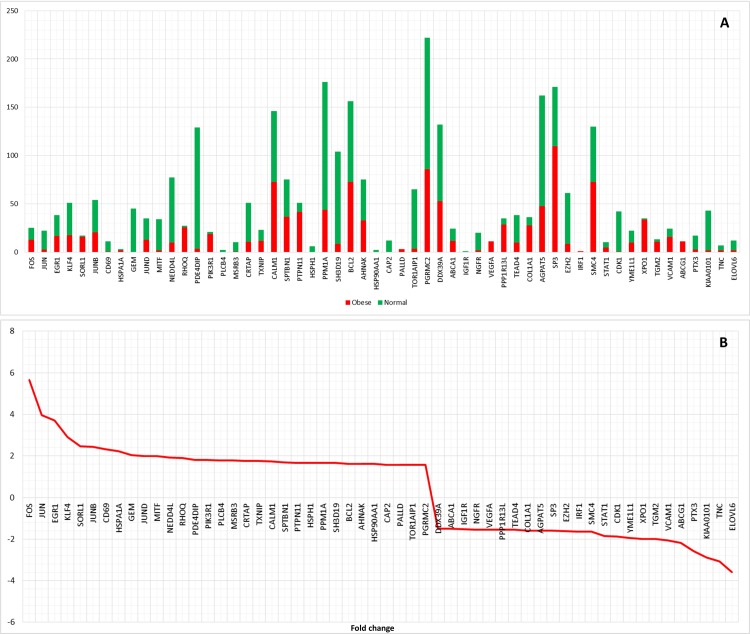
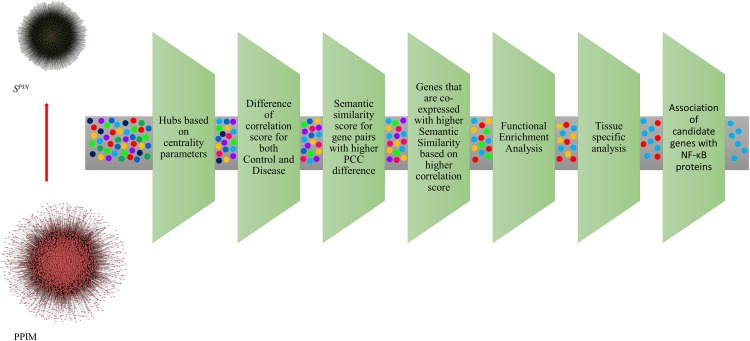
Obesity is connected to the activation of chronic inflammatory pathways in both adipocytes and macrophages located in adipose tissues. The nuclear factor (NF)-κB is a central molecule involved in inflammatory pathways linked to the pathology of different complex metabolic disorders. Investigating the gene expression data in the adipose tissue would potentially unravel disease relevant gene interactions. The present study is aimed at creating a signature molecular network and at prioritizing the potential biomarkers interacting with NF-κB family of proteins in obesity using system biology approaches. The dataset GSE88837 associated with obesity was downloaded from Gene Expression Omnibus (GEO) database. Statistical analysis represented the differential expression of a total of 2650 genes in adipose tissues (p = <0.05). Using concepts like correlation, semantic similarity, and theoretical graph parameters we narrowed down genes to a network of 23 genes strongly connected with NF-κB family with higher significance. Functional enrichment analysis revealed 21 of 23 target genes of NF-κB were found to have a critical role in the pathophysiology of obesity. Interestingly, GEM and PPP1R13L were predicted as novel genes which may act as potential target or biomarkers of obesity as they occur with other 21 target genes with known obesity relationship. Our study concludes that NF-κB and prioritized target genes regulate the inflammation in adipose tissues through several molecular signaling pathways like NF-κB, PI3K-Akt, glucocorticoid receptor regulatory network, angiogenesis and cytokine pathways. This integrated system biology approaches can be applied for elucidating functional protein interaction networks of NF-κB protein family in different complex diseases. Our integrative and network-based approach for finding therapeutic targets in genomic data could accelerate the identification of novel drug targets for obesity.
肥胖与脂肪组织中脂肪细胞和巨噬细胞中慢性炎症途径的激活有关。核因子 (NF)-κB 是一种与不同复杂代谢紊乱相关病理学有关的炎症途径的核心分子。研究脂肪组织中的基因表达数据可能会揭示与疾病相关的基因相互作用。本研究旨在使用系统生物学方法创建特征分子网络,并确定与肥胖相关的与 NF-κB 家族蛋白相互作用的潜在生物标志物。从基因表达综合数据库 (GEO) 下载与肥胖相关的数据集 GSE88837。统计分析代表了脂肪组织中总共 2650 个基因的差异表达 (p<0.05)。使用相关概念,如相关性、语义相似性和理论图参数,我们将基因缩小到一个与 NF-κB 家族具有高度相关性的 23 个基因网络中。功能富集分析显示,NF-κB 的 23 个靶基因中的 21 个被发现在肥胖的病理生理学中具有关键作用。有趣的是,GEM 和 PPP1R13L 被预测为新基因,它们可能作为肥胖的潜在靶标或生物标志物发挥作用,因为它们与其他 21 个具有已知肥胖关系的靶标基因一起出现。我们的研究得出结论,NF-κB 和优先靶基因通过几种分子信号通路,如 NF-κB、PI3K-Akt、糖皮质激素受体调节网络、血管生成和细胞因子途径,调节脂肪组织中的炎症。这种综合的系统生物学方法可用于阐明不同复杂疾病中 NF-κB 蛋白家族的功能蛋白相互作用网络。我们的综合和基于网络的方法可以加速鉴定肥胖症的新药物靶标。