Department of Surgery, Plastic and Reconstructive Surgery Service, Memorial Sloan Kettering Cancer Center, New York, New York.
Department of Surgery, Plastic and Reconstructive Surgery Service, Memorial Sloan Kettering Cancer Center, New York, New York.
Transl Res. 2019 Jul;209:68-76. doi: 10.1016/j.trsl.2019.04.001. Epub 2019 Apr 4.
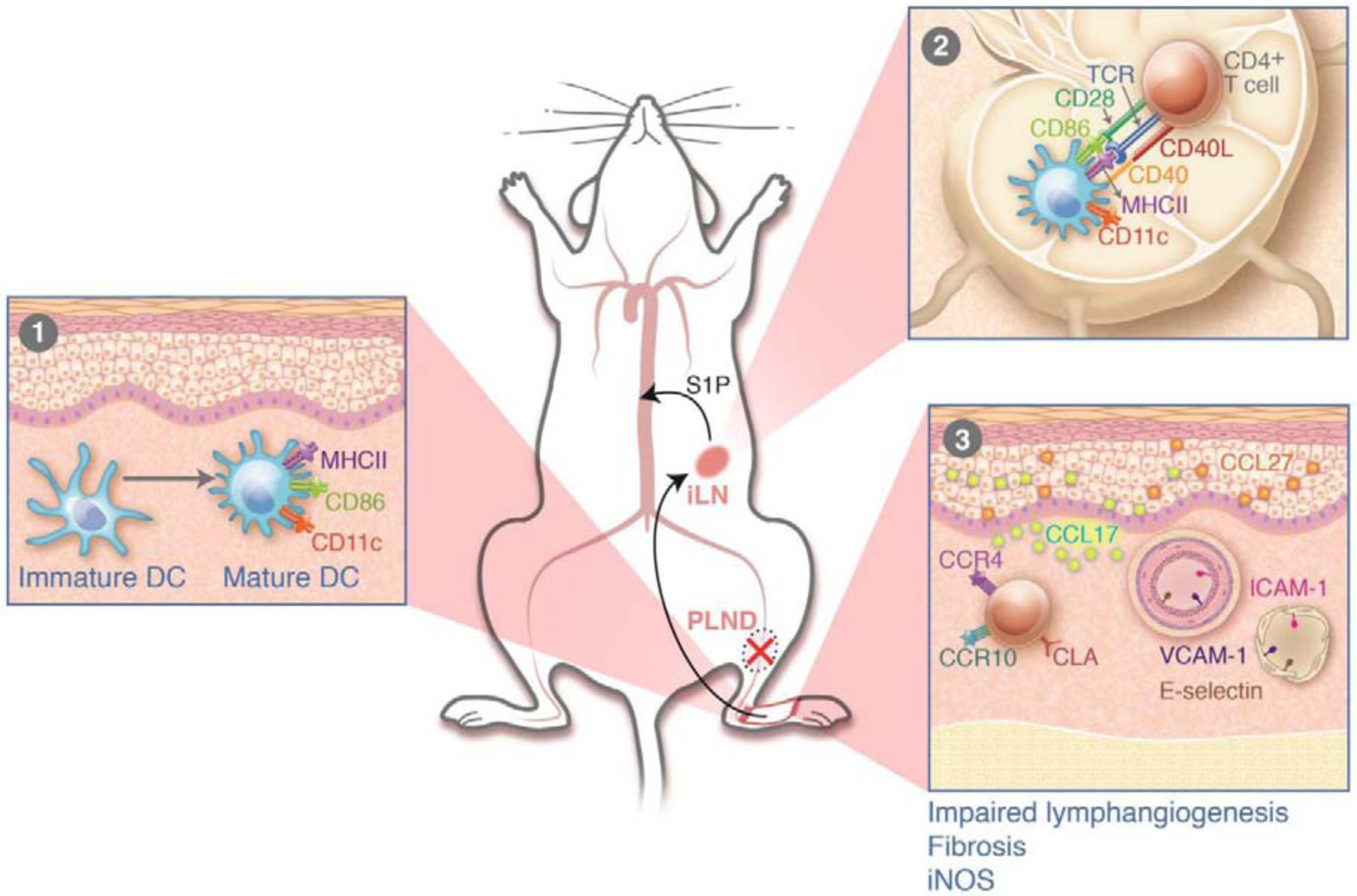
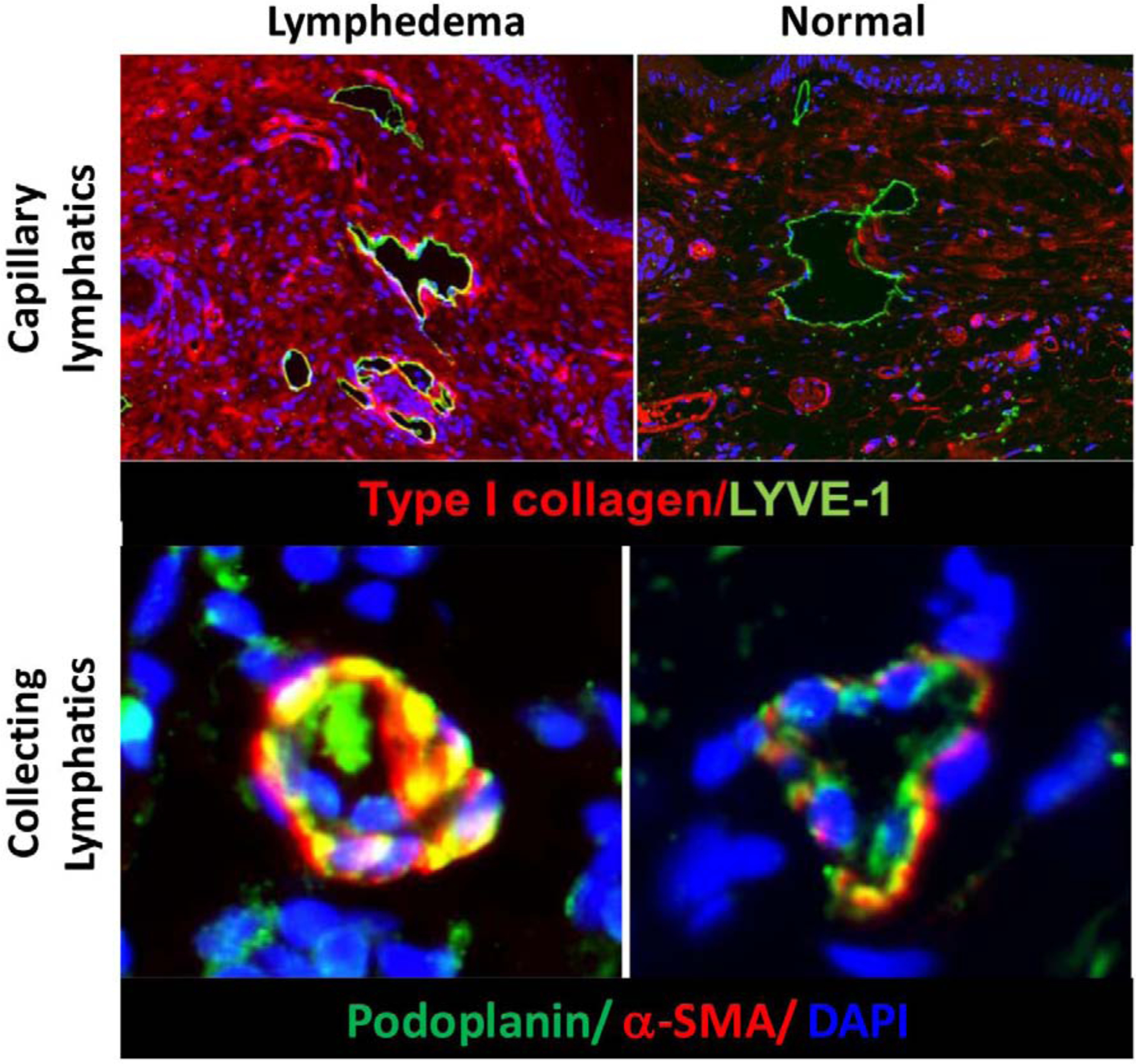
Secondary lymphedema is a common complication of cancer treatment resulting in progressive fibroadipose tissue deposition, increased risk of infections, and, in rare cases, secondary malignancies. Until recently, the pathophysiology of secondary lymphedema was thought to be related to impaired collateral lymphatic formation after surgical injury. However, more recent studies have shown that chronic inflammation-induced fibrosis plays a key role in the pathophysiology of this disease. In this review, we will discuss the evidence supporting this hypothesis and summarize recent publications demonstrating that lymphatic injury activates chronic immune responses that promote fibrosis and lymphatic leakiness, decrease collecting lymphatic pumping, and impair collateral lymphatic formation. We will review how chronic mixed T-helper cell inflammatory reactions regulate this process and how this response may be used to design novel therapies for lymphedema.
继发性淋巴水肿是癌症治疗的常见并发症,导致进行性纤维脂肪组织沉积、感染风险增加,在极少数情况下还会导致继发性恶性肿瘤。直到最近,继发性淋巴水肿的病理生理学被认为与手术后受损的侧支淋巴管形成有关。然而,最近的研究表明,慢性炎症诱导的纤维化在该疾病的病理生理学中起着关键作用。在这篇综述中,我们将讨论支持这一假设的证据,并总结最近的出版物,证明淋巴损伤激活慢性免疫反应,促进纤维化和淋巴渗漏,减少收集淋巴管的抽吸,并损害侧支淋巴管的形成。我们将回顾慢性混合辅助性 T 细胞炎症反应如何调节这一过程,以及如何利用这一反应为淋巴水肿设计新的治疗方法。