Department of Parasitology and Tropical Medicine, School of Medicine, Pusan National University, Yangsan, Gyeongsangnam-do, Republic of Korea.
Sci Rep. 2019 Apr 25;9(1):6547. doi: 10.1038/s41598-019-43057-1.
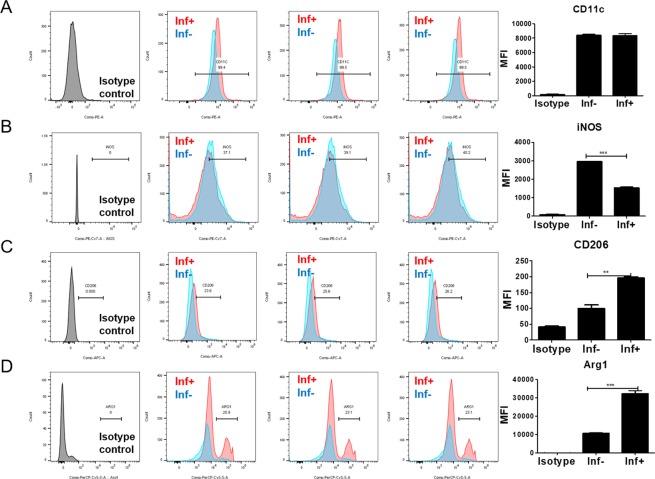
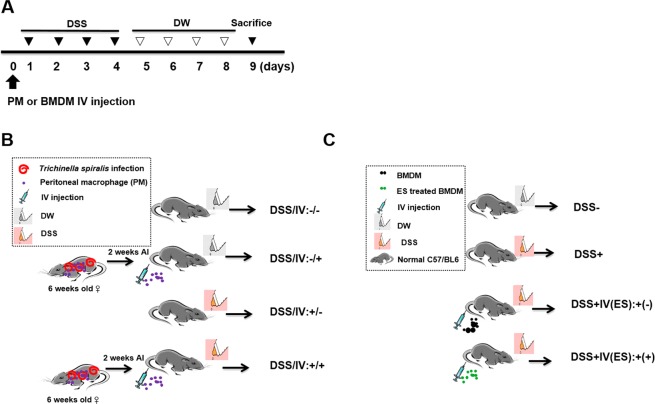
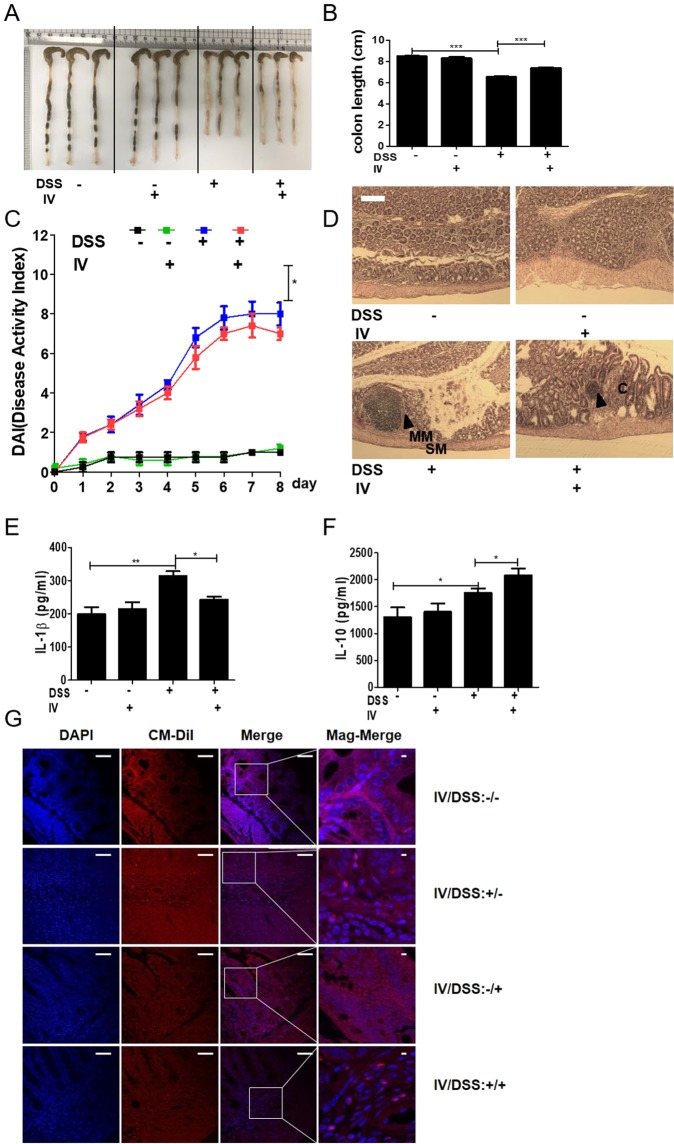
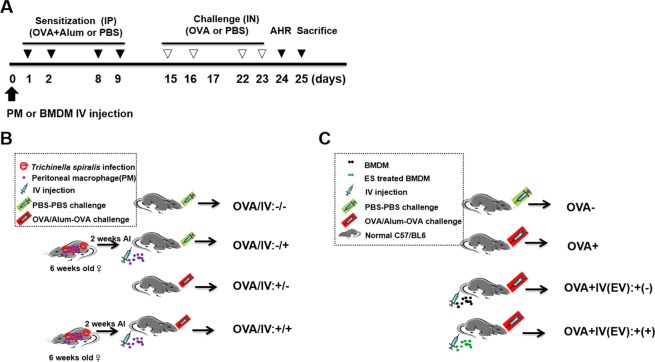
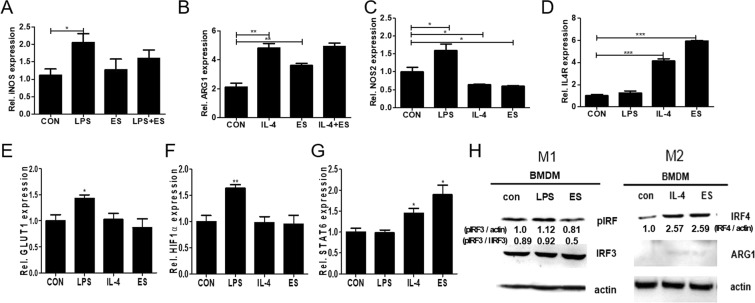
Trichinella spiralis is a zoonotic nematode and food borne parasite and infection with T. spiralis leads to suppression of the host immune response and other immunopathologies. Alternative activated macrophages (M2) as well as T cells, a target for immunomodulation by the helminth parasite, play a critical role in initiating and modulating the host immune response to parasite. The precise mechanism by which helminths modulate host immune response is not fully understood. To determine the functions of parasite-induced M2 macrophages, we compared the effects of M1 and M2 macrophages obtained from Trichinella spiralis-infected mice with those of T. spiralis excretory/secretory (ES) protein-treated macrophages on experimental intestinal inflammation and allergic airway inflammation. T. spiralis infection induced M2 macrophage polarization by increasing the expression of CD206, ARG1, and Fizz2. In a single application, we introduced macrophages obtained from T. spiralis-infected mice and T. spiralis ES protein-treated macrophages into mice tail veins before the induction of dextran sulfate sodium (DSS)-induced colitis, ovalbumin (OVA)-alum sensitization, and OVA challenge. Colitis severity was assessed by determining the severity of colitis symptoms, colon length, histopathologic parameters, and Th1-related inflammatory cytokine levels. Compared with the DSS-colitis group, T. spiralis-infected mice and T. spiralis ES protein-treated macrophages showed significantly lower disease activity index (DAI) at sacrifice and smaller reductions of body weight and proinflammatory cytokine level. The severity of allergic airway inflammation was assessed by determining the severity of symptoms of inflammation, airway hyperresponsiveness (AHR), differential cell counts, histopathologic parameters, and levels of Th2-related inflammatory cytokines. Severe allergic airway inflammation was induced after OVA-alum sensitization and OVA challenge, which significantly increased Th2-related cytokine levels, eosinophil infiltration, and goblet cell hyperplasia in the lung. However, these severe allergic symptoms were significantly decreased in T. spiralis-infected mice and T. spiralis ES protein-treated macrophages. Helminth infection and helminth ES proteins induce M2 macrophages. Adoptive transfer of macrophages obtained from helminth-infected mice and helminth ES protein-activated macrophages is an effective treatment for preventing and treating airway allergy in mice and is promising as a therapeutic for treating inflammatory diseases.
旋毛虫是一种人畜共患的线虫和食源性寄生虫,感染旋毛虫会导致宿主免疫反应受到抑制和其他免疫病理学。替代激活的巨噬细胞(M2)以及 T 细胞是寄生虫免疫调节的靶标,在启动和调节宿主对寄生虫的免疫反应中发挥着关键作用。寄生虫调节宿主免疫反应的确切机制尚未完全理解。为了确定寄生虫诱导的 M2 巨噬细胞的功能,我们比较了来自旋毛虫感染小鼠的 M1 和 M2 巨噬细胞与旋毛虫排泄/分泌(ES)蛋白处理的巨噬细胞对实验性肠道炎症和过敏性气道炎症的影响。旋毛虫感染通过增加 CD206、ARG1 和 Fizz2 的表达诱导 M2 巨噬细胞极化。在单次应用中,我们在诱导葡聚糖硫酸钠(DSS)诱导的结肠炎、卵清蛋白(OVA)-明矾致敏和 OVA 挑战之前,将来自旋毛虫感染小鼠的巨噬细胞和旋毛虫 ES 蛋白处理的巨噬细胞引入小鼠尾静脉。通过确定结肠炎症状的严重程度、结肠长度、组织病理学参数和 Th1 相关炎症细胞因子水平来评估结肠炎的严重程度。与 DSS-结肠炎组相比,旋毛虫感染小鼠和旋毛虫 ES 蛋白处理的巨噬细胞在处死时的疾病活动指数(DAI)明显较低,体重减轻和促炎细胞因子水平降低幅度较小。通过确定炎症症状的严重程度、气道高反应性(AHR)、差异细胞计数、组织病理学参数和 Th2 相关炎症细胞因子水平来评估过敏性气道炎症的严重程度。OVA-alum 致敏和 OVA 挑战后诱导严重的过敏性气道炎症,显著增加了肺中 Th2 相关细胞因子水平、嗜酸性粒细胞浸润和杯状细胞增生。然而,在旋毛虫感染小鼠和旋毛虫 ES 蛋白处理的巨噬细胞中,这些严重的过敏症状明显减少。寄生虫感染和寄生虫 ES 蛋白诱导 M2 巨噬细胞。来自寄生虫感染小鼠和寄生虫 ES 蛋白激活巨噬细胞的巨噬细胞的过继转移是预防和治疗小鼠气道过敏的有效治疗方法,有望成为治疗炎症性疾病的治疗方法。