Epidemiology, Pfizer Inc., New York, New York, USA.
Department of Epidemiology, Tulane School of Public Health and Tropical Medicine, New Orleans, Louisiana, USA.
Clin Pharmacol Ther. 2019 Jul;106(1):103-115. doi: 10.1002/cpt.1480. Epub 2019 Jun 12.
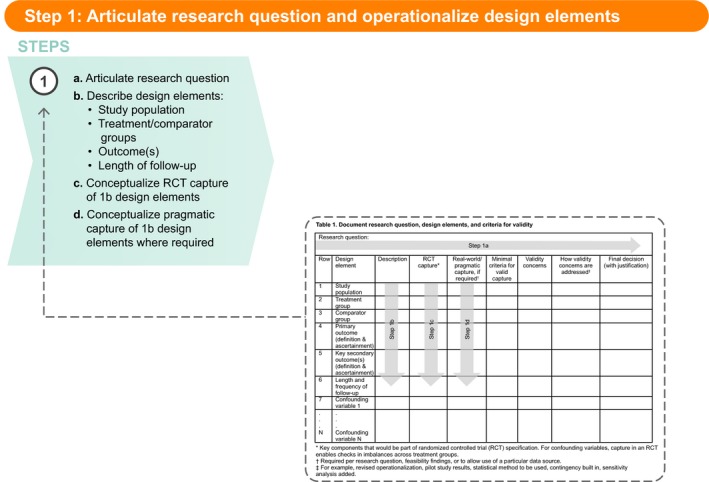
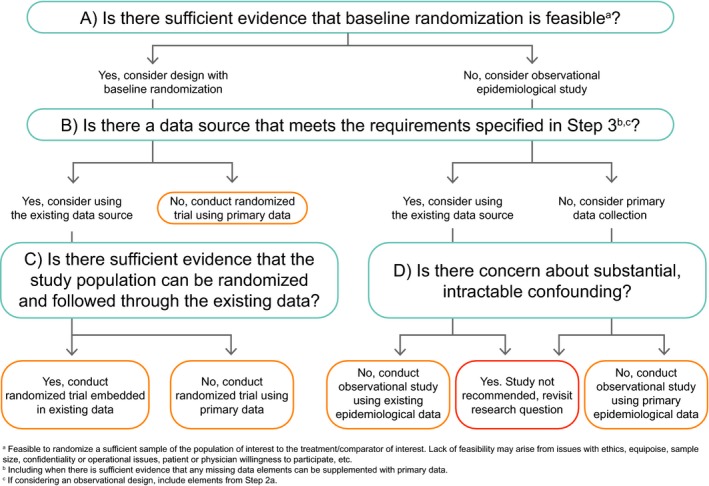
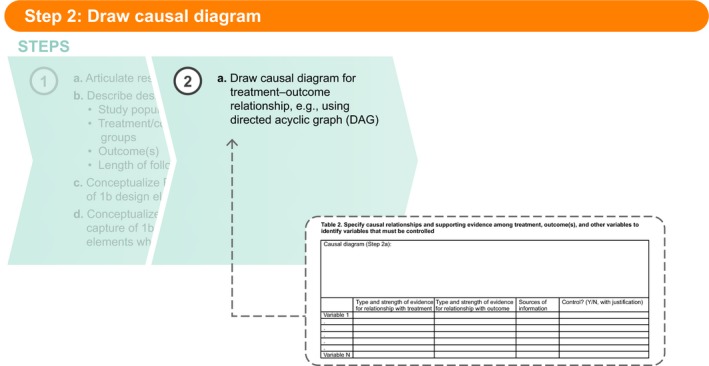
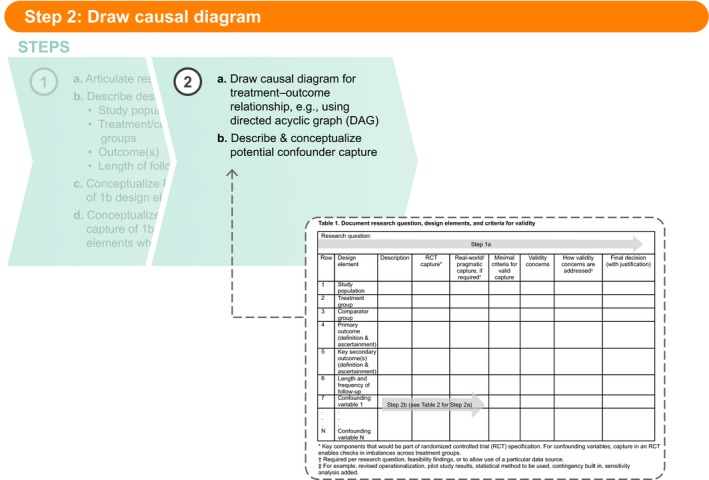
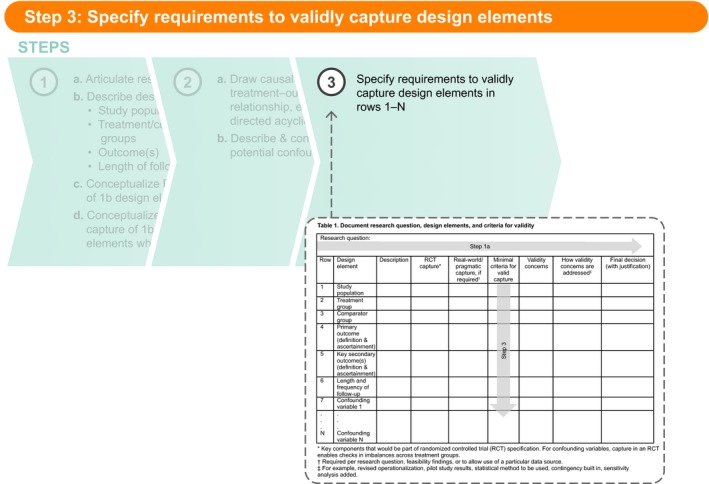
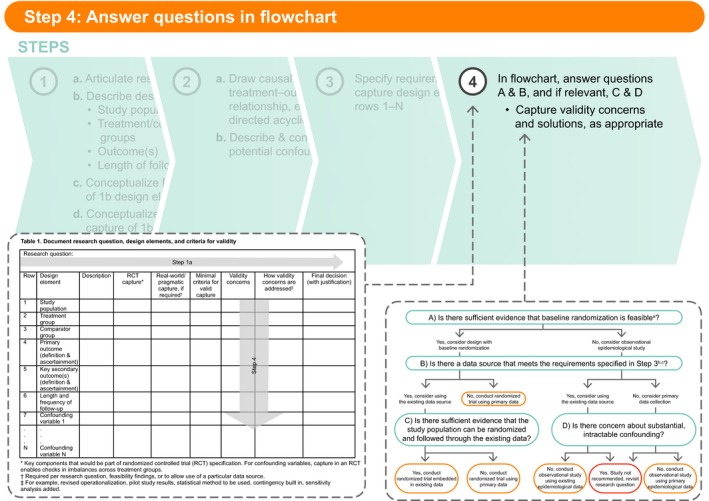
Real-world evidence provides important information about the effects of medicines in routine clinical practice. To engender trust that evidence generated for regulatory purposes is sufficiently valid, transparency in the reasoning that underlies study design decisions is critical. Building on existing guidance and frameworks, we developed the Structured Preapproval and Postapproval Comparative study design framework to generate valid and transparent real-world Evidence (SPACE) as a process for identifying design elements and minimal criteria for feasibility and validity concerns, and for documenting decisions. Starting with an articulated research question, we identify key components of the randomized controlled trial needed to maximize validity, and pragmatic choices are considered when required. A causal diagram is used to justify the variables identified for confounding control, and key decisions, assumptions, and evidence are captured in a structured way. In this way, SPACE may improve dialogue and build trust among healthcare providers, patients, regulators, and researchers.
真实世界证据提供了关于药物在常规临床实践中的效果的重要信息。为了使为监管目的生成的证据具有足够的有效性,信任至关重要,因此研究设计决策背后的推理过程必须具有透明度。我们在现有指南和框架的基础上,开发了结构化预批准和后批准比较研究设计框架,以生成有效的和透明的真实世界证据 (SPACE),该框架可用于确定设计要素和最小标准,以解决可行性和有效性问题,并记录决策。从明确的研究问题开始,我们确定了需要最大限度提高有效性的随机对照试验的关键组成部分,并且在需要时考虑了实用选择。因果关系图用于为混杂控制确定所需的变量,并以结构化的方式捕获关键决策、假设和证据。通过这种方式,SPACE 可以改善医疗保健提供者、患者、监管机构和研究人员之间的对话和建立信任。