Xu Xin, Williams Thomas C, Divne Christina, Pretorius Isak S, Paulsen Ian T
1Department of Molecular Sciences, Macquarie University, Sydney, NSW 2109 Australia.
2CSIRO Synthetic Biology Future Science Platform, Canberra, ACT 2601 Australia.
Biotechnol Biofuels. 2019 Apr 23;12:97. doi: 10.1186/s13068-019-1427-6. eCollection 2019.
Propionic acid (PA), a key platform chemical produced as a by-product during petroleum refining, has been widely used as a food preservative and an important chemical intermediate in many industries. Microbial PA production through engineering yeast as a cell factory is a potentially sustainable alternative to replace petroleum refining. However, PA inhibits yeast growth at concentrations well below the titers typically required for a commercial bioprocess.
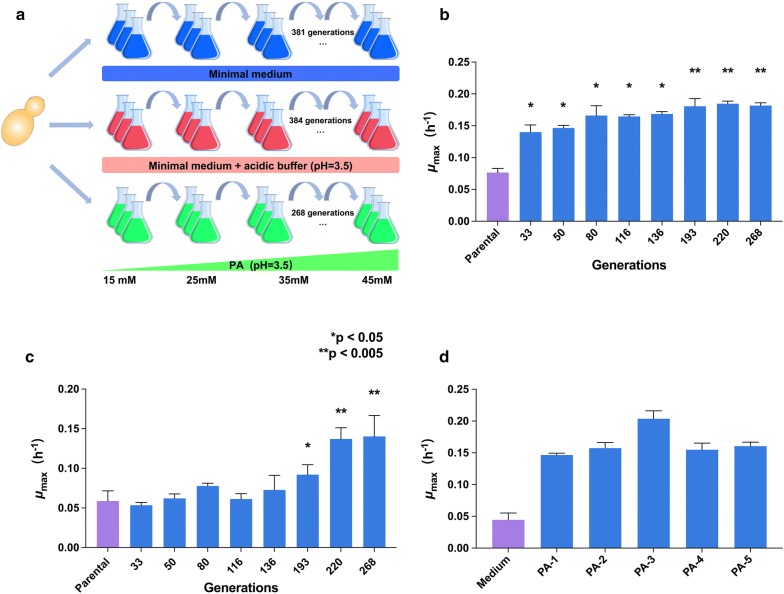
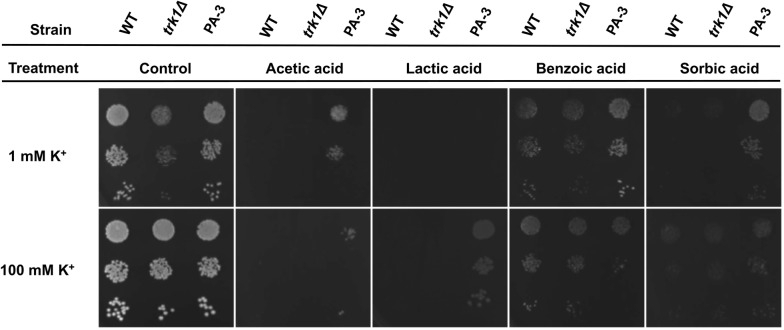
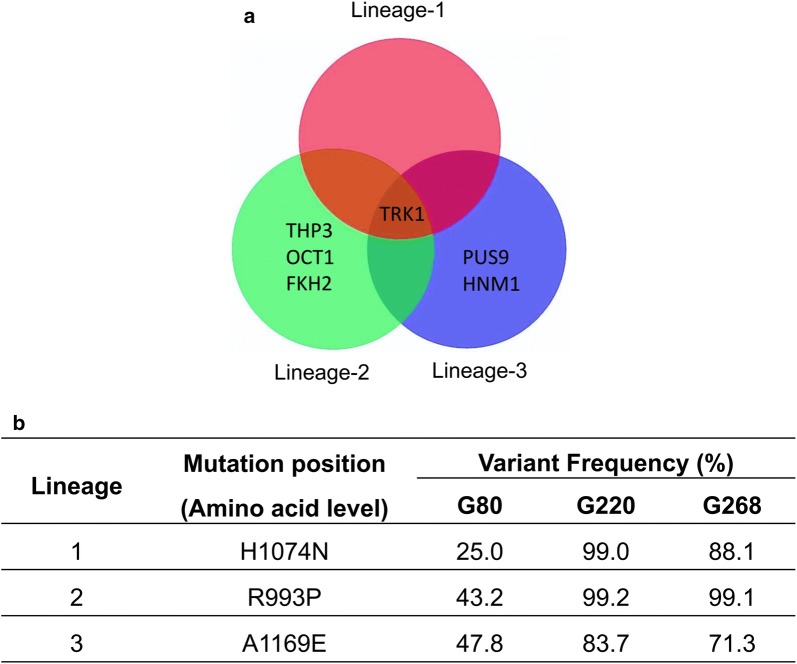
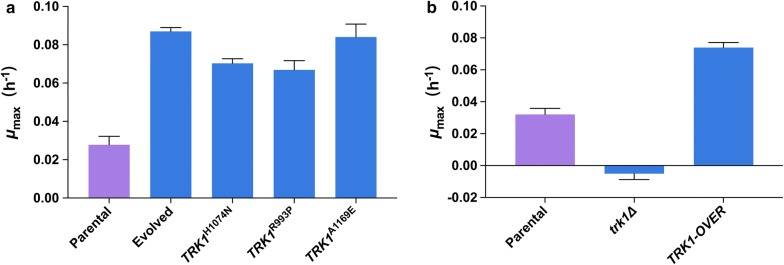
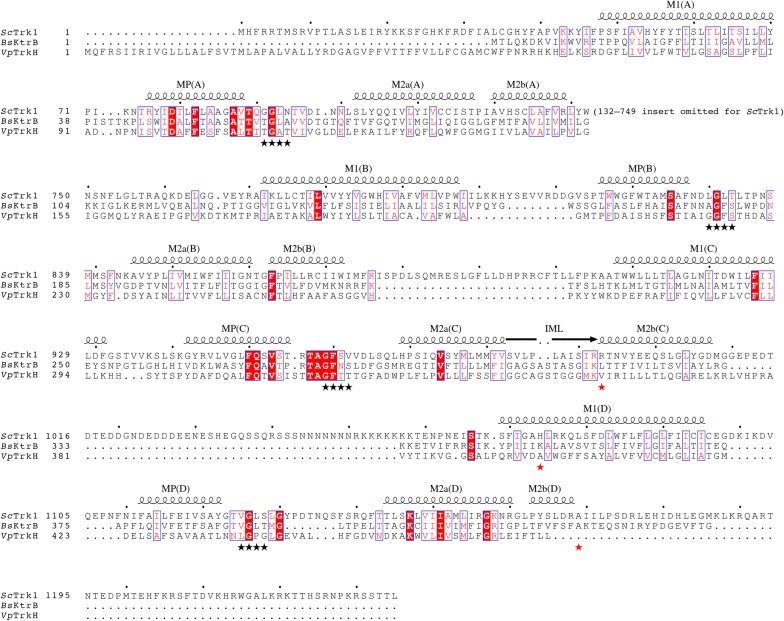
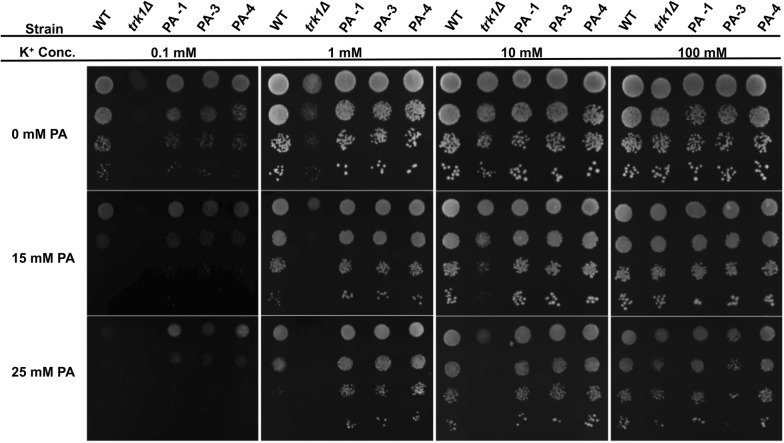
Adaptive laboratory evolution (ALE) with PA concentrations ranging from 15 to 45 mM enabled the isolation of yeast strains with more than threefold improved tolerance to PA. Through whole genome sequencing and CRISPR-Cas9-mediated reverse engineering, unique mutations in , which encodes a high-affinity potassium transporter, were revealed as the cause of increased propionic acid tolerance. Potassium supplementation growth assays showed that mutated alleles and extracellular potassium supplementation not only conferred tolerance to PA stress but also to multiple organic acids.
Our study has demonstrated the use of ALE as a powerful tool to improve yeast tolerance to PA. Potassium transport and maintenance is not only critical in yeast tolerance to PA but also boosts tolerance to multiple organic acids. These results demonstrate high-affinity potassium transport as a new principle for improving organic acid tolerance in strain engineering.
丙酸(PA)是石油精炼过程中作为副产物产生的一种关键平台化学品,已被广泛用作食品防腐剂和许多行业中的重要化学中间体。通过工程酵母作为细胞工厂进行微生物生产丙酸是一种潜在的可持续替代方法,可取代石油精炼。然而,在远低于商业生物工艺通常所需滴度的浓度下,丙酸就会抑制酵母生长。
在15至45 mM的丙酸浓度下进行适应性实验室进化(ALE),能够分离出对丙酸耐受性提高三倍以上的酵母菌株。通过全基因组测序和CRISPR-Cas9介导的逆向工程,发现编码高亲和力钾转运蛋白的基因中的独特突变是丙酸耐受性增加的原因。钾补充生长试验表明,突变的等位基因和细胞外钾补充不仅赋予了对丙酸胁迫的耐受性,还赋予了对多种有机酸的耐受性。
我们的研究证明了使用适应性实验室进化作为提高酵母对丙酸耐受性的有力工具。钾的运输和维持不仅对酵母对丙酸的耐受性至关重要,而且还提高了对多种有机酸的耐受性。这些结果证明了高亲和力钾转运是菌株工程中提高有机酸耐受性的新原理。