Division of Neuropsychology, Department of Psychology, University of Zurich, Zurich, Switzerland.
University Research Priority Program "Dynamics of Healthy Aging", University of Zurich, Zurich, Switzerland.
Neural Plast. 2019 Mar 26;2019:3540898. doi: 10.1155/2019/3540898. eCollection 2019.
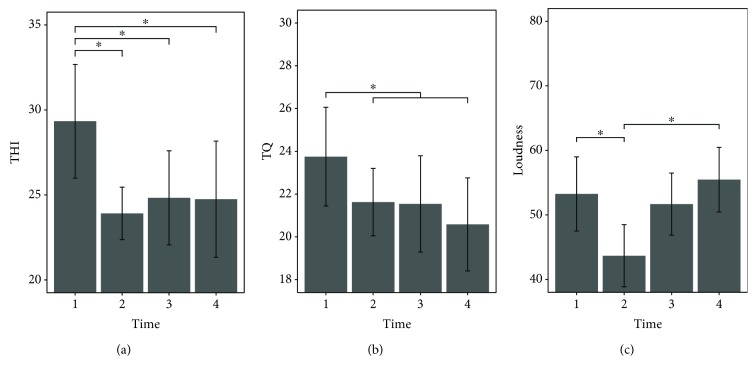
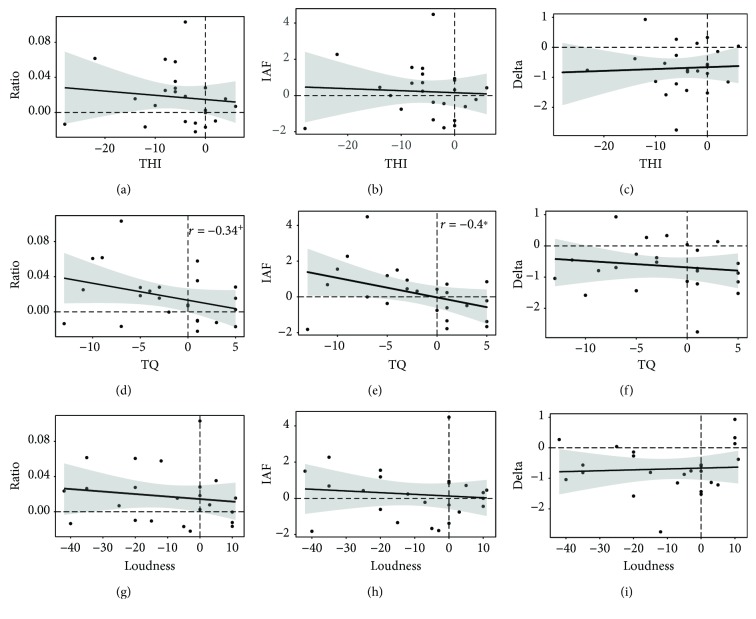
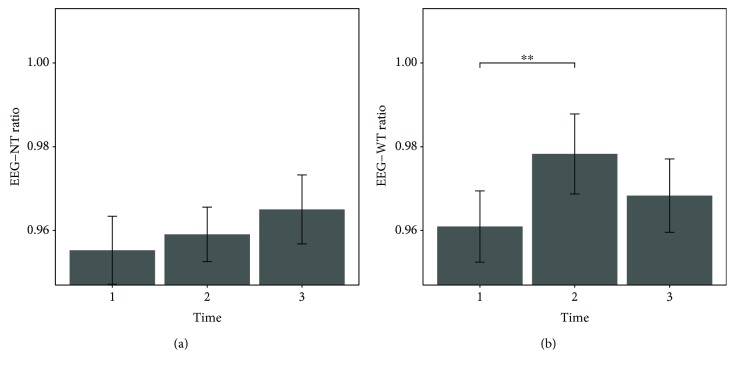
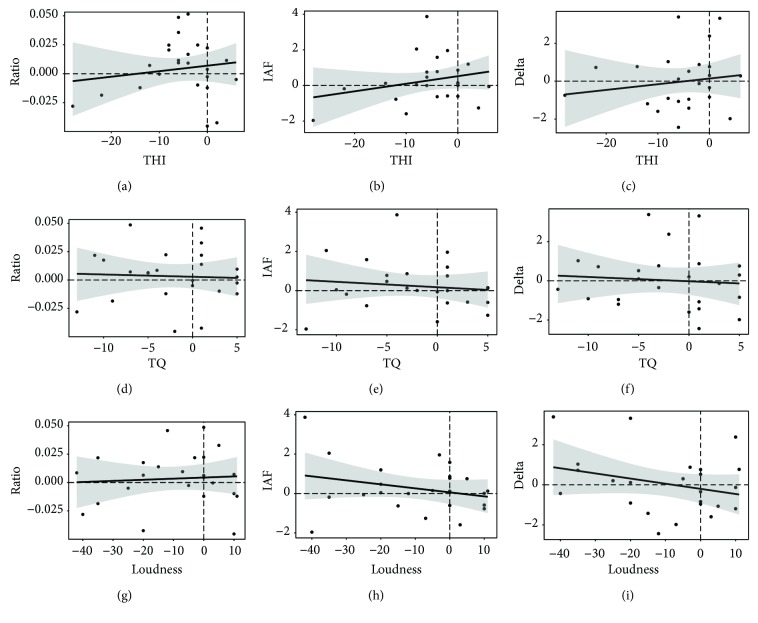
First attempts have demonstrated that the application of alpha/delta neurofeedback in the treatment of chronic tinnitus leads to a reduction of symptoms at the group level. However, recent research also suggests that chronic tinnitus is a decidedly heterogeneous phenomenon, one that requires treatment of distinct subgroups or even on an individual level. Thus, the purpose of this study was to evaluate an individually adjusted alpha/delta neurofeedback protocol. Following previous studies, the delta band fixed between 3 and 4 Hz was chosen as the frequency for inhibition. However, unlike the previous studies, the frequency range for the rewarded alpha band was not fixed between 8 and 12 Hz but rather individually determined according to each patient's specific alpha peak frequency (IAF). Twenty-six chronic tinnitus patients participated in 15 weekly neurofeedback training sessions and extensive pre- and post-tests, as well as follow-up testing 3 and 6 months after training. The main outcome measures were tinnitus-related distress measured with the Tinnitus Handicap Inventory (THI) and Tinnitus Questionnaire (TQ), tinnitus loudness, and pre- and post-training resting-state EEG activity in trained frequency bands. In Results, the neurofeedback protocol led to a significant reduction of tinnitus-related distress and tinnitus loudness. While distress remained on a low level even 6 months after the completion of training, loudness returned to baseline levels in the follow-up period. In addition, resting-state EEG activity showed an increase in the trained alpha/delta ratio over the course of the training. This ratio increase was related to training-induced changes of tinnitus-related distress as measured with TQ, mainly due to increases in the alpha frequency range. In sum, this study confirms the alpha/delta neurofeedback as a suitable option for the treatment of chronic tinnitus and represents a first step towards the development of individual neurofeedback protocols. This clinical trial was registered online at ClinicalTrials.gov (NCT02383147) and kofam.ch (SNCTP000001313).
初步尝试表明,应用 alpha/delta 神经反馈治疗慢性耳鸣可在群组水平上减轻症状。然而,最近的研究还表明,慢性耳鸣是一种明显异质的现象,需要对不同亚组甚至个体进行治疗。因此,本研究旨在评估一种个体化调整的 alpha/delta 神经反馈方案。继先前的研究之后,选择 delta 频段固定在 3 到 4 Hz 之间作为抑制频率。然而,与先前的研究不同,奖励 alpha 频段的频率范围不是固定在 8 到 12 Hz 之间,而是根据每个患者特定的 alpha 峰值频率(IAF)进行个体化确定。26 名慢性耳鸣患者参加了 15 次每周的神经反馈训练课程和广泛的预测试和后测试,以及训练后 3 个月和 6 个月的随访测试。主要的结局测量是使用耳鸣残疾量表(THI)和耳鸣问卷(TQ)测量的耳鸣相关困扰,耳鸣响度以及训练前后在训练频段的静息状态 EEG 活动。结果表明,神经反馈方案可显著降低耳鸣相关困扰和耳鸣响度。虽然在训练结束后 6 个月,困扰仍处于较低水平,但在随访期间,响度恢复到基线水平。此外,静息状态 EEG 活动显示在训练过程中训练 alpha/delta 比值增加。这种比值的增加与 TQ 测量的训练引起的耳鸣相关困扰的变化有关,主要是由于 alpha 频率范围的增加。总之,这项研究证实了 alpha/delta 神经反馈是治疗慢性耳鸣的一种合适选择,并且代表了个体化神经反馈方案发展的第一步。这项临床试验已在 ClinicalTrials.gov(NCT02383147)和 kofam.ch(SNCTP000001313)在线注册。