Bakur Abdelmoneim, Niu Yongwu, Kuang Hui, Chen Qihe
Department of Food Science and Nutrition, Zhejiang University, Yuhangtang Rd. 866, Hangzhou, 310058, China.
Department of Food Sciences and Technology, University of Kordofan, El Obeid, Sudan.
AMB Express. 2019 May 7;9(1):62. doi: 10.1186/s13568-019-0785-6.
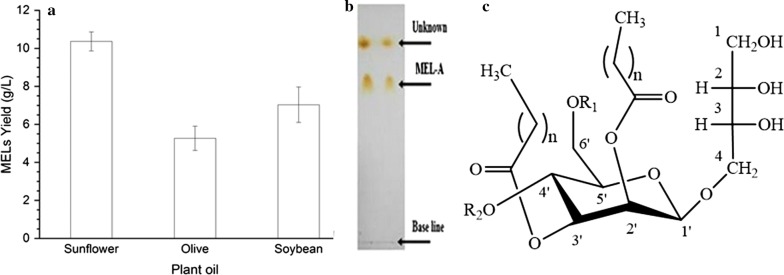
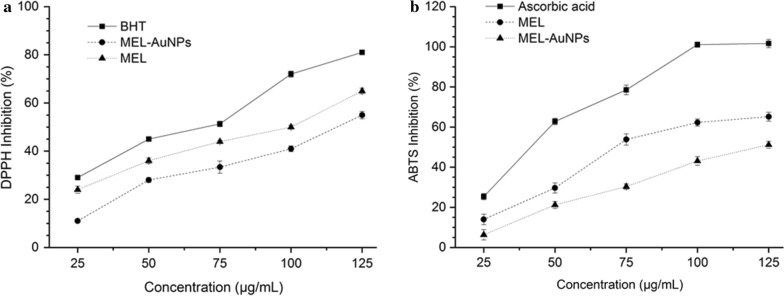
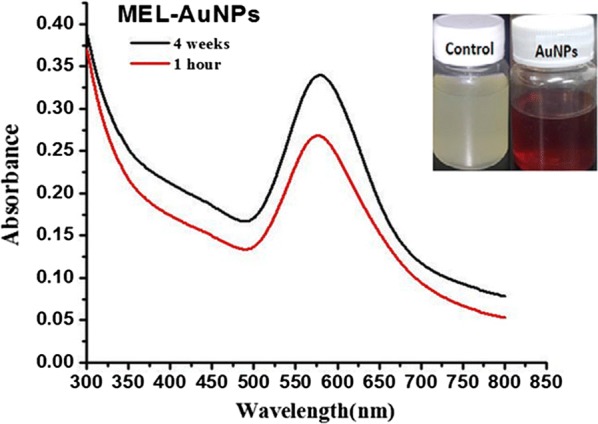
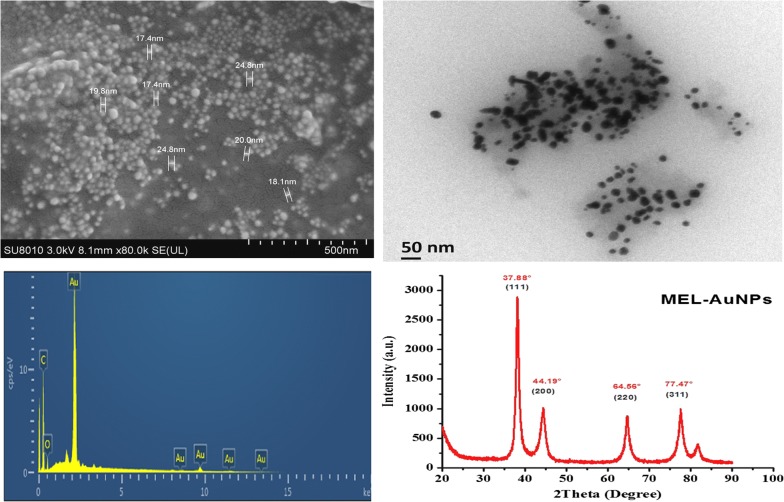
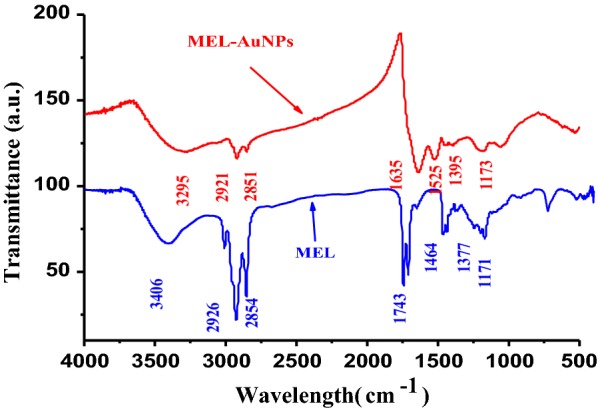
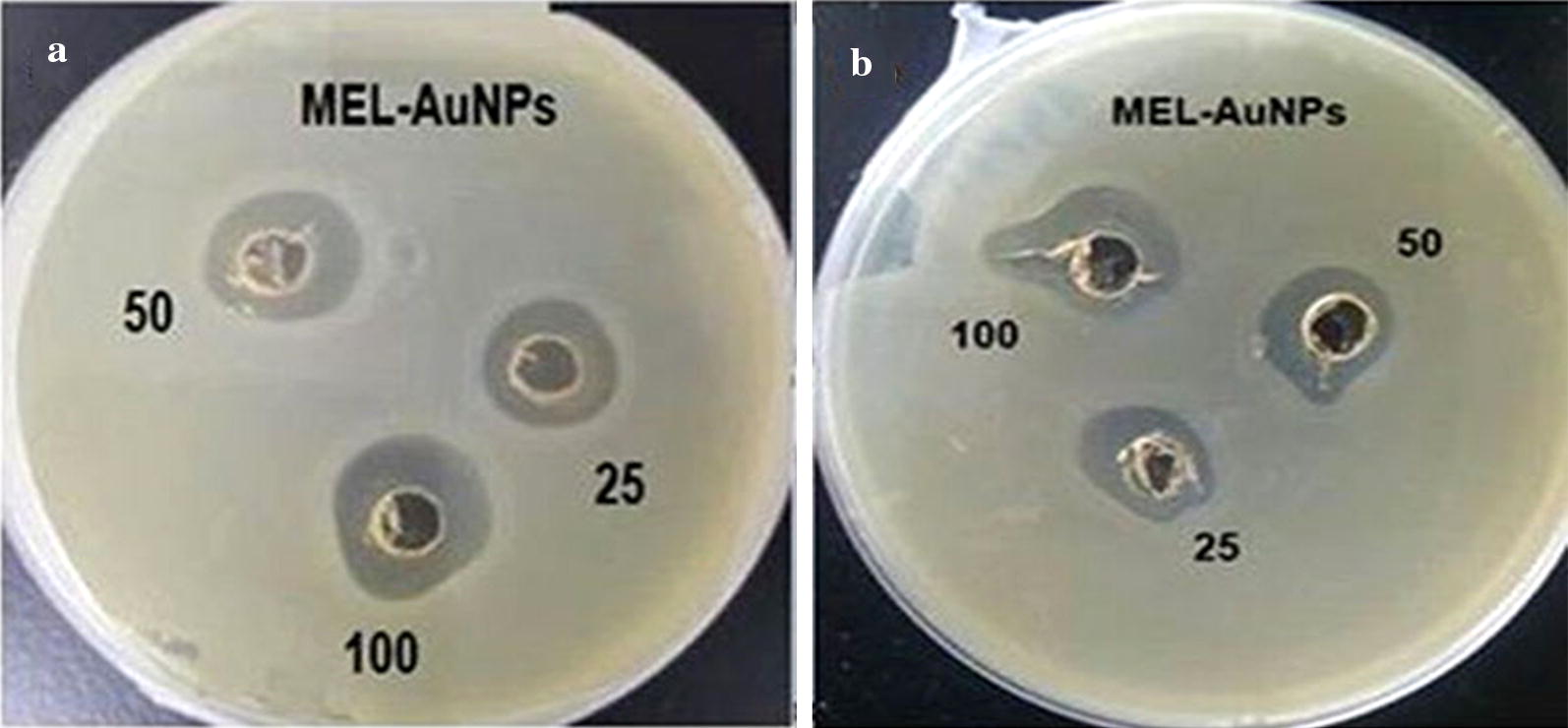
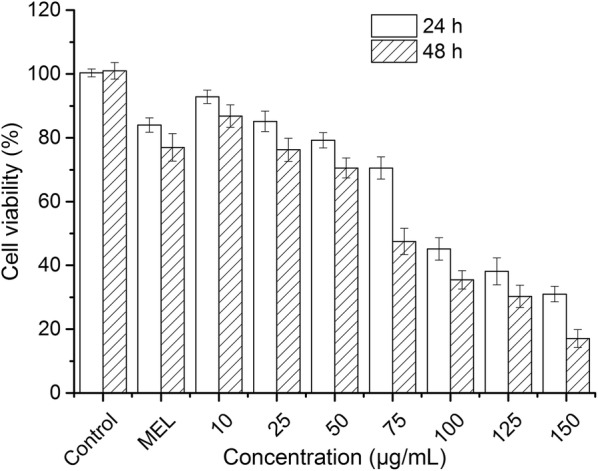
In this study, we introduce a simple and green method for synthesis of gold nanoparticles (AuNPs) using microbial glycolipid mannosylerythritol lipid (MEL) produced from Ustilago maydis CGMCC 5.203 and to evaluate their biomedical activities. MEL was found 10.3 g/L using sunflower oil. The formation of MEL-AuNPs was verified using UV-visible spectrum, XRD, TEM, FTIR, SEM, and EDX. In the biomedical examinations, MEL-AuNPs demonstrated potential cytotoxicity against HepG2 cells, and IC values were found to be 100 and 75 µg/mL for 24 h and 48 h of exposure, respectively, which indicates its good performance against cancer cells. The IC value of MEL-AuNPs was found to be 115 and 124 µg/mL for DPPH and ABTS scavenging activities, respectively. The biosynthesized MEL-AuNPs significantly inhibited cell growth of pathogenic Gram-positive and Gram-negative bacteria. These findings indicated that MEL plays a crucial role in the rapid biofabrication method of metallic NPs possessed the potential of biomedical activities.
在本研究中,我们介绍了一种简单且绿色的方法,即利用玉米黑粉菌CGMCC 5.203产生的微生物糖脂甘露糖赤藓糖醇脂(MEL)合成金纳米颗粒(AuNPs),并评估其生物医学活性。使用向日葵油时,发现MEL的产量为10.3 g/L。通过紫外可见光谱、X射线衍射、透射电子显微镜、傅里叶变换红外光谱、扫描电子显微镜和能谱分析验证了MEL-AuNPs的形成。在生物医学检测中,MEL-AuNPs对肝癌细胞HepG2显示出潜在的细胞毒性,暴露24小时和48小时时的半数抑制浓度(IC)值分别为100和75 μg/mL,这表明其对癌细胞具有良好的作用效果。MEL-AuNPs对二苯基苦味酰基自由基(DPPH)和2,2'-联氮-双-3-乙基苯并噻唑啉-6-磺酸(ABTS)的清除活性的IC值分别为115和124 μg/mL。生物合成的MEL-AuNPs显著抑制致病性革兰氏阳性菌和革兰氏阴性菌的细胞生长。这些发现表明,MEL在金属纳米颗粒的快速生物制造方法中起着关键作用,具有生物医学活性的潜力。