Department of Dental Medicine, Karolinska Institutet, Huddinge, Sweden.
Department of Microbiology, Tumor and Cell Biology and Science for Life Laboratory, Karolinska Institutet, Stockholm, Sweden.
Int J Oral Sci. 2019 May 9;11(2):16. doi: 10.1038/s41368-019-0049-y.
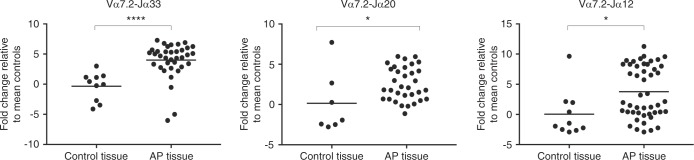
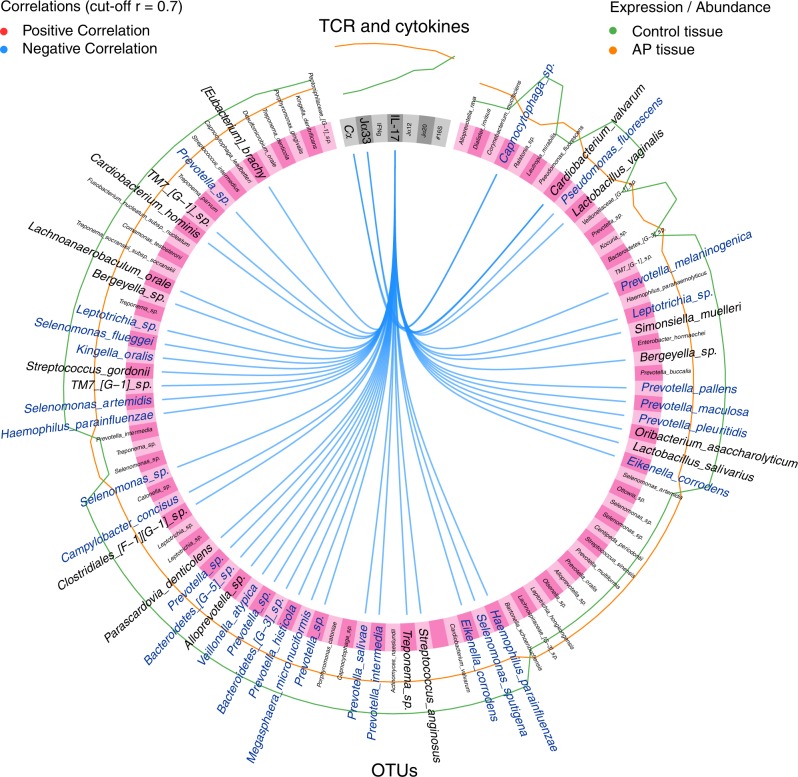
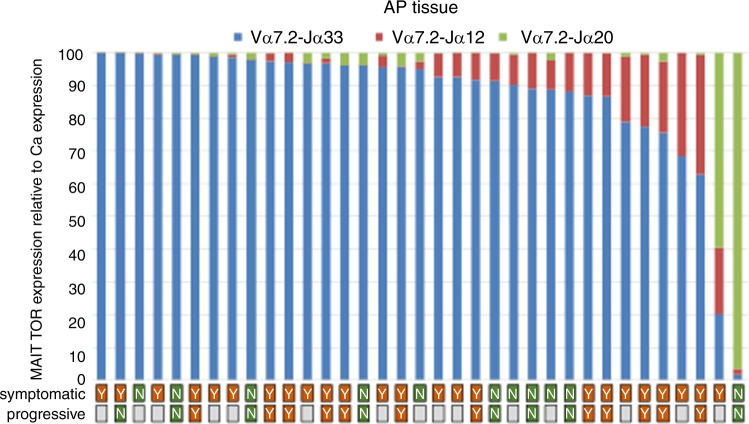
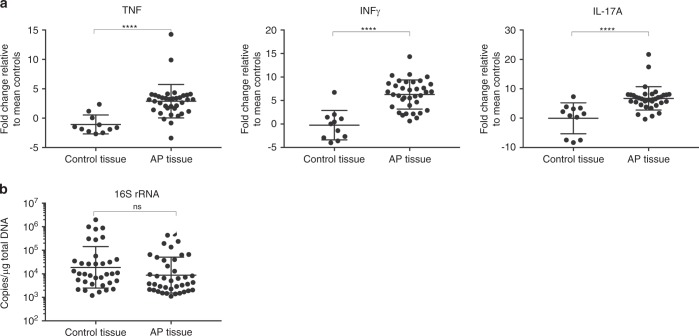
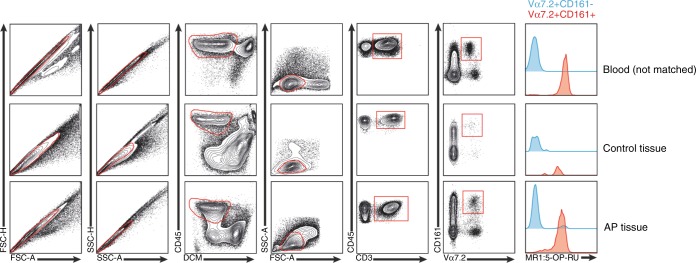
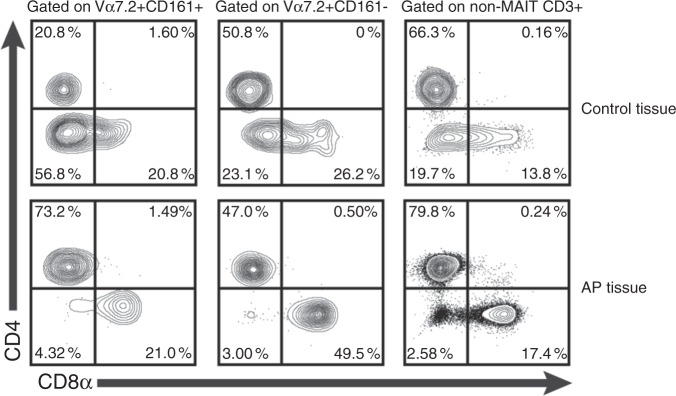
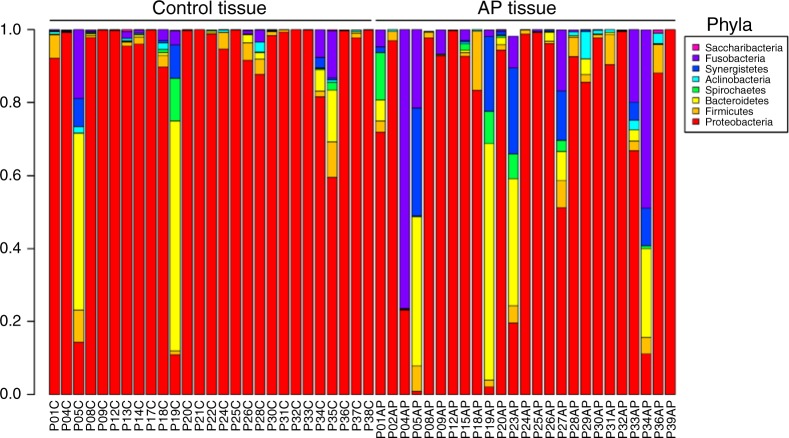
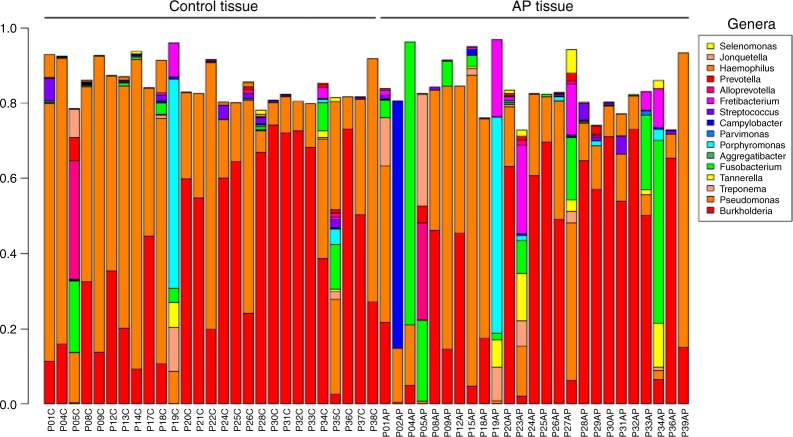
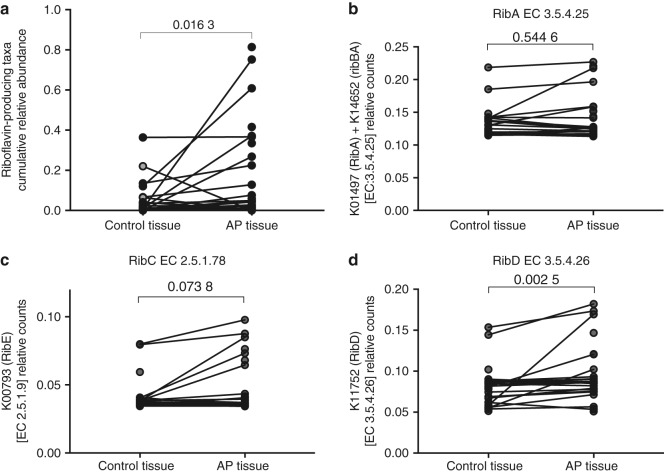
Opportunistic bacteria in apical periodontitis (AP) may pose a risk for systemic dissemination. Mucosal-associated invariant T (MAIT) cells are innate-like T cells with a broad and potent antimicrobial activity important for gut mucosal integrity. It was recently shown that MAIT cells are present in the oral mucosal tissue, but the involvement of MAIT cells in AP is unknown. Here, comparison of surgically resected AP and gingival tissues demonstrated that AP tissues express significantly higher levels of Vα7.2-Jα33, Vα7.2-Jα20, Vα7.2-Jα12, Cα and tumour necrosis factor (TNF), interferon (IFN)-γ and interleukin (IL)-17A transcripts, resembling a MAIT cell signature. Moreover, in AP tissues the MR1-restricted MAIT cells positive for MR1-5-OP-RU tetramer staining appeared to be of similar levels as in peripheral blood but consisted mainly of CD4 subset. Unlike gingival tissues, the AP microbiome was quantitatively impacted by factors like fistula and high patient age and had a prominent riboflavin-expressing bacterial feature. When merged in an integrated view, the examined immune and microbiome data in the sparse partial least squares discriminant analysis could identify bacterial relative abundances that negatively correlated with Vα7.2-Jα33, Cα, and IL-17A transcript expressions in AP, implying that MAIT cells could play a role in the local defence at the oral tissue barrier. In conclusion, we describe the presence of MAIT cells at the oral site where translocation of oral microbiota could take place. These findings have implications for understanding the immune sensing of polymicrobial-related oral diseases.
根尖周炎(AP)中的机会性细菌可能会对全身传播构成威胁。黏膜相关不变 T(MAIT)细胞是具有广谱和强大抗菌活性的固有样 T 细胞,对肠道黏膜完整性很重要。最近的研究表明,MAIT 细胞存在于口腔黏膜组织中,但 MAIT 细胞在 AP 中的参与情况尚不清楚。在这里,对手术切除的 AP 和牙龈组织进行比较,结果表明 AP 组织表达的 Vα7.2-Jα33、Vα7.2-Jα20、Vα7.2-Jα12、Cα 和肿瘤坏死因子(TNF)、干扰素(IFN)-γ 和白细胞介素(IL)-17A 转录本水平显著升高,类似于 MAIT 细胞特征。此外,在 AP 组织中,MR1 限制性 MAIT 细胞对 MR1-5-OP-RU 四聚体染色呈阳性,其水平似乎与外周血相似,但主要由 CD4 亚群组成。与牙龈组织不同,AP 微生物组受瘘管和患者年龄等因素的定量影响,并且具有突出的核黄素表达细菌特征。当将检查的免疫和微生物组数据合并到稀疏偏最小二乘判别分析的综合视图中时,可以识别与 AP 中 Vα7.2-Jα33、Cα 和 IL-17A 转录物表达呈负相关的细菌相对丰度,这意味着 MAIT 细胞可能在口腔组织屏障的局部防御中发挥作用。总之,我们描述了 MAIT 细胞在口腔部位的存在,口腔微生物群可能在此处发生易位。这些发现对理解多微生物相关口腔疾病的免疫感应具有重要意义。