Chen Lin, Yuan Yun, Wu Jinwen, Chen Zhixiong, Wang Lan, Shahid Muhammad Qasim, Liu Xiangdong
State Key Laboratory for Conservation and Utilization of Subtropical Agro-Bioresources, South China Agricultural University, Guangzhou, 510642, China.
Guangdong Provincial Key Laboratory of Plant Molecular Breeding, South China Agricultural University, Guangzhou, 510642, China.
Rice (N Y). 2019 May 10;12(1):34. doi: 10.1186/s12284-019-0294-x.
Autotetraploid rice hybrids have great potential to increase the production, but hybrid sterility is a major hindrance in the utilization of hybrid vigor in polyploid rice, which is mainly caused by pollen abortion. Our previous study showed that double pollen fertility neutral genes, Sa-n and Sb-n, can overcome hybrid sterility in autotetraploid rice. Here, we used an autotetraploid rice line harboring double neutral genes to develop hybrids by crossing with auto- and neo-tetraploid rice, and evaluated heterosis and its underlying molecular mechanism.
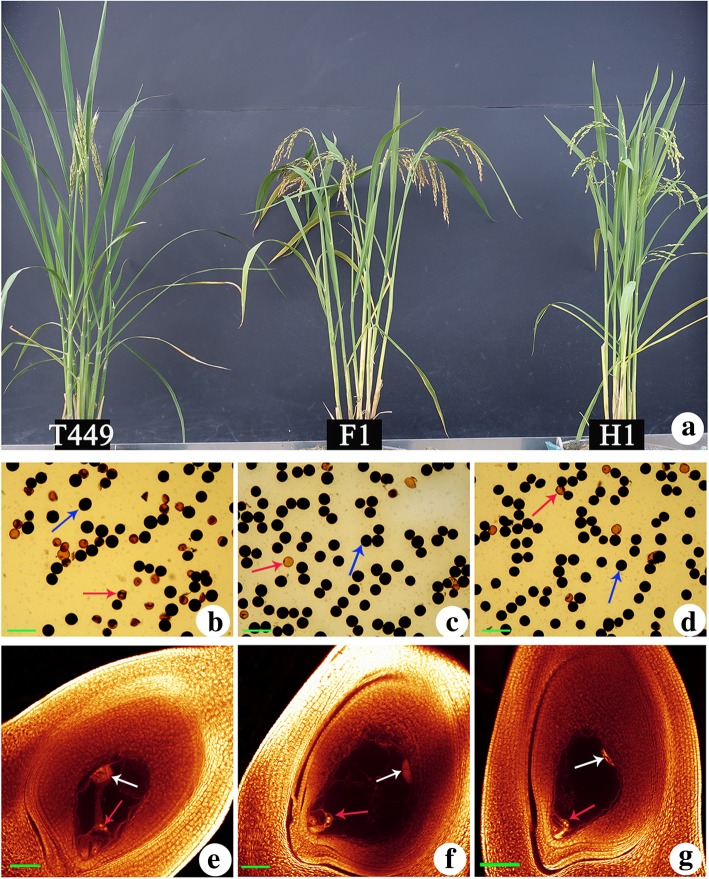
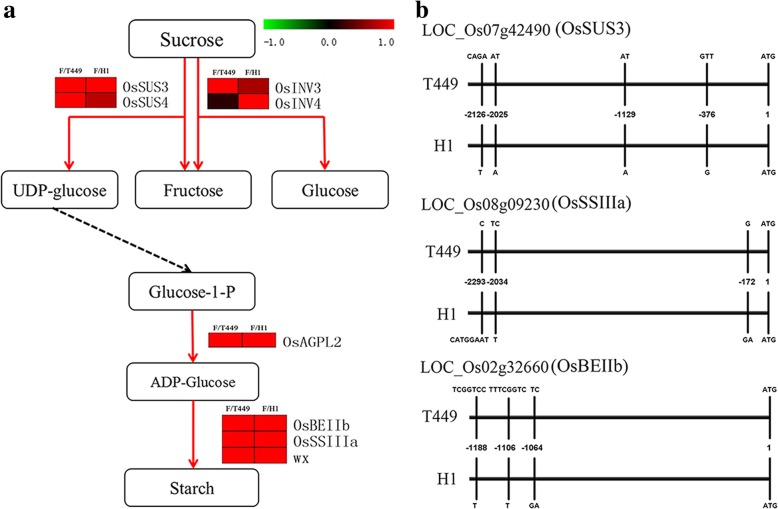
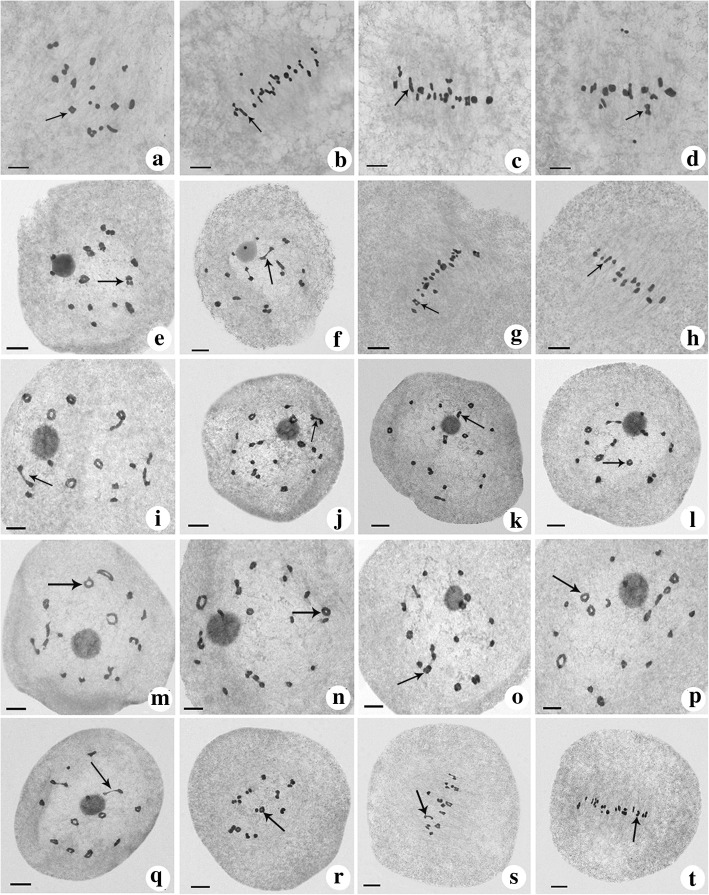
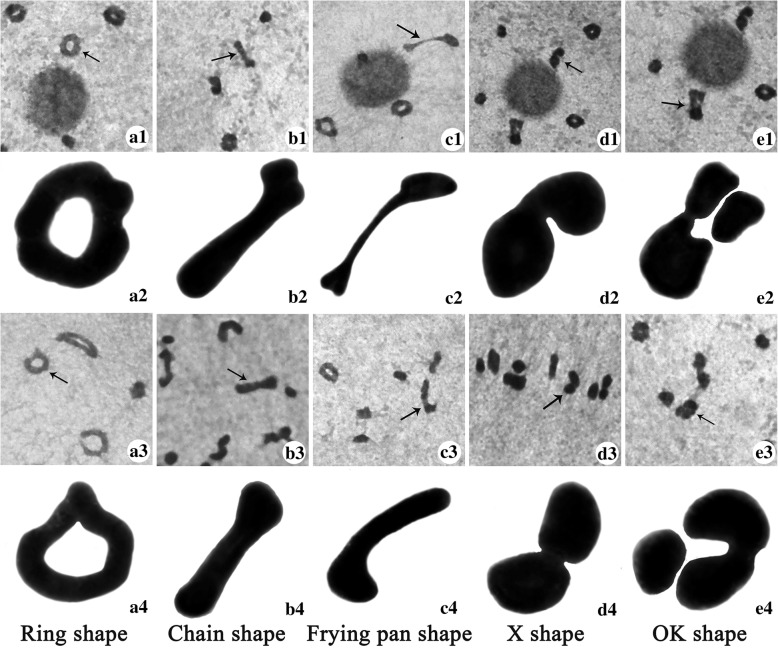
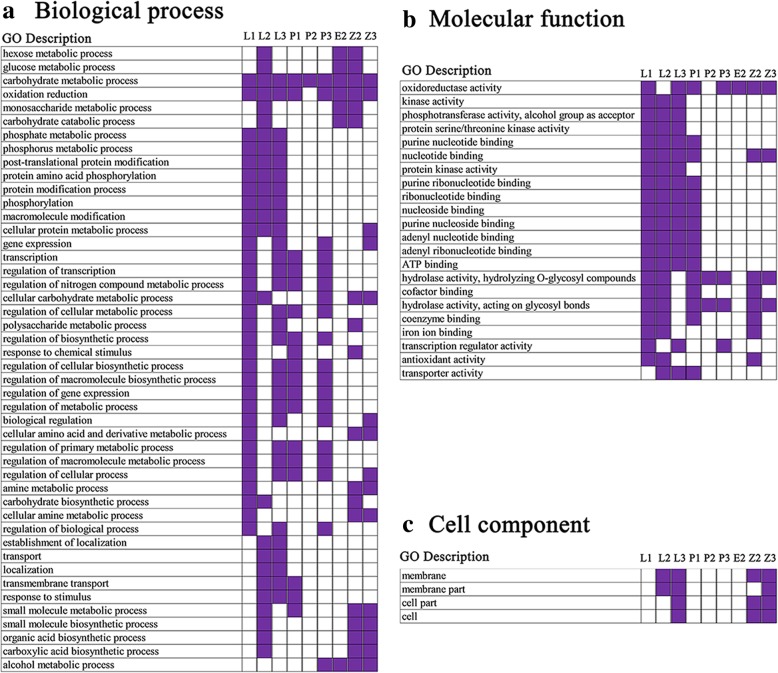
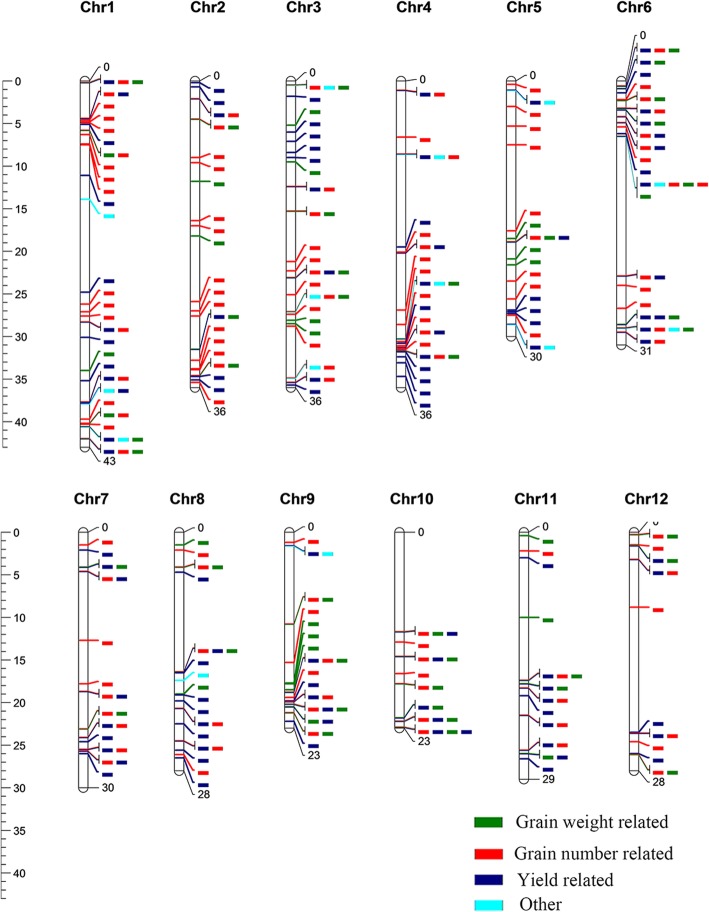
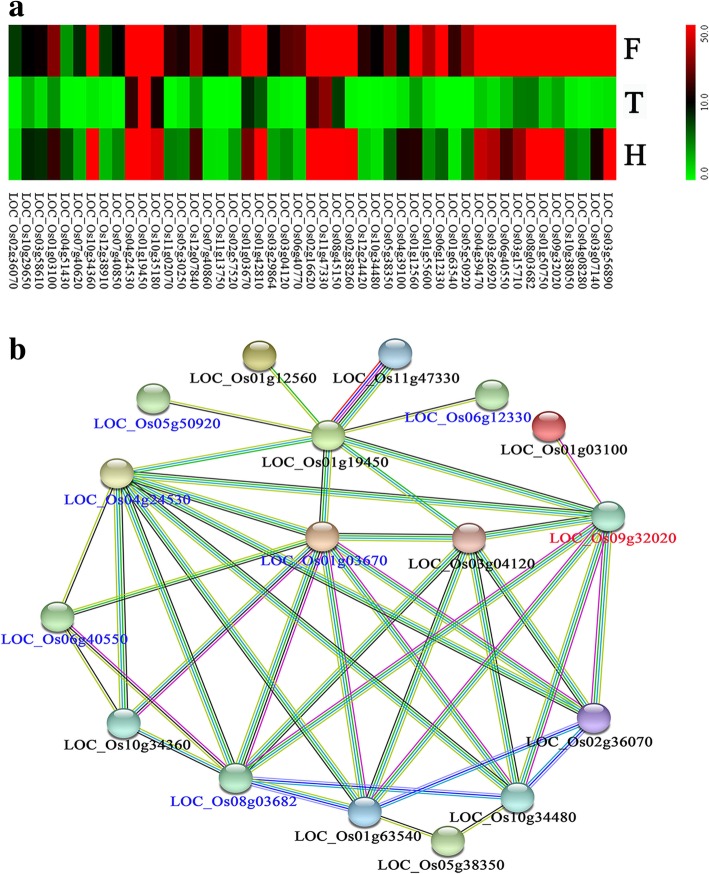
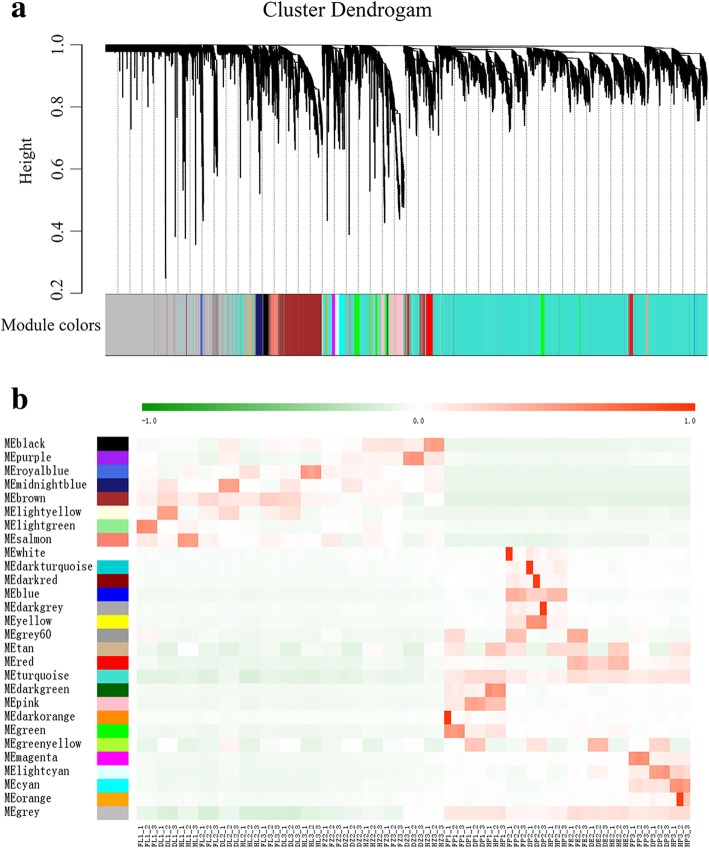
All autotetraploid rice hybrids, which harbored double pollen fertility neutral genes, Sa-n and Sb-n, displayed high seed setting and significant positive heterosis for yield and yield-related traits. Cytological observations revealed normal chromosome behaviors and higher frequency of bivalents in the hybrid than parents during meiosis. Transcriptome analysis revealed significantly higher expressions of important saccharides metabolism and starch synthase related genes, such as OsBEIIb and OsSSIIIa, in the grains of hybrid than parents. Furthermore, many meiosis-related and specific genes, including DPW and CYP703A3, displayed up-regulation in the hybrid compared to a parent with low seed setting. Many non-additive genes were detected in the hybrid, and GO term of carbohydrate metabolic process was significantly enriched in all the transcriptome tissues except flag leaf (three days after flowering). Moreover, many differentially expressed genes (DEGs) were identified in the yield-related quantitative trait loci (QTLs) regions as possible candidate genes.
Our results revealed that increase in the number of bivalents improved the seed setting of hybrid harboring double pollen fertility neutral genes. Many important genes, including meiosis-related and meiosis-specific genes and saccharides metabolism and starch synthase related genes, exhibited heterosis specific expression patterns in polyploid rice during different development stages. The functional analysis of important genes will provide valuable information for molecular mechanisms of heterosis in polyploid rice.
同源四倍体水稻杂交种具有巨大的增产潜力,但杂种不育是多倍体水稻杂种优势利用的主要障碍,主要由花粉败育引起。我们之前的研究表明,双花粉育性中性基因Sa-n和Sb-n可以克服同源四倍体水稻的杂种不育。在此,我们利用携带双中性基因的同源四倍体水稻品系与同源和新四倍体水稻杂交来培育杂交种,并评估杂种优势及其潜在的分子机制。
所有携带双花粉育性中性基因Sa-n和Sb-n的同源四倍体水稻杂交种都表现出高结实率,且在产量和产量相关性状上具有显著的正向杂种优势。细胞学观察表明,杂交种在减数分裂过程中染色体行为正常,二价体频率高于亲本。转录组分析显示,杂交种籽粒中重要糖类代谢和淀粉合酶相关基因(如OsBEIIb和OsSSIIIa)的表达明显高于亲本。此外,与结实率低的亲本相比,许多减数分裂相关和特异基因,包括DPW和CYP703A3,在杂交种中上调表达。在杂交种中检测到许多非加性基因,除旗叶(开花后三天)外,碳水化合物代谢过程的基因本体在所有转录组组织中均显著富集。此外,在产量相关的数量性状位点(QTL)区域鉴定出许多差异表达基因(DEG)作为可能的候选基因。
我们的结果表明,二价体数量的增加提高了携带双花粉育性中性基因的杂交种的结实率。许多重要基因,包括减数分裂相关和减数分裂特异基因以及糖类代谢和淀粉合酶相关基因,在多倍体水稻不同发育阶段表现出杂种优势特异性表达模式。重要基因的功能分析将为多倍体水稻杂种优势的分子机制提供有价值的信息。