GRECC, VA Palo Alto Health Care System, Palo Alto, United States.
Division of Immunology and Rheumatology, Stanford University School of Medicine, Stanford, United States.
Elife. 2019 May 14;8:e39905. doi: 10.7554/eLife.39905.
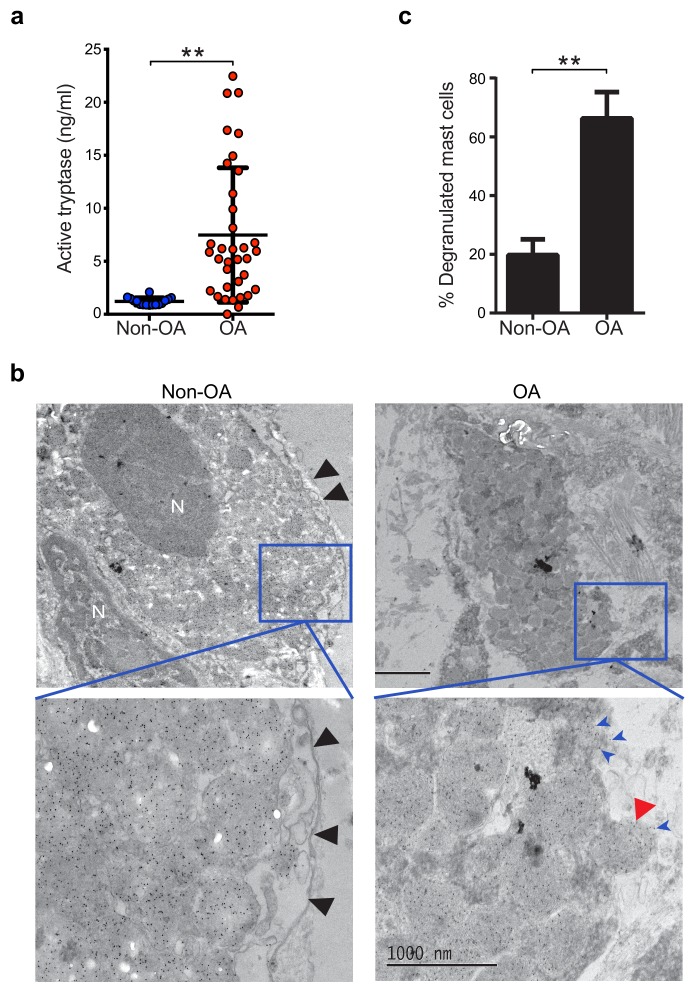
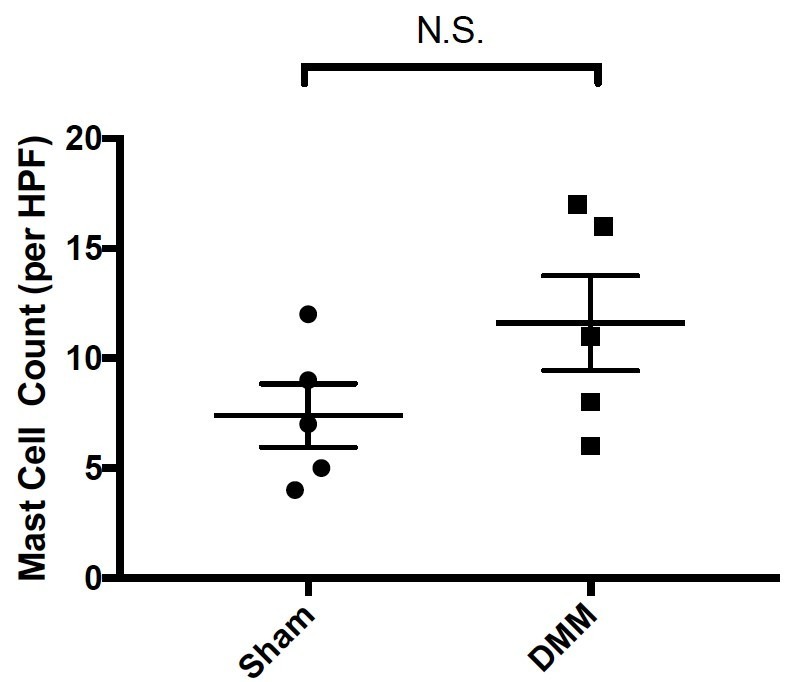
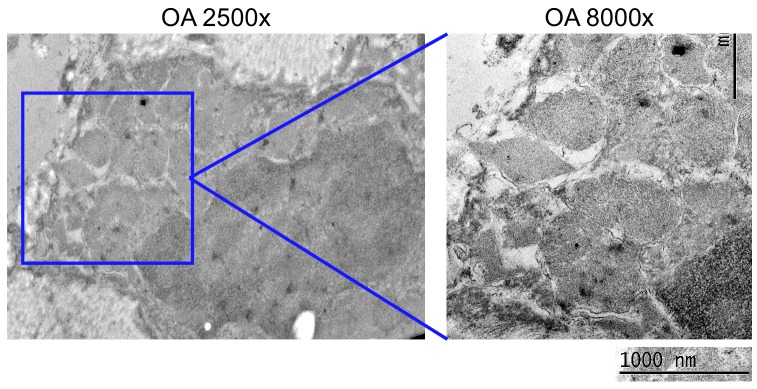
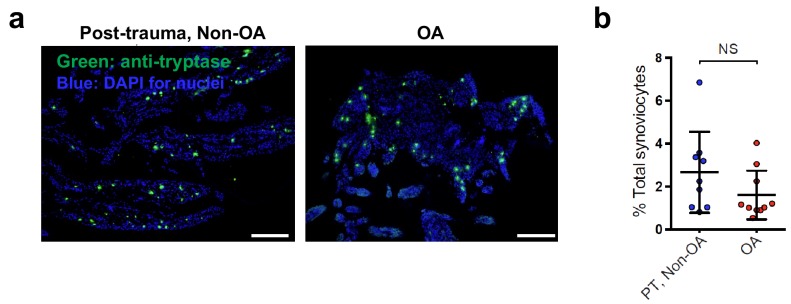
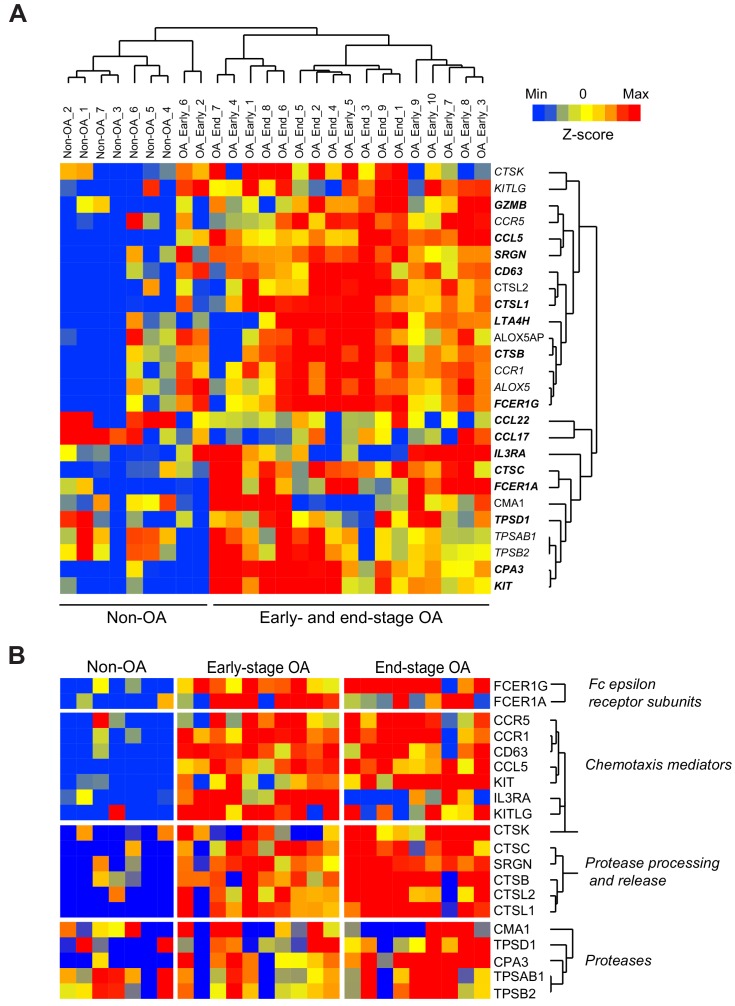
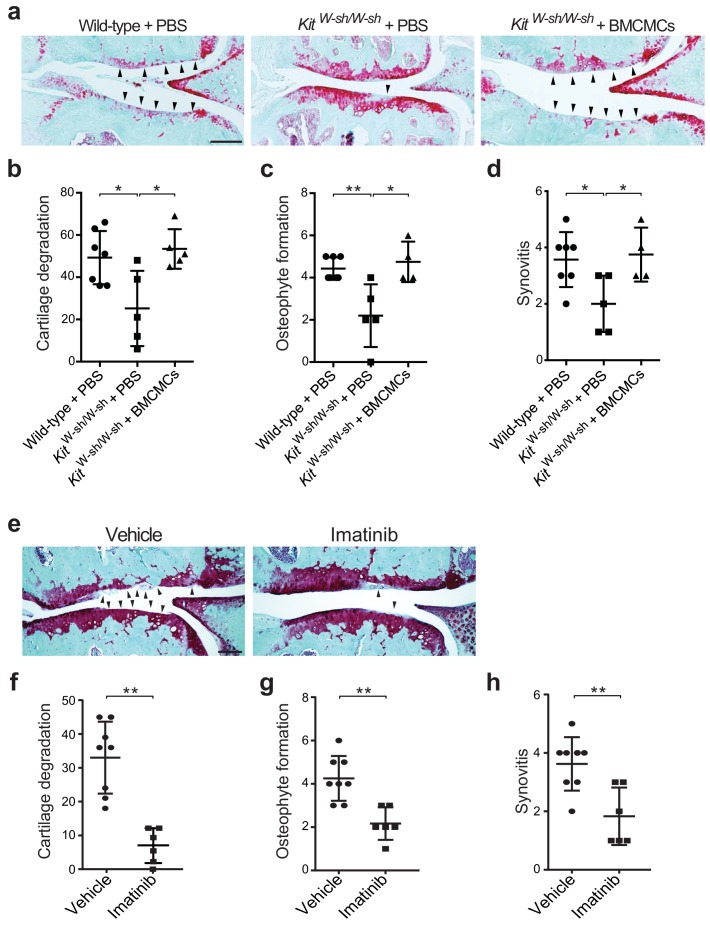
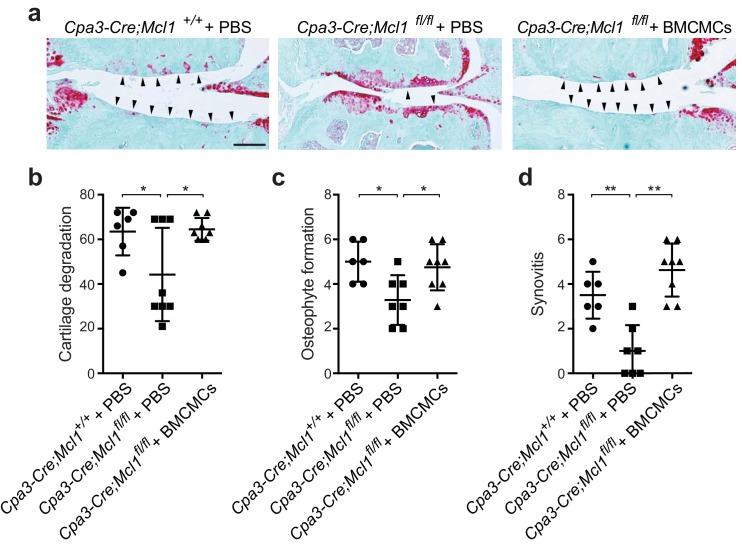
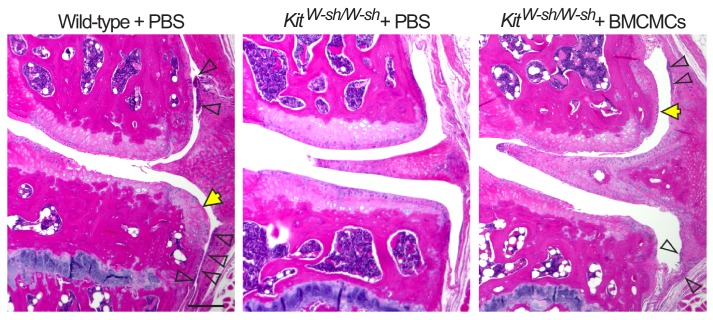
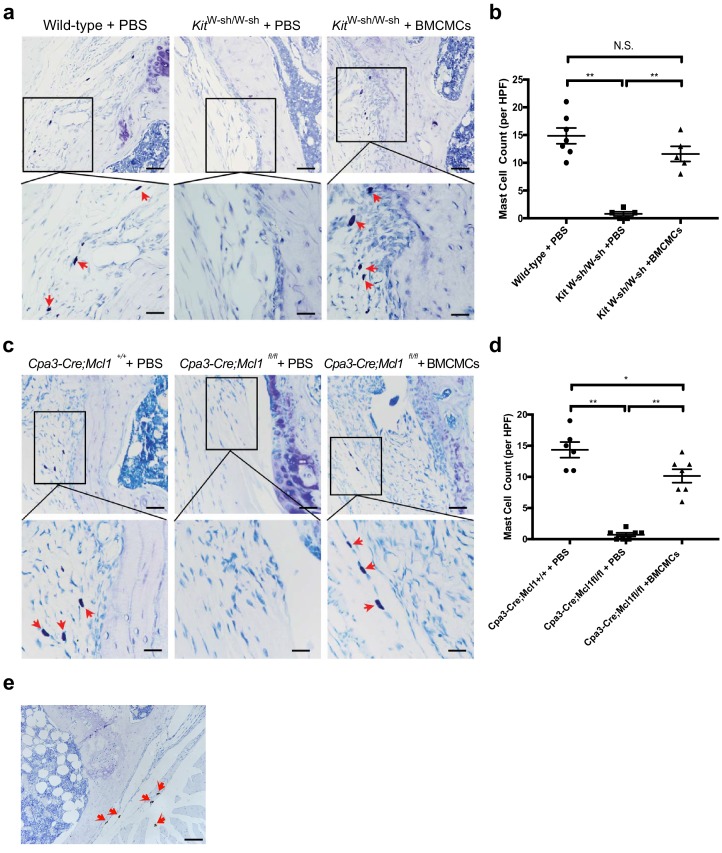
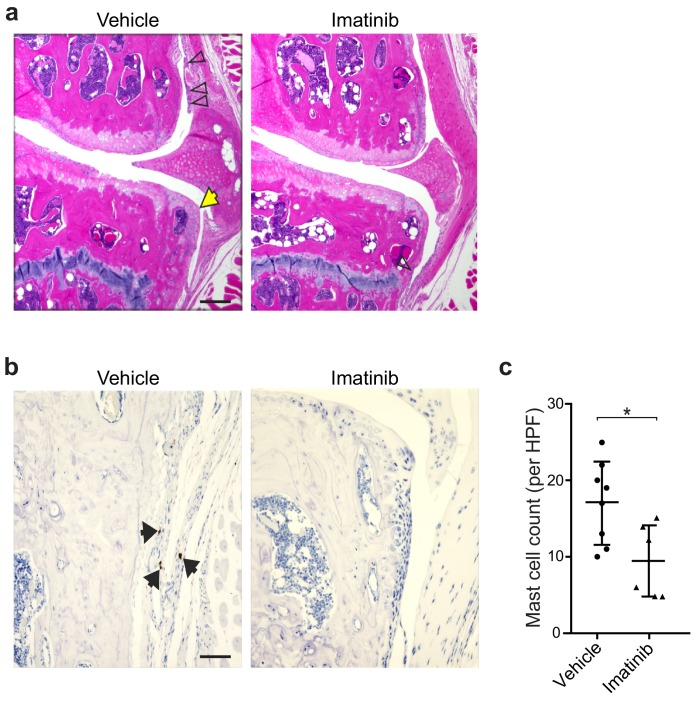
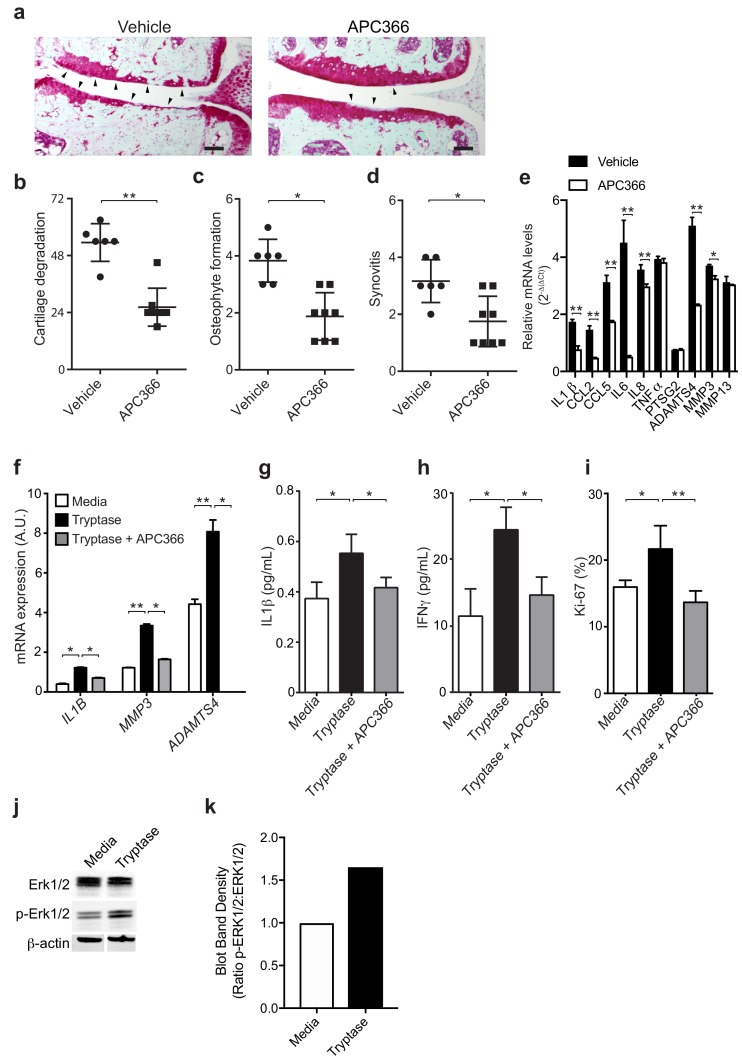
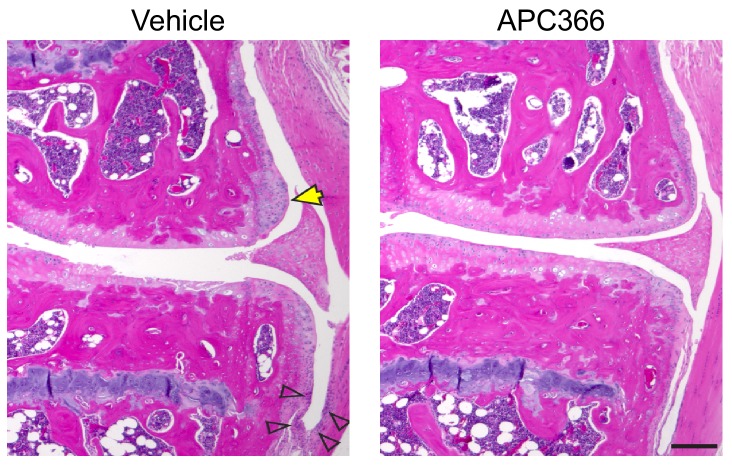
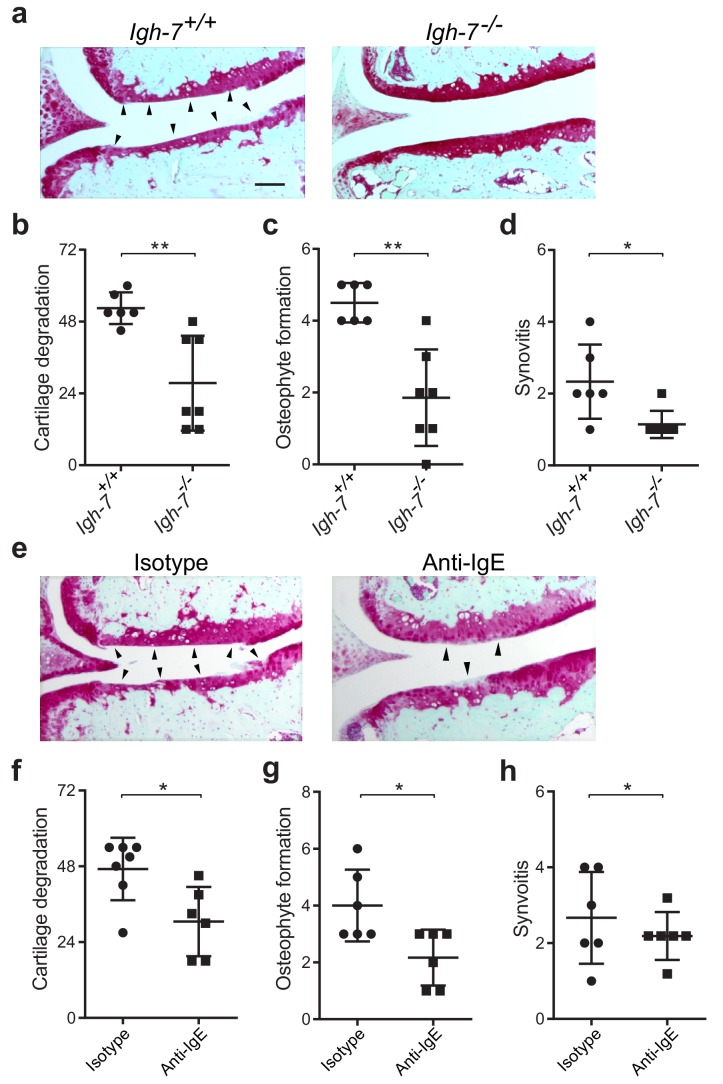
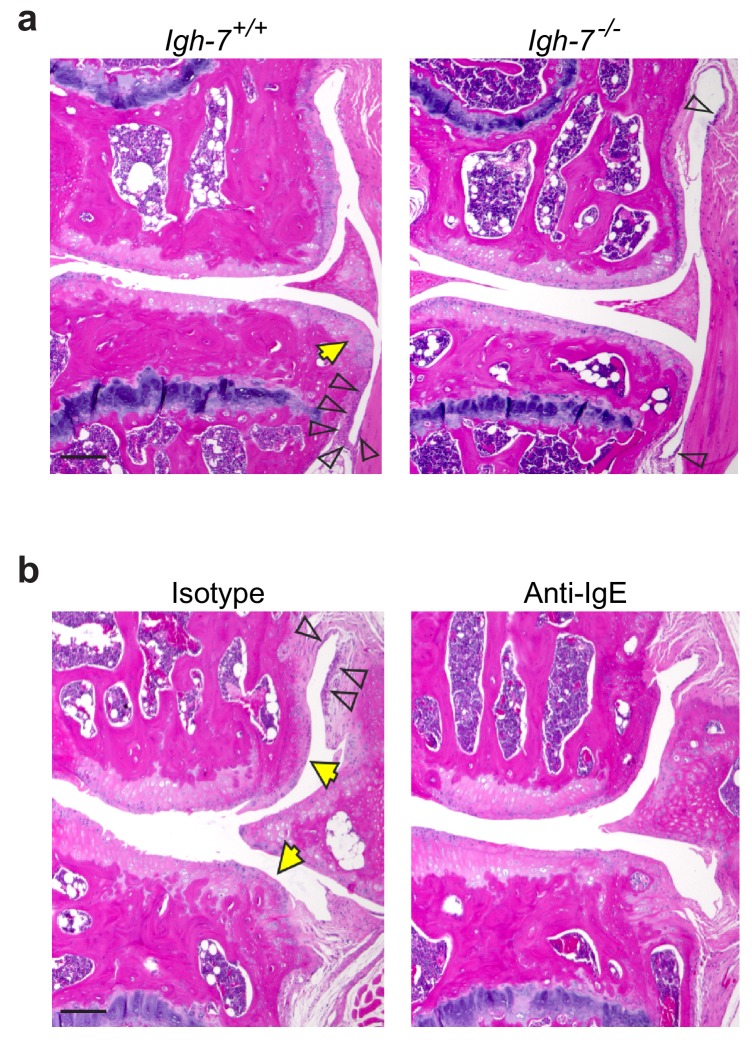
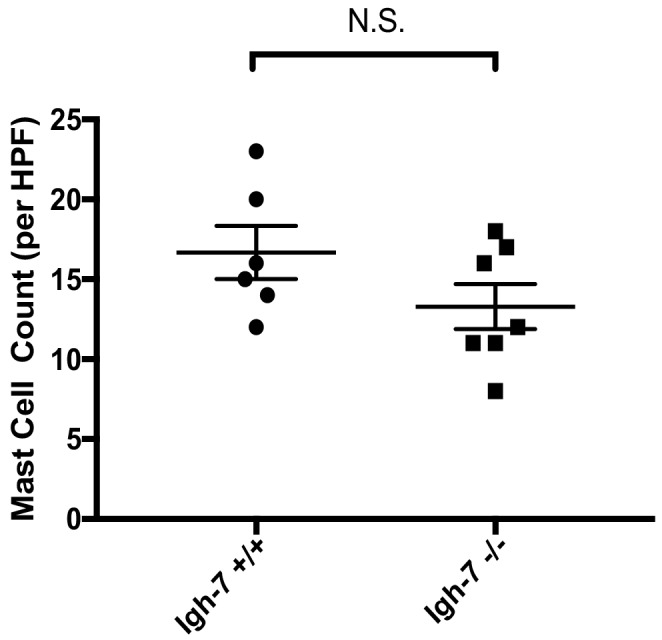
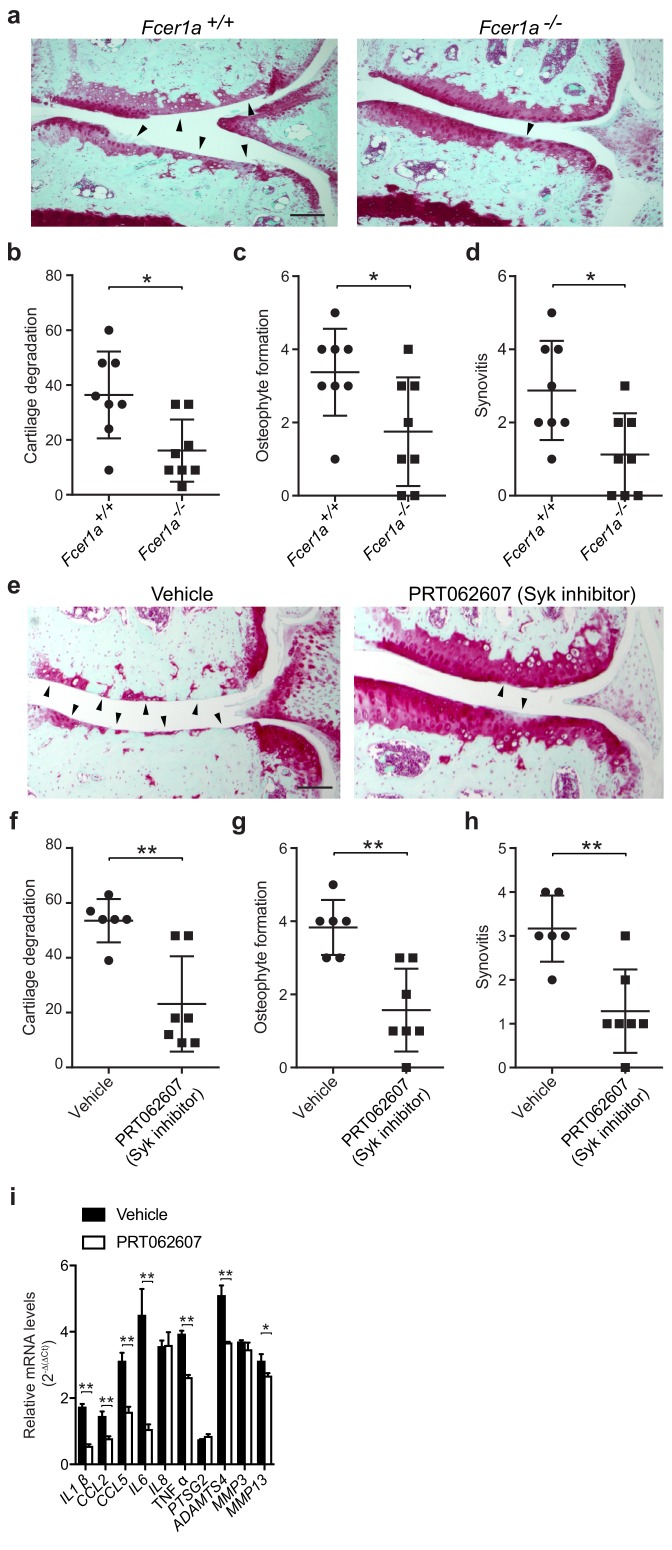
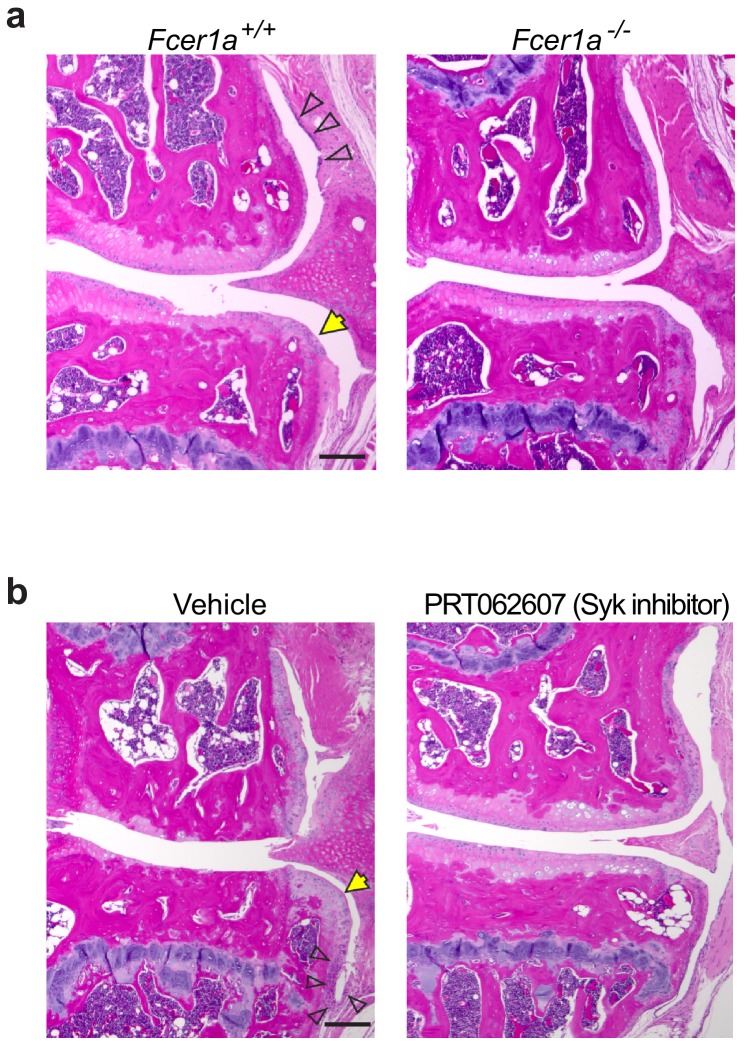
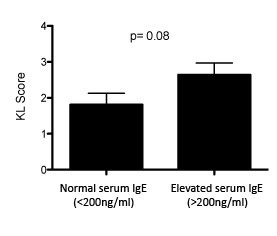
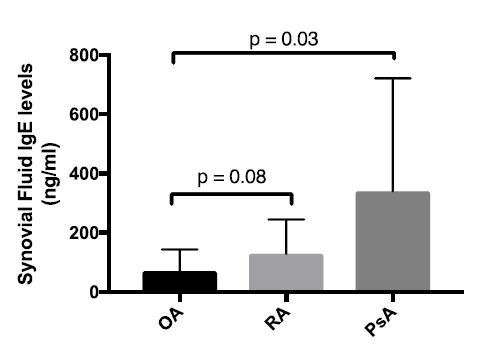
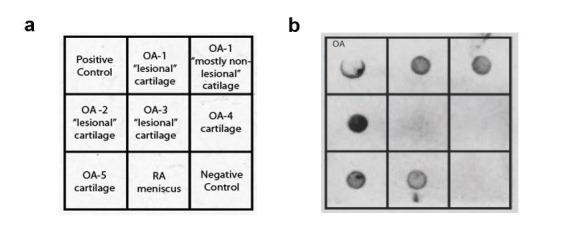
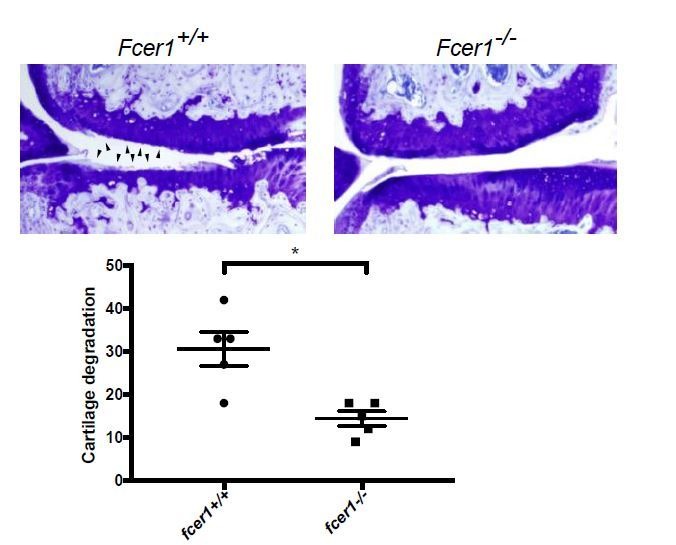
Osteoarthritis is characterized by articular cartilage breakdown, and emerging evidence suggests that dysregulated innate immunity is likely involved. Here, we performed proteomic, transcriptomic, and electron microscopic analyses to demonstrate that mast cells are aberrantly activated in human and murine osteoarthritic joint tissues. Using genetic models of mast cell deficiency, we demonstrate that lack of mast cells attenuates osteoarthritis in mice. Using genetic and pharmacologic approaches, we show that the IgE/FcεRI/Syk signaling axis is critical for the development of osteoarthritis. We find that mast cell-derived tryptase induces inflammation, chondrocyte apoptosis, and cartilage breakdown. Our findings demonstrate a central role for IgE-dependent mast cell activation in the pathogenesis of osteoarthritis, suggesting that targeting mast cells could provide therapeutic benefit in human osteoarthritis.
This article has been through an editorial process in which the authors decide how to respond to the issues raised during peer review. The Reviewing Editor's assessment is that all the issues have been addressed (see decision letter).
骨关节炎的特征是关节软骨破裂,新出现的证据表明,失调的固有免疫可能与之相关。在这里,我们进行了蛋白质组学、转录组学和电子显微镜分析,以证明肥大细胞在人类和鼠类骨关节炎关节组织中异常激活。使用肥大细胞缺乏的遗传模型,我们证明缺乏肥大细胞可减轻小鼠的骨关节炎。通过遗传和药理学方法,我们表明 IgE/FcεRI/Syk 信号轴对于骨关节炎的发展至关重要。我们发现肥大细胞衍生的类胰蛋白酶诱导炎症、软骨细胞凋亡和软骨破坏。我们的研究结果表明 IgE 依赖性肥大细胞激活在骨关节炎发病机制中起核心作用,表明靶向肥大细胞可能为人类骨关节炎提供治疗益处。
本文经过编辑过程,作者决定如何处理同行评审中提出的问题。审稿人的评估是所有问题都已得到解决(见评审意见)。