Sehgal P B, Walther Z, Tamm I
Proc Natl Acad Sci U S A. 1987 Jun;84(11):3663-7. doi: 10.1073/pnas.84.11.3663.
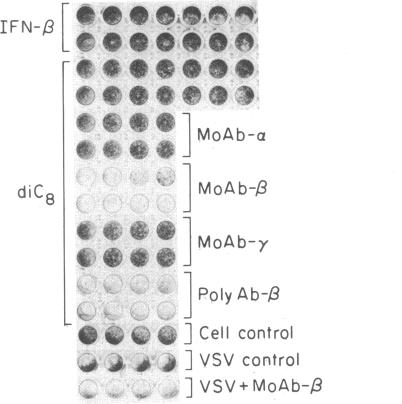
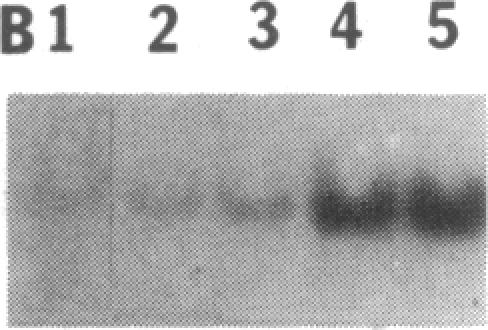
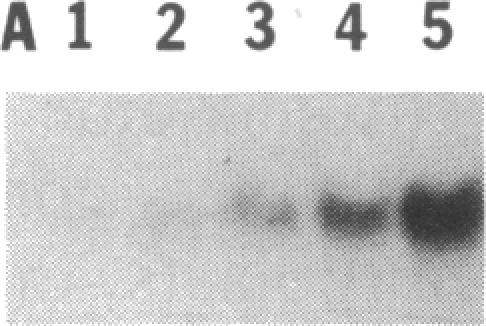
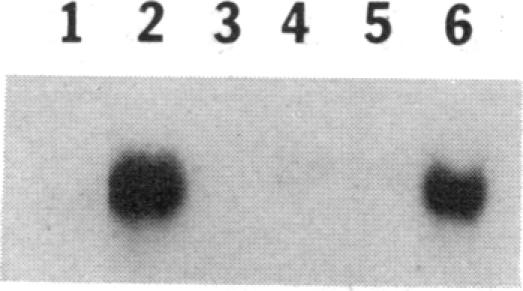
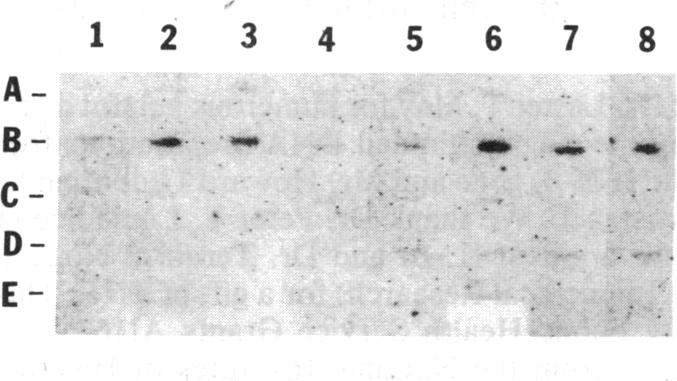
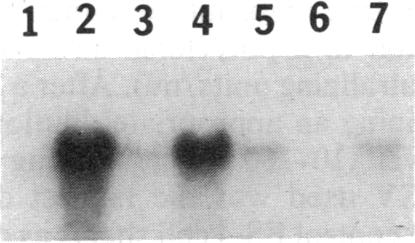
The expression in human fibroblasts of the beta 2-interferon (IFN-beta 2) gene, which is now recognized to be identical to the gene encoding B-cell differentiation factor BSF-2, is enhanced by several cytokines that affect cell growth (tumor necrosis factor, interleukin 1, platelet-derived growth factor, and beta 1-interferon). We have examined the possibility that IFN-beta 2 gene expression is regulated through activation, by diacylglycerol, of the protein kinase C pathway. The synthetic diacylglycerols 1,2-dioctanoylglycerol (diC8) and 1-oleoyl-2-acetylglycerol strongly enhanced IFN-beta 2, but not IFN-beta 1, gene expression in human fibroblasts (FS-4 strain). An increase in IFN-beta 2 mRNA level was detected within 15 min after addition of diC8 (290 microM) to FS-4 cells and was maximal approximately 20 hr later. An increase in IFN-beta 2 gene transcription was detected within 5 min of addition of diC8, and the rate of transcription was near-maximal by 15-30 min. The enhancement of IFN-beta 2 gene expression by diC8, interleukin 1, or tumor necrosis factor was not prevented by H8, a preferential inhibitor of cAMP- and cGMP-dependent protein kinases, but was blocked by H7, an inhibitor of protein kinase C as well as of cyclic nucleotide-dependent protein kinases. diC8 was found to protect FS-4 cells from the cytopathic effect of vesicular stomatitis virus; this protection was blocked by polyclonal or monoclonal antibodies that neutralize IFN-beta, suggesting that the antiviral effect was due to the secretion of IFN-beta 2 by the diC8-treated fibroblasts. The calcium ionophore A23187 (1-10 microM) also elicited an increase in the level of IFN-beta 2 mRNA in FS-4 fibroblasts; appropriate combinations of A23187 and diC8 had at least an additive effect in enhancing IFN-beta 2 mRNA levels. These results show that protein kinase C-activating or [Ca2+]-elevating agents rapidly increase the expression of the IFN-beta 2 gene in human fibroblasts.
β2-干扰素(IFN-β2)基因在人成纤维细胞中的表达,现已被认定与编码B细胞分化因子BSF-2的基因相同,它会受到几种影响细胞生长的细胞因子(肿瘤坏死因子、白细胞介素1、血小板衍生生长因子和β1-干扰素)的增强作用。我们研究了IFN-β2基因表达是否通过二酰基甘油激活蛋白激酶C途径来调控。合成二酰基甘油1,2-二辛酰甘油(diC8)和1-油酰基-2-乙酰甘油强烈增强了人成纤维细胞(FS-4株)中IFN-β2而非IFN-β1的基因表达。向FS-4细胞中加入diC8(290微摩尔)后15分钟内检测到IFN-β2 mRNA水平升高,约20小时后达到最大值。加入diC8后5分钟内检测到IFN-β2基因转录增加,转录速率在15 - 30分钟时接近最大值。H8(一种cAMP和cGMP依赖性蛋白激酶的优先抑制剂)并不能阻止diC8、白细胞介素1或肿瘤坏死因子对IFN-β2基因表达的增强作用,但蛋白激酶C以及环核苷酸依赖性蛋白激酶的抑制剂H7能阻断这种增强作用。发现diC8可保护FS-4细胞免受水疱性口炎病毒的细胞病变效应;这种保护作用被中和IFN-β的多克隆或单克隆抗体所阻断,这表明抗病毒效应是由于经diC8处理的成纤维细胞分泌了IFN-β2。钙离子载体A23187(1 - 10微摩尔)也能引起FS-4成纤维细胞中IFN-β2 mRNA水平升高;A23187和diC8的适当组合在增强IFN-β2 mRNA水平方面至少具有相加效应。这些结果表明,激活蛋白激酶C或升高[Ca2+]的试剂能迅速增加人成纤维细胞中IFN-β2基因的表达。