Department of Translational Research and New Technologies in Medicine and Surgery, University of Pisa, Pisa, Italy.
Research Center Nutraceuticals and Food for Health-Nutrafood, University of Pisa, Pisa, Italy.
PLoS One. 2019 May 20;14(5):e0217021. doi: 10.1371/journal.pone.0217021. eCollection 2019.
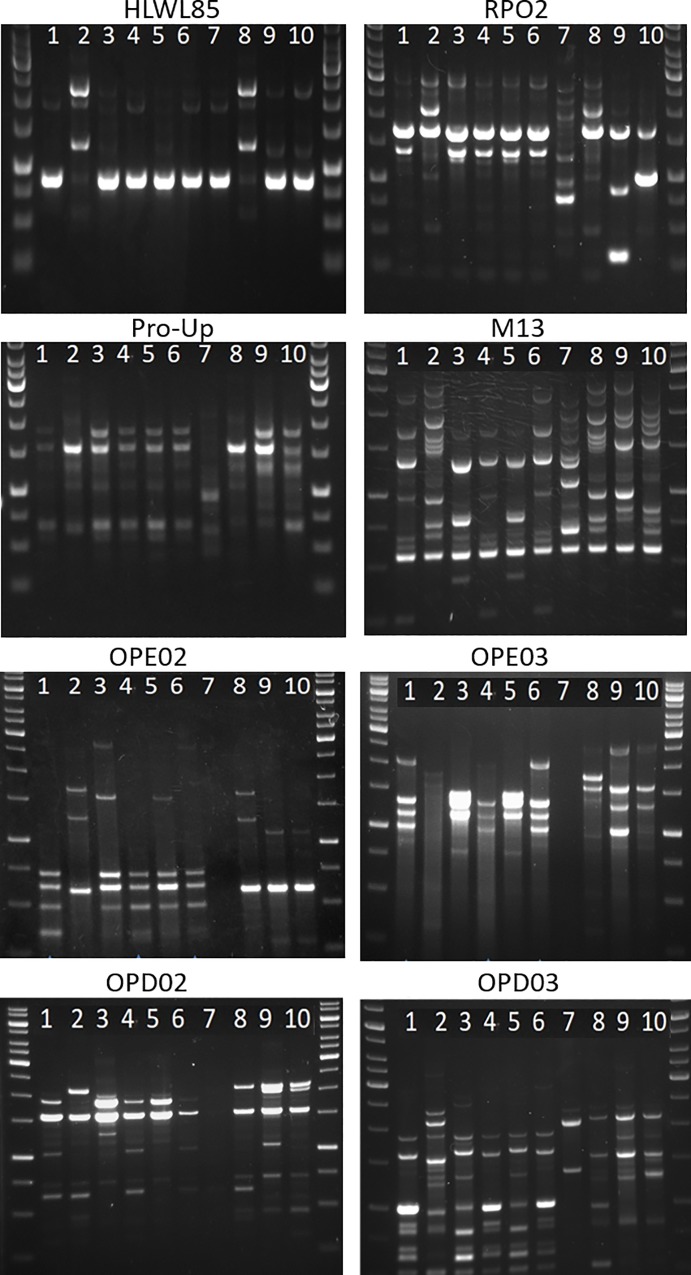
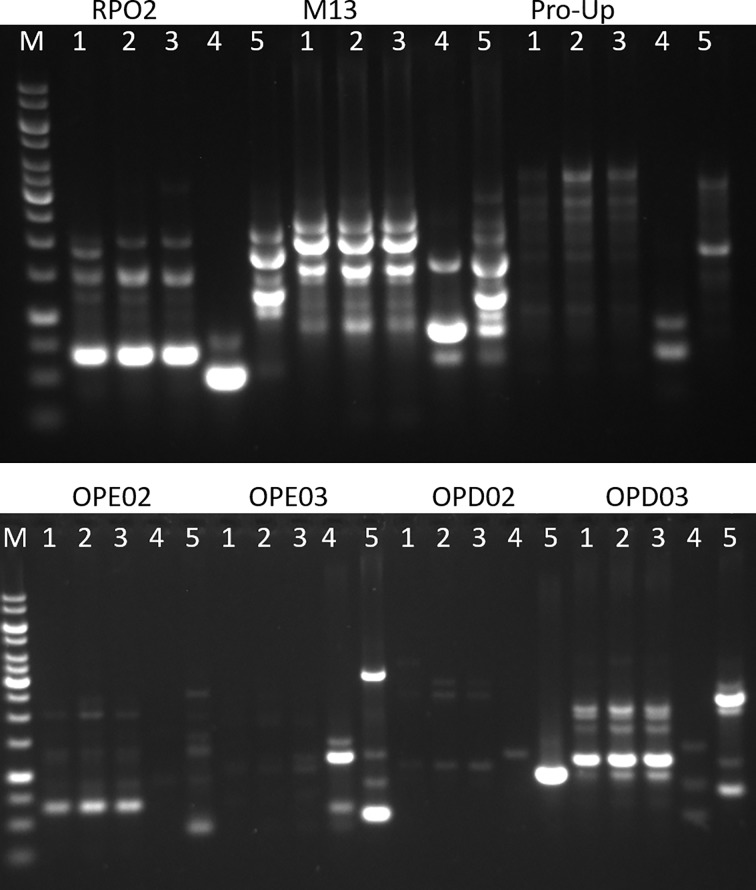
Spores of several Bacillus species have long history of consumption and safe use as probiotics and a variety of formulations containing these organisms are available in the global market. Considering the difficulties in the identification of Bacillus species and the poor microbiological quality of many probiotic formulations, we used three up-to-date methodological approaches for analyzing the content of ten formulations marketed in Italy and labeled to contain Bacillus spores. We compared the performance of biochemical tests based on the BCL Vitek2 card and MALDI-TOF mass spectrometry, using 16S rDNA sequencing as the reference technique. The BCL card performed well in identifying all Bacillus probiotic strains as well as the Bruker's MALDI Biotyper. Nevertheless, the MALDI score values were sometimes lower than those indicated by the manufacturer for correct species identification. Contaminant bacteria (Lysinibacillus fusiformis, Acinetobacter baumannii, Bacillus cereus, Brevibacillus choshinensis, Bacillus licheniformis, Bacillus badius) were detected in some formulations. Characterization of the B. cereus contaminant showed the potential pathogenicity of this strain. Microbial enumeration performed by the plate count method revealed that the number of viable cells contained in many of the analyzed products differed from the labeled amount. Overall, our data show that only two of the ten analyzed formulations qualitatively and quantitatively respect what is on the label. Since probiotic properties are most often strain specific, molecular typing of isolates of the two most common Bacillus species, B. clausii and B. coagulans, was also performed. In conclusion, the majority of the analyzed products do not comply with quality requirements, most likely leading to reduced/absent efficacy of the preparation and representing a potential infective risk for consumers.
几种芽孢杆菌的孢子一直以来都被广泛用作益生菌,且全球市场上有多种含有这些微生物的制剂。考虑到芽孢杆菌种的鉴定困难和许多益生菌制剂的微生物质量较差,我们使用了三种最新的方法学方法来分析在意大利市场上销售并标注含有芽孢杆菌孢子的十种制剂的含量。我们比较了基于 BCL Vitek2 卡和 MALDI-TOF 质谱的生化测试的性能,以 16S rDNA 测序作为参考技术。BCL 卡能够很好地识别所有芽孢杆菌益生菌菌株以及布鲁克 MALDI Biotyper。然而,MALDI 评分值有时低于制造商规定的正确物种鉴定值。在一些制剂中检测到了污染菌(解淀粉芽孢杆菌、鲍曼不动杆菌、蜡样芽孢杆菌、短小芽孢杆菌、地衣芽孢杆菌、短小芽孢杆菌)。对 B. cereus 污染菌的特征分析表明了该菌株的潜在致病性。平板计数法进行的微生物计数显示,许多分析产品中含有的活菌数与标签上的数量不同。总体而言,我们的数据表明,在分析的十种制剂中,只有两种在定性和定量上都符合标签上的要求。由于益生菌特性通常是菌株特异性的,因此还对两种最常见的芽孢杆菌(凝结芽孢杆菌和克劳氏芽孢杆菌)的分离株进行了分子分型。总之,大多数分析产品不符合质量要求,这很可能导致制剂功效降低/缺失,并对消费者构成潜在的感染风险。