State Key Laboratory of Chemical Engineering, Center for Chemistry of High-Performance & Novel Materials, Department of Chemistry, Zhejiang University, 310027, Hangzhou, P. R. China.
MOE Key Laboratory of Macromolecular Synthesis and Functionalization, Department of Polymer Science and Engineering, Zhejiang University, 310027, Hangzhou, P. R. China.
Nat Commun. 2019 Jun 3;10(1):2412. doi: 10.1038/s41467-019-10385-9.
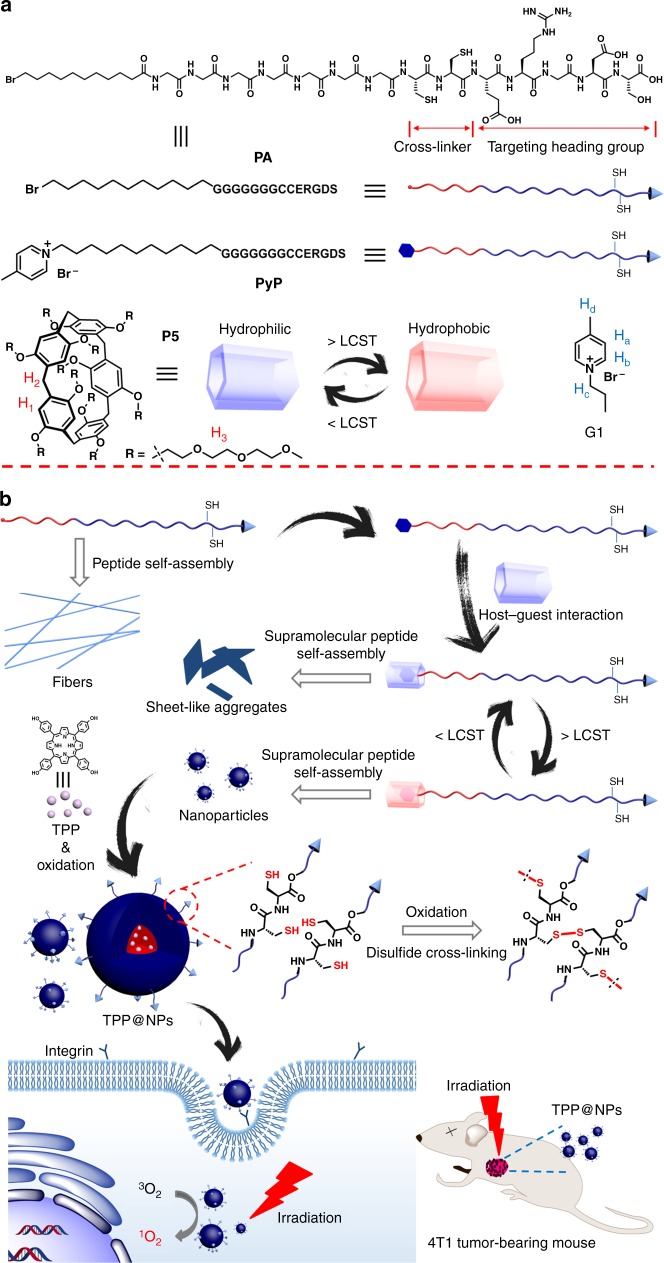
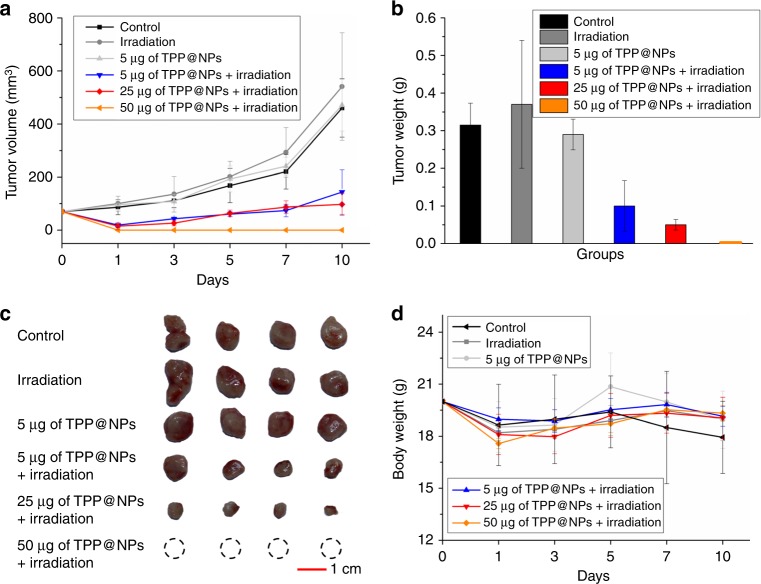
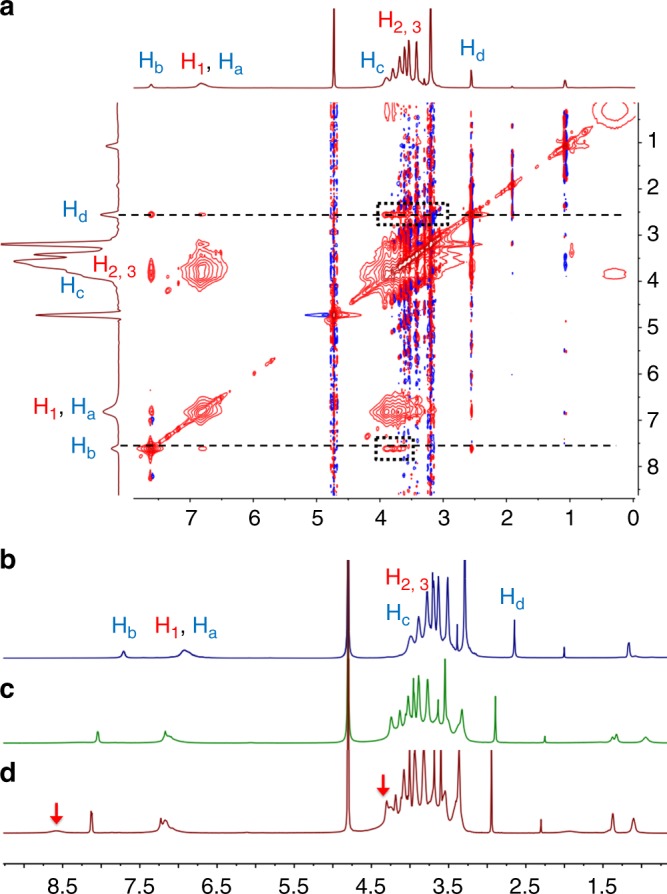
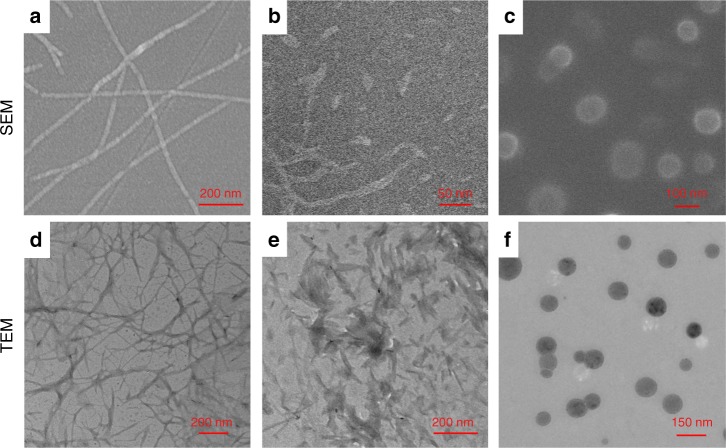
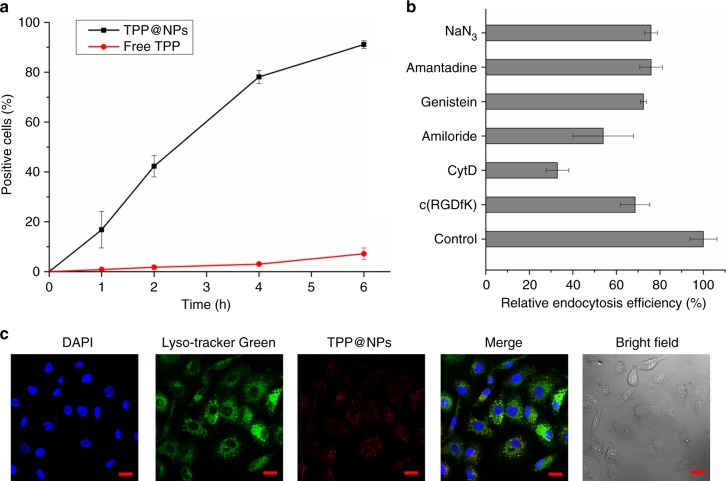
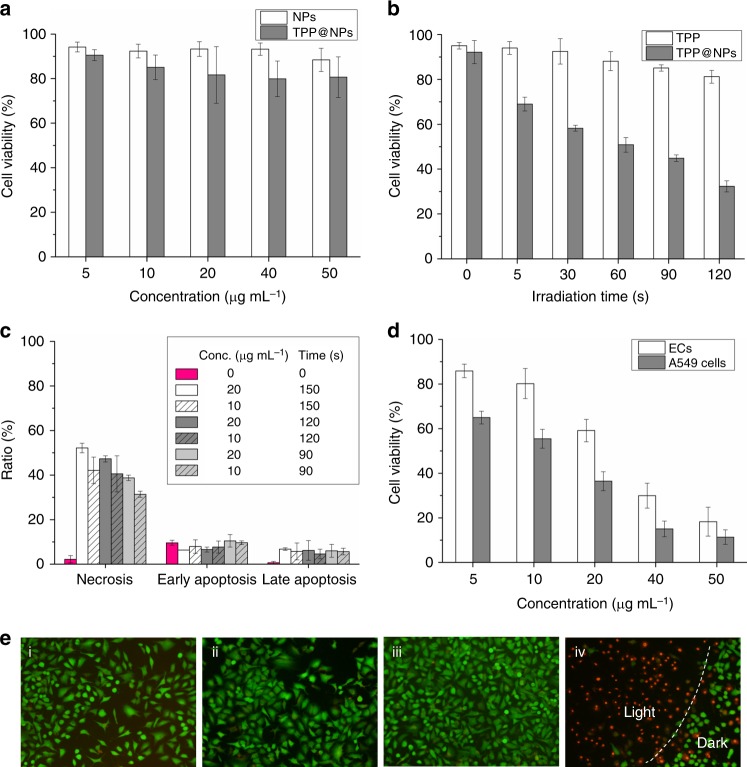
Peptide self-assemblies with multiple nanostructures have great potentials in functional biomaterials, and yet the tedious and costly covalent peptide modification and the lack of facile controllability on self-assembly morphology retard the peptide-related exploration. Here we report a simple approach to fabricate a supramolecular peptide that shows programmable self-assembly with multiple morphologies and application in photodynamic therapy. Pillar[5]arene-based host-guest recognition is used to construct a supramolecular peptide, which simplify the peptide modification and promote the controllability of the self-assembly behavior. Due to the ERGDS sequences on the exterior surfaces and hydrophobic cores of self-assemblies, the nanoparticles formed from the supramolecular peptide are suitable vehicles to encapsulate a photosensitizer for photodynamic therapy. In vitro and in vivo studies demonstrate that the inherent targeting capability and supramolecular strategy greatly boost its photodynamic therapeutic efficiency. This supramolecular peptide holds promising potentials in precise cancer therapy and perspectives for the peptide modification.
具有多种纳米结构的肽自组装体在功能生物材料中有很大的应用潜力,但繁琐且昂贵的肽共价修饰以及缺乏对自组装形态的简便可控性,阻碍了与肽相关的探索。在这里,我们报告了一种制备超分子肽的简单方法,该肽可进行具有多种形态的可编程自组装,并可应用于光动力疗法。基于[5]轮烷的主客体识别被用于构建超分子肽,这简化了肽的修饰并促进了自组装行为的可控性。由于自组装体的外表面和疏水核上存在 ERGDS 序列,因此超分子肽形成的纳米颗粒适合封装光敏剂以进行光动力治疗。体外和体内研究表明,固有靶向能力和超分子策略极大地提高了其光动力治疗效率。这种超分子肽在精确癌症治疗中具有很大的应用潜力,也为肽修饰提供了新的视角。