Cardiovascular Institute, An Nan Hospital, China Medical University, Tainan, Taiwan; Department of Medicine, China Medical University, Taichung, Taiwan.
Bioinnovation Center, Tzu Chi Foundation, Department of Pathology, Buddhist Tzu Chi General Hospital, Tzu Chi University, Taiwan.
Redox Biol. 2019 Oct;27:101170. doi: 10.1016/j.redox.2019.101170. Epub 2019 Mar 21.
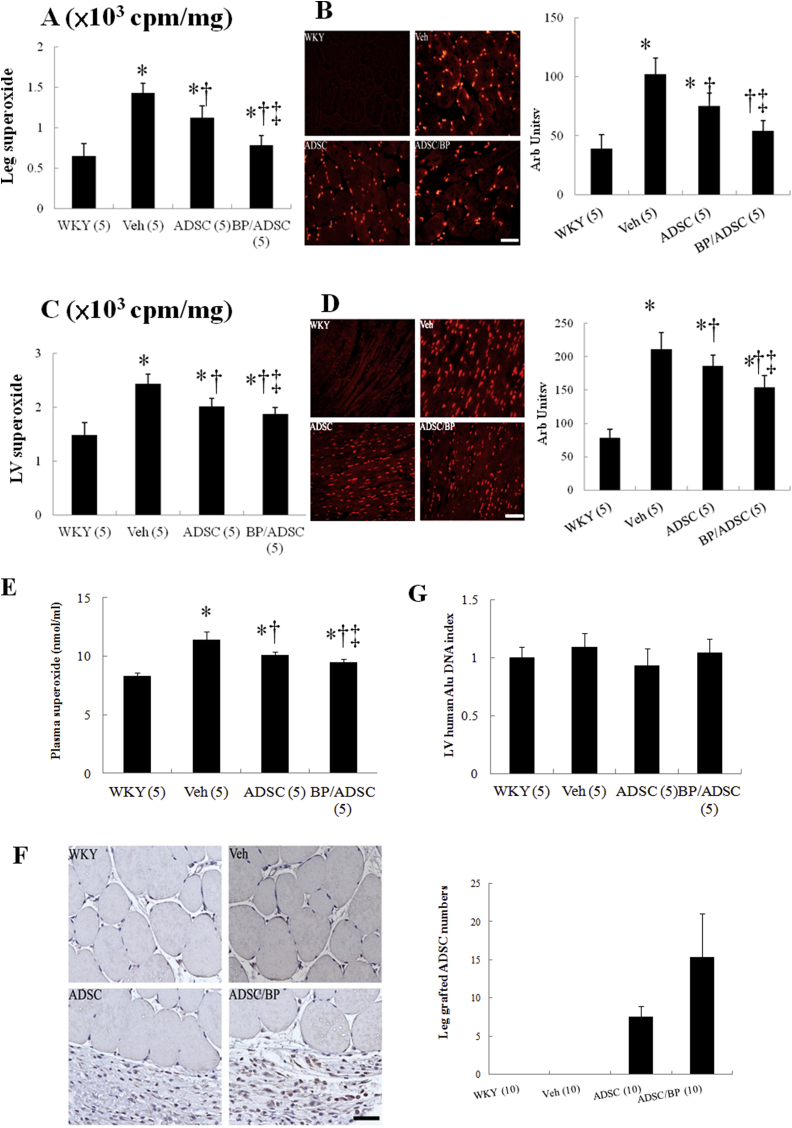
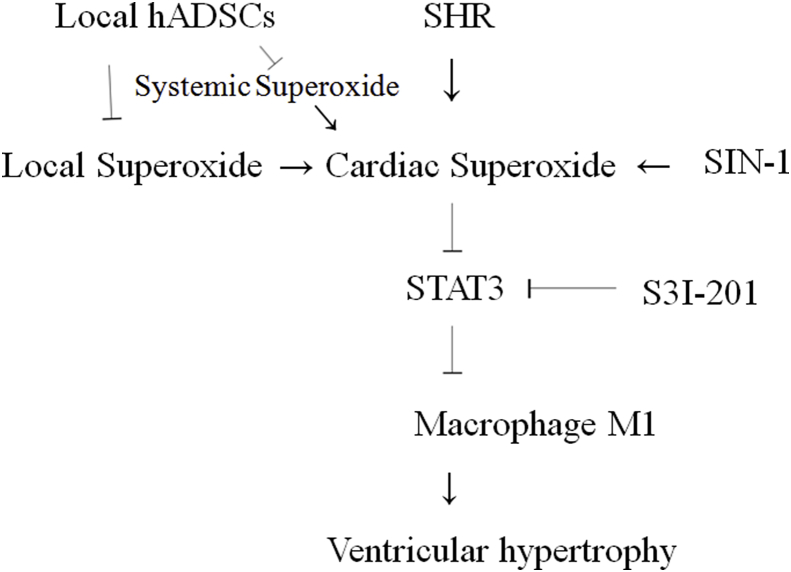
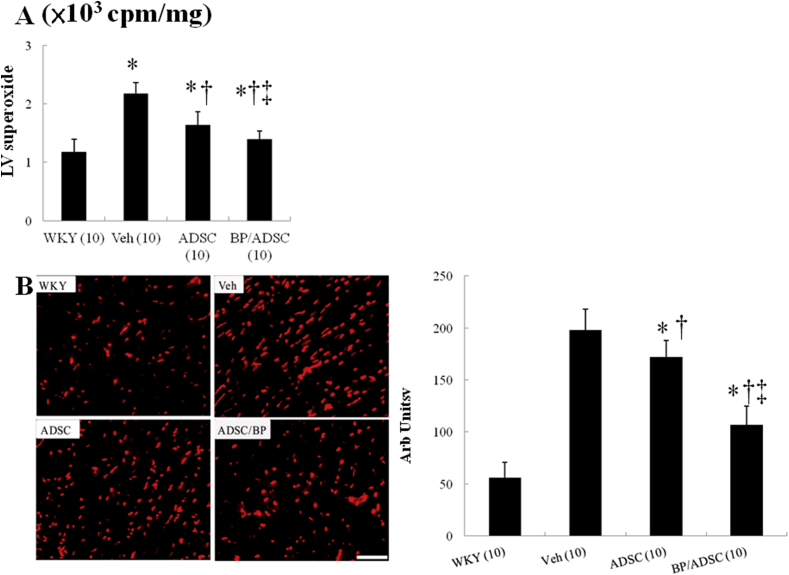
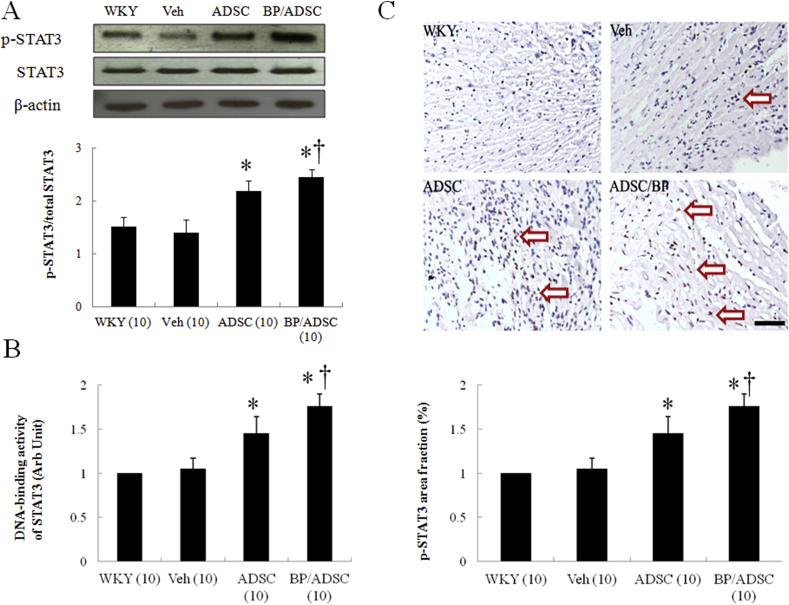
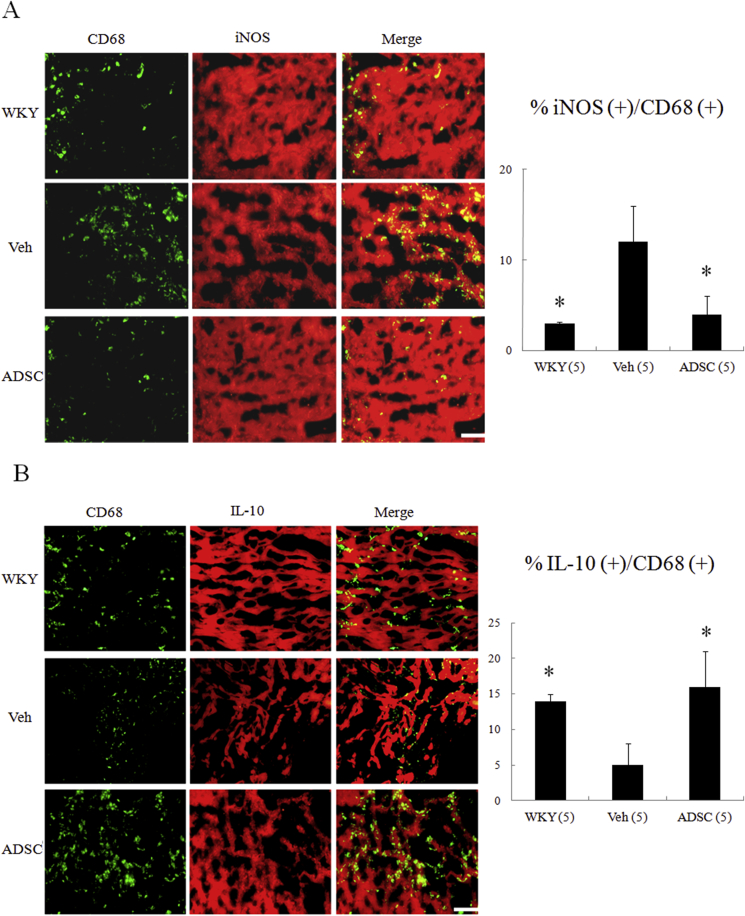
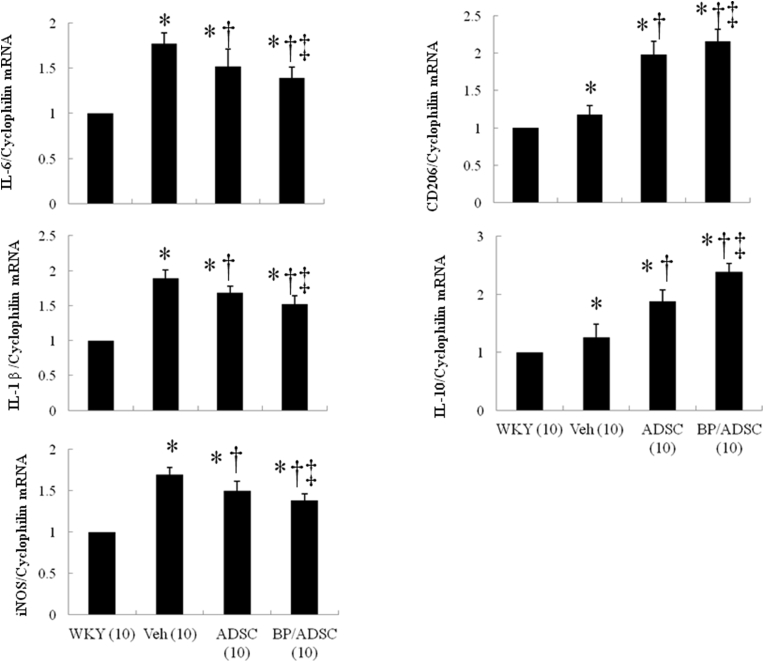
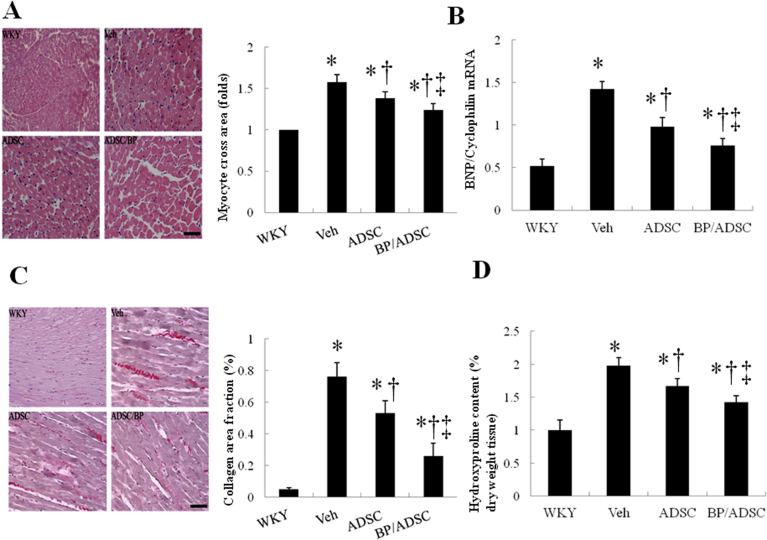
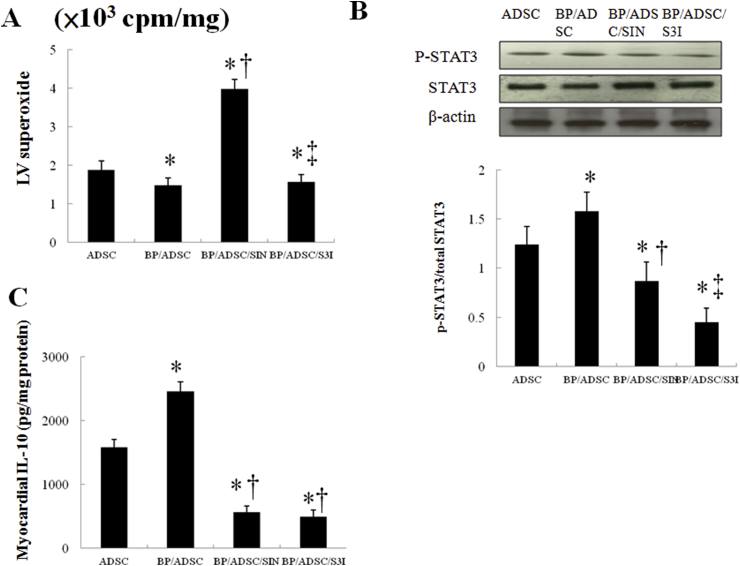
Left ventricular hypertrophy (LVH) in hypertension has prognostic significance on cardiovascular mortality and morbidity. Recently, we have shown that n-butylidenephthalide (BP) improves human adipose-derived stem cell (hADSC) engraftment via attenuated reactive oxygen species (ROS) production. This prompted us to investigate whether remote transplantation of BP-pretreated hADSCs confers attenuated LVH at an established phase of hypertension. Male spontaneously hypertensive rats (SHRs) aged 12 weeks were randomly allocated to receive right hamstring injection of vehicle, clinical-grade hADSCs, and BP-preconditioned hADSCs for 8 weeks. As compared with untreated SHRs, naïve hADSCs decreased the ratio of LV weight to tibia, cardiomyocyte cell size, and collagen deposition independent of hemodynamic changes. These changes were accompanied by attenuated myocardial ROS production and increased p-STAT3 levels. Compared with naïve hADSCs, BP-preconditioned hADSCs provided a further decrease of ROS and LVH and an increase of local hADSC engraftment, STAT3 phosphorylation, STAT3 activity, STAT3 nuclear translocation, myocardial IL-10 levels, and the percentage of M2 macrophage infiltration. SIN-1 or S3I-201 reversed the effects of BP-preconditioned ADSCs increase on myocardial IL-10 levels. Furthermore, SIN-1 abolished the phosphorylation of STAT3, whereas superoxide levels were not affected following the inhibition of STAT3. Our results highlighted the feasibility of remote transplantation of hADSCs can be considered as an alternative procedure to reverse cardiac hypertrophy even at an established phase of hypertension. BP-pretreated hADSCs polarize macrophages into M2 immunoregulatory cells more efficiently than naïve hADSCs via ROS/STAT3 pathway.
左心室肥厚(LVH)在高血压中的心血管死亡率和发病率具有预后意义。最近,我们已经证明丁烯基苯酞(BP)通过减少活性氧(ROS)的产生来改善人脂肪源性干细胞(hADSC)的移植。这促使我们研究是否远程移植预处理 BP 的 hADSC 可以减轻高血压既定阶段的 LVH。12 周龄雄性自发性高血压大鼠(SHR)随机分为接受 vehicle、临床级 hADSC 和预处理 BP 的 hADSC 右绳肌注射 8 周。与未处理的 SHR 相比,未经处理的 hADSC 降低了 LV 重量与胫骨的比值、心肌细胞大小和胶原沉积,而不影响血液动力学变化。这些变化伴随着心肌 ROS 产生的减少和 p-STAT3 水平的增加。与未经处理的 hADSC 相比,预处理 BP 的 hADSC 进一步降低了 ROS 和 LVH,并增加了局部 hADSC 移植、STAT3 磷酸化、STAT3 活性、STAT3 核易位、心肌 IL-10 水平和 M2 巨噬细胞浸润的百分比。SIN-1 或 S3I-201 逆转了预处理 BP 的 hADSC 增加对心肌 IL-10 水平的影响。此外,SIN-1 消除了 STAT3 的磷酸化,而抑制 STAT3 后超氧化物水平没有受到影响。我们的结果强调了远程移植 hADSC 的可行性,可以被认为是逆转心肌肥厚的替代方法,即使在高血压的既定阶段也是如此。预处理 BP 的 hADSC 通过 ROS/STAT3 途径比未经处理的 hADSC 更有效地将巨噬细胞极化为 M2 免疫调节细胞。