Epidemiology Unit, IRCCS Istituto Nazionale Tumori "Fondazione G. Pascale", 80131 Napoli, Italy.
Internal Medicine and Clinical Nutrition, Department of Clinical Medicine and Surgery, Federico II University, 80131 Naples, Italy.
Nutrients. 2019 Jun 13;11(6):1325. doi: 10.3390/nu11061325.
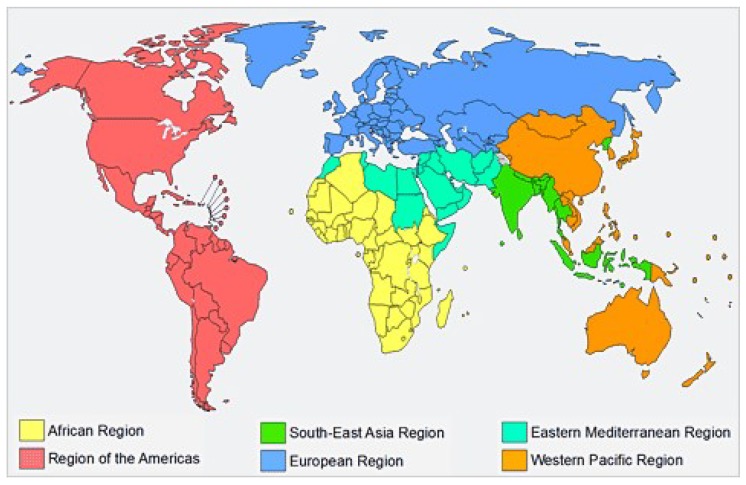
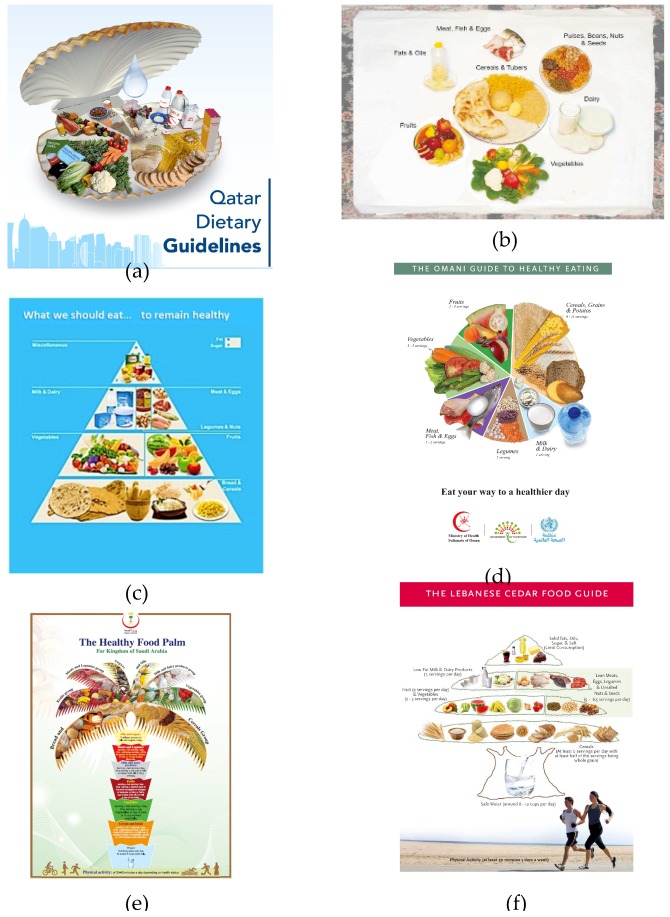
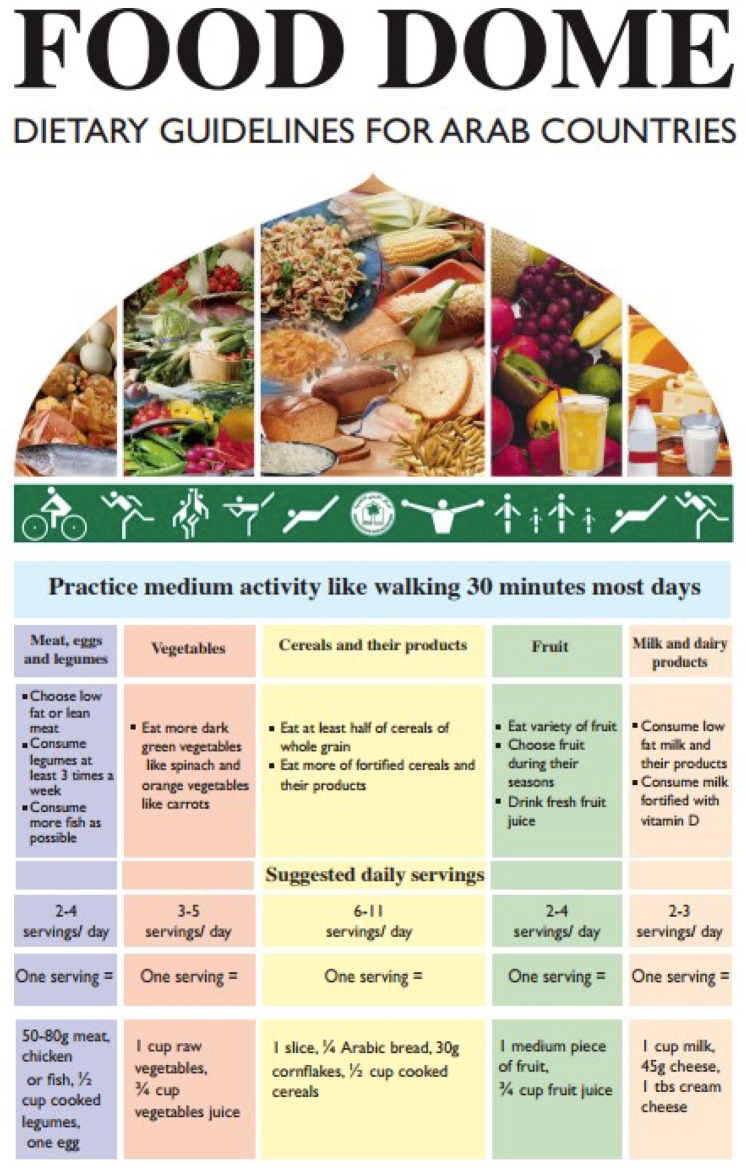
In Eastern Mediterranean countries, undernutrition and micronutrient deficiencies coexist with overnutrition-related diseases, such as obesity, heart disease, diabetes and cancer. Many Mediterranean countries have produced Food-Based Dietary Guidelines (FBDGs) to provide the general population with indications for healthy nutrition and lifestyles. This narrative review analyses Eastern Mediterranean countries' FBDGs and discusses their pictorial representations, food groupings and associated messages on healthy eating and behaviours. In 2012, both the WHO and the Arab Center for Nutrition developed specific dietary guidelines for Arab countries. In addition, seven countries, representing 29% of the Eastern Mediterranean Region population, designated their national FBDGs. At the moment several of these guidelines are available only in the English language. In summary, Eastern Mediterranean FBDGs mainly focus on food safety, not all are available in the local Arabic language, and they do not provide specific suggestions for the large number of foreign workers and migrants.
在东地中海国家,营养不良和微量营养素缺乏与肥胖、心脏病、糖尿病和癌症等与营养过剩相关的疾病并存。许多地中海国家制定了基于食物的膳食指南 (FBDG),为普通民众提供健康营养和生活方式的指导。本叙述性综述分析了东地中海国家的 FBDG,并讨论了其图像表示、食物分组以及有关健康饮食和行为的相关信息。2012 年,世界卫生组织和阿拉伯营养中心都为阿拉伯国家制定了具体的饮食指南。此外,七个国家(占东地中海区域人口的 29%)指定了本国的 FBDG。目前,其中一些指南仅以英文提供。总的来说,东地中海 FBDG 主要侧重于食品安全,并非全部以当地阿拉伯语提供,并且它们没有为大量外国工人和移民提供具体建议。