Medical and Biological Sciences Building, School of Biology, University of St Andrews, St Andrews KY16 9TF, UK.
Biomedical Science Research Centre, Schools of Chemistry and Biology, University of St Andrews, St Andrews KY16 9TF, UK.
Int J Mol Sci. 2019 Jun 25;20(12):3108. doi: 10.3390/ijms20123108.
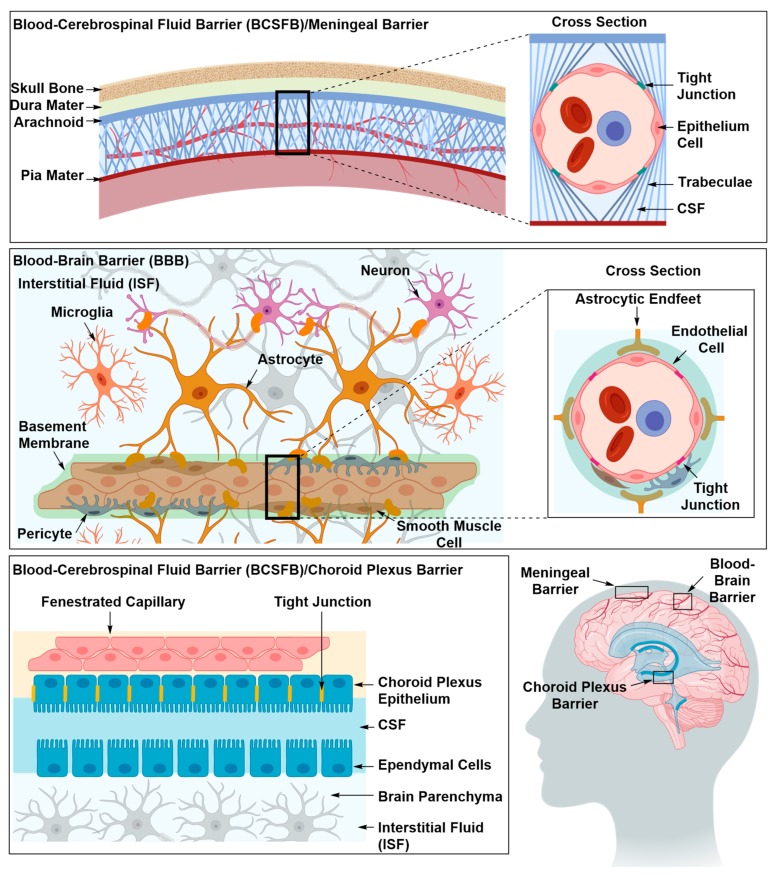
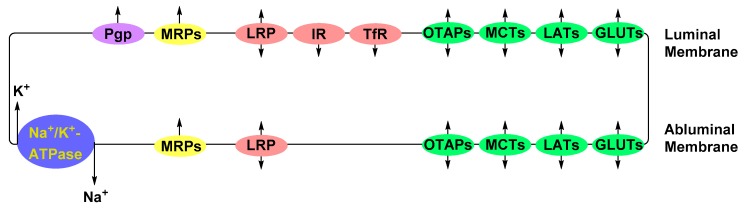
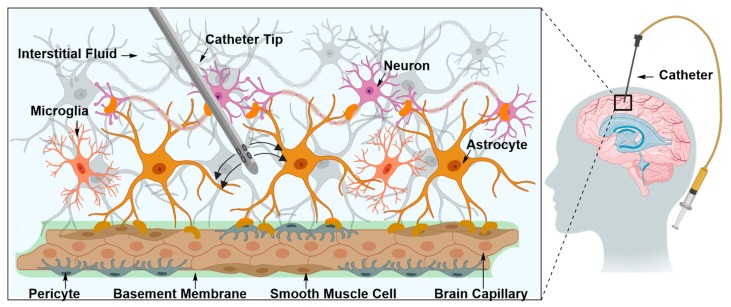
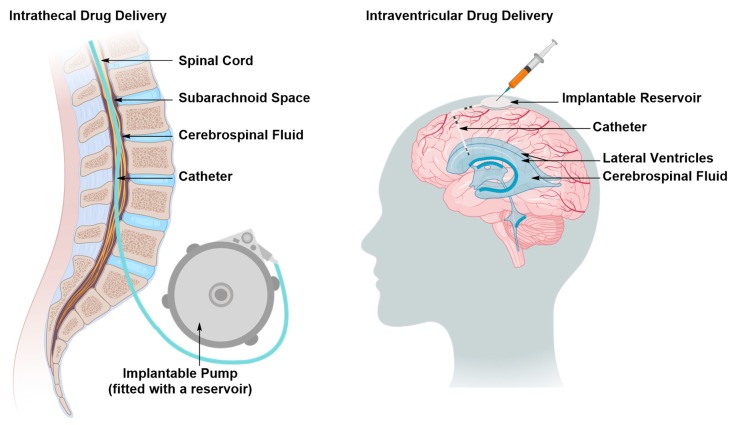
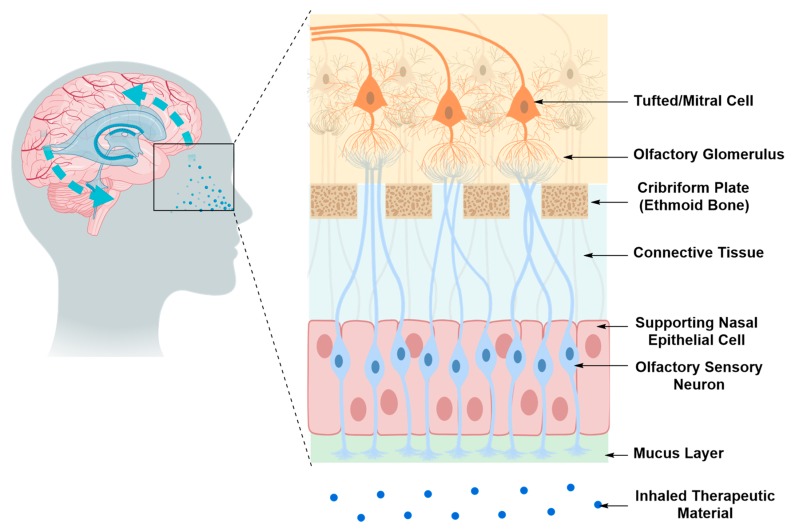
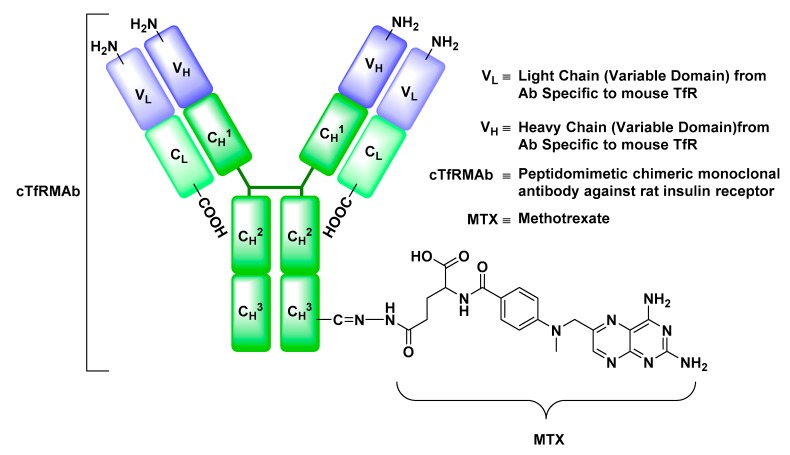
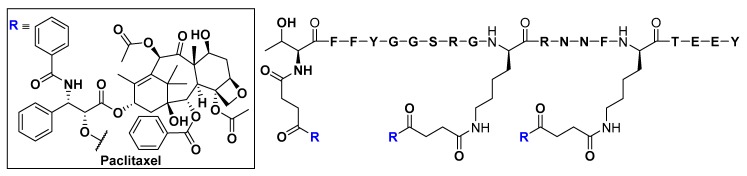
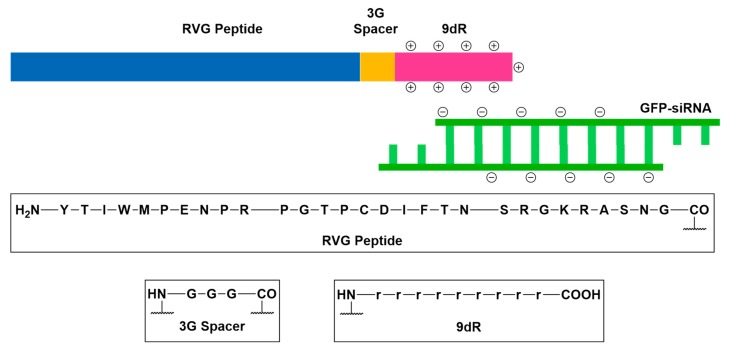
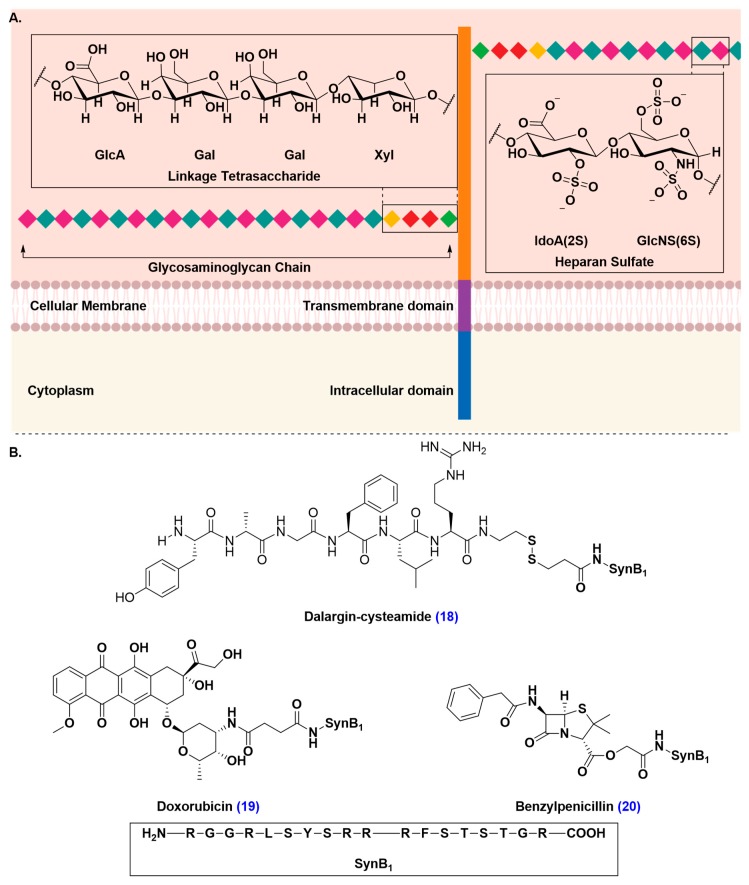
Drug delivery to the central nervous system (CNS) conferred by brain barriers is a major obstacle in the development of effective neurotherapeutics. In this review, a classification of current approaches of clinical or investigational importance for the delivery of therapeutics to the CNS is presented. This classification includes the use of formulations administered systemically that can elicit transcytosis-mediated transport by interacting with transporters expressed by transvascular endothelial cells. Neurotherapeutics can also be delivered to the CNS by means of surgical intervention using specialized catheters or implantable reservoirs. Strategies for delivering drugs to the CNS have evolved tremendously during the last two decades, yet, some factors can affect the quality of data generated in preclinical investigation, which can hamper the extension of the applications of these strategies into clinically useful tools. Here, we disclose some of these factors and propose some solutions that may prove valuable at bridging the gap between preclinical findings and clinical trials.
药物递送至中枢神经系统(CNS)受到脑屏障的阻碍,这是开发有效神经疗法的主要障碍。在这篇综述中,我们提出了目前用于 CNS 治疗药物传递的具有临床或研究重要性的方法分类。该分类包括使用全身给药的制剂,这些制剂通过与跨血管内皮细胞表达的转运蛋白相互作用来引发胞吞作用介导的转运。神经治疗剂也可以通过使用专门的导管或可植入储液器进行手术干预递送至 CNS。在过去的二十年中,向 CNS 递送药物的策略有了巨大的发展,然而,一些因素会影响临床前研究中产生的数据的质量,这可能会阻碍这些策略的应用扩展成为临床有用的工具。在这里,我们揭示了其中的一些因素,并提出了一些可能有助于弥合临床前发现和临床试验之间差距的解决方案。