Shivayogimath Abhay, Thomsen Joachim Dahl, Mackenzie David M A, Geisler Mathias, Stan Raluca-Maria, Holt Ann Julie, Bianchi Marco, Crovetto Andrea, Whelan Patrick R, Carvalho Alexandra, Neto Antonio H Castro, Hofmann Philip, Stenger Nicolas, Bøggild Peter, Booth Timothy J
DTU Physics, Technical University of Denmark, Ørsteds Plads 345, DK-2800 Kgs, Lyngby, Denmark.
Centre for Nanostructured Graphene (CNG), Technical University of Denmark, Ørsteds Plads 345C, DK-2800 Kgs, Lyngby, Denmark.
Nat Commun. 2019 Jul 4;10(1):2957. doi: 10.1038/s41467-019-11075-2.
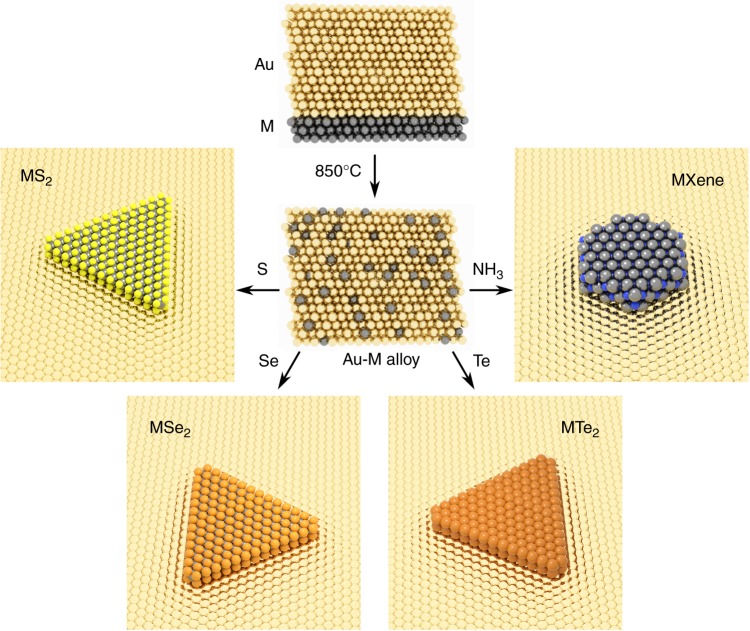
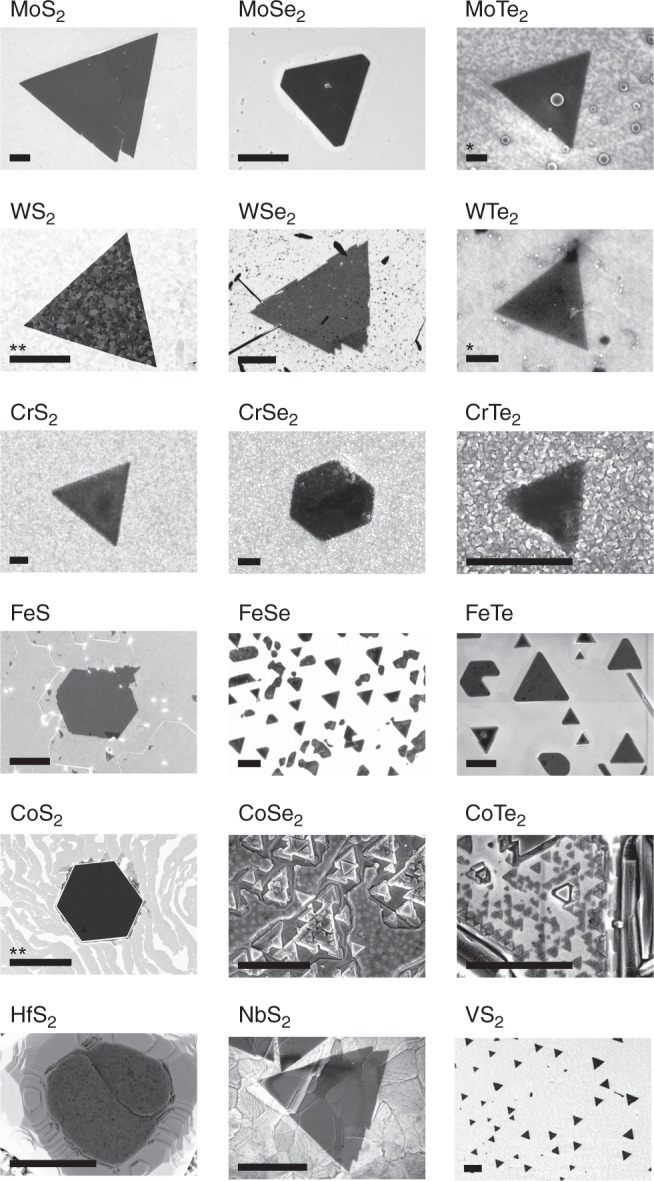
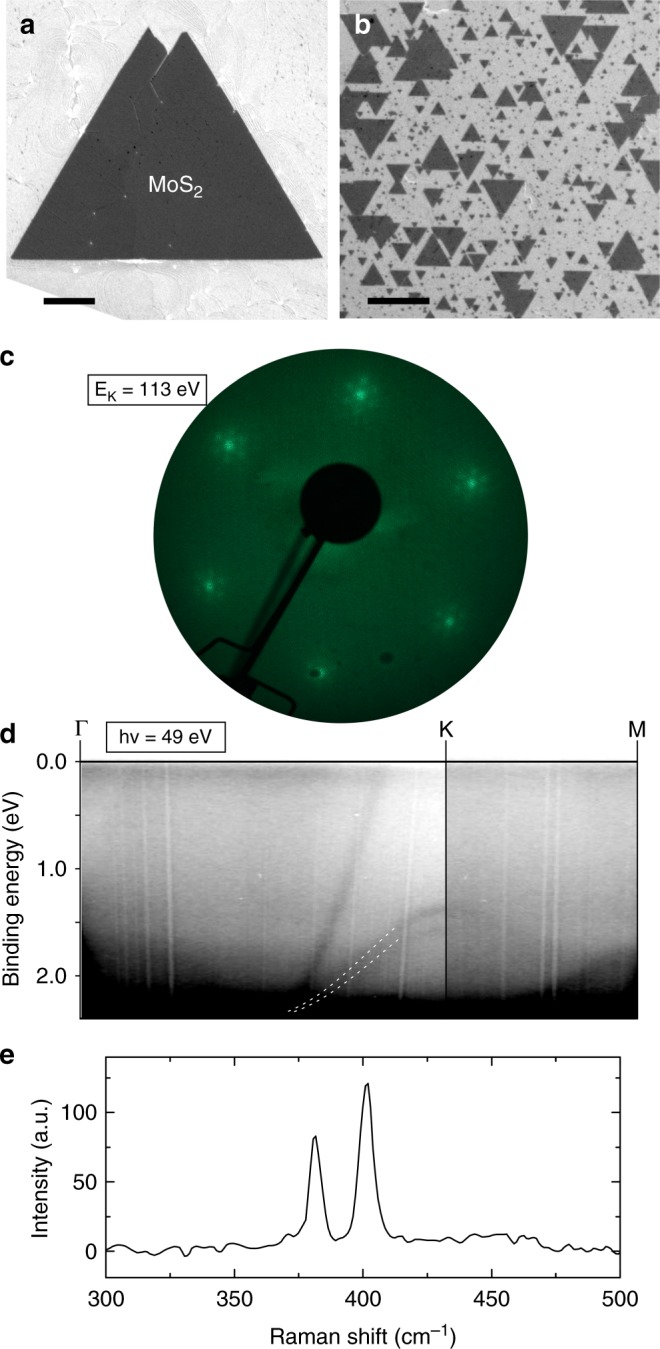
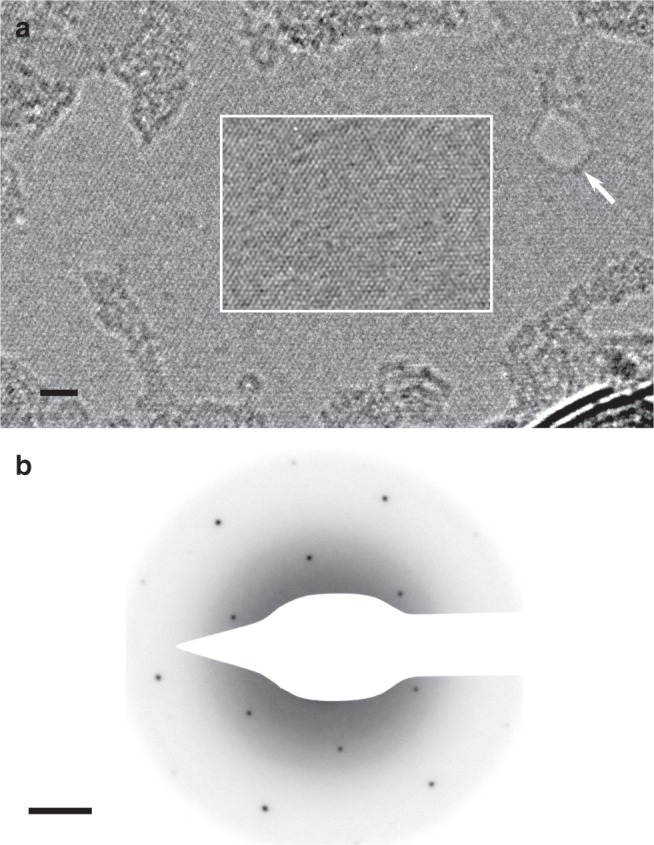
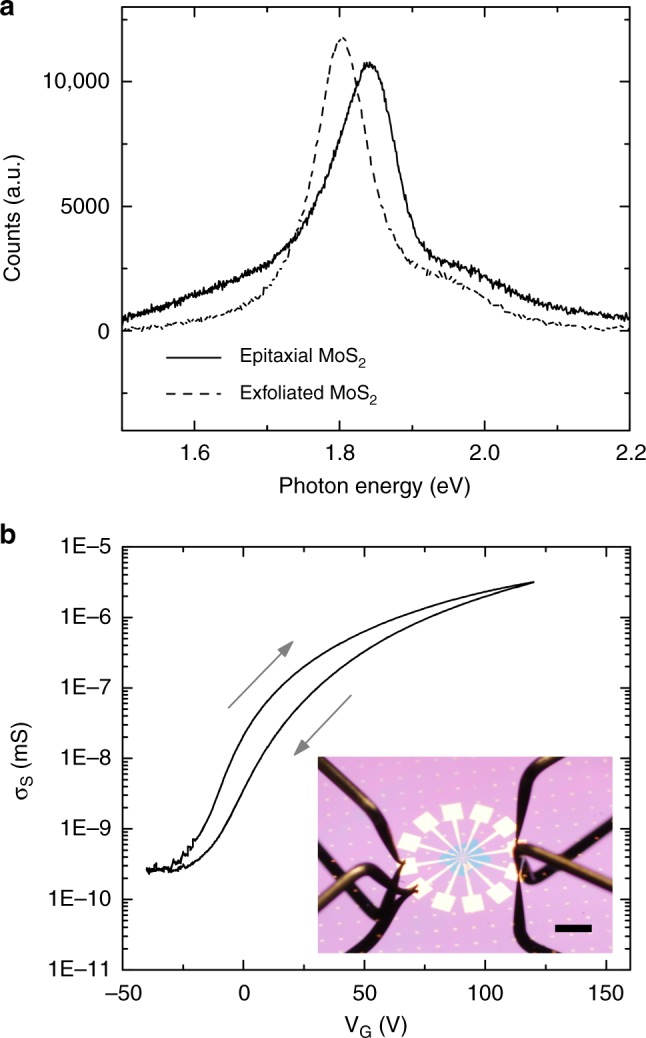
Only a few of the vast range of potential two-dimensional materials (2D) have been isolated or synthesised to date. Typically, 2D materials are discovered by mechanically exfoliating naturally occurring bulk crystals to produce atomically thin layers, after which a material-specific vapour synthesis method must be developed to grow interesting candidates in a scalable manner. Here we show a general approach for synthesising thin layers of two-dimensional binary compounds. We apply the method to obtain high quality, epitaxial MoS films, and extend the principle to the synthesis of a wide range of other materials-both well-known and never-before isolated-including transition metal sulphides, selenides, tellurides, and nitrides. This approach greatly simplifies the synthesis of currently known materials, and provides a general framework for synthesising both predicted and unexpected new 2D compounds.
迄今为止,在种类繁多的潜在二维材料(2D)中,仅有少数几种被分离或合成出来。通常,二维材料是通过机械剥离天然存在的块状晶体以制备原子级薄层而被发现的,在此之后,必须开发一种特定于材料的气相合成方法,以便以可扩展的方式生长出有价值的候选材料。在此,我们展示了一种合成二维二元化合物薄层的通用方法。我们应用该方法获得了高质量的外延MoS薄膜,并将这一原理扩展到合成多种其他材料,包括过渡金属硫化物、硒化物、碲化物和氮化物等,既有广为人知的材料,也有此前从未被分离出来的材料。这种方法极大地简化了目前已知材料的合成,并为合成预测的和意外的新型二维化合物提供了一个通用框架。