Surgical Artificial Intelligence and Innovation Laboratory, Massachusetts General Hospital, Boston, MA.
Department of Surgery, Massachusetts General Hospital, Boston, MA.
Ann Surg. 2019 Sep;270(3):414-421. doi: 10.1097/SLA.0000000000003460.
OBJECTIVE(S): To develop and assess AI algorithms to identify operative steps in laparoscopic sleeve gastrectomy (LSG).
Computer vision, a form of artificial intelligence (AI), allows for quantitative analysis of video by computers for identification of objects and patterns, such as in autonomous driving.
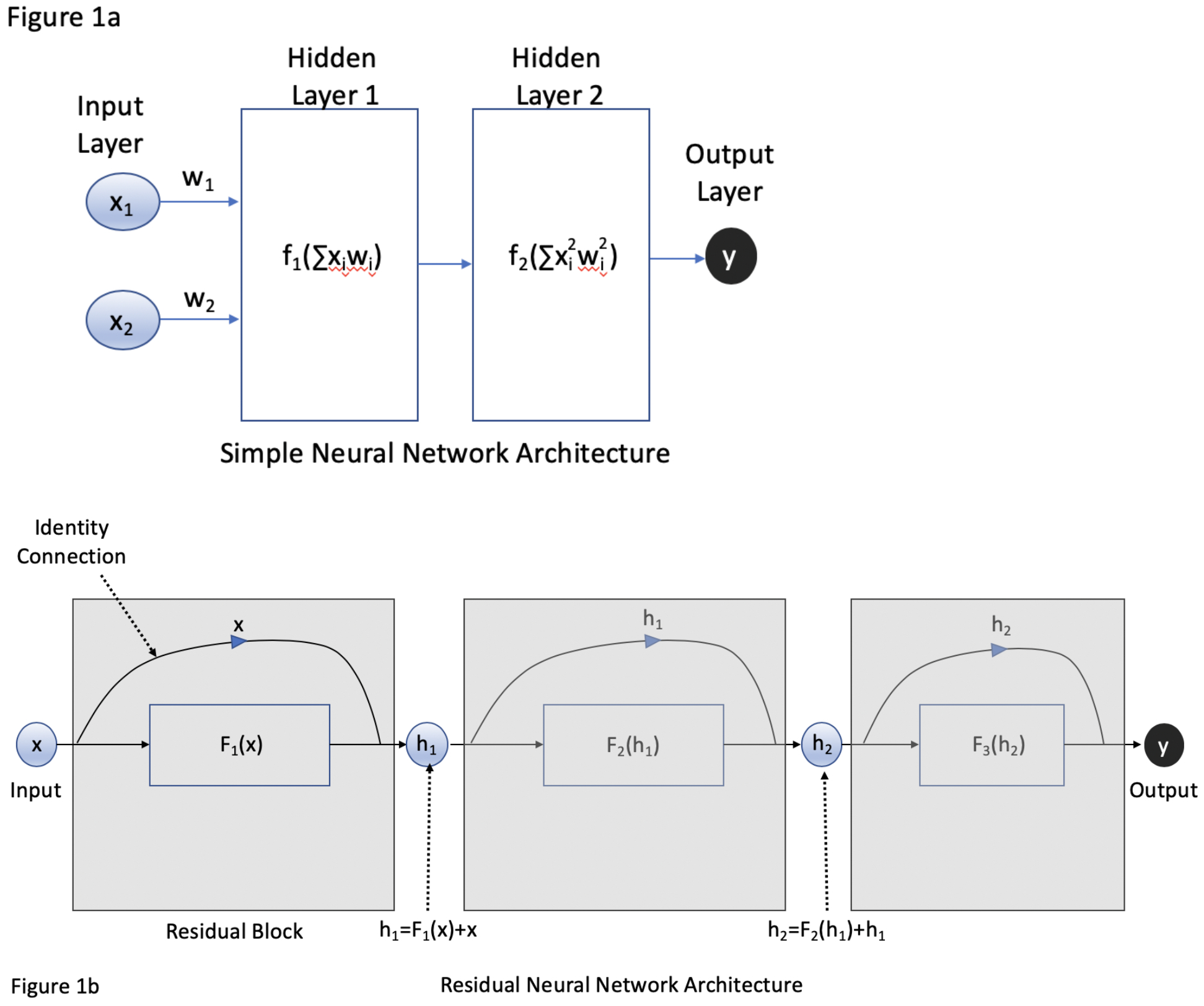
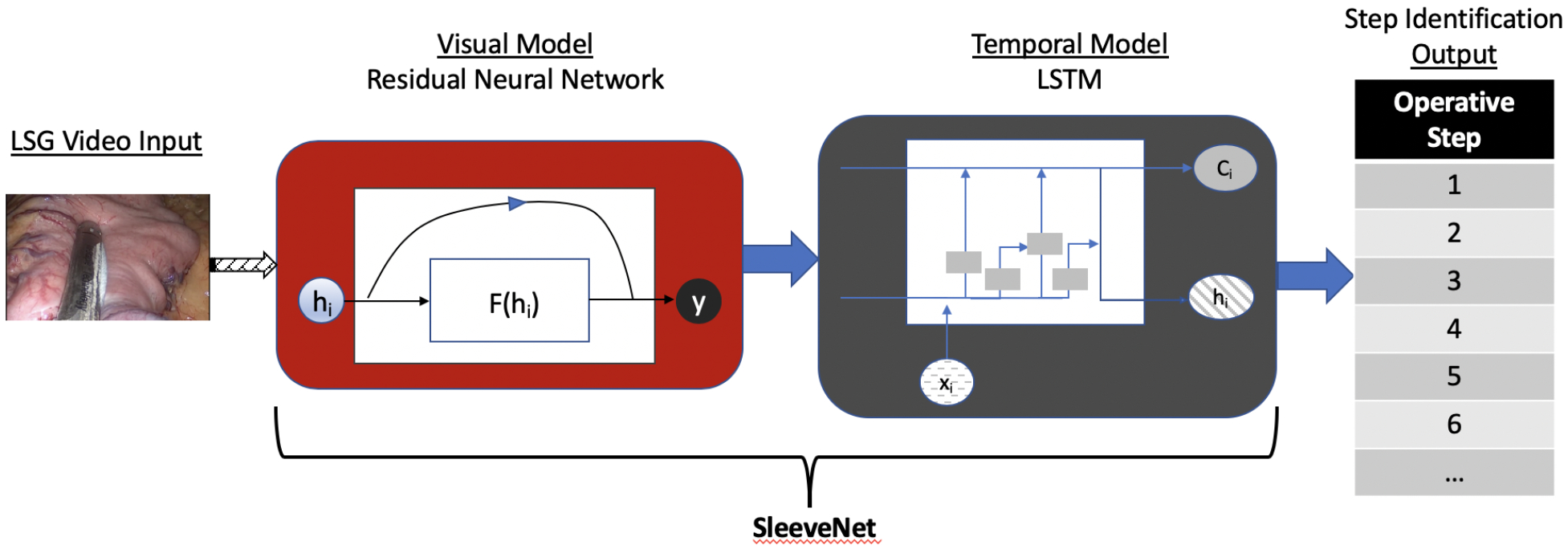
Intraoperative video from LSG from an academic institution was annotated by 2 fellowship-trained, board-certified bariatric surgeons. Videos were segmented into the following steps: 1) port placement, 2) liver retraction, 3) liver biopsy, 4) gastrocolic ligament dissection, 5) stapling of the stomach, 6) bagging specimen, and 7) final inspection of staple line. Deep neural networks were used to analyze videos. Accuracy of operative step identification by the AI was determined by comparing to surgeon annotations.
Eighty-eight cases of LSG were analyzed. A random 70% sample of these clips was used to train the AI and 30% to test the AI's performance. Mean concordance correlation coefficient for human annotators was 0.862, suggesting excellent agreement. Mean (±SD) accuracy of the AI in identifying operative steps in the test set was 82% ± 4% with a maximum of 85.6%.
AI can extract quantitative surgical data from video with 85.6% accuracy. This suggests operative video could be used as a quantitative data source for research in intraoperative clinical decision support, risk prediction, or outcomes studies.
开发和评估人工智能算法,以识别腹腔镜袖状胃切除术(LSG)中的手术步骤。
计算机视觉是人工智能(AI)的一种形式,允许计算机对视频进行定量分析,以识别物体和模式,例如在自动驾驶中。
由 2 名接受过 fellowship 培训、拥有董事会认证的减肥外科医生对来自学术机构的 LSG 术中视频进行注释。将视频分为以下步骤:1)端口放置,2)肝脏牵引,3)肝活检,4)胃结肠韧带解剖,5)胃缝合,6)包裹标本,7)最后检查缝合线。使用深度神经网络分析视频。通过与外科医生注释进行比较,确定 AI 识别手术步骤的准确性。
分析了 88 例 LSG。这些剪辑的随机 70%样本用于训练 AI,30%用于测试 AI 的性能。人类注释者的平均一致性相关系数为 0.862,表明具有极好的一致性。在测试集中,AI 识别手术步骤的平均(±SD)准确率为 82%±4%,最高可达 85.6%。
AI 可以从视频中提取出 85.6%准确率的定量手术数据。这表明手术视频可以用作术中临床决策支持、风险预测或结果研究的定量数据源。