Departments of Biophysics and Biochemistry, University of Texas Southwestern Medical Center, Dallas, Texas.
Howard Hughes Medical Institute, University of Texas Southwestern Medical Center, Dallas, Texas.
Hum Mutat. 2019 Sep;40(9):1463-1473. doi: 10.1002/humu.23857. Epub 2019 Sep 3.
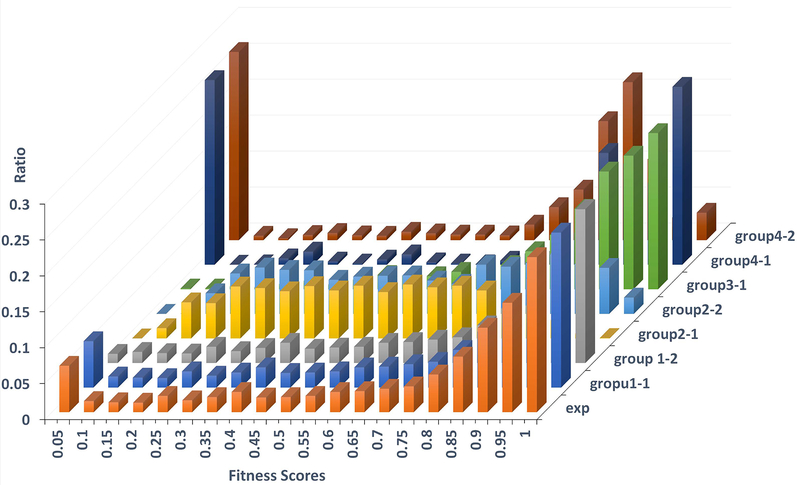
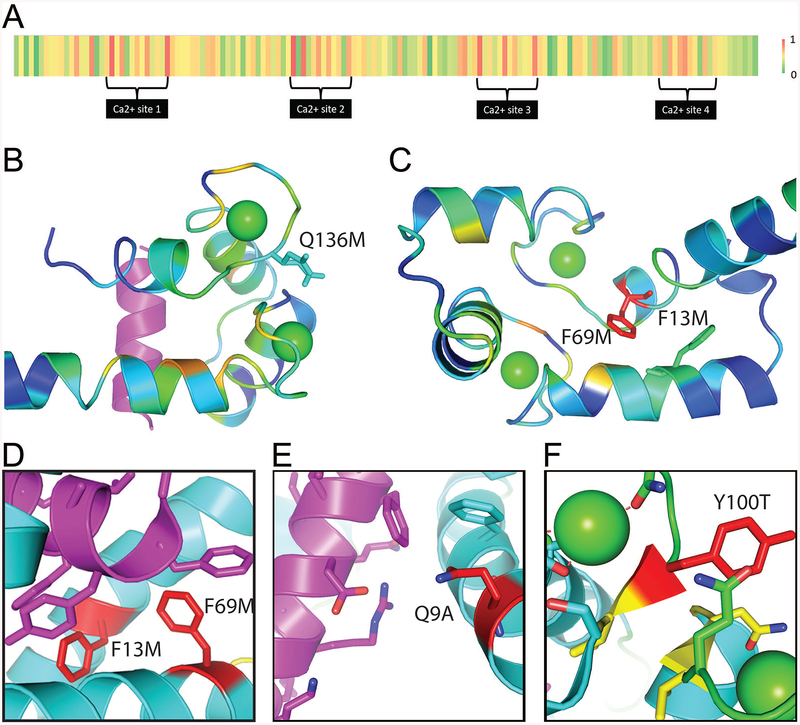
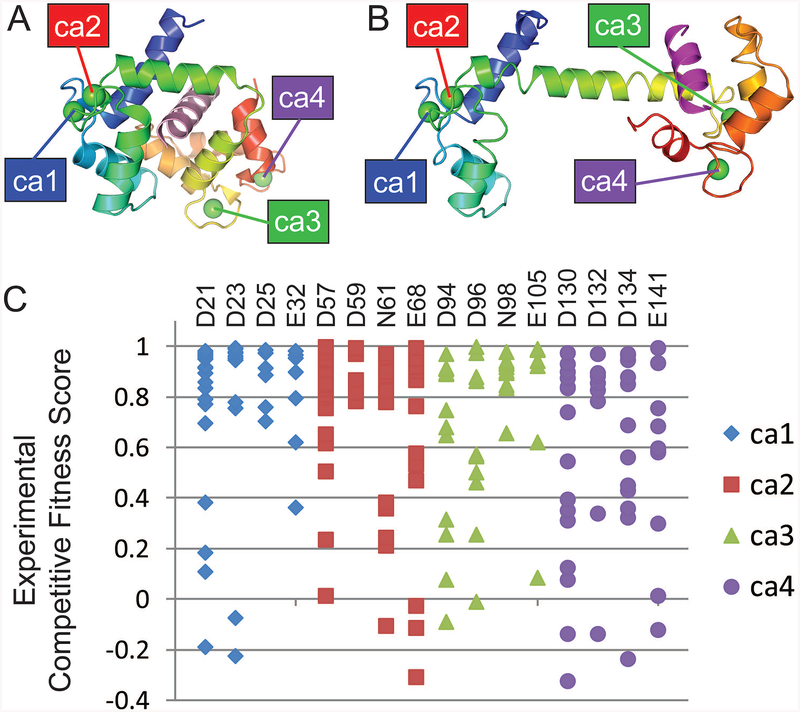
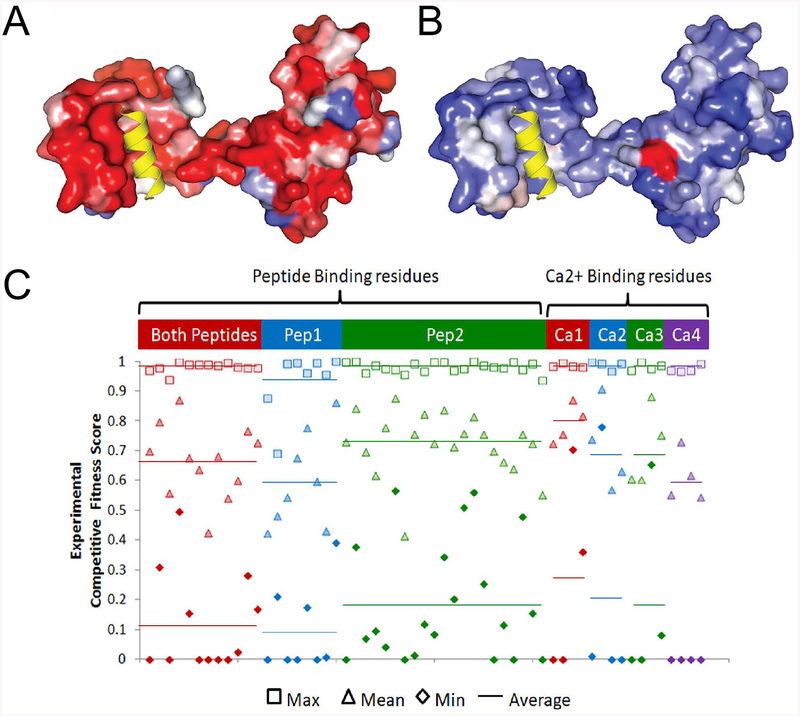
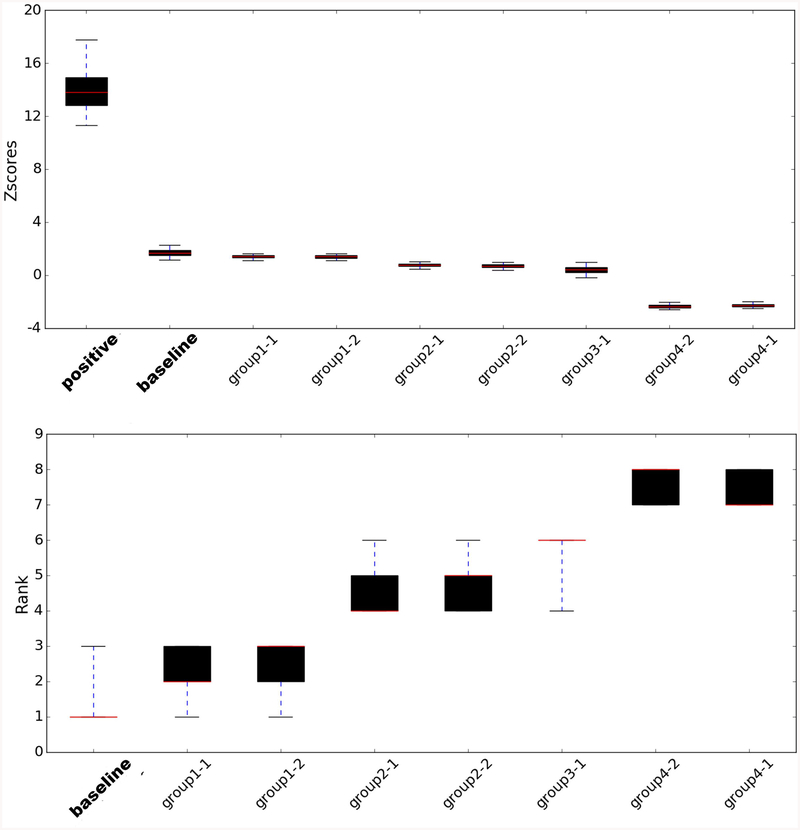
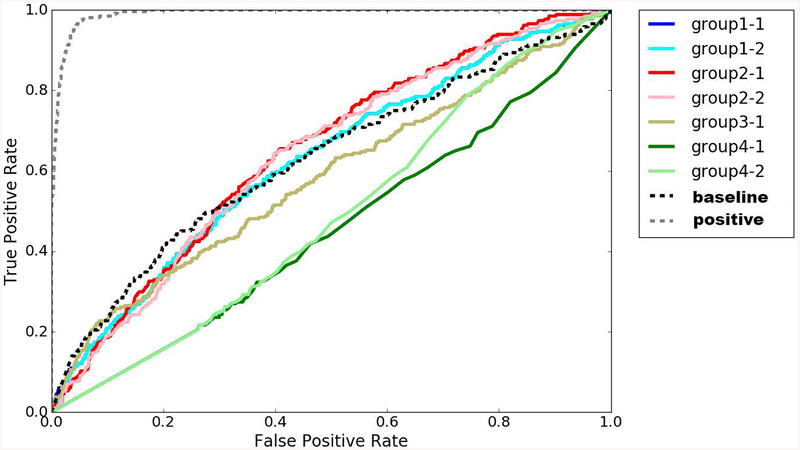
This paper reports the evaluation of predictions for the "CALM1" challenge in the fifth round of the Critical Assessment of Genome Interpretation held in 2018. In the challenge, the participants were asked to predict effects on yeast growth caused by missense variants of human calmodulin, a highly conserved protein in eukaryotic cells sensing calcium concentration. The performance of predictors implementing different algorithms and methods is similar. Most predictors are able to identify the deleterious or tolerated variants with modest accuracy, with a baseline predictor based purely on sequence conservation slightly outperforming the submitted predictions. Nevertheless, we think that the accuracy of predictions remains far from satisfactory, and the field awaits substantial improvements. The most poorly predicted variants in this round surround functional CALM1 sites that bind calcium or peptide, which suggests that better incorporation of structural analysis may help improve predictions.
本文报告了在 2018 年举行的第五轮基因组解读关键评估(Critical Assessment of Genome Interpretation)中对“CALM1”挑战预测的评估。在该挑战中,要求参与者预测人类钙调蛋白(真核细胞中高度保守的感应钙离子浓度的蛋白质)错义变体对酵母生长的影响。采用不同算法和方法的预测器的性能相似。大多数预测器能够以中等准确度识别有害或耐受变体,基于序列保守性的基准预测器略优于提交的预测。然而,我们认为预测的准确性仍远不能令人满意,该领域需要大幅改进。本轮预测结果最差的变体集中在与钙或肽结合的功能性 CALM1 结合位点周围,这表明更好地纳入结构分析可能有助于提高预测准确性。