Qiao Yunsheng, Tan Chen, Zhang Min, Sun Xinghuai, Chen Junyi
Department of Ophthalmology & Visual Science, Eye and ENT Hospital of Fudan University, 83 Fenyang Rd, Shanghai, 200031, China.
NHC Key Laboratory of Myopia (Fudan University), Key Laboratory of Myopia, Chinese Academy of Medical Sciences and Key Laboratory of Visual Impairment and Restoration of Shanghai, Shanghai, 200031, China.
BMC Ophthalmol. 2019 Jul 8;19(1):142. doi: 10.1186/s12886-019-1145-7.
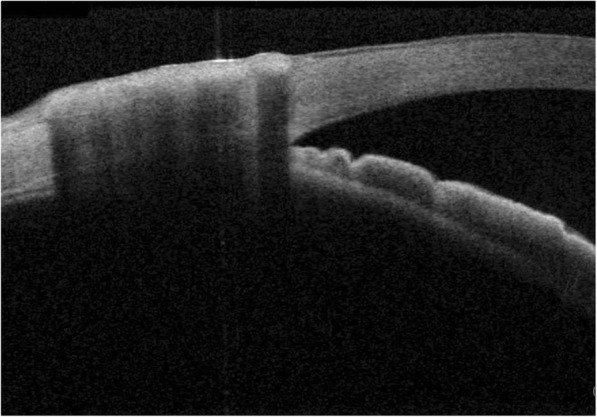
This comparative study aimed to demonstrate the differences between swept source OCT (SS-OCT) (1310 nm) and spectral domain OCT (SD-OCT) (840 nm) for the identification and measurement of anterior chamber angle (ACA) structures.
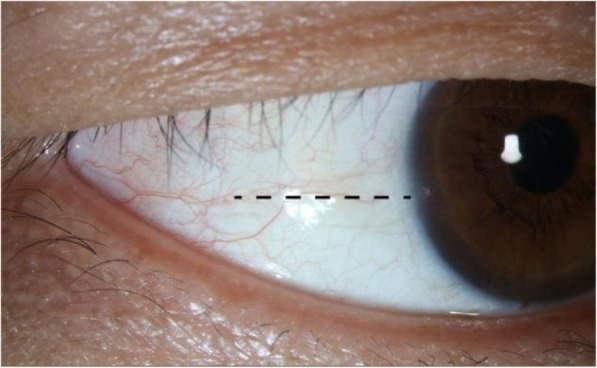
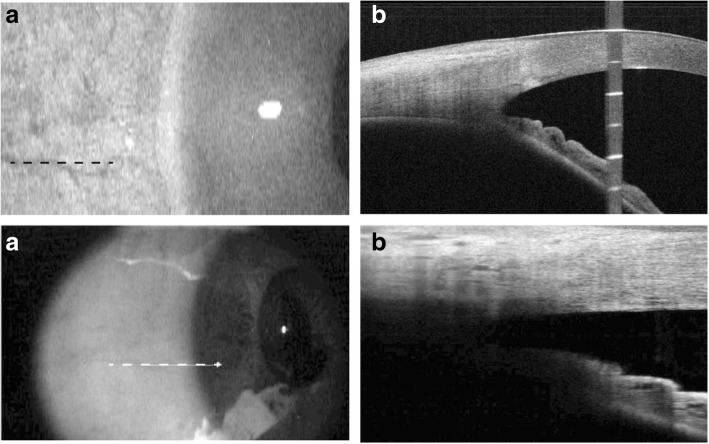
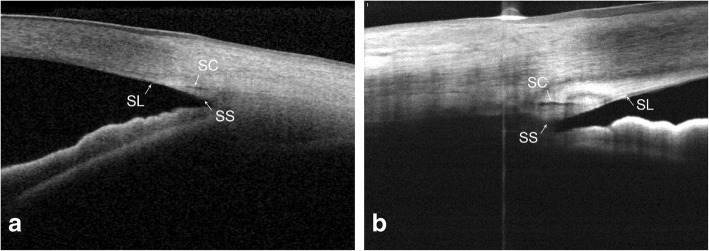
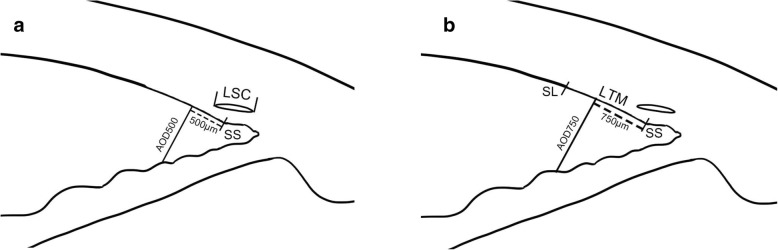
Sixty seven eyes from 67 healthy subjects underwent ACA imaging at the nasal and temporal sides using SS-OCT and SD-OCT with different wavelength (Tomey, 1310 nm and RTvue, 840 nm). Images were evaluated for the ability to distinguish angle structures including the Schwalbe's line (SL), the Schlemm's canal (SC) and the scleral spur (SS). The length of trabecular meshwork (LTM), the angle-opening distance (AOD500 and AOD750) and the length of Schlemm's canal (LSC) were also measured.
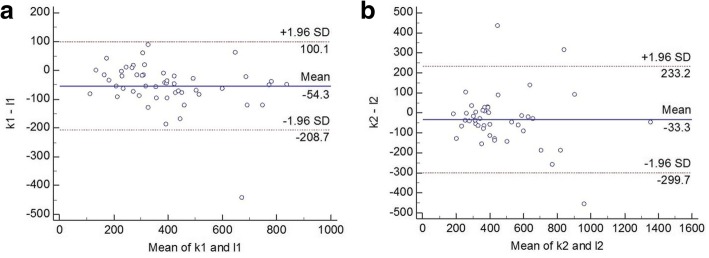
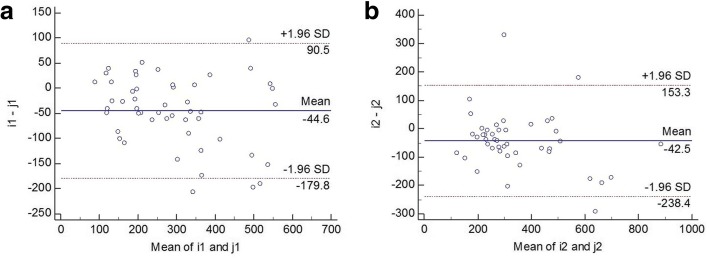
The nasal identification rate for SL, SC and SS were 91.04%/89.55%, 50.75%/40.30% and 100.0%/74.63% (SS-OCT/SD-OCT), respectively. The temporal identification rate for SL, SC and SS were 86.57%/91.04%, 68.66%/70.15% and 100.0%/65.67% (SS-OCT/SD-OCT), respectively. Differences between SS-OCT and SD-OCT were found in terms of the visualization of the SS. With respect to the measurements of angle, the evaluation of LTM at the nasal side, LSC at the temporal side and AOD500/750 at both sides showed significant difference between the two devices. However, there existed good correlation between the AOD500/750 measured by SS-OCT and SD-OCT (Spearman's rank correlation coefficient > 0.8, p < 0.000).
SS-OCT displayed a better performance in detecting deeper structures of the angle such as the SS. However, for discriminating structures lying in transparent or semi-transparent tissue such as the SL and the SC, the two devices showed good consistency. Although SS-OCT and SD-OCT demonstrated high correlation for angle measurement (AOD500/750), their agreement was poor.
本对比研究旨在证明扫频光学相干断层扫描(SS-OCT)(1310 nm)和谱域光学相干断层扫描(SD-OCT)(840 nm)在眼前房角(ACA)结构识别和测量方面的差异。
对67名健康受试者的67只眼睛使用不同波长的SS-OCT和SD-OCT(Tomey,1310 nm和RTvue,840 nm)在鼻侧和颞侧进行ACA成像。评估图像区分包括施瓦贝线(SL)、巩膜静脉窦(SC)和巩膜突(SS)在内的房角结构的能力。还测量了小梁网长度(LTM)、房角开放距离(AOD500和AOD750)以及巩膜静脉窦长度(LSC)。
SL、SC和SS的鼻侧识别率分别为91.04%/89.55%、50.75%/40.30%和100.0%/74.63%(SS-OCT/SD-OCT)。SL、SC和SS的颞侧识别率分别为86.57%/91.04%、68.66%/70.15%和100.0%/65.67%(SS-OCT/SD-OCT)。在SS的可视化方面发现了SS-OCT和SD-OCT之间的差异。关于房角测量,在鼻侧LTM、颞侧LSC以及两侧的AOD500/750评估中,两种设备之间存在显著差异。然而,SS-OCT和SD-OCT测量的AOD500/750之间存在良好的相关性(斯皮尔曼等级相关系数>0.8,p<0.000)。
SS-OCT在检测房角较深结构如SS方面表现更好。然而,对于区分位于透明或半透明组织中的结构如SL和SC,两种设备显示出良好的一致性。尽管SS-OCT和SD-OCT在房角测量(AOD500/750)方面显示出高度相关性,但它们的一致性较差。