Spinal Cord Research Group, Institute of Neuroscience and Psychology, University of Glasgow, Glasgow G12 8QQ, UK.
School of Biomedical Sciences and Pharmacy, University of Newcastle, Newcastle NSW 2308, Australia.
Cell Rep. 2019 Jul 9;28(2):526-540.e6. doi: 10.1016/j.celrep.2019.06.040.
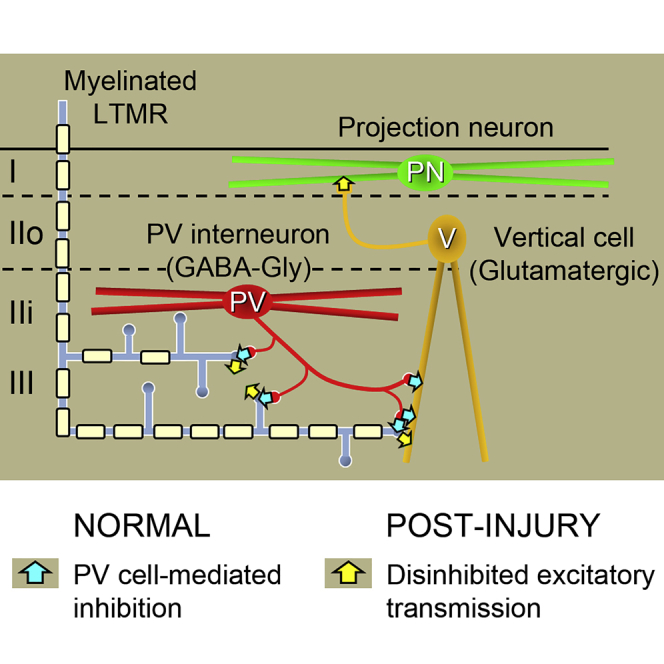
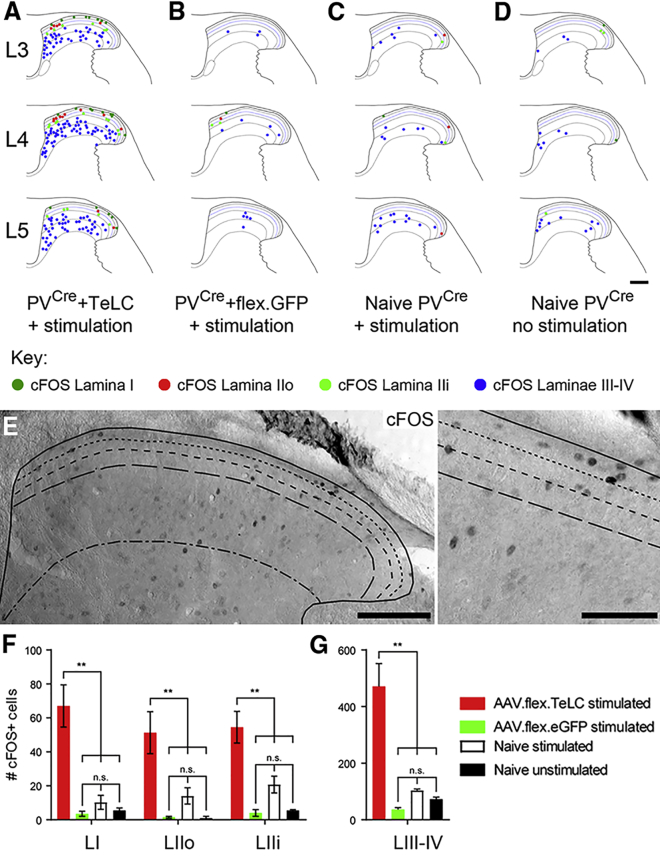
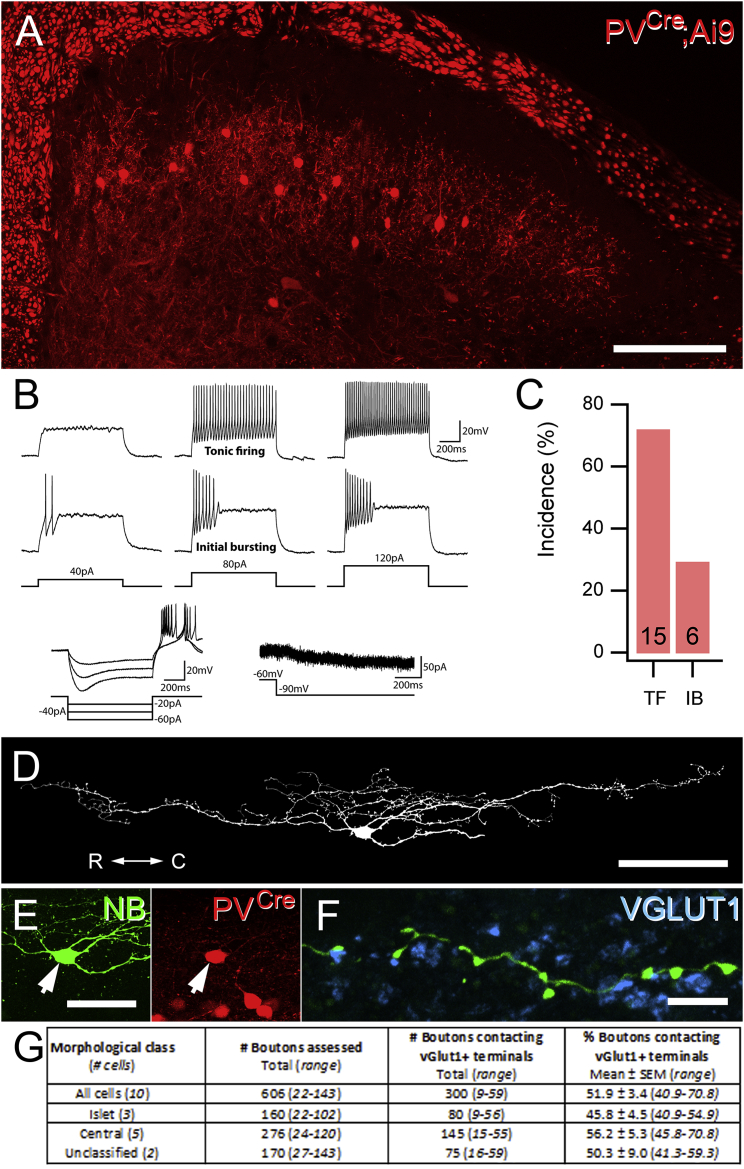
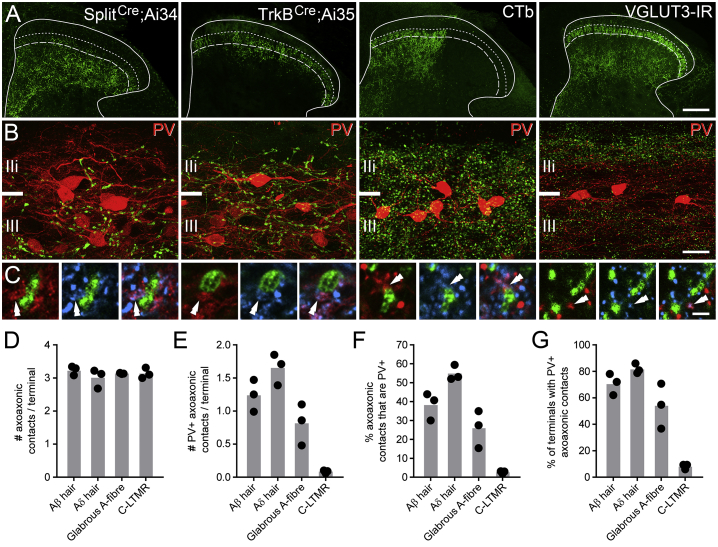
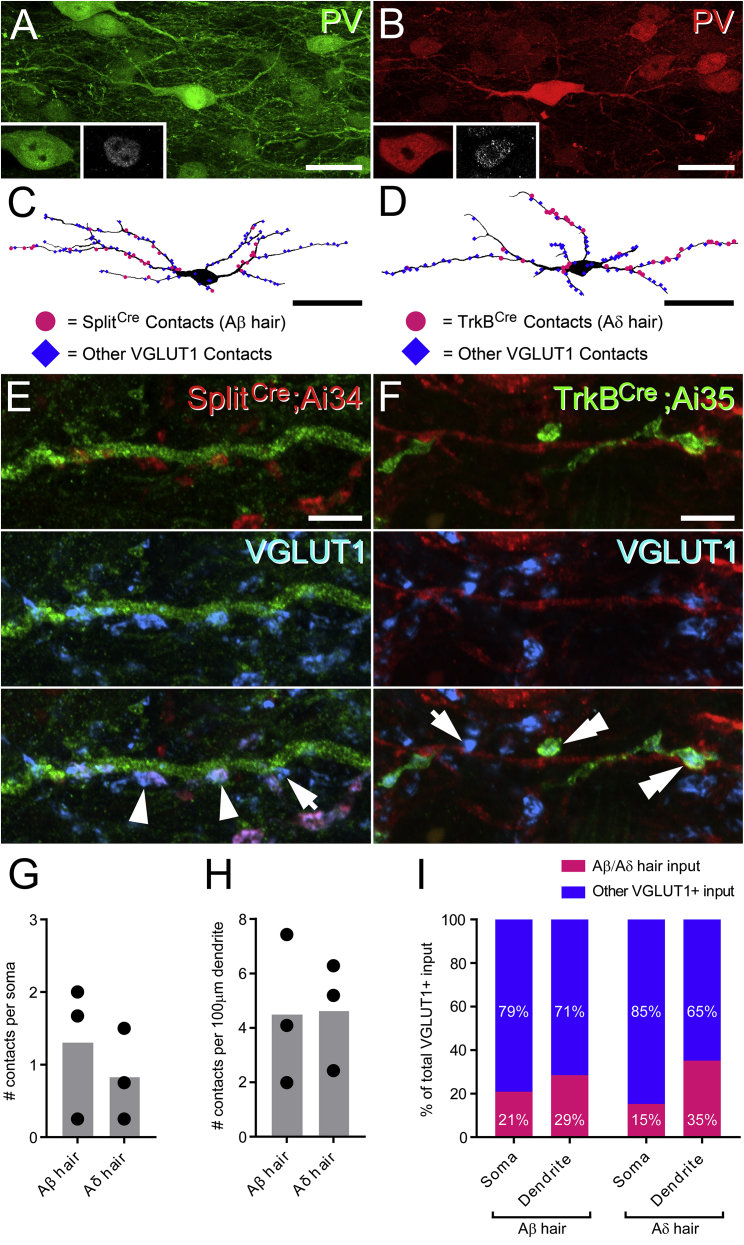
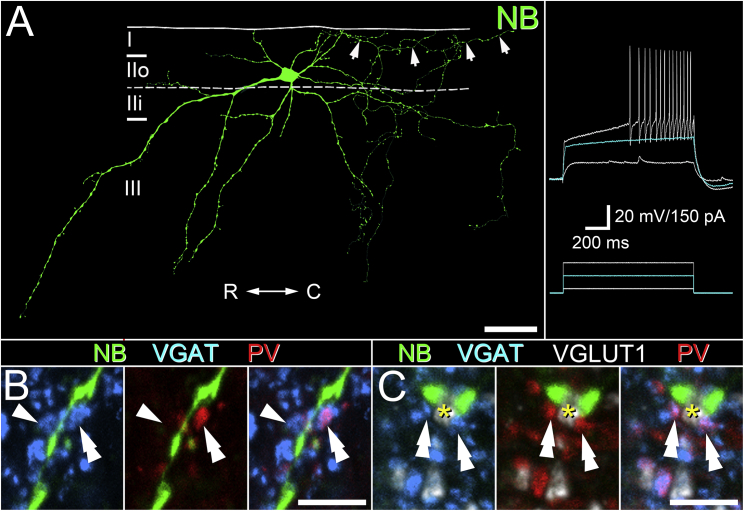
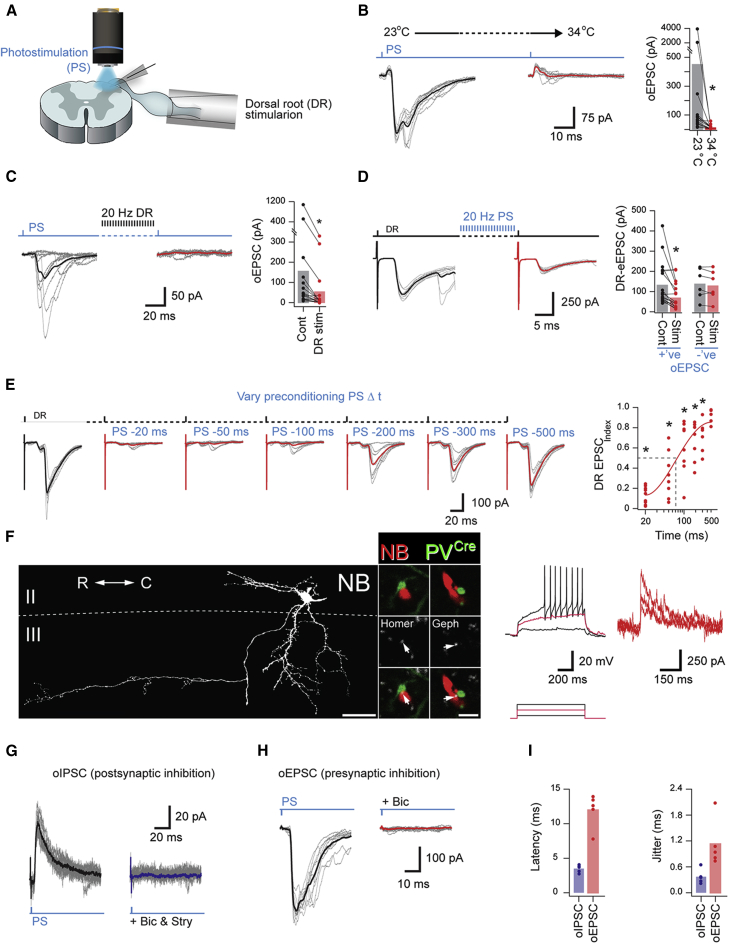
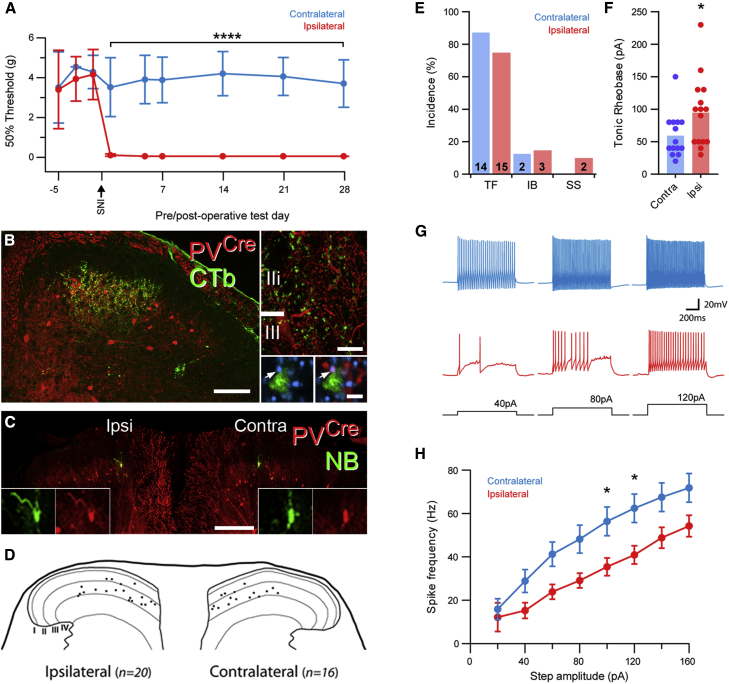
Chronic pain presents a major unmet clinical problem. The development of more effective treatments is hindered by our limited understanding of the neuronal circuits underlying sensory perception. Here, we show that parvalbumin (PV)-expressing dorsal horn interneurons modulate the passage of sensory information conveyed by low-threshold mechanoreceptors (LTMRs) directly via presynaptic inhibition and also gate the polysynaptic relay of LTMR input to pain circuits by inhibiting lamina II excitatory interneurons whose axons project into lamina I. We show changes in the functional properties of these PV interneurons following peripheral nerve injury and that silencing these cells unmasks a circuit that allows innocuous touch inputs to activate pain circuits by increasing network activity in laminae I-IV. Such changes are likely to result in the development of tactile allodynia and could be targeted for more effective treatment of mechanical pain.
慢性疼痛是一个未得到充分满足的临床问题。由于我们对感觉感知的神经元回路的理解有限,因此更有效的治疗方法的发展受到阻碍。在这里,我们表明,表达钙结合蛋白 Parvalbumin(PV)的背角中间神经元通过突触前抑制直接调节由低阈值机械感受器(LTMR)传递的感觉信息的传递,并且通过抑制投射到 I 层的 II 层兴奋性中间神经元来对 LTMR 输入的多突触中继进行门控。我们展示了外周神经损伤后这些 PV 中间神经元功能特性的变化,并且沉默这些细胞揭示了一个电路,该电路通过增加 I-IV 层中的网络活动,使无害的触摸输入能够激活疼痛电路。这种变化可能导致触觉过敏的发展,并且可以针对机械性疼痛的更有效治疗来靶向这些变化。